
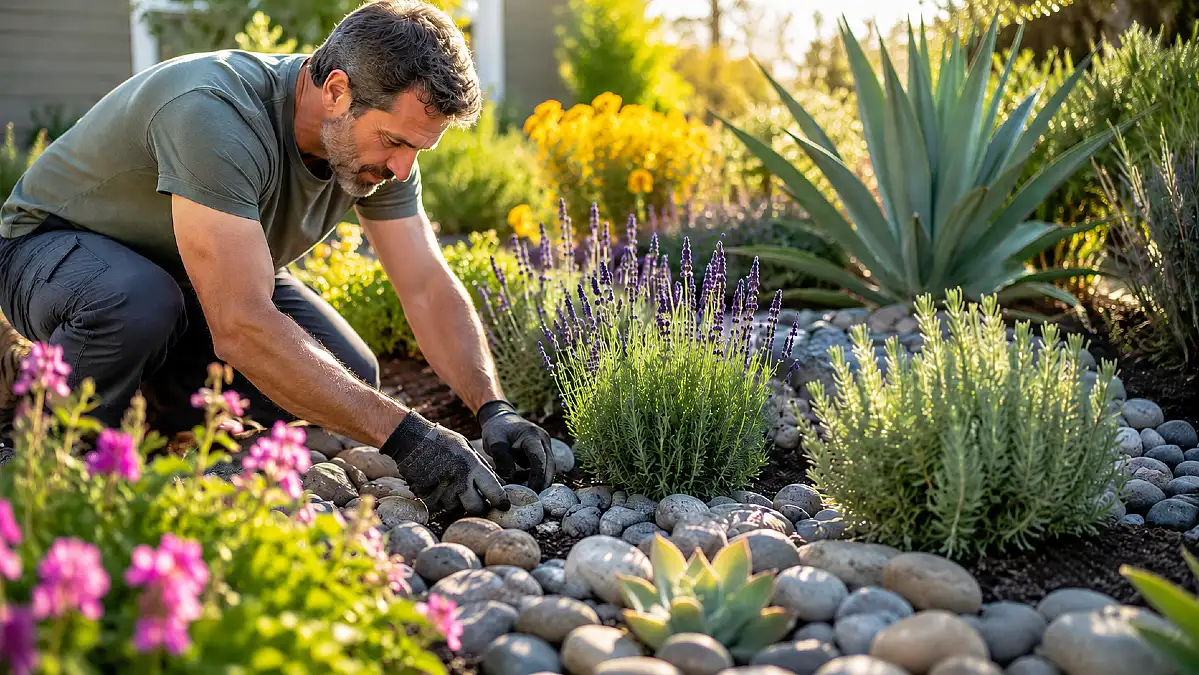
Your garden looks fine after watering. Then the afternoon sun arrives.
The soil turns dry and hard. Weeds appear between your plants. Water may run across the surface instead of soaking into the root area. It can feel as if your plants need attention every few hours.
That is why you may see experienced gardeners placing stones around plants during summer.
The stones act as a type of mulch. They cover bare soil, reduce weed growth, and can slow water loss. They also create the dry, open look that suits many herbs, succulents, and desert plants.
But there is an important catch.
Stones can become very hot. They may help a lavender bed in one climate while harming a hydrangea in another. The trick works because the right gardener uses it around the right plant.
What Stones Around Plants Actually Do
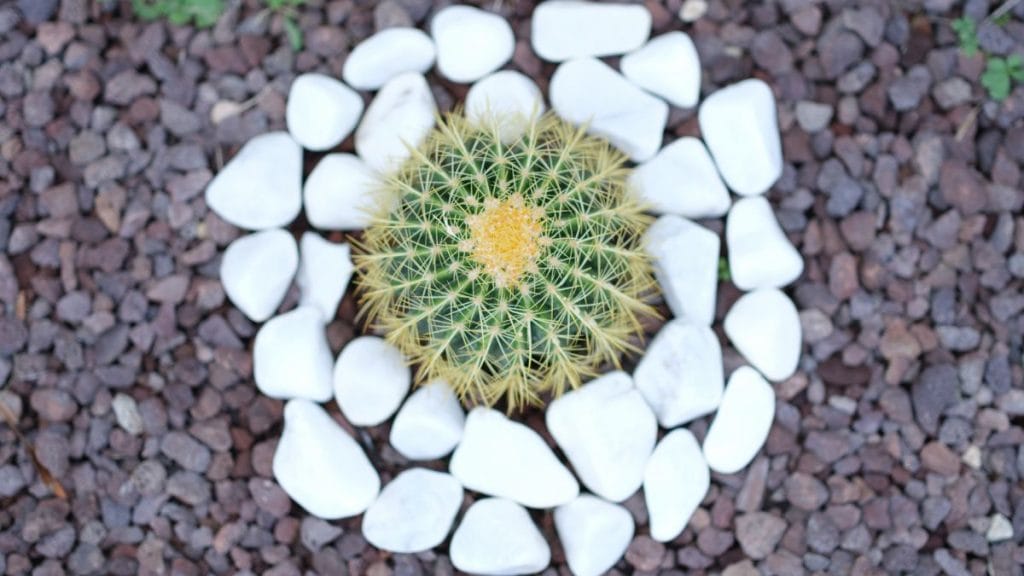
Stones placed over bare soil are called inorganic mulch. Gravel, crushed stone, river rock, and decomposed granite all fit into this group.
The first benefit is simple. The stones cover exposed soil.
Covered soil has less direct contact with drying wind and strong sunlight. Utah State University Extension explains that mulch helps prevent soil crusting, compaction, and water evaporation. It also blocks some light that weed seeds need before they can grow.
Stone mulch lasts much longer than shredded leaves or bark. It does not rot, blow away easily, or need to be replaced every season.
That sounds useful. But stones behave differently from organic mulch.
Gravel absorbs heat during the day. Colorado State University Extension notes that gravel transfers more heat to the soil than wood chips. This can help plants that like warm, dry root zones, but it can stress plants that need cooler soil.
Stones also provide no food for the soil. Bark, leaves, and compost slowly break down and add organic matter. Rocks remain rocks.
This means stone mulch is best used as a surface cover for plants that already suit dry soil. It cannot fix poor soil, root disease, or bad watering.
7 Plants That Can Grow Well With Stone Mulch
The best plants for rock mulch often come from sunny places with thin, dry, or gravelly soil.
These plants still need water. The stones simply match their natural growing conditions better than thick, damp mulch.
1. Lavender Benefits From a Dry Plant Crown
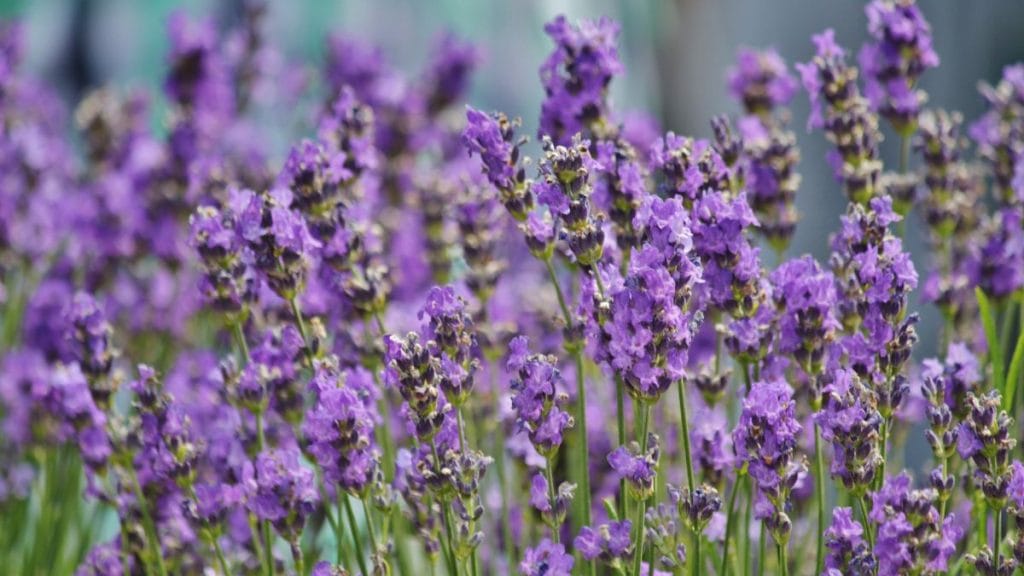
Lavender often struggles when wet soil stays close to its crown. The crown is the area where the stems meet the roots.
Stone mulch can keep this area more open and dry than thick compost or bark. It may also stop wet soil from splashing onto the lower leaves.
Spanish lavender grows best in well drained soil with low fertility, according to Utah State University Extension. This is one reason gravel is often used in lavender beds.
Choose pale gravel if your summers are very hot. Dark stone may send too much heat back toward the leaves.
Leave a small open ring around the base of the plant. Do not pile gravel against the woody stems.
Lavender is a good choice when:
- The bed receives full sun
- The soil drains quickly
- Summer air is fairly dry
- Water does not collect around the roots
Stone mulch will not save lavender planted in heavy, wet clay. Improve drainage before adding any surface cover.
2. Rosemary Likes Warm, Fast Draining Soil
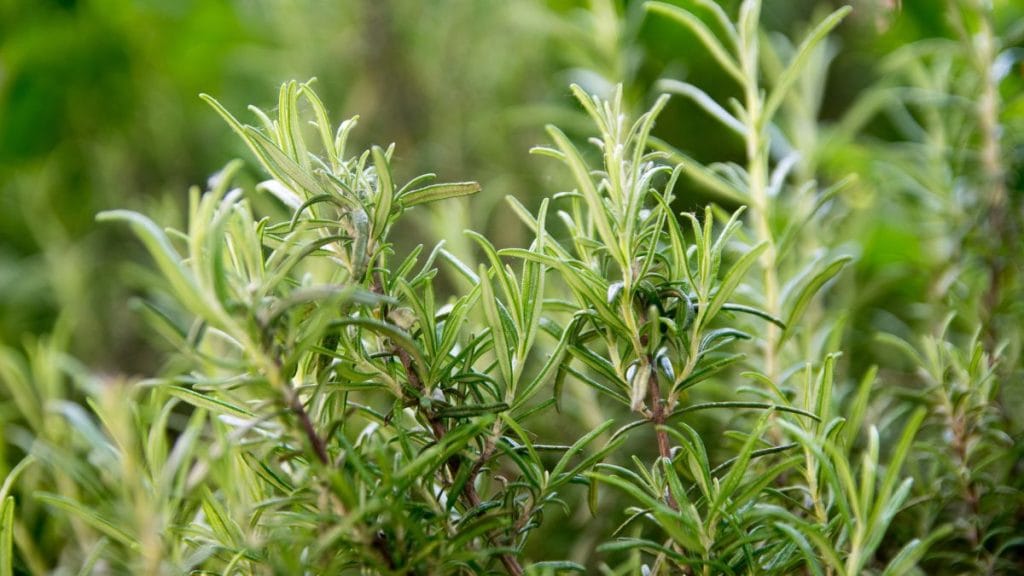
Rosemary comes from the Mediterranean region. It prefers bright sun and soil that does not stay wet for long periods.
A gravel surface can suit rosemary because it dries faster than a thick layer of damp leaves. It also gives the bed a clean look that matches the plant’s narrow, evergreen leaves.
The main benefit is not that stones feed rosemary. They do not.
The benefit is that the surface remains open and less likely to hold wet material against the lower stems.
Place drip irrigation under or beside the gravel so water reaches the roots. Do not depend on a quick spray from a hose. Water can run between stones without soaking deeply.
Check the soil with your finger or a trowel. Rosemary may look drought tolerant, but a newly planted shrub still needs regular water while its roots spread.
3. Thyme Can Spread Across Gravelly Ground
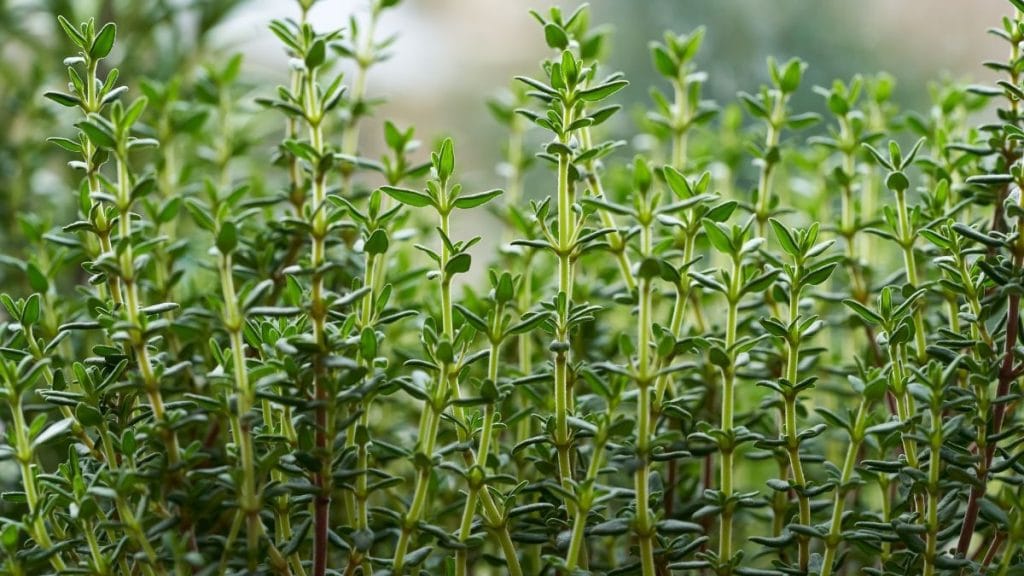
Thyme is one of the easiest herbs to place beside small stones.
Utah State University Extension describes thyme as a plant that likes hot, sunny sites and well drained soil. Colorado State University Extension also lists several thyme varieties as plants for dry rock gardens.
Creeping thyme can spread between stones and soften the edge of a path. Upright thyme can grow in a herb bed covered with fine gravel.
Use small stones rather than large rocks. Large rocks may trap fallen leaves and create hidden wet spots around the stems.
You should also avoid covering the plant itself. Thyme stems need light and air. Keep the gravel on the soil, not over the growing branches.
This setup works best in a bed that drains well after rain.
4. Salvia Handles Dry Soil Better Than Wet Soil
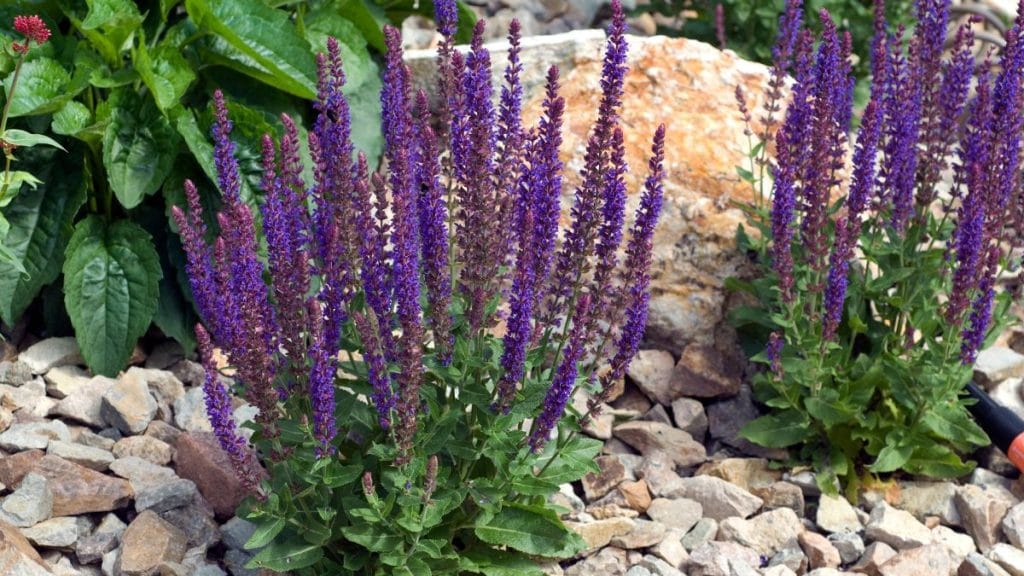
Many salvia plants are built for heat.
University of Minnesota Extension recommends full sun and well drained soil for salvia. It also notes that many salvias are drought tolerant and tend to do better in drier soil than overly wet soil.
A loose layer of gravel can reduce bare soil around the plant without creating a damp mat against its crown.
This can be helpful during humid summer weather. Lower stems remain easier to inspect, and fallen leaves can be removed before they collect around the plant.
Do not assume salvia never needs water. Long flowering periods take energy. The plant may still need deep watering during dry weeks.
Water the root area, then let the top layer of soil begin to dry.
Watch the leaves during extreme heat. Drooping in late afternoon may be temporary, but leaves that stay limp after sunset can signal dry roots.
5. Sedum Is Made for Rocky Garden Beds
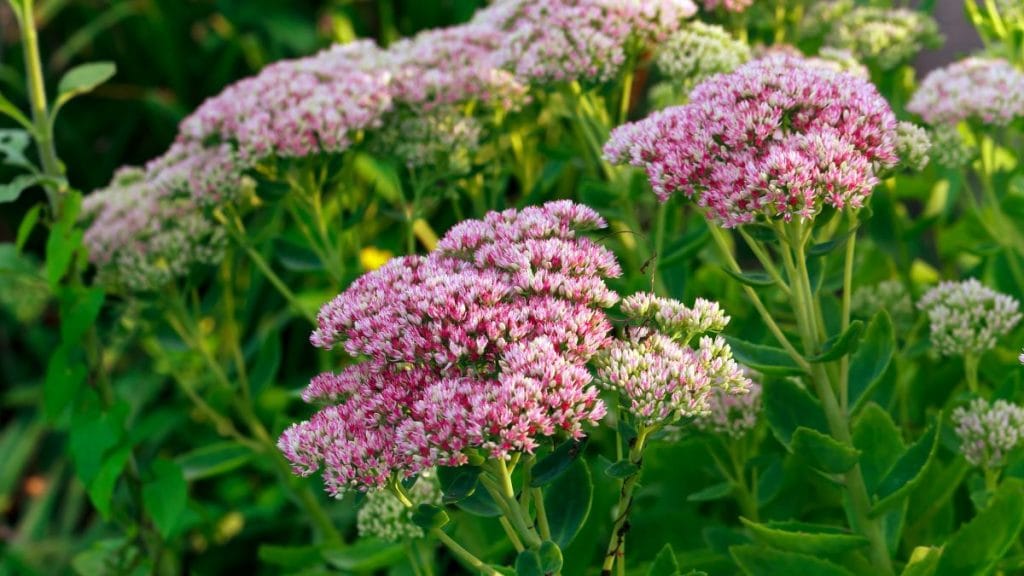
Sedum is also called stonecrop, which gives you a clue about where many types grow well.
Colorado State University Extension lists sedums among recommended rock garden plants. Many prefer full sun and dry, well drained soil.
Their thick leaves store water. This helps established plants survive short dry periods.
Fine gravel can stop mud from splashing onto low sedum leaves. It also creates a dry surface around spreading stems.
Stone mulch looks especially natural around:
- Angelina sedum
- Dragon’s Blood sedum
- Gold Moss stonecrop
- Upright autumn sedum
- Low spreading ground cover sedums
Sedum can still rot in wet soil. Rocks on top will not improve drainage below the roots.
Before planting, loosen compacted soil and make sure rain can move away from the bed.
6. Hen and Chicks Prefer Dry, Gravelly Ground
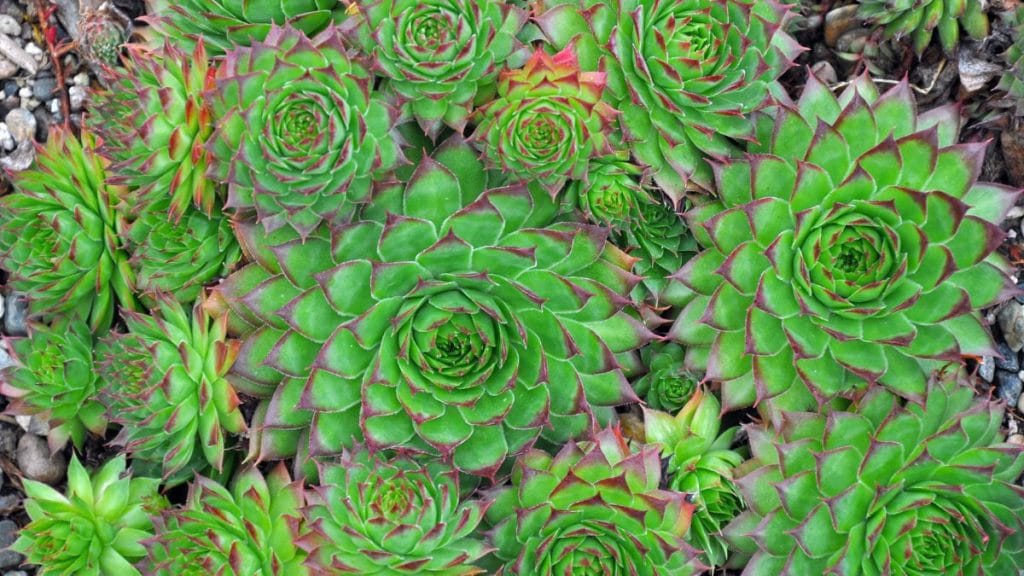
Hen and chicks form tight rosettes that store water in their leaves.
Colorado State University Extension lists these plants for sunny sites with dry, gravelly soil.
Small stones help keep the rosettes away from wet mud. This matters because water sitting around the lower leaves can cause damage.
Tuck fine gravel between the plants, but keep the center of each rosette clear. Water needs to drain away rather than collect inside it.
Hen and chicks often spread by producing small new rosettes. Leave enough open soil for these young plants to root.
A crowded bed may look full, but poor airflow can become a problem during wet weather.
7. Yucca and Agave Match Hot Stone Beds
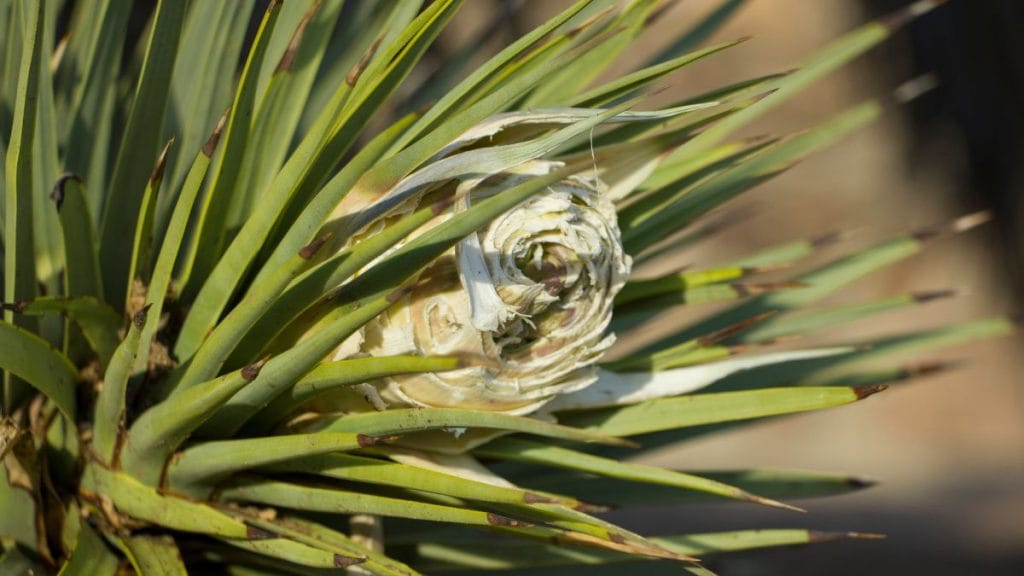
Yucca and agave are common choices for dry landscapes. Their bold forms also look striking against gravel or decomposed granite.
The University of Arizona Cooperative Extension identifies cactus, agave, yucca, and ocotillo as major plants for desert landscapes.
These plants often need sharp drainage more than rich soil. Gravel can help create the dry surface look that matches their needs.
Still, heat has limits.
A young agave beside a south facing wall may receive heat from the sun, the wall, and the stones at the same time. That can lead to leaf scorch.
Use lighter stone when possible. Give each plant enough room for air to move around its leaves.
Keep stones away from the central crown. A buried crown may stay wet after irrigation and become hard to inspect.
When Stones Make Summer Heat Worse
The biggest myth about stones is that they always keep roots cool.
They do not.
Rocks absorb sunlight and release that heat into the nearby soil and air. University of Minnesota Extension warns that rocks can become very hot during summer and may cause heat stress in sensitive plants.
Colorado State University Extension has also reported extreme surface temperatures in exposed rock landscapes during strong summer heat. The exact temperature depends on the stone color, weather, time of day, and location.
Dark stone usually absorbs more heat than pale stone. A thick bed of black rock can become especially hot beside a wall, driveway, or paved patio.
Signs that the stones may be making conditions worse include:
- Brown leaf edges
- Bleached spots on the side facing the ground
- Soil that feels hot several inches below the surface
- Fast wilting after sunrise
- A need for more frequent watering
- Slow growth during the hottest weeks
Use a soil thermometer if you are unsure. Test under the stones and in a nearby bed with organic mulch.
You can also move a few stones and touch the soil. Warm soil is normal. Soil that feels painfully hot needs attention.
Replace some or all of the rock with pale gravel, shredded bark, or leaf mulch if the plant shows stress.