
You spend a weekend planting a beautiful flower bed. Then spring returns, and half the plants are gone.
That gets expensive. It also leaves bare spaces that you must fill again and again.
A better plan is to choose flowers that bloom year after year from roots, bulbs, or rhizomes that can remain in the garden for a very long time. The right plants become larger, stronger, and more impressive as they settle in.
The seven flowers below are known for long life. Some can remain in one garden for decades. But no plant is permanent in every yard. Light, drainage, winter cold, summer heat, pests, and planting depth all matter.
Choose the flower that fits your conditions. That one step gives it the best chance of becoming part of your garden’s history.
What “Blooming for Decades” Really Means
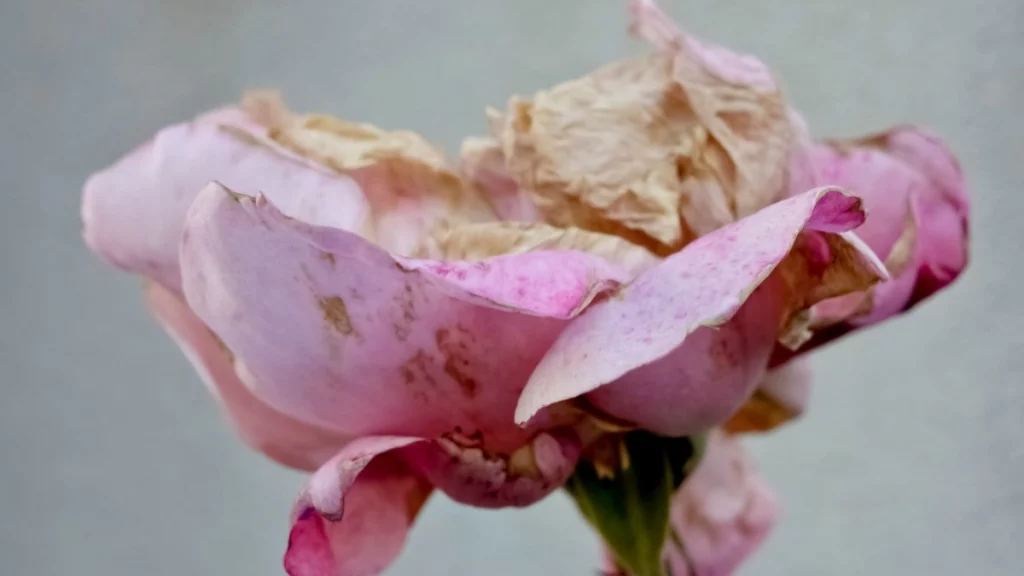
A flower that lasts for decades does not stay in bloom all year. It returns during its normal season and produces a fresh display from the same living root system.
Herbaceous perennials may disappear above the soil in winter. Their roots remain alive below ground and send up new growth in spring.
The Royal Horticultural Society explains that these plants can live for many years even though their stems and leaves die back each season.
Some long lived perennials are best left alone. Others remain healthy when you divide crowded clumps every few years.
Your climate also matters. A plant that lasts for generations in a cool northern garden may struggle in a hot, wet southern yard.
Before planting, check four things:
• Your local winter hardiness zone
• The number of hours of direct sun
• How quickly water leaves the soil
• The plant’s mature width
These details are more important than the picture on the plant label.
1. Peonies Can Outlive the Gardener Who Plants Them
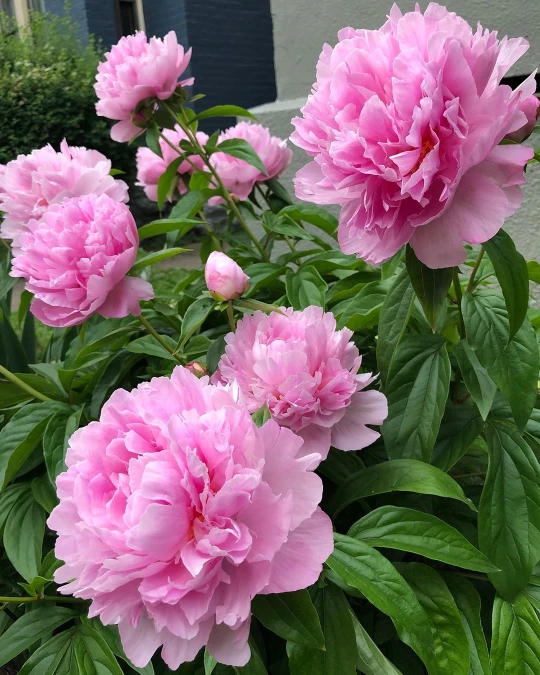
Peonies are among the best choices when you want a flower with a long garden life. Once settled, they often remain in the same spot for many decades.
Missouri Botanical Garden notes that peony plantings may continue blooming for many decades when left undisturbed. The Royal Horticultural Society also describes herbaceous peonies as long lived, substantial perennials.
Their large flowers arrive in late spring or early summer. Colors include white, blush, coral, pink, red, and yellow.
Popular choices include:
• Sarah Bernhardt for soft pink double flowers
• Karl Rosenfield for deep red flowers
• Coral Sunset for coral blooms that change color as they age
The biggest peony mistake is planting the crown too deeply. The small growing points, often called eyes, should sit close to the soil surface. A deeply buried peony may grow plenty of leaves without producing many flowers.
Give peonies a sunny position with good airflow. They prefer fertile soil that drains well. Avoid placing them where tree roots will compete for water and food.
Each peony plant may bloom for only about two weeks. You can create a longer display by planting early, middle, and late season cultivars.
North Carolina Extension recommends combining plants with different flowering times, while Missouri Botanical Garden notes that a mixed collection can extend the overall peony season to about six weeks.
Peonies dislike frequent moving. Pick the location carefully, plant them correctly, and let them settle.
2. Daylilies Keep Producing Buds With Very Little Fuss
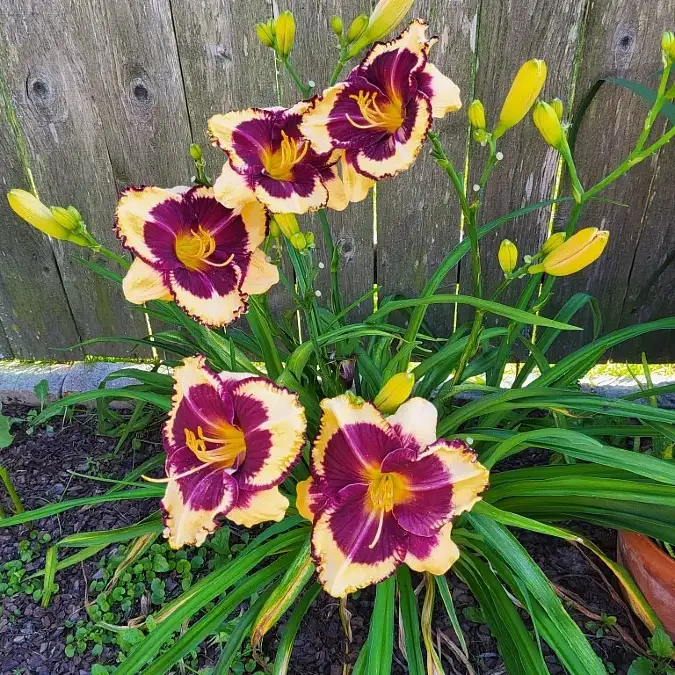
Daylilies are useful when you need a reliable flower for a sunny border, slope, driveway edge, or large open bed.
Despite the name, they are not true lilies. Each flower usually stays open for one day. The plant makes up for this by producing many buds on several stems.
University of Minnesota Extension describes daylilies as rugged, adaptable, and vigorous perennials that can endure for many years with little care. It also notes that each plant can produce enough buds to create a display over an extended period.
You can find early, middle, and late flowering cultivars. Some varieties may also produce a second round of flowers.
Good garden choices include:
• Stella de Oro for compact golden flowers
• Happy Returns for soft yellow blooms
• Joan Senior for creamy white flowers
Daylilies flower best in full sun, though some can handle light shade. Water new plants during their first growing season so they can build strong roots.
Older clumps may become crowded. When the middle starts producing fewer leaves or flowers, divide the plant and replant the healthiest outer sections. University of Minnesota Extension lists reduced flowering and a thinning center as common signs that a perennial needs division.
One warning matters. The common orange daylily can spread strongly and is considered invasive in some areas. Check your local invasive plant list before planting unnamed roadside forms. Modern clumping cultivars are usually easier to control.
3. Daffodils Multiply Into a Larger Spring Display
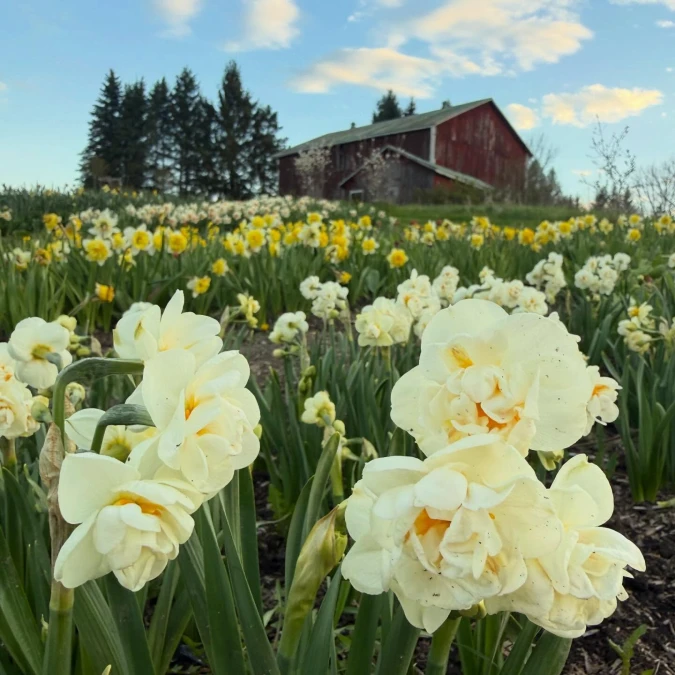
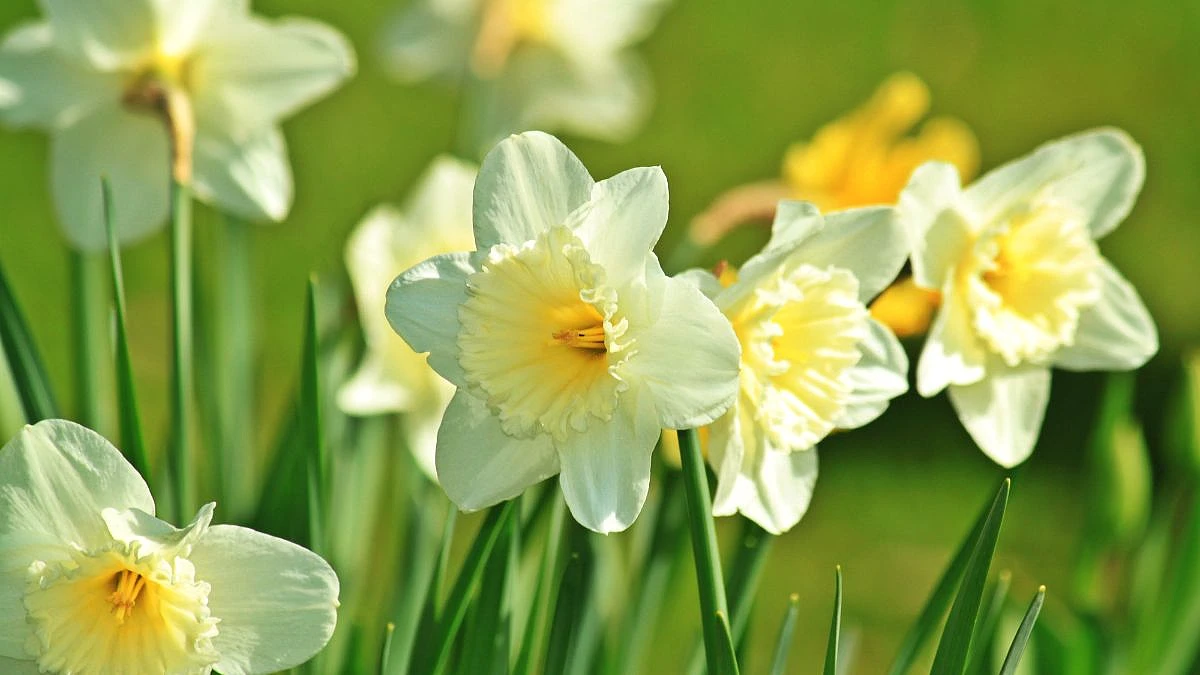
Daffodils give you one of the earliest signs that winter is ending. Their bulbs can remain underground and return each spring without being replanted.
The Royal Horticultural Society notes that daffodils usually flower between February and May, depending on the type and local weather. They work in borders, lawns, containers, and informal woodland gardens.
Many daffodils slowly form larger groups. This process is often called naturalizing.
Reliable varieties include:
• Tête à Tête for short, early flowers
• Ice Follies for white petals and pale yellow centers
• Thalia for scented white flowers on slim stems
Plant the bulbs in fall before the ground freezes. Choose a sunny or lightly shaded place with soil that does not remain wet.
The most important care step happens after flowering. Do not cut or tie the leaves while they are still green. The leaves use sunlight to store energy in the bulb for next spring.
Wait until the foliage turns yellow and comes away easily.
Hardy bulbs are treated as perennials and can remain in the soil from year to year. University of Minnesota Extension notes that crowded bulbs may need division when flowering starts to decline.
You can also stretch the season by mixing early and late daffodils. Iowa State University explains that careful variety selection can produce several weeks of spring color.
Daffodils are poor choices for ground that stays wet during summer. Constant moisture can cause the bulbs to rot.
4. Bearded Irises Reward Good Drainage for Years
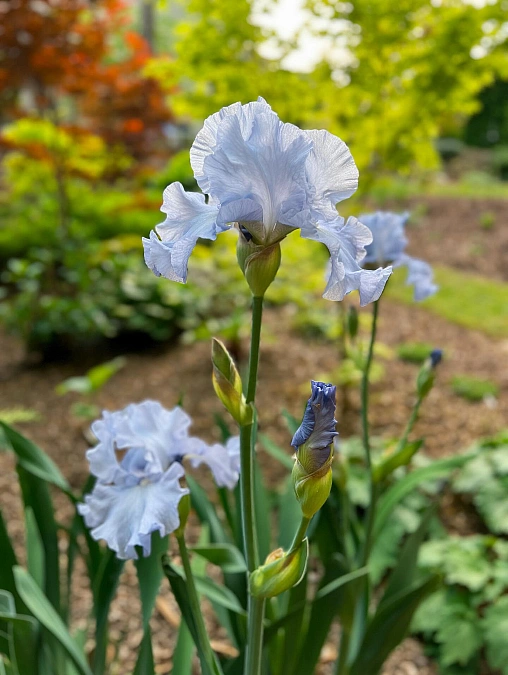
Bearded irises bring tall stems, sword shaped leaves, and flowers with rich color patterns. Their blooms may be purple, blue, white, peach, yellow, pink, brown, or almost black.
They grow from thick underground stems called rhizomes. These rhizomes spread across the soil and form wider clumps over time.
Popular cultivars include:
• Immortality for white flowers and possible repeat blooming
• Beverly Sills for coral pink flowers
• Dusky Challenger for very dark purple blooms
Bearded irises need strong sunlight to flower well. Give them at least six hours of direct sun when possible.
The rhizome should sit close to the soil surface. Do not bury it deeply under soil or mulch. Deep planting and wet soil can cause weak growth or rot.
Drainage is the main concern. Plant irises in raised soil or on a slight slope when your yard holds water after rain.
Over time, a clump may become packed with old and new rhizomes. Flowering can then slow down. Divide crowded bearded irises after they finish blooming, often during late summer.
University of Minnesota Extension places bearded iris division in late July through early August for its Upper Midwest calendar. Your ideal timing may differ, so check local guidance.
Remove damaged rhizomes during division. Replant firm, healthy pieces with a fan of leaves attached.
This small amount of work can keep an iris planting vigorous for many more years.
5. Hellebores Bring Flowers to the Quietest Season
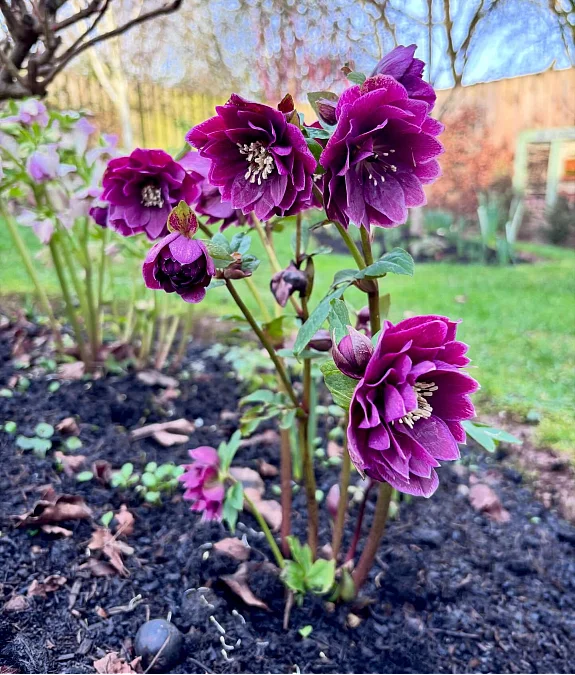
Many flower beds look empty at the end of winter. Hellebores fill that gap with nodding flowers in white, cream, green, pink, purple, or deep red.
They are often called Lenten roses, though they are not roses.
North Carolina Extension notes that hellebores are grown for evergreen foliage and flowers that appear in winter or early spring. Some hybrids hold their colored sepals for a long time after the flowers open.
Useful hybrid selections include:
• Ice N’ Roses Red for outward facing red flowers
• Pink Frost for pink and cream blooms
• Anna’s Red for deep red flowers and patterned leaves
Hellebores perform well in partial shade. A position under a deciduous tree can work because the plant receives winter light and summer protection.
The soil should hold some moisture without becoming waterlogged. Add compost before planting, but avoid creating a wet pocket around the roots.
Established hellebores prefer to remain in place. They may take time to settle, but mature clumps can produce more stems each year.
Remove damaged older leaves before the flower stems rise. This makes the blooms easier to see and reduces messy foliage around the base.
Wear gloves when handling hellebores. The sap can irritate skin, and the plant is toxic if eaten. Keep it away from curious children and pets that chew plants.
Hellebores are a strong choice for gardeners who need shade loving perennial flowers with color at an unusual time of year.
6. False Indigo Becomes a Shrub Sized Garden Anchor
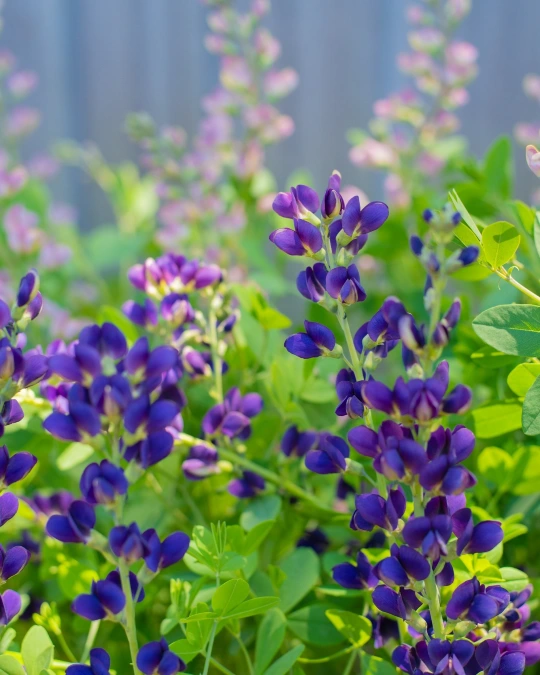
False indigo gives you the look of a flowering shrub without permanent woody branches.
In late spring or early summer, tall spikes of pea shaped flowers rise over blue green leaves. The flowers may be blue, purple, cream, yellow, pink, or mixed tones.
Good selections include:
• Purple Smoke for gray purple flowers and dark stems
• Carolina Moonlight for pale yellow flowers
• Blue Towers for tall blue flower spikes
North Carolina Extension describes Baptisia plants as tough and long lived. They can handle dry soil, poor soil, and drought once their roots are established.
That strength comes from a deep root system. It also creates a downside. Mature false indigo plants are difficult to transplant.
Choose the location with care. A full sized plant may grow about four feet tall and wide, depending on the cultivar. Do not squeeze it between smaller plants or close to a narrow path.
Give false indigo full sun and soil with good drainage. Water it during the first season. After that, established plants usually need less attention.
The flowers are followed by dark seed pods that add interest later in the year. You can leave them standing or cut them for dried arrangements.
Missouri Botanical Garden advises leaving established Baptisia plants undisturbed. University of Minnesota Extension also warns that their deep roots make division difficult.
False indigo may grow slowly at first. Be patient. Once established, it can become one of the strongest shapes in the entire border.
7. Bleeding Heart Returns Before Summer Heat Arrives
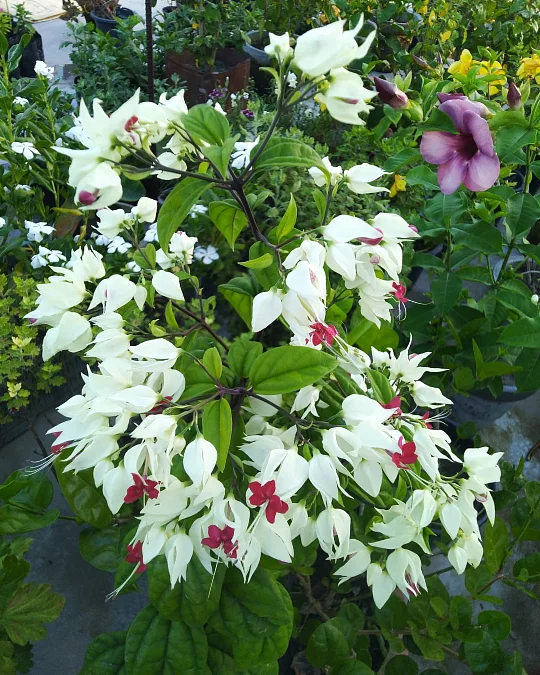
Traditional bleeding heart is known for arching stems lined with pink and white heart shaped flowers.
It appears in spring, fills a shady space with color, and often disappears when summer heat arrives. The roots remain alive below the soil and send up new growth the following spring.
Missouri Botanical Garden calls bleeding heart a classic spring perennial but notes that summer heat can cause it to go dormant.
Popular forms include:
• Valentine for red and white flowers
• Gold Heart for bright golden leaves and pink flowers
• Alba for white flowers
Plant bleeding heart in partial shade. Morning sun with afternoon shade often works well.
It prefers rich soil that stays lightly moist but still drains. A dry, hot site can cause the leaves to fade early. Constantly wet soil can damage the roots.
The summer dormancy surprises many new gardeners. They think the plant has died and dig into the area.
Mark its position so you do not disturb the roots later. You can also place companion plants nearby to cover the empty space.
Good companions include:
• Ferns
• Hostas
• Hardy geraniums
• Astilbes
• Shade tolerant ground covers
Bleeding heart contains compounds that can be harmful if eaten. Wear gloves if you have sensitive skin, and place it carefully in gardens used by pets or young children.
This plant does not provide summer long color. Its value comes from a beautiful spring show that can return from the same established root system for many years.
How to Help Perennial Flowers Survive for Decades
Buying a long lived plant does not guarantee a long lived garden. The way you plant and care for it still matters.
Use these steps to give every perennial a stronger start.
Match the Plant to Your Light
Watch the planting area before buying anything.
Full sun usually means at least six hours of direct light. Partial shade may mean morning sun, filtered light, or several hours of gentler sun.
A sun loving peony may survive in deep shade, but it may produce few flowers. A hellebore placed in harsh afternoon heat may struggle.
Test the Drainage
Dig a small hole and fill it with water. If water remains for a long time, the site may be too wet for peonies, irises, daffodils, or false indigo.
Improve the area with a raised bed or choose a plant that accepts moist soil. Adding a small amount of compost can improve soil structure, but compost will not fix a serious drainage problem by itself.
Leave Room for the Mature Plant
Small nursery plants are easy to place too close together.
Check the mature width before planting. False indigo can become as wide as a shrub. A peony also needs open space and airflow.
Proper spacing reduces competition and makes future maintenance easier.
Avoid Excess Fertilizer
More fertilizer does not always produce more flowers.
Too much nitrogen can create soft leaves and weak flowering. This is a common problem with peonies and other flowering perennials.
Test the soil before adding large amounts of plant food. Your local Extension office may offer soil testing or provide instructions for sending a sample.
Divide Plants Only When They Need It
Some perennials bloom better after division. Others dislike being disturbed.
Divide daylilies and irises when the center becomes thin or flowering drops. Leave mature peonies and false indigo alone unless moving them is truly necessary.
A plant’s care guide should tell you which approach is best.
Let Bulb Leaves Finish Their Work
Daffodil foliage may look untidy after the flowers fade. Leave it in place until it turns yellow.
Cutting green leaves removes the plant’s source of stored energy. That can reduce next year’s display.
Check Local Plant Rules
A plant can behave differently from one region to another.
Before planting a vigorous species, check your state or local invasive plant list. Your county Extension office, botanical garden, or government agriculture department can provide local advice.
Which Long Lived Flower Fits Your Garden?
Use your conditions to narrow the choices.
| Your Garden Condition | Strong Choice | Main Requirement |
|---|---|---|
| Sunny border with rich soil | Peony | Shallow planting and good drainage |
| Large sunny area | False indigo | Plenty of permanent space |
| Dry, sunny bed | Bearded iris | Rhizomes near the surface |
| Easy summer color | Daylily | Sun and occasional division |
| Spring bulb display | Daffodil | Allow foliage to yellow naturally |
| Shaded winter garden | Hellebore | Moist but drained soil |
| Cool spring shade | Bleeding heart | Protection from summer heat |
No flower is best for every garden.
Peonies are excellent for a sunny bed that will remain unchanged. Hellebores and bleeding hearts are better choices for shade. False indigo works when you need height and structure. Daffodils are one of the easiest ways to bring color back each spring.
Start with one or two plants that match your actual conditions. A smaller number of well chosen plants will usually perform better than a cart full of flowers placed in the wrong spots.