
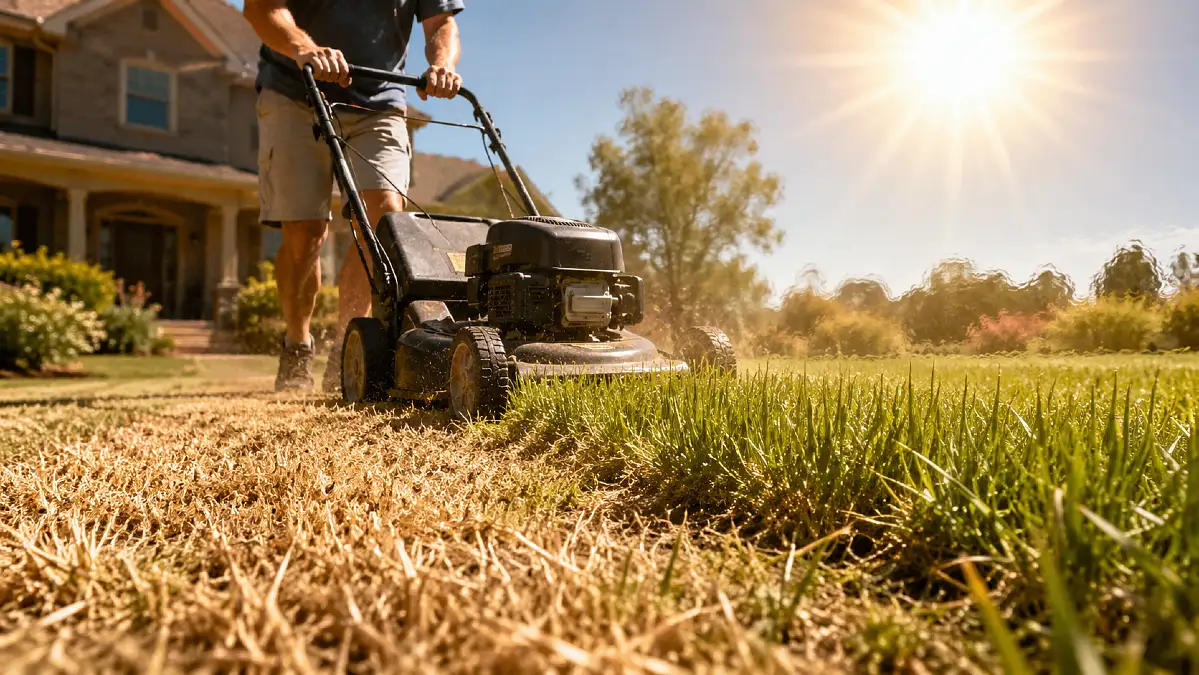
When temperatures soar and your lawn starts turning a crispy golden brown, your first instinct is likely the exact thing that will kill it. Homeowners put hours of work into their spring lawns.
Then they watch them die by July. You apply spring maintenance rules to extreme summer weather. This destroys root systems and wastes water.
Two leading plant care experts entirely agree on the single biggest error homeowners make. Read their exact blueprint to keep grass healthy during a drought.
The #1 Lawn Care Heatwave Mistake: Cutting Grass Too Short
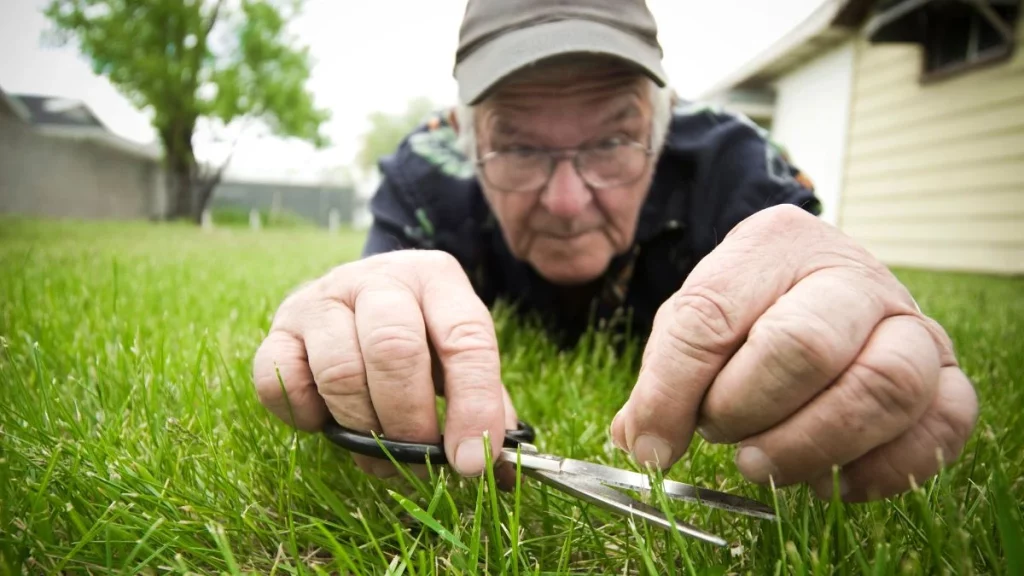
A neatly trimmed lawn is a point of pride. You want your house to look great. But here is the catch. In extreme heat, pride kills grass. You must stop scalping your yard during a drought.
Think of tall grass as a patio umbrella for your soil. Short blades expose the soil directly to harmful UV rays. The sun bakes the roots. This speeds up moisture evaporation. Your grass completely dries out.
John Cho is the Founder of MyCozyPlant. He warns against this exact lawn care heatwave mistake. “Cutting your grass too short before a hot spell removes its natural shade and damages the root system,” Cho explains. Your lawn loses its primary defense mechanism against the blazing sun.
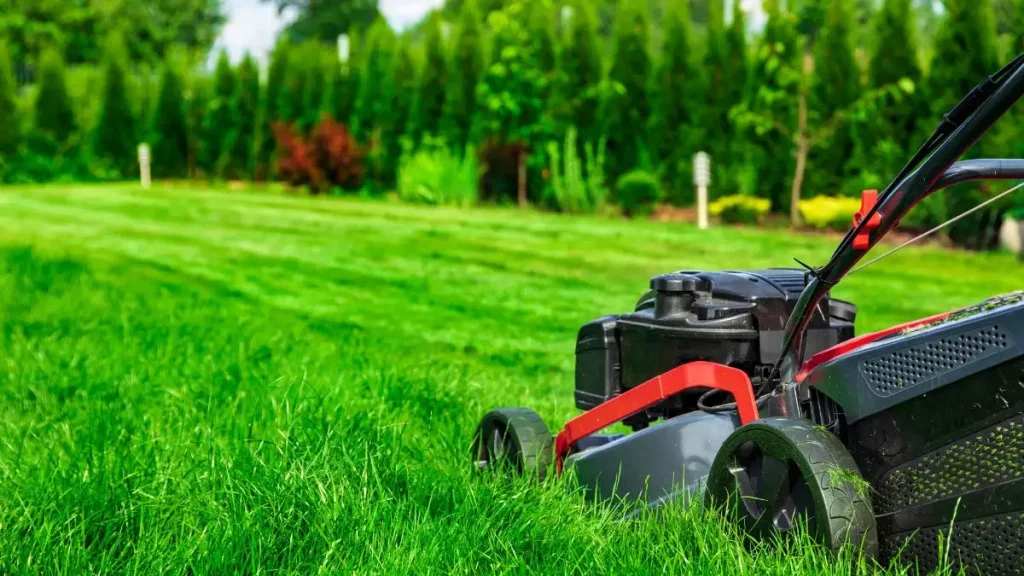
You need to adjust your equipment immediately. Use electric or cordless mowers with adjustable deck heights. Raise that deck before the heat hits. This one simple change protects your soil temperature.
Always follow the universal 1/3 Rule of mowing. Never cut more than a third of the grass length at one time. Chopping off too much stresses the plant out. Set your mower blades to 2.5 to 3.5 inches high. That is exactly 6 to 8 cm.
| Season | Ideal Grass Height | Why It Works |
| Spring | 2 inches | Encourages fresh new growth |
| Summer | 3 inches | Shades soil and protects roots |
| Fall | 2.5 inches | Prepares grass for winter |
The Watering Trap: Why “Little and Often” Ruins Lawns
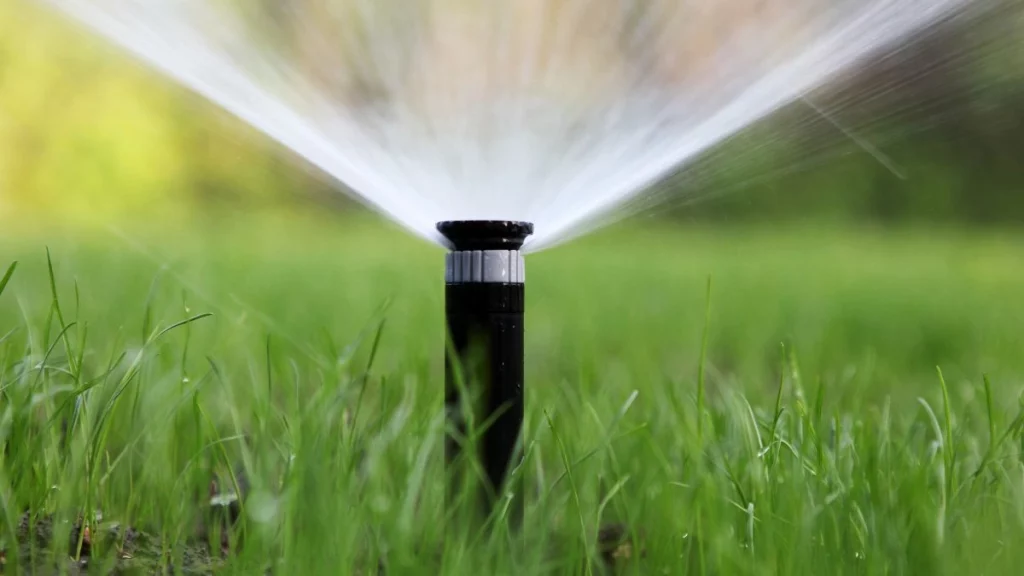
Picture a homeowner standing with a hose every evening for 5 minutes. This feels like the responsible thing to do. But this well intentioned habit is secretly starving your lawn.
You must address this secondary mistake that compounds the first one. Daily shallow watering ruins root systems. Shallow watering trains roots to stay near the scorching surface. The roots never learn to dig deep for survival.
Deep watering forces roots to grow down deep where the soil is much cooler. Nick Ee is the Product Training Manager at Black and Decker.
He points out how to water grass in extreme heat correctly. Ee states that light sprinklings leave lawns vulnerable because roots never grow deep enough to find hidden moisture.
Timing matters just as much as depth. Watering in the afternoon wastes water to rapid evaporation. The sun burns off the moisture before it sinks in. Even worse: watering at night invites damaging fungal diseases. The water sits on the leaves in the dark and breeds bacteria.
You need a clear and strict schedule. Stop the 5 minutes of evening watering and start running a sprinkler twice a week at 6 AM for 30 minutes. This mimics a heavy rainstorm.
Follow these precise watering rules for extreme heat:
- Time of day: 5 AM to 9 AM is the golden window.
- Frequency: Only 1 to 2 times a week.
- Depth target: Moisture must reach 15 cm deep. That is exactly 6 inches.
| Method | Result on Roots | Overall Lawn Health |
| 5 minutes daily | Roots stay at the hot surface | Grass burns quickly |
| 30 minutes twice weekly | Roots grow deep into cool soil | Grass survives droughts |
3 Pro Summer Lawn Care Tips to Survive the Drought
Doing less work is actually better for your grass right now. You can save time and save your lawn simply by leaving it alone. Put the heavy tools away for the summer.
Follow these three rules to keep your yard alive.
Follow These 3 Rules to Keep Your Yard Alive
During extreme heat, help the lawn hold moisture, conserve energy, and avoid physical damage until cooler growing conditions return.
The three heatwave lawn rules
- Hold Moisture Naturally
Leave the Clippings Where They Fall
Do not rake up every cutting just to make the lawn look tidy. Clippings form a light natural mulch that shades the soil, slows moisture loss, and returns nitrogen as they break down.
Shades the soil Traps moisture Returns nitrogen - Stop Forcing New Growth
Pause the Fertilizer Completely
High-nitrogen feeds push grass to grow when it should be conserving energy. On a dry, unwatered lawn, strong chemical fertilizer may scorch already stressed blades. Wait for cooler autumn conditions and use a slow-release feed instead.
No high nitrogen Avoid chemical burn Feed in autumn - Prevent Permanent Wear
Minimize Foot Traffic on the Grass
Heat-stressed grass loses the flexibility it has in spring. Dry blades can snap under repeated pressure and leave thin tracks or permanent dirt paths. Keep children, pets, and heavy equipment on paved areas.
Use the patio Move equipment off grass Prevent broken blades
A slightly messy lawn in July feels wrong. You might hate looking at the long grass and scattered clippings.
But a messy yard in July guarantees a vibrant living lawn in September. Get these summer lawn care tips right, and your yard will thrive later.
Heatwave Grass Recovery: What to Do When the Heat Breaks
Late summer finally arrives and temperatures drop. Rain finally returns to the forecast. Now is the time to focus on heatwave grass recovery.
First, you must recognize the difference between dormant grass and dead grass. Grass goes to sleep to survive.
Dormant grass turns completely brown uniformly but has firm roots. Dead grass pulls up easily from the dirt with zero resistance.
| Sign | Dormant Grass | Dead Grass |
| Color | Golden or tan all over | Patchy brown or gray spots |
| Root strength | Firmly planted in soil | Pulls out easily by hand |
| Water response | Turns green after rain | Stays brown after rain |
Dry soil becomes heavily compacted after heavy summer use. Compaction acts exactly like concrete. Water simply pools on top of compacted dirt instead of reaching the roots.
Look for these signs of soil compaction:
- Water sits on the surface after a rainstorm.
- The ground feels rock hard when you walk on it.
- Grass looks thin and stops growing entirely.
Aeration solves this problem instantly. Use a standard garden fork to aerate areas where water sits on the surface. Poke deep holes every few inches. This lets autumn rain and nutrients finally reach the roots.
Wait until the extreme heat is fully gone. It is safe to resume a normal feeding and mowing schedule once temperatures stay below 80 degrees. Grass is remarkably resilient if you give it the right foundation.
Why Spraying Weeds Right Now Destroys Your Yard
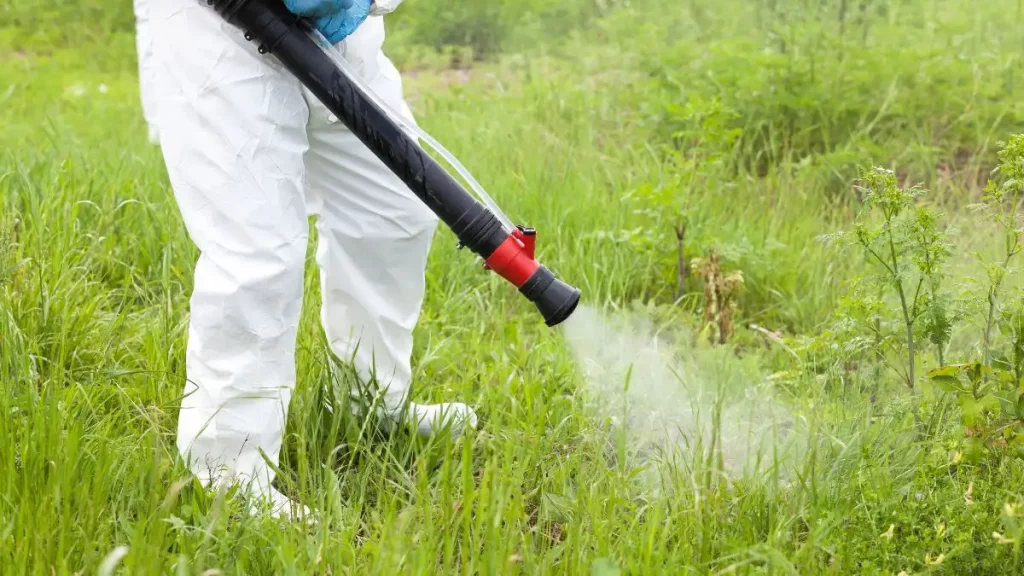
You see weeds popping up in your dry lawn. Your first thought is to grab the weed killer. But spraying chemicals during a heatwave will destroy your stressed grass.
The extreme heat makes chemical sprays highly volatile. The liquid weed killer turns into a gas in the hot sun. This toxic vapor floats onto your healthy grass and burns the blades permanently.
Herbicides force your lawn to process heavy chemicals. A thirsty lawn simply cannot handle this extra work. Pull out the large weeds by hand and ignore the small ones until autumn arrives.
| Weed Control Method | Summer Safety Level | Expected Result |
| Chemical Sprays | Very Dangerous | Burns the entire lawn |
| Hand Pulling | Totally Safe | Removes the weed safely |
| Doing Nothing | Safe | Grass survives the heat |
3 Drought Resistant Grass Types That Never Turn Brown
Maybe your grass dies every single summer no matter what you do. You might just have the wrong type of grass for your climate. Planting the right grass seed saves you time and cuts your water bill in half.
Cool season grasses struggle in high heat. You need warm season varieties that actually love the blazing sun. Bermuda grass and Zoysia grass naturally resist extreme heat and require much less water to stay green.
Tall Fescue is another great option if you live in a cooler area that still gets hot summers. Tall fescue grows massive roots that naturally find hidden water deep below the surface.
You can add these tough seeds to your lawn this fall. Mix them right into your existing dirt. Next summer your lawn will stay thick and green even during a terrible drought.