
Your plant is alive, but it does not look happy.
The leaves may be pale. New growth may be small. Your herbs may stop producing, while your flowers seem stuck in place.
Adding more water does not help. Moving the pot may not help either. At this point, it is easy to reach for a strong soluble plant food and hope for a fast change.
There is another option worth trying: worm castings, also called vermicompost.
Worm castings are a gentle natural fertilizer for plants. They add organic matter and small amounts of nutrients to the soil. They can also improve the area around plant roots.
Why Worm Castings Can Fix More Than Slow Growth
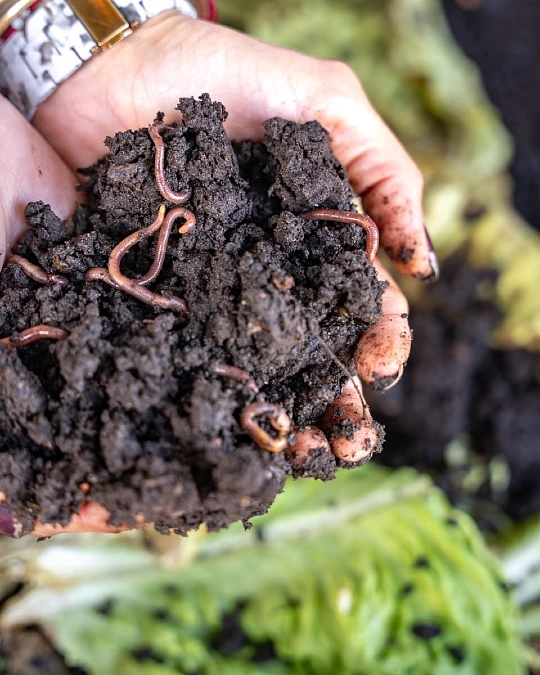
Worm castings are the dark, soil like material left after composting worms process food scraps and bedding.
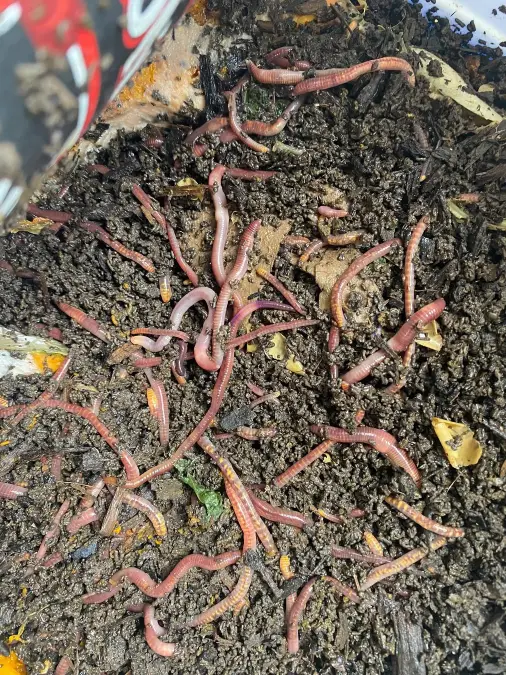
This process is called vermicomposting. Oregon State University Extension explains that red worms break down organic waste and produce castings that add nutrients and improve soil structure.
That makes worm castings different from many soluble plant foods.
A soluble fertilizer is mainly used to deliver nutrients. Worm castings provide some nutrients, but they also add organic material to the pot or garden bed.
That can help potting soil feel less hard and tired. It may also help the soil hold moisture while still allowing air to reach the roots.
This matters because roots need more than fertilizer.
They need:
- Air
- Moisture
- Suitable soil texture
- The right temperature
- Enough space
- Available nutrients
A plant cannot use fertilizer well when its roots are sitting in wet, airless soil. It also cannot grow well when the soil has become so dry and compacted that water runs around the root ball.
Worm castings can improve the root area while feeding the plant slowly.
That does not mean they fix every plant problem. They cannot cure root rot, remove pests, replace sunlight, or correct every nutrient shortage.
Think of them as a gentle soil builder with fertilizer value, rather than a strong rescue treatment.
Is Worm Compost Really Better Than Miracle Gro?
The answer depends on what your plant needs.
Miracle Gro Water Soluble All Purpose Plant Food is designed to feed plants quickly. The manufacturer says the product starts feeding immediately when mixed and applied as directed.
That can be useful when a healthy, actively growing plant needs a direct nutrient supply.
Worm castings work differently. Their nutrient content is usually lower and less exact. Nutrients become available over time as moisture and soil life act on the organic material.
Here is the practical difference.
| Feature | Worm castings | Water soluble Miracle Gro |
|---|---|---|
| Main benefit | Feeds gently and adds organic matter | Supplies nutrients quickly |
| Speed | Gradual | Fast |
| Nutrient amount | Varies by product and source | Listed on the product label |
| Effect on soil texture | Can improve it | Does not add organic matter |
| Risk when used correctly | Usually gentle, but excess is still possible | Can damage plants if mixed too strongly |
| Best use | Routine soil care and mild feeding | Fast, measured plant feeding |
| Main limit | May be too weak for hungry plants | Does not fix poor soil structure |
Miracle Gro is not automatically bad because it is soluble or manufactured. Plants absorb nutrients as chemical elements, regardless of the marketing words on the package.
The real questions are:
- Does the plant need those nutrients?
- Is the amount correct?
- Is the soil healthy?
- Is the plant actively growing?
- Can the roots absorb what you add?
A water soluble product may be the better choice for a fast growing container flower that needs regular feeding.
Worm castings may be better for a pothos growing in old potting soil or a raised bed that needs more organic material.
Some gardeners also use both. They add worm castings to support the soil, then apply a suitable liquid fertilizer when a heavy feeding plant needs more nutrition.
5 Benefits You May Notice After Using Worm Castings
Worm castings are not a magic powder. Still, they can solve several common problems when used correctly.
1. Tired Potting Soil Can Feel Better
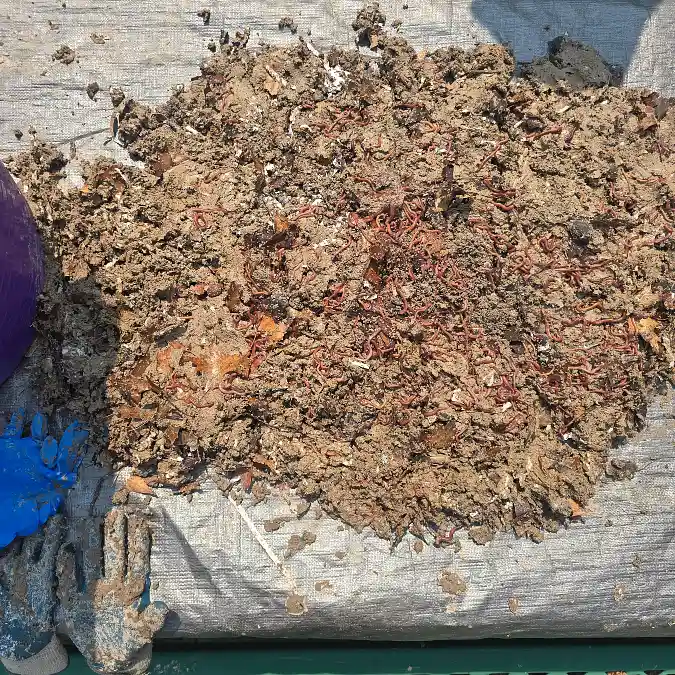
Old potting soil can shrink, harden, or pull away from the sides of a container.
A light layer of screened worm castings adds fine organic material to the surface. Mixing a small amount into fresh potting mix can also improve its texture.
This can be useful for tropical houseplants, herbs, and patio containers.
Worm castings should not replace the main potting mix. Using a pot full of pure castings could hold too much moisture and provide poor physical support.
Treat castings as an amendment.
2. Plants Receive a Gentle Nutrient Supply
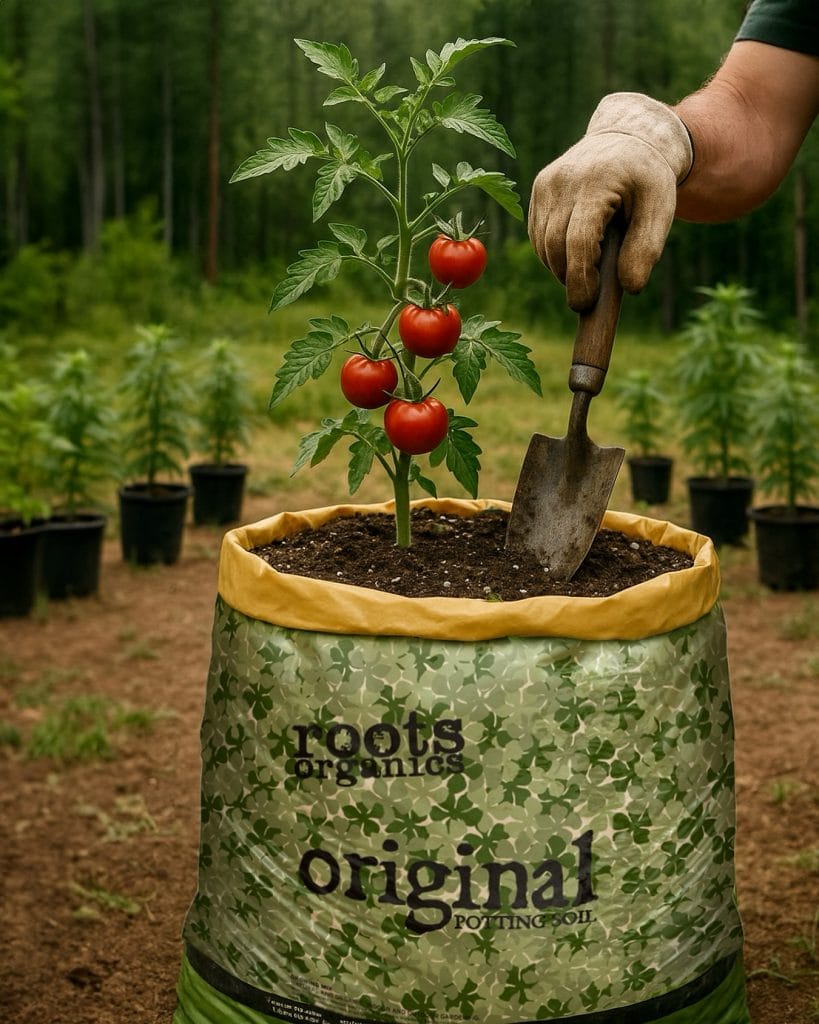
Worm castings usually contain plant nutrients, but the amount varies.
This makes them less exact than a labeled fertilizer. It also means they tend to provide a gentler feeding effect.
Gentle feeding can be helpful for houseplants that grow slowly indoors. The University of Minnesota Extension suggests applying fertilizer at reduced strength to indoor plants and feeding while they are actively growing.
Worm castings fit this cautious approach, though they are still not impossible to overuse.
3. The Root Area Gains Organic Matter
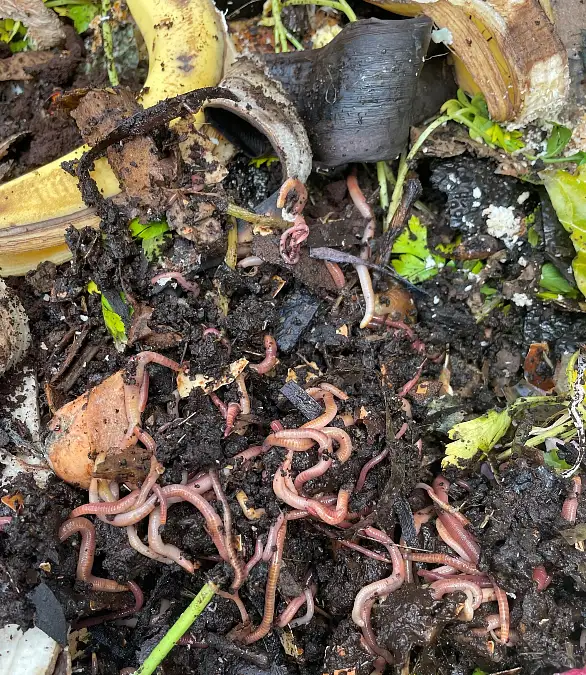
Organic matter helps create better conditions around roots.
It can improve water movement, moisture storage, and soil structure. These changes may help roots spread through the pot or garden bed more easily.
Oregon State University Extension describes worm castings as a material that adds nutrients and improves soil structure.
This benefit is one reason worm castings can be more useful than a quick liquid feed when soil quality is the main issue.
4. Kitchen Scraps Become Something Useful
A home worm bin can process small amounts of suitable kitchen waste.
Vegetable trimmings, fruit scraps, coffee grounds, crushed eggshells, and plain plant material can become vermicompost.
This reduces the amount of organic waste going into the bin.
It also gives you a supply of homemade natural fertilizer, though the process takes time and needs basic care.
5. Application Is Simple
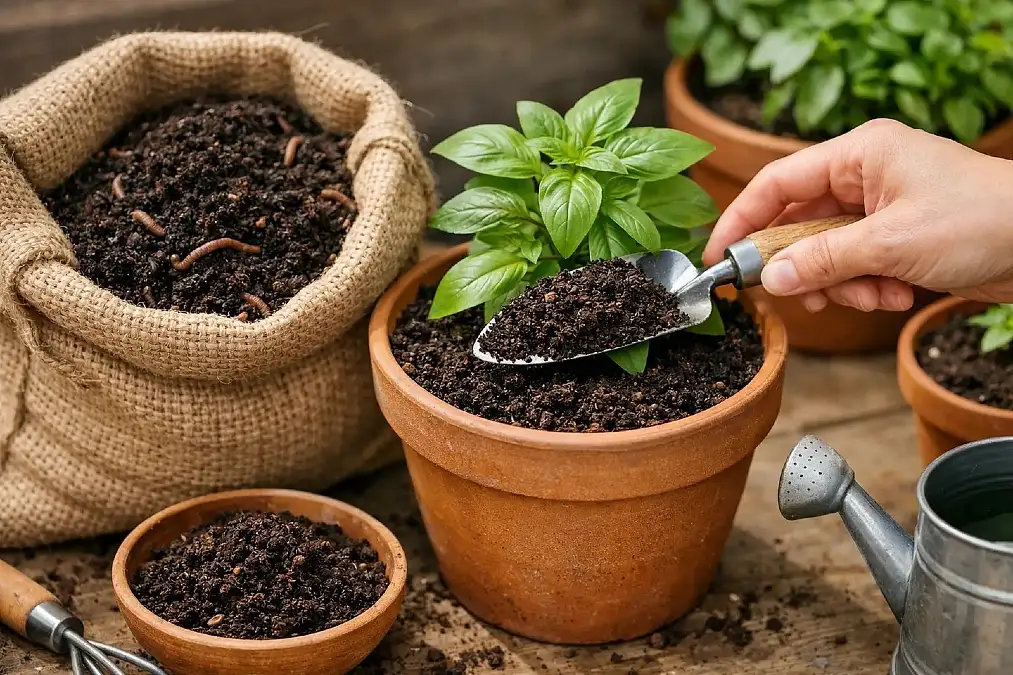
You do not need special spraying equipment.
Worm castings can be:
- Spread over potting soil
- Mixed into new potting mix
- Added near garden plants
- Worked lightly into raised beds
- Placed around established herbs and flowers
Oregon State University Extension lists worm castings as an option for container plants and advises applying them more than once during the growing season.
The right amount still depends on the plant, pot, soil, and product.
How Much Worm Castings Should You Use?
There is no perfect amount for every bag of castings.
The nutrient level varies with the material fed to the worms, how the product was processed, and how much moisture it contains.
Start with the directions on your product label. When no useful directions are given, use a light application first.
A Conservative Guide for Potted Plants
| Pot width | Starting amount | How to apply |
| Up to 10 centimetres | 1 to 2 teaspoons | Scatter over the soil and mix lightly |
| 12 to 15 centimetres | 1 to 2 tablespoons | Spread in a thin, even layer |
| 18 to 25 centimetres | 3 to 6 tablespoons | Mix into the top layer of soil |
| Over 25 centimetres | About one quarter cup | Spread around the root area, not the stem |
These are cautious starting amounts, not fixed scientific doses.
A commercial product may recommend more or less. Follow its label when the directions are clear.
For New Potting Mix
Use worm castings as a small part of the full mixture.
A simple mix could contain:
- 4 parts quality potting mix
- 1 part worm castings
For plants that prefer very sharp drainage, use less. Succulents and cacti should still receive a gritty, fast draining mix.
Do not fill an entire pot with worm castings.
For Raised Beds
Spread a thin layer over the soil and work it into the surface.
You can also place a small amount around established plants before watering.
Avoid forming a thick wet mound against stems. Moist organic material pressed against a stem can encourage decay.
For Large Garden Areas
Get a soil test before adding large amounts of any compost based material every year.
The University of Minnesota Extension warns that repeated compost use can raise phosphorus and potassium levels. It recommends regular soil testing because excessive phosphorus can build up and affect water quality.
Natural does not mean unlimited.
The 10 Minute Way to Feed a Potted Plant
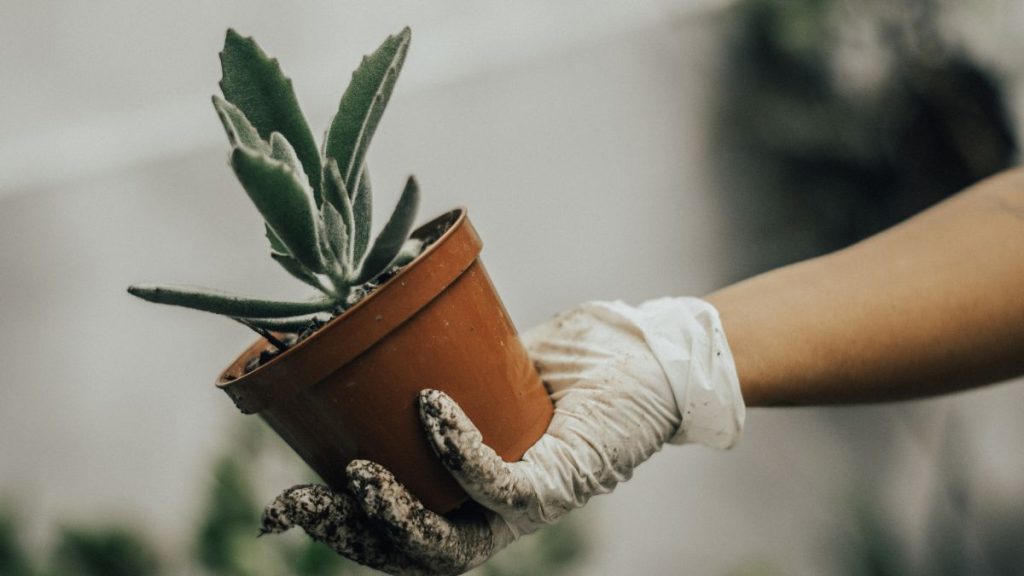
You can top dress one houseplant in a few minutes.
Step 1: Check the Plant First
Look for pests, soft stems, black roots, or soaking wet soil.
Do not add fertilizer to a plant with serious root rot. Fix the root problem first.
Step 2: Test the Soil Moisture
The soil should be slightly moist or ready for normal watering.
Avoid adding a large amount of dry material to a plant that is badly wilted. Give the plant plain water first if the root ball is very dry.
Step 3: Loosen the Surface
Use a fork or small tool to loosen the top centimetre of potting soil.
Work carefully. Do not tear large surface roots.
Step 4: Add a Thin Layer
Measure a small amount of worm castings and scatter it evenly.
Keep the material a few centimetres away from the main stem.
Step 5: Mix Lightly
Blend the castings into the top layer.
You do not need to dig deeply.
Step 6: Water Normally
Water until a small amount drains from the base of the pot.
Empty any water left in the saucer.
Step 7: Watch the New Growth
Old damaged leaves may stay damaged.
Judge the result by the leaves and stems that appear after treatment. Look for healthy colour, normal leaf size, and steady growth over the following weeks.
Do not add another dose after a few days because nothing dramatic happened.
Worm castings work slowly.
Which Plants Benefit Most From This Natural Fertilizer?
Worm castings can be used around many plants, but some are better candidates than others.
Tropical Houseplants
Pothos, philodendrons, monstera, peace lilies, and many common foliage plants can benefit from a light top dressing during active growth.
These plants often stay in the same potting mix for a long time. A small amount of worm castings can refresh the upper layer.
Do not feed a plant that has stopped growing because the room is cold or dark.
Herbs
Basil, parsley, mint, coriander, and chives can use nutrients during active growth.
Castings are helpful when herbs are grown in containers, where watering slowly removes available nutrients.
Mint spreads quickly, so it may need its own pot even when the soil is good.
Leafy Vegetables
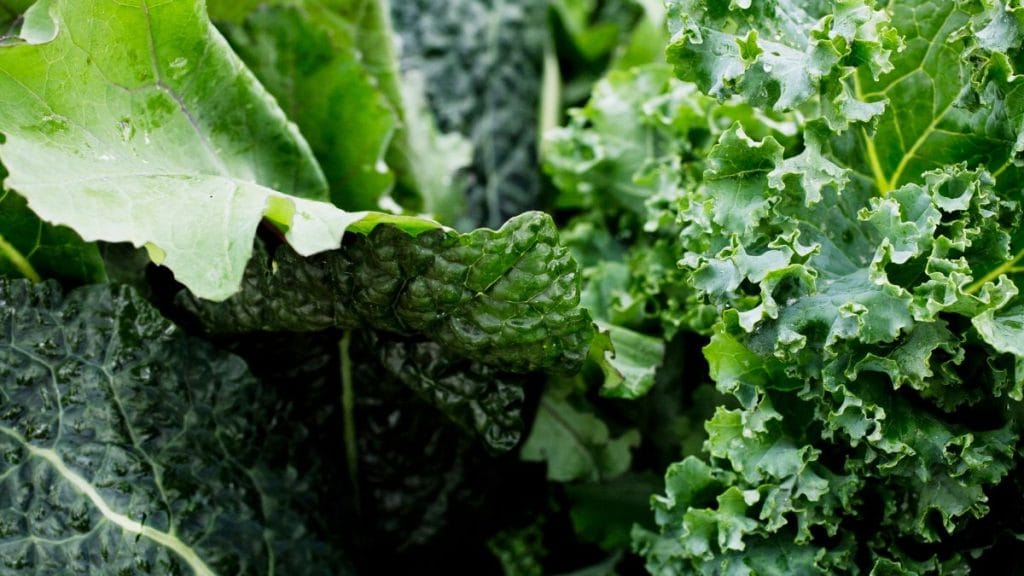
Lettuce, spinach, kale, and similar crops need nitrogen for leaf growth.
Worm castings may support them in rich garden soil. Growth may still be weak when the soil is very low in nitrogen.
Tomatoes and Peppers
Castings can improve the soil around tomato and pepper roots.
These plants can become heavy feeders once they are large and producing fruit. Worm castings alone may not supply enough nutrition through the full season.
Use plant growth and soil test results to guide further feeding.
Container Flowers
Petunias and other flowering annuals can use nutrients quickly.
The University of Minnesota Extension notes that some spreading petunias require frequent fertilizer applications.
Worm castings can support the potting mix, but a suitable flowering plant fertilizer may still be needed.
Plants With Special Soil Needs
Blueberries, some orchids, cacti, and carnivorous plants need more care.
Blueberries need acidic soil. Many orchids grow in bark rather than normal potting soil. Venus flytraps can be harmed by ordinary fertilizer and mineral rich compost.
Do not assume one natural fertilizer suits every plant.
A Quick Guide for Different Plants
| Plant type | Are worm castings useful? | Important caution |
| Pothos and philodendron | Yes, in small amounts | Do not feed during very slow winter growth |
| Basil and parsley | Often useful | Containers may need extra feeding later |
| Tomatoes | Useful as a soil amendment | May not meet full nutrient needs |
| Flowering annuals | Helpful, but often incomplete | Heavy bloomers may need measured fertilizer |
| Succulents | Use very lightly | Keep the mix fast draining |
| Orchids | Limited use | Follow care advice for the orchid type |
| Blueberries | Possible after checking soil | Protect the required acidic pH |
| Venus flytraps | Usually unsuitable | Use nutrient poor carnivorous plant media |