

Your plants are growing, but something still feels wrong.
The tomatoes have more leaves than fruit. The flowers look weak. One bed dries out in a day, while another stays wet and heavy. Each problem seems to lead back to another bottle, powder, spike, or bag of fertilizer.
That can get expensive. It can also make the problem worse.
The simple answer used by many experienced gardeners is finished compost. It is not a flashy product. It does not promise giant flowers in seven days. Yet it can improve the soil that every plant depends on.
Here is how to use this simple material without overdoing it.
The Simple Fertilizer Choice That Keeps Working
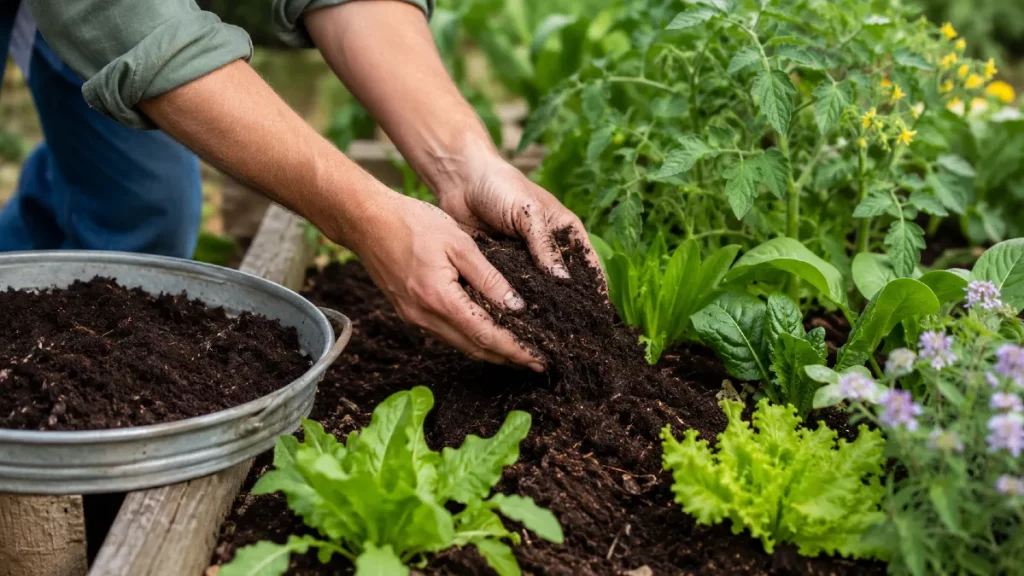
The best fertilizer for garden beds may not be a fertilizer in the usual sense.
It is finished compost.
Finished compost is dark, loose, and earthy. The original scraps, leaves, and grass should be hard to identify. It should smell like soil, not sour food or ammonia.
The United States Environmental Protection Agency describes compost as the stable material created when microorganisms break down organic materials in the presence of oxygen. The finished material can add nutrients and help build soil health.
That last part is why compost is so useful.
A fast plant food mainly supplies nutrients. Compost works on the place where roots live. It can improve how soil holds moisture, air, and nutrients.
Still, compost is not magic.
Its nutrient content can vary greatly. Compost made mainly from leaves may behave differently from composted manure. One batch may contain more nitrogen or phosphorus than another.
That is why the most useful gardening rule is not “Use compost and nothing else.”
A safer rule is this:
Use finished compost as your basic soil builder. Add other nutrients only when the soil or plants show a real need.
4 Reasons Compost Helps More Than a Quick Plant Feed
1. It adds organic matter to tired soil
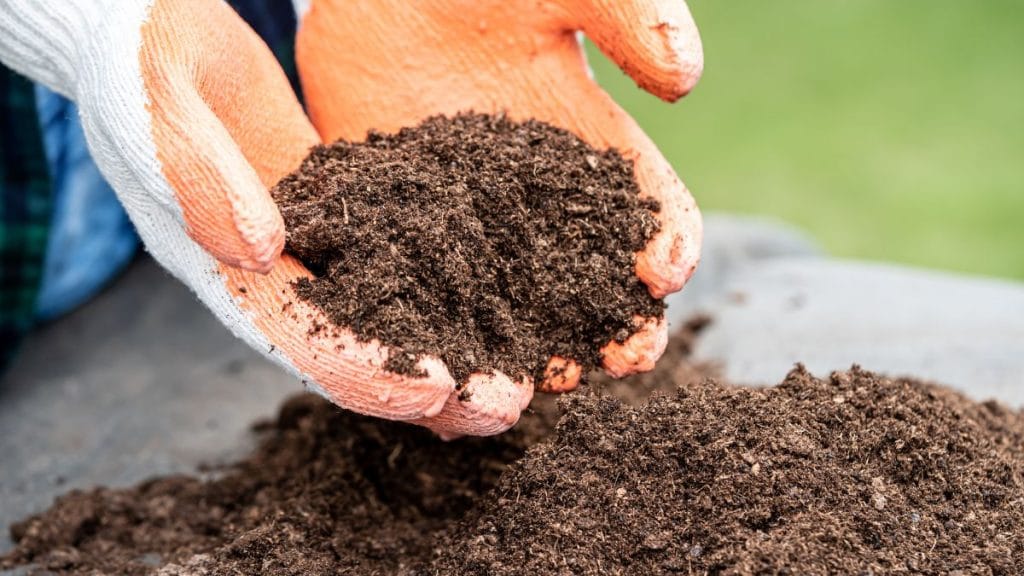
Garden soil loses organic matter as materials break down and crops are removed.
Finished compost helps replace some of it. Organic matter is important because it affects soil texture, moisture, nutrient storage, and biological activity.
Oregon State University Extension notes that adding organic matter can improve garden soils, including compacted soils.
This benefit lasts longer than the quick green growth caused by some soluble fertilizers.
2. It helps sandy soil hold water

Water drains quickly through sandy soil. Nutrients can move with it.
Compost fills some of the large spaces between soil particles. This helps the ground hold moisture for longer.
That does not mean sandy soil will never need water. It means the root area may dry more slowly after irrigation or rain.
3. It helps heavy soil feel easier to work
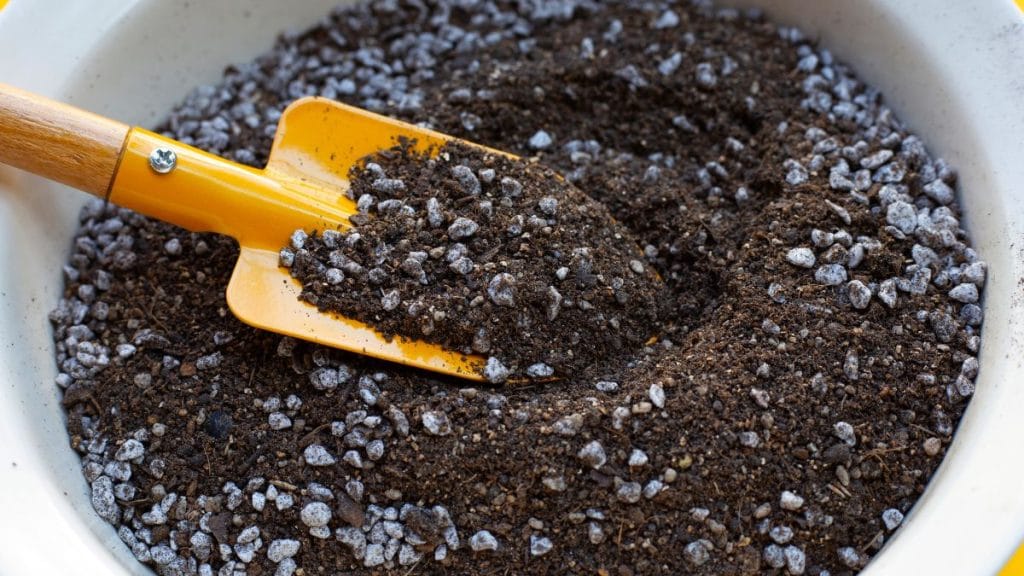
Clay soil can become dense and sticky when wet. It may turn hard when dry.
Organic matter helps create a more open soil structure. Water and air can move through the bed more easily.
Do not expect one compost application to fix heavy clay. Soil improvement usually comes from repeated, moderate additions over time.
4. It releases nutrients slowly
Compost may supply both major and minor plant nutrients. University of Minnesota Extension notes that organic matter can provide nutrients such as nitrogen as well as smaller amounts of micronutrients.
The release is usually slower than it is with a liquid feed.
That is useful for steady plant growth. It also means compost may not correct a serious shortage quickly enough. A tested fertilizer may still be needed when a crop has an urgent nutrient need.
How Much Compost Your Garden Actually Needs
More compost does not always produce better soil.
The right amount depends on whether the bed is new, established, or already high in organic matter.
Oregon State University Extension suggests adding about 3 to 4 inches of compost when preparing a new vegetable bed. For an established vegetable bed, it recommends a much smaller yearly layer of about one quarter inch to 1 inch.
University of Minnesota Extension gives another useful starting point. It suggests mixing 1 to 2 inches of compost into the top 6 to 8 inches of soil in flower and vegetable beds.
These numbers are guides, not commands. A soil test and compost analysis can provide a better answer.
| Garden area | Sensible starting amount | How to use it |
|---|---|---|
| New vegetable bed | 2 to 4 inches | Mix into the upper soil before planting |
| Established vegetable bed | One quarter inch to 1 inch | Spread yearly and mix lightly if needed |
| Annual flower bed | About 1 inch | Work into the surface before planting |
| Perennial border | One half inch to 1 inch | Spread around plants without covering crowns |
| Around shrubs | Thin surface layer | Keep it several inches away from stems |
| Container garden | Use as part of a potting mix | Do not fill a pot with pure compost |
A thick yearly layer can cause problems, especially when the compost contains manure.
Repeated heavy use may raise phosphorus, salts, or soil pH. University of Minnesota Extension warns that overuse of compost and manure can lead to excessive nutrient levels. It recommends soil testing as the first step when too much has been applied.
The 5 Step Method for Applying Compost
1. Check That the Compost Is Finished
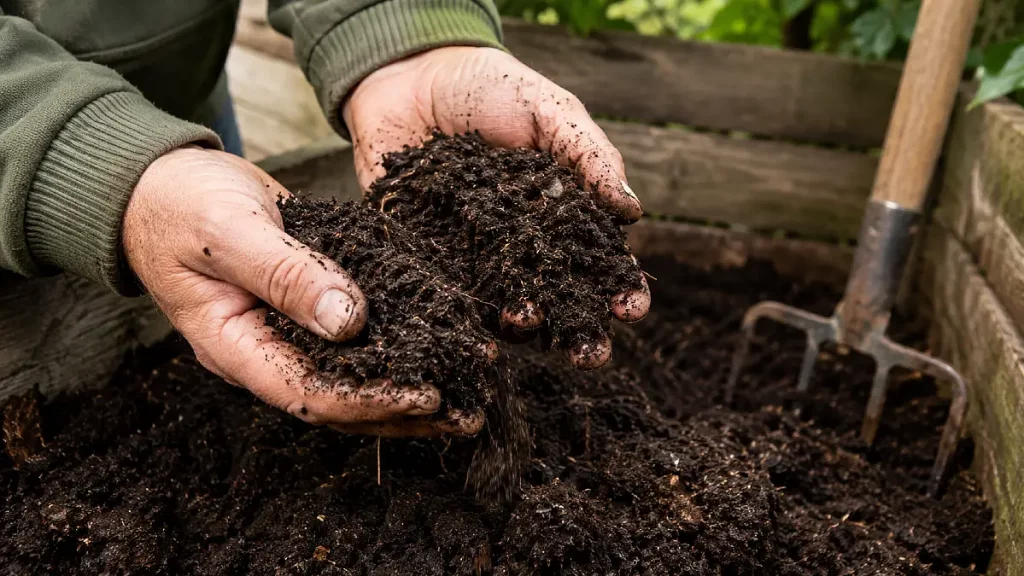
Look at it before spreading it.
Good finished compost should be crumbly and dark. It should not heat up again after being turned. Large pieces can be screened out and returned to the pile.
Do not place unfinished food scraps around growing plants. Active decomposition can create odors, attract pests, and temporarily compete with plants for available nitrogen.
2. Pull Weeds Before You Spread It
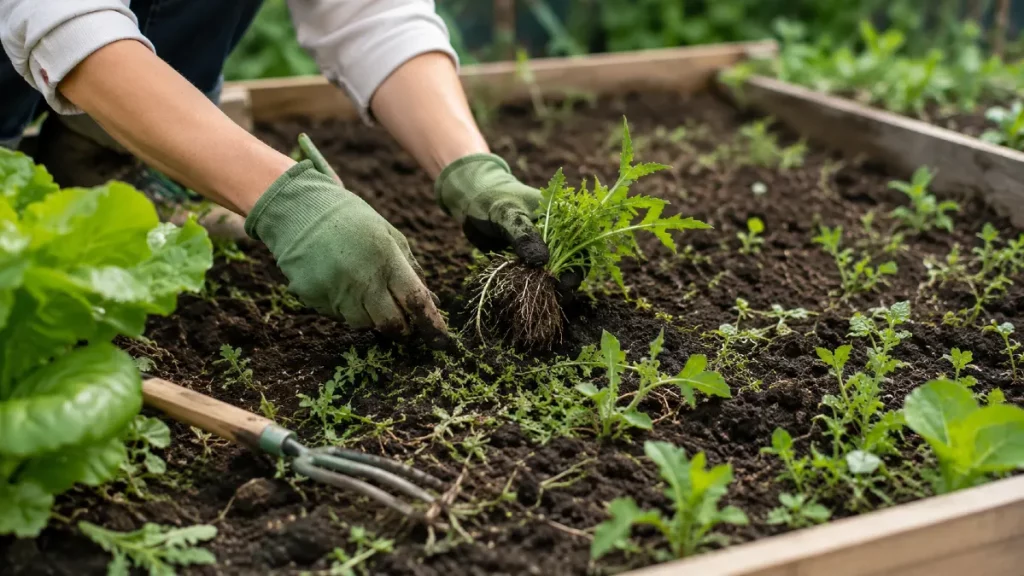
Remove large weeds and seed heads first.
Compost will not stop established weeds from pushing through. Removing them now saves work later.
Leave the soil slightly moist. Very wet soil can become compacted when walked on or dug.
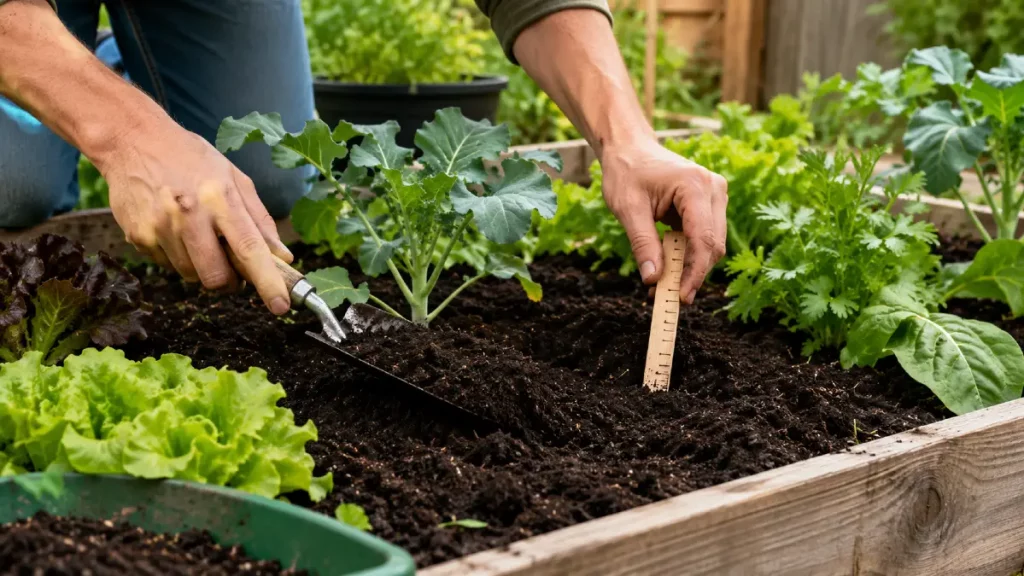
3. Measure the Layer
Use a ruler or your fingers to check the depth.
A thin layer often looks smaller than expected. Measuring prevents a light dusting in one area and a deep pile in another.
Spread the compost evenly across the open soil.
4. Mix It Only When Needed
Mix compost into the upper soil when creating a new bed or preparing an empty annual bed.
In an established perennial border, deep digging can damage roots. Spread compost over the surface and let worms, water, and normal soil activity move it downward.
Around shrubs, leave a clear space around each trunk or main stem.
5. Water the Area
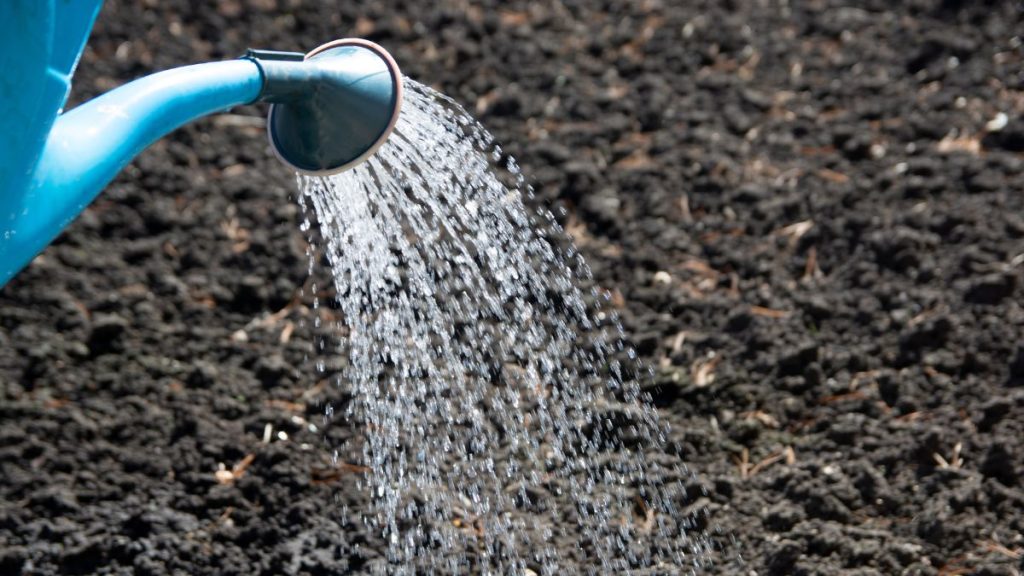
Water gently after applying dry compost.
This settles loose particles and begins moving soluble nutrients into the upper soil. It also stops light compost from blowing away.
Avoid soaking a bed that is already wet. Roots need air as well as moisture.
When Compost Is Not Enough for Your Plants
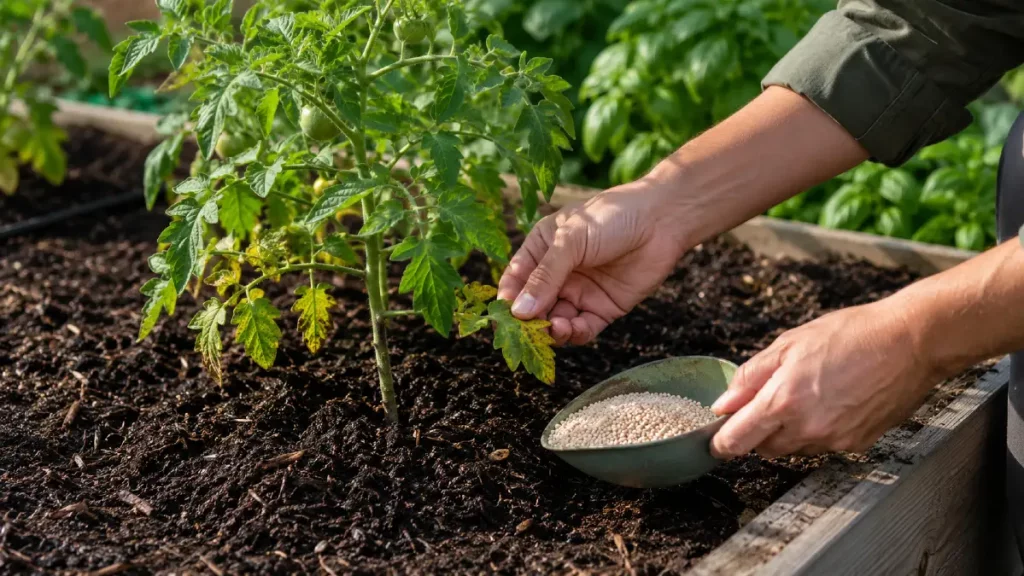
Compost can improve soil without meeting every plant’s full nutrient demand.
This is especially true for vegetables that grow quickly and produce a large crop. Sweet corn, cabbage, squash, and tomatoes may need more available nutrients than a light compost layer can provide.
The answer is not to add random fertilizer.
Start with a soil test.
University of Minnesota Extension says the fertilizer choice should be based mainly on soil test results. A standard test may report soil texture, organic matter, phosphorus, potassium, pH, and lime needs.
Extra fertilizer may be needed when:
- A soil test finds low phosphorus or potassium
- Fast growing crops need more available nitrogen
- Plants are growing in containers
- The soil has very little organic matter
- Heavy rain has caused nutrient loss
- The soil pH is blocking nutrient uptake
Soil pH deserves special attention.
Oregon State University Extension explains that pH affects how easily plants can take up nutrients. Plants may struggle even when fertilizer is present if the soil is too acidic or too alkaline.
Many vegetables grow well in mildly acidic soil. University of Georgia Extension gives a general range of pH 6.0 to 6.5 for most vegetable gardens. Individual plants may prefer a different range.
Container plants are different
A garden bed contains a large mass of soil. A pot holds a small and limited root area.
Water also moves through containers quickly. Nutrients can wash out through the drainage holes.
Use a proper potting mix rather than pure compost. Feed container plants according to the plant’s needs and the directions for the chosen fertilizer.