
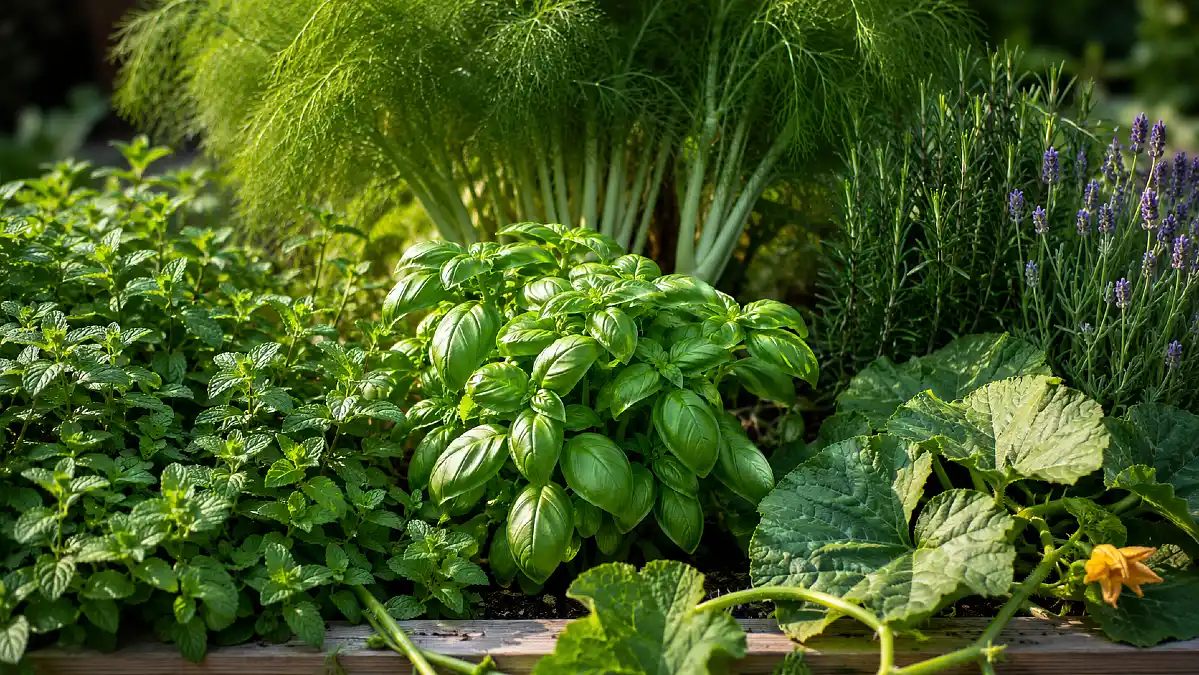
Your basil looked fresh and full when you brought it home. Now the leaves are small, the stems are thin, and the plant seems to struggle no matter how often you check it.
The problem may be growing beside it.
Some plants spread into basil’s root space. Others block the sun, trap moisture, or need a completely different watering routine. These conflicts can leave basil weak even when the soil is good.
This list of plants not to grow next to basil focuses on practical problems you can see and fix. It does not depend on garden folklore alone.
First, Know What Basil Needs to Grow Well
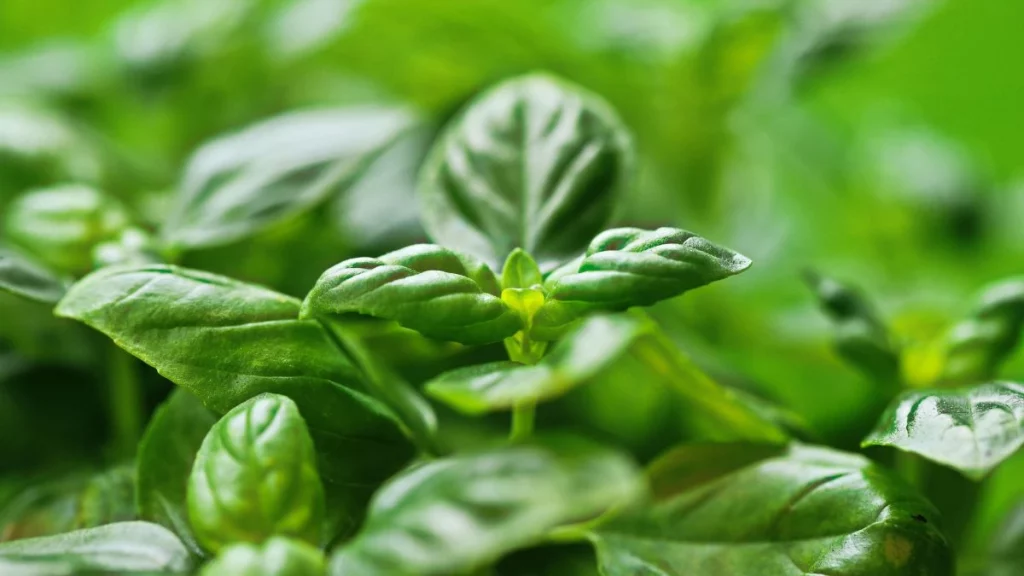
Basil is a warm weather herb that grows best in a sunny, open spot.
The University of Maryland Extension recommends giving basil at least six hours of direct summer sun. It also advises spacing plants about 12 inches apart, with 18 inches between rows.
Basil likes soil that stays moist but drains well. It does not enjoy sitting in water, but repeated drought can slow growth and cause tender leaves to wilt.
Airflow matters too.
Penn State Extension recommends leaving 12 to 18 inches between basil plants. That open space helps air move through the leaves.
Crowding becomes an even bigger problem during damp weather. University of Minnesota Extension explains that wider spacing helps basil leaves dry faster after rain, dew, or watering. This can lower the risk of basil downy mildew.
Keep these needs in mind as you plan the bed:
• Strong sunlight
• Warm soil
• Regular moisture
• Good drainage
• Open space around the leaves
A nearby plant becomes a bad companion when it takes one or more of these things away.
1. Mint Can Take Over Basil’s Root Space
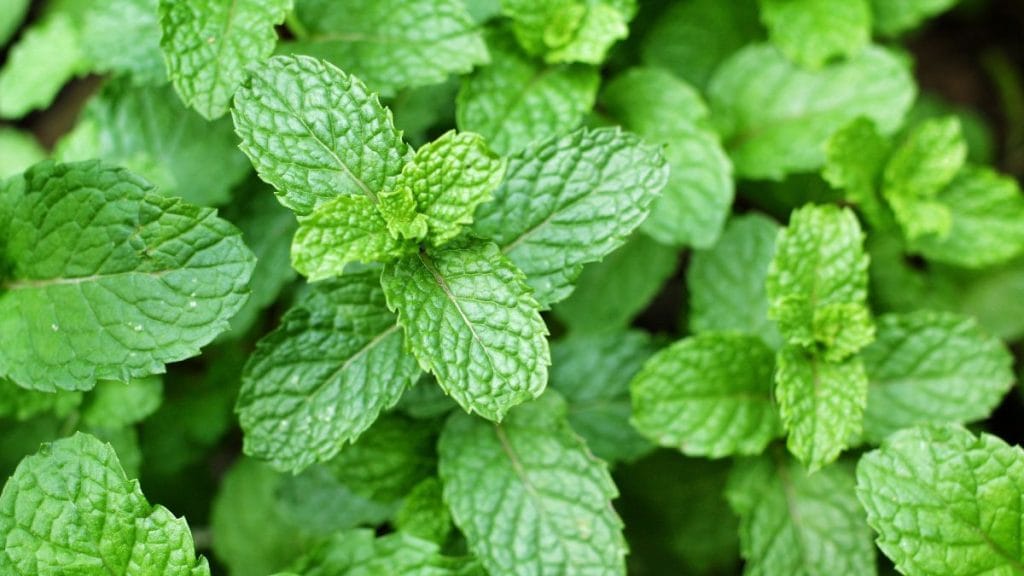
Mint is the plant most likely to cause a lasting problem in a small basil bed.
It spreads through underground stems. New shoots can appear several inches away from the original plant, then continue moving through loose soil.
This growth is easy to miss at first. You may see a few harmless mint stems one week and a dense patch a month later.
The University of Maryland Extension recommends growing mint in a container about 12 to 16 inches wide to prevent it from taking over a garden. It also suggests using a bottomless pot sunk into the soil, with the rim left above ground.
UC Statewide IPM gives similar advice and describes mint as a plant that can become very invasive.
Once mint reaches your basil, the two plants compete for:
• Root space
• Water
• Soil nutrients
• Light near ground level
The biggest problem is not that mint releases a proven basil killing chemical. The real danger is its speed and spreading habit.
What to do instead: Keep mint in a separate pot. Place the pot near your basil if you like the look, but do not let the mint roots enter the same bed.
2. Fennel Can Tower Over a Young Basil Plant
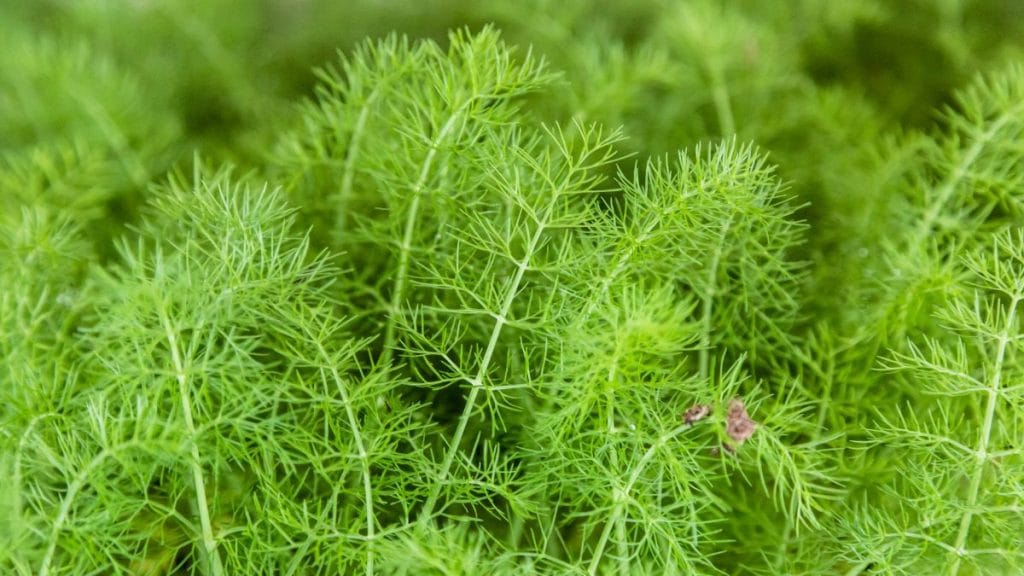
Fennel appears on many lists of bad companion plants. Some lists claim it harms every plant growing nearby.
That statement is too broad.
Research on many companion planting claims is still limited. UMass Extension warns that there are far fewer rigorous studies than popular charts and gardening books might suggest.
There is still a practical reason to keep fennel away from basil.
Fennel can become huge.
North Carolina Extension reports that common fennel may reach four to six feet tall. A mature plant can cast a wide shadow over basil, especially during the morning or late afternoon.
Fennel also produces a broad crown of fine leaves. If it leans over a short basil plant, it reduces light and makes harvesting harder.
Some types can self seed when flower heads are left in place. That may lead to extra plants appearing in a small garden.
Do not panic if the two plants are already close. Watch the light first. Move the fennel or basil if the basil receives less than six hours of direct sun.
3. Rosemary Needs Drier Soil Than Basil
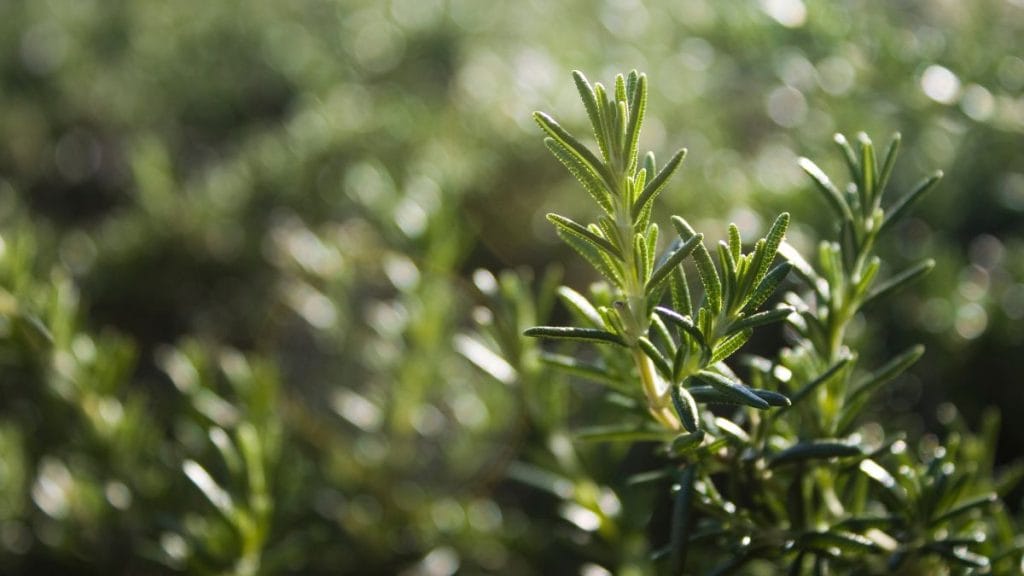
Rosemary and basil taste good in many of the same meals. That does not mean they want the same garden care.
Rosemary prefers loose soil with fast drainage. The University of Delaware Extension lists well drained soil as a key condition for healthy rosemary.
Basil needs more steady moisture.
This creates a simple watering problem.
Water often enough to keep basil lush, and the rosemary roots may remain wet for too long. Let the bed dry enough for rosemary, and the basil may wilt or stop producing large leaves.
The conflict is stronger in:
• Heavy clay soil
• Pots without large drainage holes
• Shaded beds that dry slowly
• Cool or rainy climates
The two herbs may survive together in very loose soil. Still, caring for them becomes harder because you must judge two different moisture needs in one small space.
What to do instead: Give rosemary its own pot or place it in a dry herb bed. Keep basil with plants that enjoy richer soil and more regular watering.
4. Sage Can Make Watering Basil Difficult
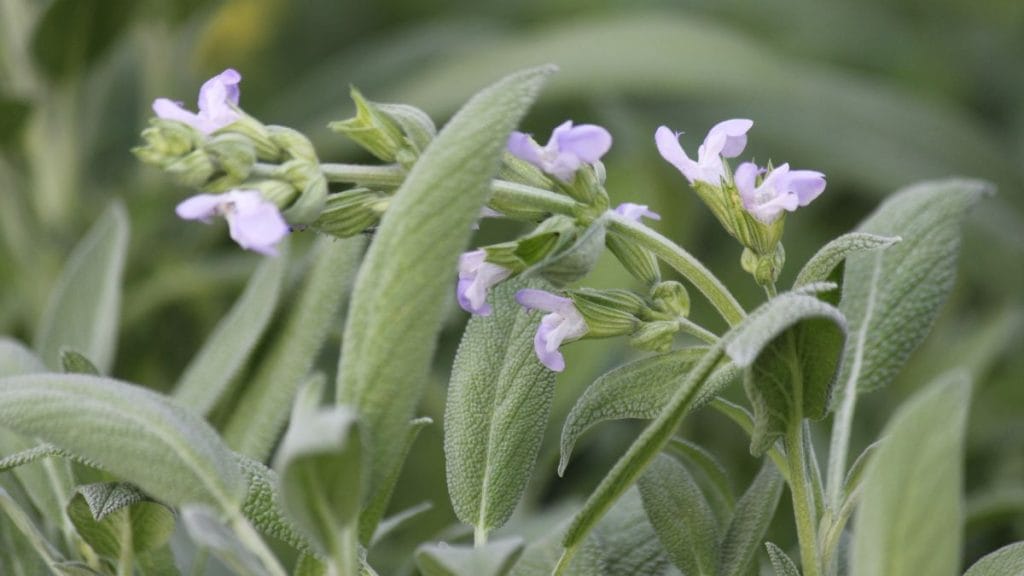
Sage creates much the same problem as rosemary.
Penn State Extension groups sage with Mediterranean herbs that grow well in dry, gravelly, well drained soil. Washington State University also notes that sage likes sunny areas with dry soil and good drainage.
Basil does not want to dry that much between every watering.
If you place the two herbs beside each other, you may end up choosing which plant receives the better care.
Frequent watering can leave sage roots sitting in damp soil. Limited watering can leave basil soft, wilted, and slow growing.
A mature sage plant may also become woody and wide. Its branches can press against basil leaves and reduce airflow.
What to do instead: Place sage in the drier edge of the herb garden. Keep at least enough space between the plants to water each root zone on its own.
In a container garden, use separate pots. You can still arrange the pots together for a full herb display.
5. Thyme Can Suffer in Basil’s Moist Soil
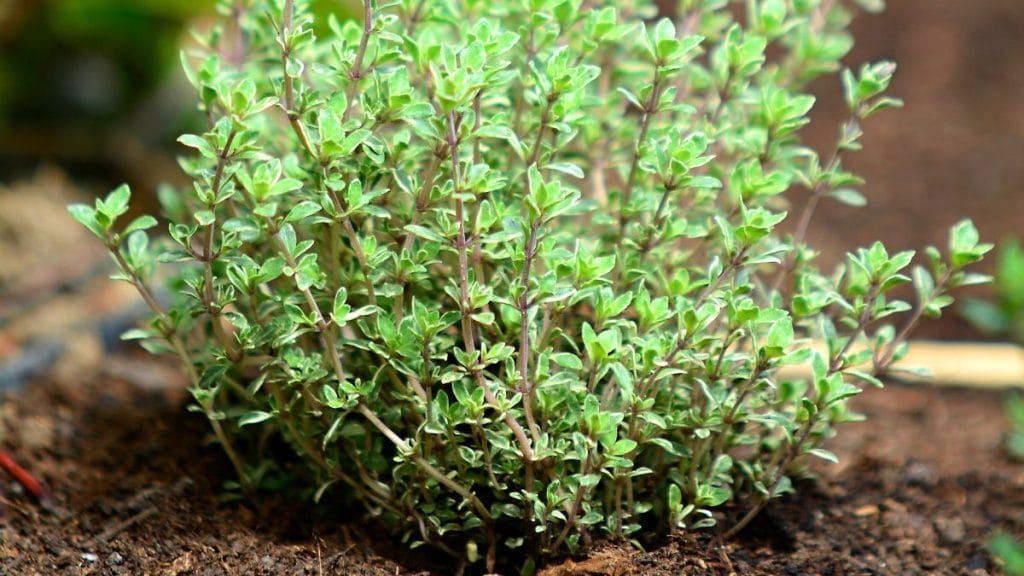
Thyme is small, so it may seem like an easy plant to tuck beneath basil.
The size is not the main issue. The soil is.
Thyme grows well in sunny places with excellent drainage. Penn State Extension includes it among herbs that prefer dry, gravelly soil.
Basil grows faster in soil that holds more moisture and organic matter.
When thyme and basil share a small pot, one of two things often happens:
- You water for the basil, and the thyme stays too wet.
- You water for the thyme, and the basil dries too much.
Thyme may work near basil in a large raised bed with very good drainage. You need enough room to create separate watering zones.
That is hard to do in a small container.
6. Lavender Prefers a Leaner and Drier Bed
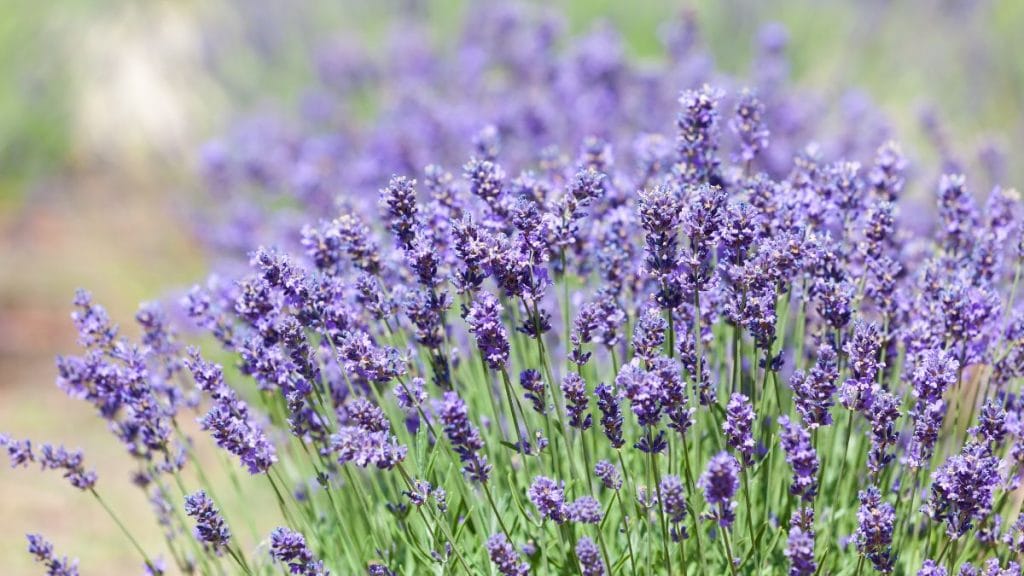
Lavender needs plenty of sun, just like basil. Their shared need for light makes them look like natural partners.
Their soil needs tell a different story.
Penn State Extension says lavender grows well in dry, gravelly soil with strong drainage. UMass Extension also recommends a sunny garden with warm, well drained soil.
Basil usually grows better in richer soil that receives regular moisture.
Planting them together may lead you to add compost and water for the basil. Those choices can make the root area less suitable for lavender.
Lavender can also become wide as it matures. A full plant may shade small basil seedlings or block air movement near the soil.
You can still place the two plants within view of each other. They simply should not share a tight root zone.
7. Cucumbers Can Smother Basil With Vines
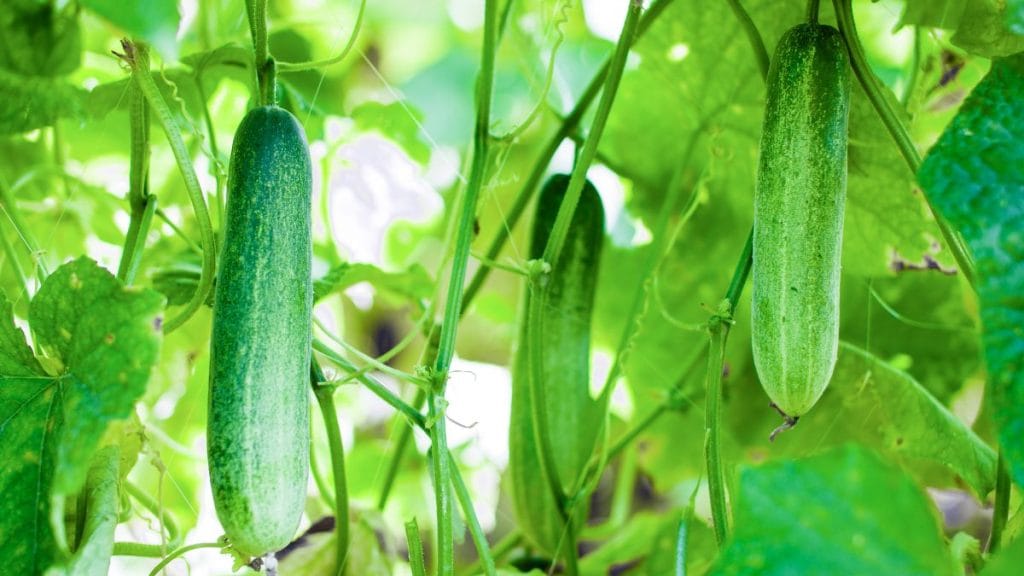
Basil and cucumber are sometimes listed as helpful companions. In a large garden, they can grow near each other without trouble.
Problems begin when space is tight.
Iowa State University Extension notes that cucumber vines can take up considerable space. Their long stems and large leaves may crawl directly over a short basil plant.
Once that happens, basil loses sunlight. The dense leaf cover may also slow drying after rain or watering.
Poor airflow is a serious concern for basil. Wet leaves and high humidity create better conditions for basil downy mildew. University of Wisconsin Extension recommends wide spacing and good airflow so basil dries quickly.
Cucumbers are less risky when trained upward.
What to do instead:
• Grow cucumber vines on a sturdy trellis
• Place basil on the sunny side of the trellis
• Guide loose vines away from the basil
• Leave a clear gap around the basil leaves
• Remove damaged or diseased leaves quickly
A compact bush cucumber may be easier to manage than a long vining type. Even then, check the plant each week before it reaches the basil.
8. Pumpkins Can Swallow a Small Herb Bed
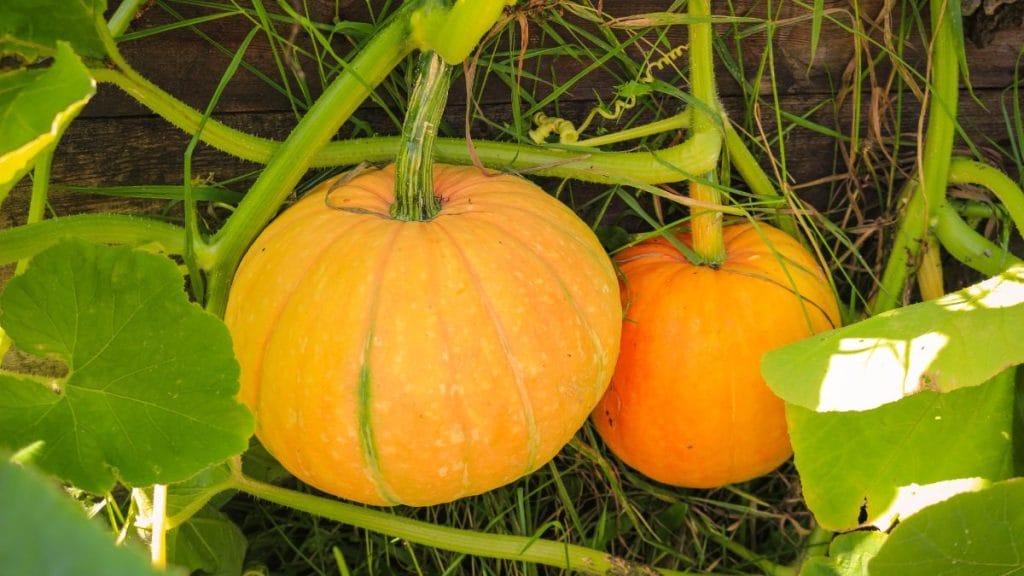
A pumpkin seedling starts small. That makes it easy to plant one near basil without seeing the future problem.
Then the vines begin to run.
Purdue Extension describes pumpkin and squash plants as sprawling vines with large leaves. The dense foliage can shade the ground beneath it.
A pumpkin vine can reach across paths, beds, and nearby herbs. Broad leaves may cover basil almost overnight during warm weather.
Pumpkin roots also grow close to the soil surface. University of Minnesota Extension warns against cultivating too deeply near these plants. This makes it harder to dig up or move basil later without disturbing the pumpkin roots.
The basil may face several problems:
• Heavy shade
• Reduced airflow
• Competition for water
• Blocked access for harvesting
• Damage when you move the vines
What to do instead: Give pumpkins their own wide area. Direct the vines away from your herb bed as soon as they start growing.
For a small garden, choose a compact squash variety and grow basil in a raised container nearby.
9. Corn Can Block the Sun Basil Needs
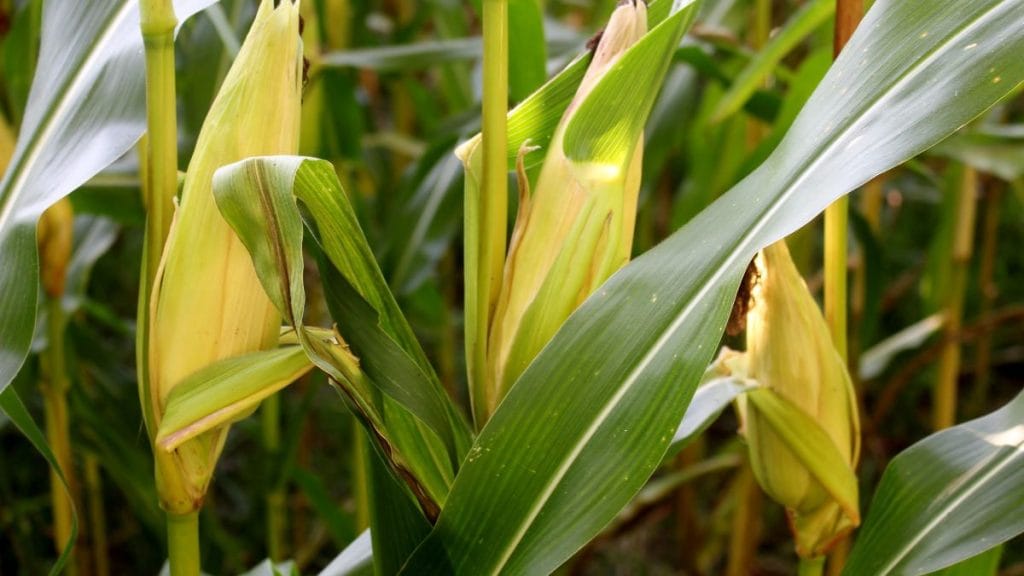
Corn does not need to touch basil to cause trouble.
It only needs to stand between the basil and the sun.
University of Florida IFAS Extension advises gardeners to consider the shadow that mature corn will cast over nearby plants.
North Carolina Extension recommends grouping tall crops such as corn and sunflowers on the north side of the garden so they do not shade shorter plants.
This guidance is most useful in the Northern Hemisphere. Sun angles and garden layouts vary, so watch your own space before planting.
Basil grown in heavy shade often becomes thin and stretched. Leaf production may slow because the plant cannot collect enough light.
Corn also has a large demand for water and soil nutrients. A dense block can create strong competition in a small bed.
Check the light at several times during the day. A spot that looks sunny at noon may be shaded for most of the morning.
A Simple Layout That Keeps Basil Productive
You do not need a complicated companion planting chart.
Start by grouping plants according to their real needs.
Place Basil in the Warm and Moist Zone
Choose an open area with at least six hours of direct sun.
Keep the soil moist but never soaked. Water near the base of the plant so the leaves stay as dry as possible.
University of Maryland Extension recommends about 12 inches between basil plants. Penn State Extension suggests 12 to 18 inches for good airflow.
Use the wider spacing in damp climates or beds with weak air movement.
Put Dry Soil Herbs Together
Rosemary, sage, thyme, and lavender can share a dry section with fast drainage.
This lets you water the area less often without leaving basil thirsty.
A gravelly raised bed or several clay pots can work well for these herbs.
Keep Mint Contained
Never depend on regular trimming to control mint roots.
Use a sturdy container. Check the drainage holes because mint stems may escape through openings and root in the soil below.
Do not place unwanted mint runners in loose compost unless they are fully dead.
Train Vines Away From Basil
Cucumbers should climb a trellis when the garden is small.
Pumpkin vines should be pointed into a wide path, lawn edge, or empty part of the bed. Move them while the stems are young and flexible.
Avoid piling vines around basil. The goal is to keep light and air moving through the herb patch.
Place Tall Plants Where Their Shadows Cause Less Harm
Corn and tall fennel should not stand directly south of basil in a typical Northern Hemisphere garden.
Use a sun tracking app or mark the shadows with small garden stakes. Check the spot in the morning, at midday, and in the late afternoon.
This simple check can prevent a full season of weak basil growth.
Can Any of These Plants Grow Near Basil?

Yes. “Never” is useful headline language, but gardens are rarely that simple.
A plant can grow near basil when you control the main conflict.
Rosemary may sit beside basil in a separate pot. Cucumbers may work on a trellis several feet away. Corn may cause no trouble when its shadow falls in another direction.
The key question is not whether two plant names appear together on a chart.