
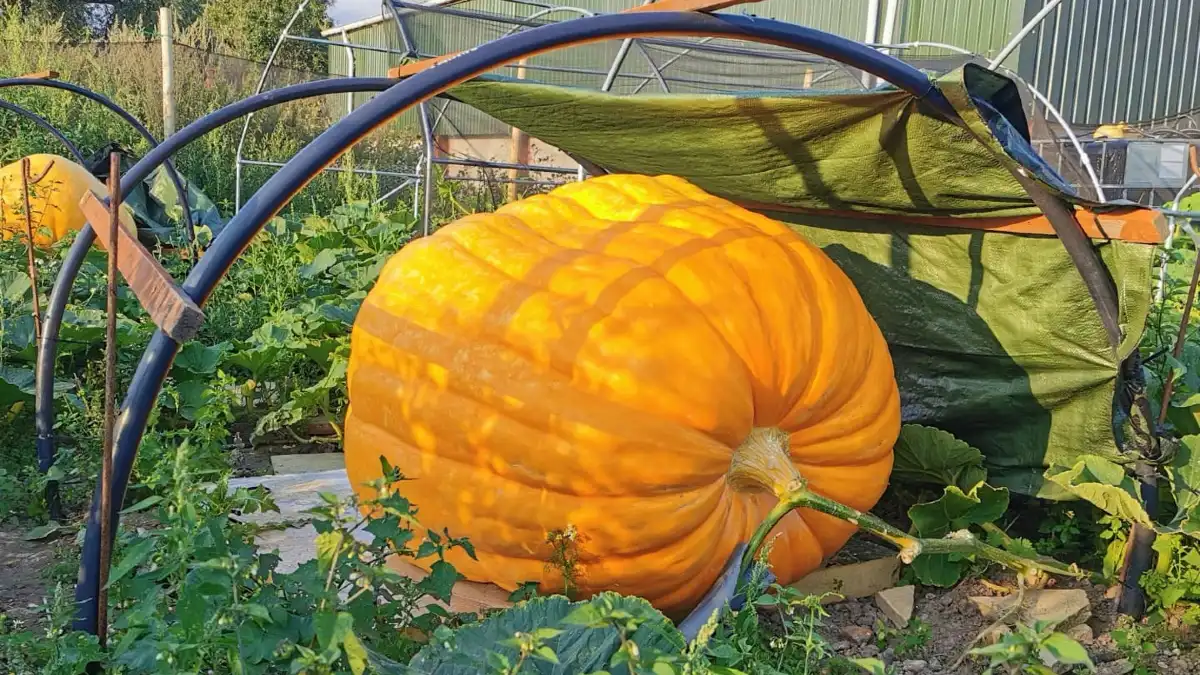
Imagine a fruit that gains 50 pounds every single day. That is the reality of the Atlantic Giant pumpkin variety. Standard gardening rules do not apply to these monsters.
If you treat this like a regular vegetable you will get a small fruit. You need to understand genetics and soil chemistry to target world records. This guide teaches you the exact steps for competitive results.
1. It All Starts With Genetics
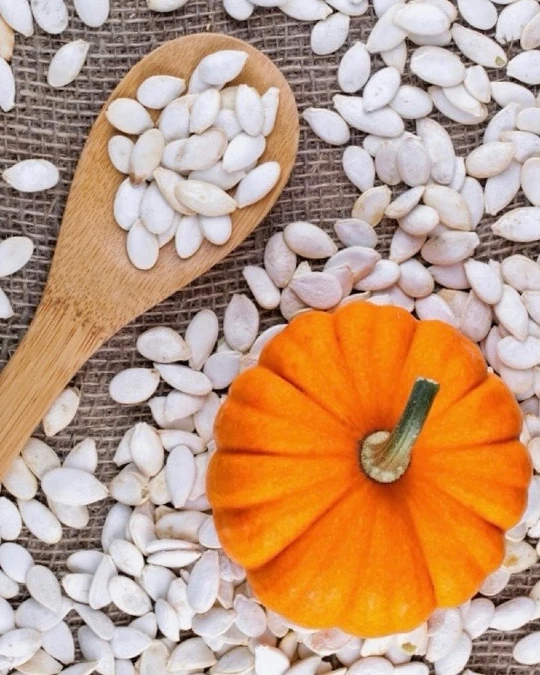
You cannot grow a record breaker with seeds from a local hardware store. Size is mostly genetics so you need the Dill’s Atlantic Giant lineage to get massive results.
These seeds come from serious growers or heavy hitter auctions where you can trace the family tree. You need to read the seed packet to see the mother and pollinator history.
- Look for Dill’s Atlantic Giant seeds
- Check the genetic family tree on the packet
- Buy from reputable grower auctions
- Avoid generic store packets
Sourcing the Giant
-
Dill’s Atlantic Giant
Look for certified Atlantic Giant seeds—the undisputed genetic gold standard for competitive size.
-
Analyze Lineage
Check the genetic family tree on the packet to ensure heavy parents (over 2,000 lbs).
-
Grower Auctions
Buy from reputable grower auctions (like GPC or BigPumpkin.com) for elite, proven seeds.
-
!
Avoid Generic Packets
Skip standard store packets; they lack the selective breeding required for giant results.
2. Extreme Soil Prep
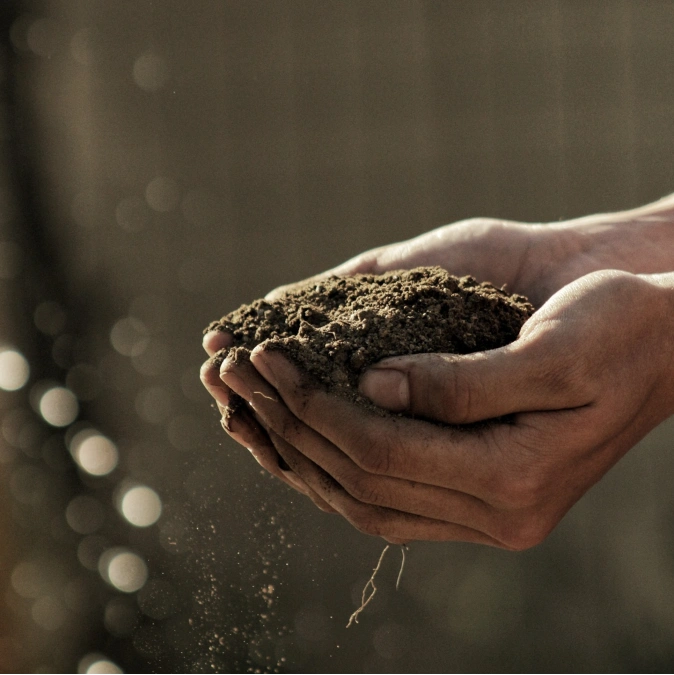
Your pumpkin eats more food than a growing teenager. You must test your soil because guessing will lead to failure. You need high organic matter to hold moisture and the right pH balance or the plant cannot eat. You also need to give each plant a massive amount of space to spread its roots.
- Aim for a pH range of 6.5 to 7.0
- Allow 1000 square feet per plant
- Add Mycorrhizal fungi to roots
- Test for cation exchange capacity
3. The Christmas Tree Pruning Method
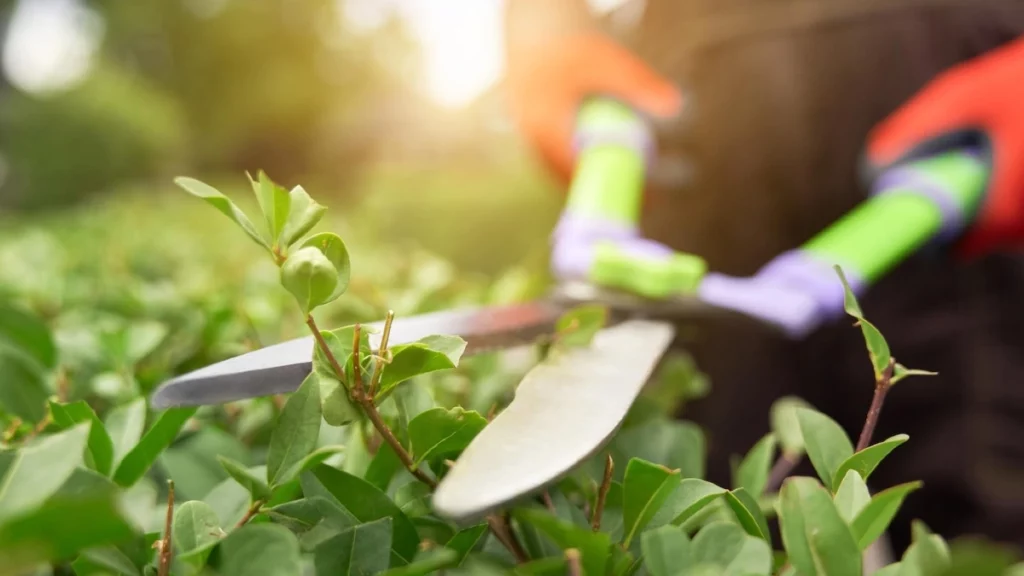
Chaos is the enemy of size so you must prune for airflow. Think of your plant shape like a Christmas tree with a main trunk and side branches.
You want the plant to focus all energy on the main vine and not waste it on extra leaves. You must also bury the vines with soil to grow secondary roots.
- Train the main vine to run straight
- Grow secondary vines out to the sides
- Cut off all tertiary sucker vines
- Bury vines at every leaf node
The Vine Architect
-
Straight Main Vine
Train the main vine to run perfectly straight to ensure maximum nutrient transport efficiency.
-
Secondary Branching
Grow secondary vines perpendicular to the sides to maximize the solar collection area.
-
✂
Tertiary Removal
Prune all tertiary sucker vines immediately to prevent wasted energy on non-productive growth.
-
Node Burying
Bury vines at every leaf node to trigger secondary root development for extra nutrient uptake.
4. Hand Pollination and Fruit Selection
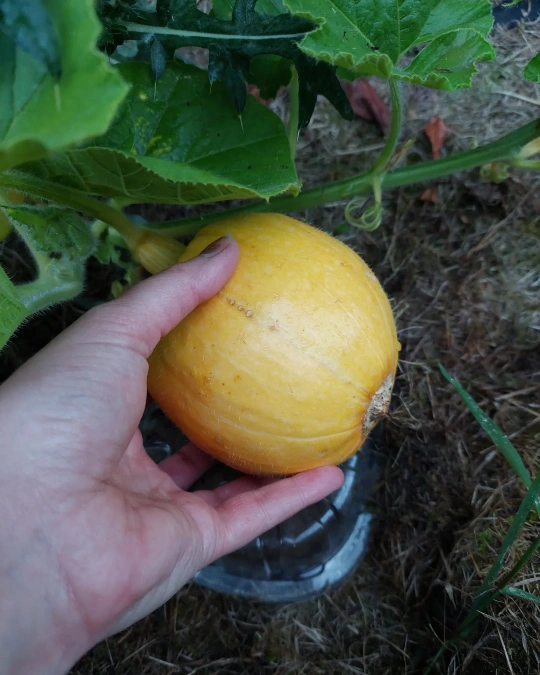
You cannot trust bees because they bring random genetics to your flower. You need to handle the pollination yourself to ensure the right cross.
You must identify the female and male flowers and mix them by hand early in the morning. Once you have fruit set you must make the hard choice to keep only one.
- Pollinate between 6 AM and 9 AM
- Rub male pollen onto female flowers
- Cover the flower to stop bees
- Keep only one fruit per plant
5. Feeding the Beast
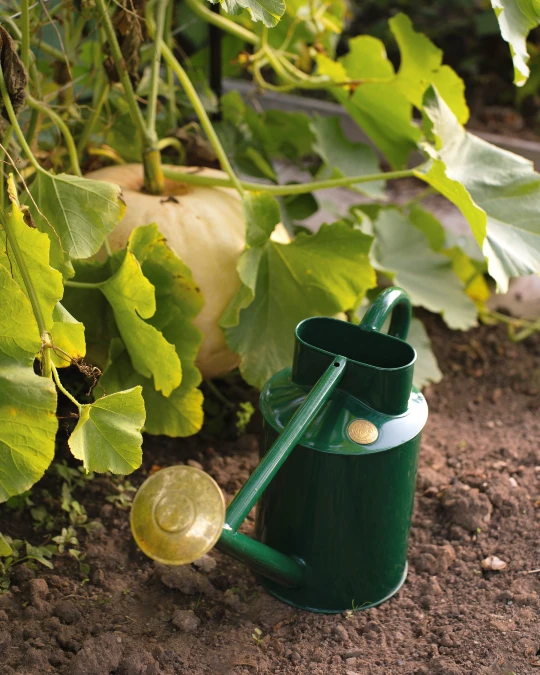
This is the peak growth phase where the fruit demands huge resources. Your fertilizer schedule changes by the month to match what the plant needs.
You start with leaf growth and move toward fruit bulk while providing massive amounts of water. If you do this right the pumpkin can gain dozens of pounds a day.
- Provide up to 100 gallons of water daily
- Use high Nitrogen in June
- Switch to high Potassium in August
- Monitor daily weight gains
The Heavyweight Program
-
Hyper-Hydration
Provide up to 100 gallons of water daily during peak growth to support rapid tissue expansion.
-
June: Nitrogen Surge
Use high Nitrogen fertilizers in June to build the massive “solar panel” leaf canopy needed.
-
August: Potassium Shift
Switch to high Potassium in August to harden the shell and drive weight into the fruit.
-
Performance Tracking
Monitor daily weight gains using OTT (Over-The-Top) measurements to adjust feed in real-time.
Conclusion
Growing a giant takes a mix of science and labor. It is a combination of genetics and soil preparation. Ready to show off your work?
Join the Great Pumpkin Commonwealth to find a local weigh off site. This is how to grow huge pumpkins properly. Good luck in the patch.