
Soil at the feet of your majestic sunflowers isn’t just wasted space; it’s a design challenge crying out for a solution. These sun-worshipping giants cast long shadows and draw heavily on soil nutrients, creating a tough neighborhood for many would-be neighbors.
Filling this void is not about simply plugging in any plant that fits. The secret to a truly breathtaking garden lies in strategic partnerships. The right companions do more than just survive they create a living mulch, attract beneficial insects, and weave a multi-layered tapestry of texture and color that supports your golden behemoths.
This guide unveils the plants that don’t just tolerate the sunflower’s shadow but actively flourish within it, turning a sparse patch into a dynamic, cooperative ecosystem.
1. Marigolds
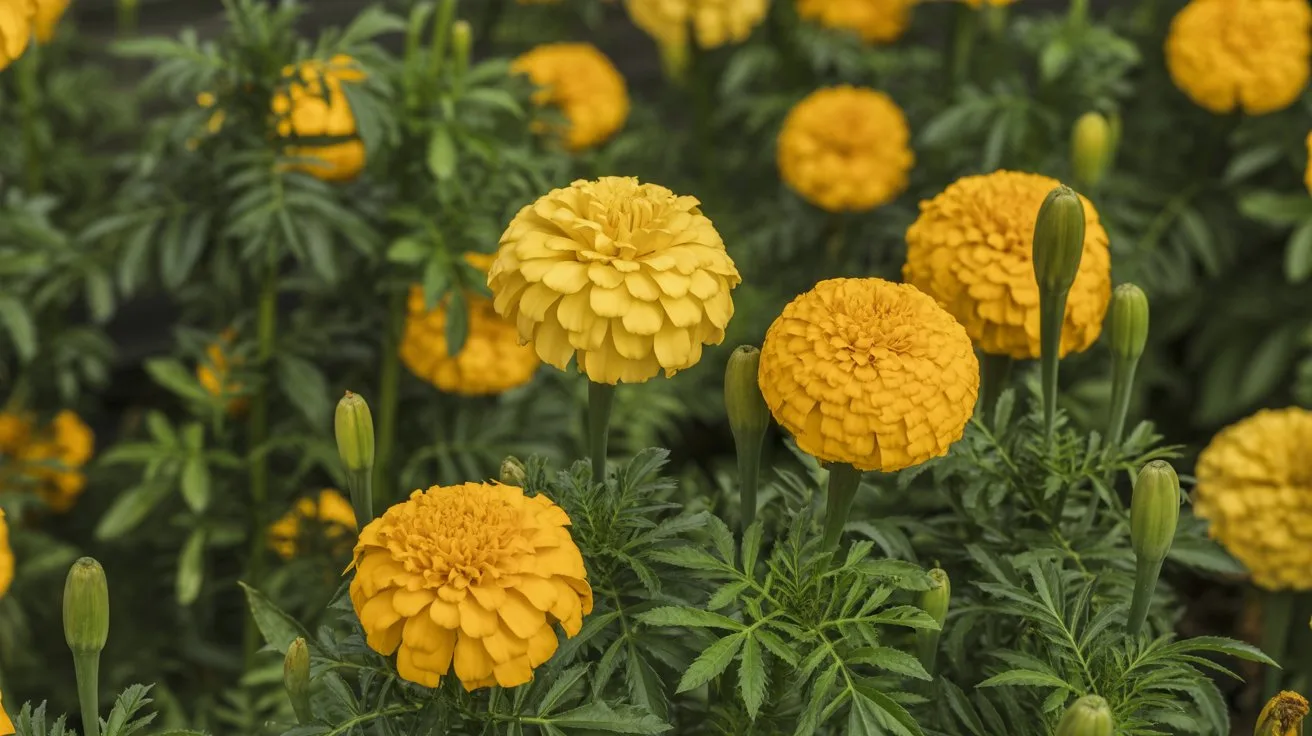
Marigolds nestled among rich green foliage, offering a beautiful contrast. These compact, prolific bloomers share the same love for sun and warm weather as towering sunflowers.
Gardeners often plant marigolds with other vegetables and flowers because of their purported pest-repelling qualities. Their strong scent, though pleasant to people, helps deter many common garden insects, making them excellent protective companions.
Adding these cheerful flowers to your sunflower patch not only brings a burst of color but also contributes to a healthier, more balanced garden ecosystem.
2. Zinnia
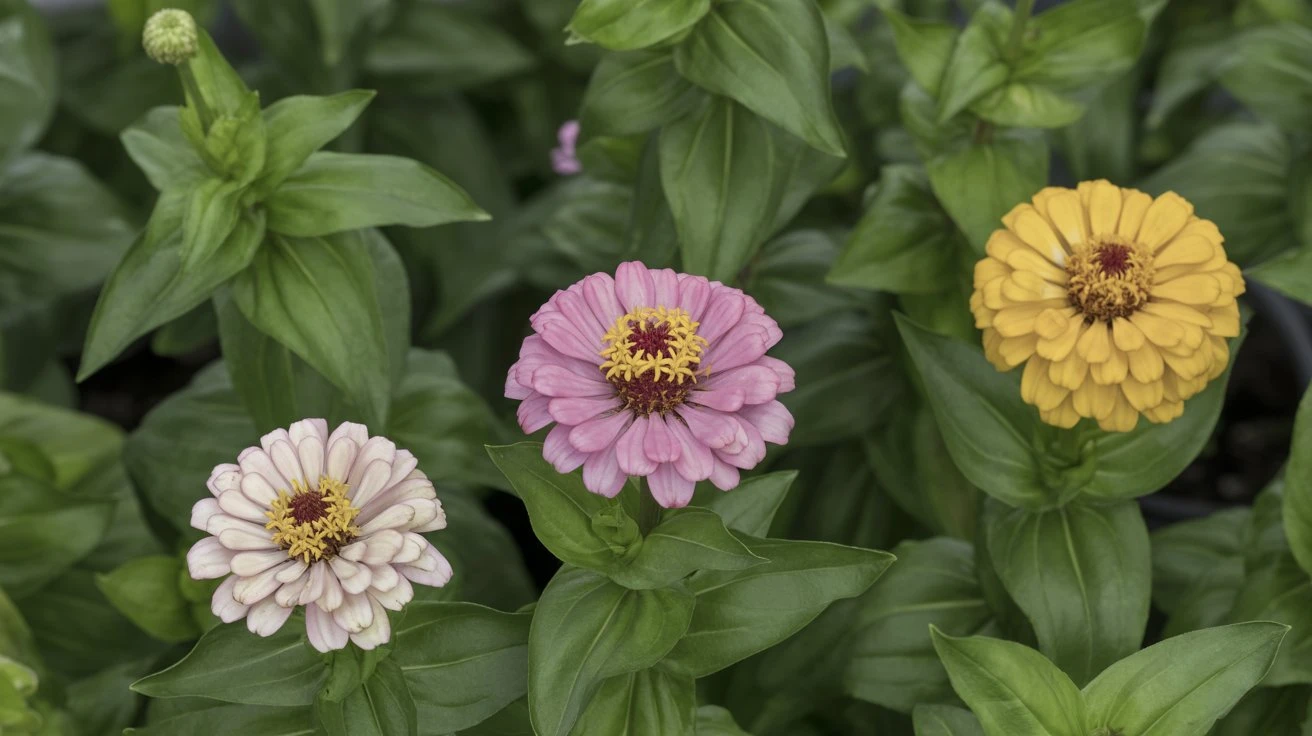
Zinnia blooms, their cheerful petals ranging from soft cream to rosy pink and sunny yellow, all boasting a contrasting golden center. Zinnias are an excellent choice for companion planting with sunflowers because they share similar sun and soil preferences.
These robust annuals attract a host of beneficial pollinators, including bees and butterflies, which can also aid in the pollination of your sunflowers. Their upright growth habit and varying heights mean they can fill in the spaces around taller sunflowers, creating a lush, multi-layered garden display.
Zinnias are known for their continuous blooming throughout the summer, ensuring a long season of color and activity in your garden.
3. Basil
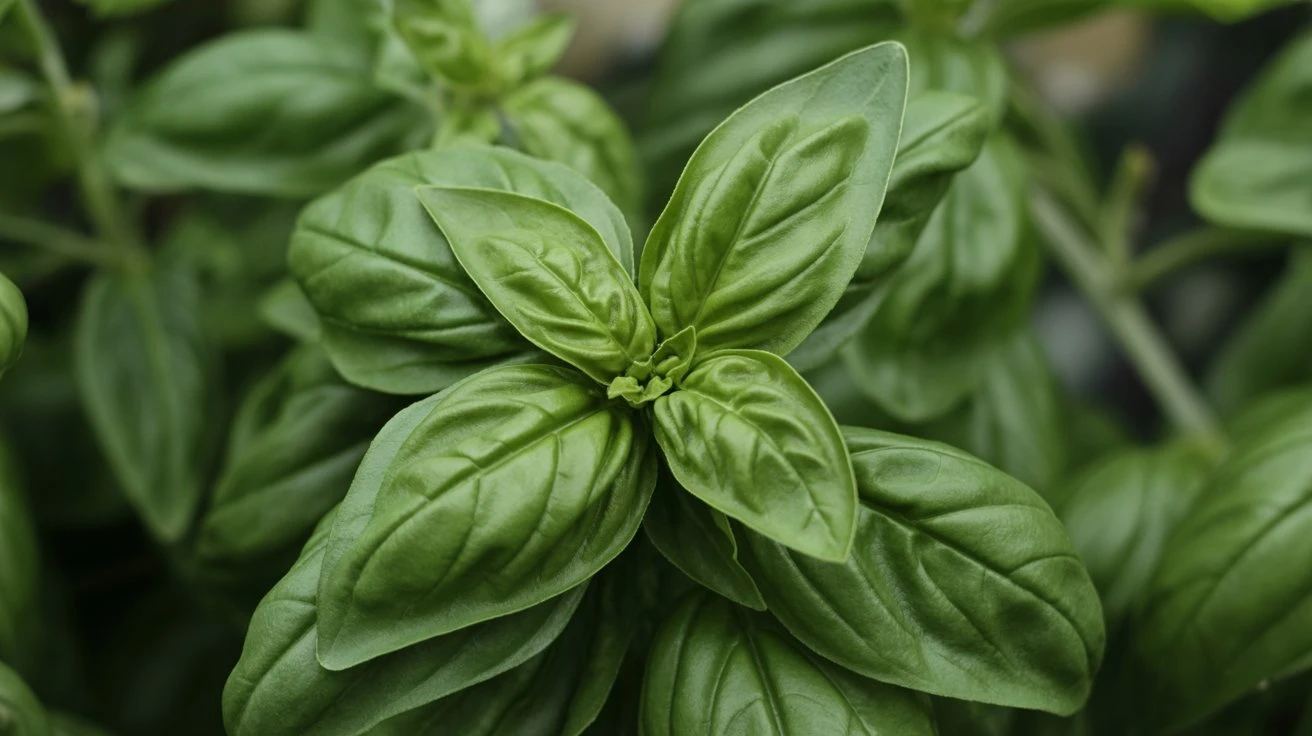
Lush, vibrant green leaves of a basil plant, showing its characteristic veining and slightly crinkled texture. Basil, a beloved herb, serves as a wonderful companion plant for sunflowers, bringing both practical benefits and aromatic appeal to your garden.
Its strong fragrance is known to deter common garden pests, including aphids and tomato hornworms, which can sometimes bother sunflowers. Basil prefers similar growing conditions to sunflowers, enjoying plenty of sunshine and well-drained soil, making them compatible neighbors.
Planting basil at the base of your sunflowers helps keep the soil cool and moist, a benefit especially during hot summer days. This herb not only supports the health of your sunflowers but also provides a delicious harvest for your kitchen.
4. Wild Beans
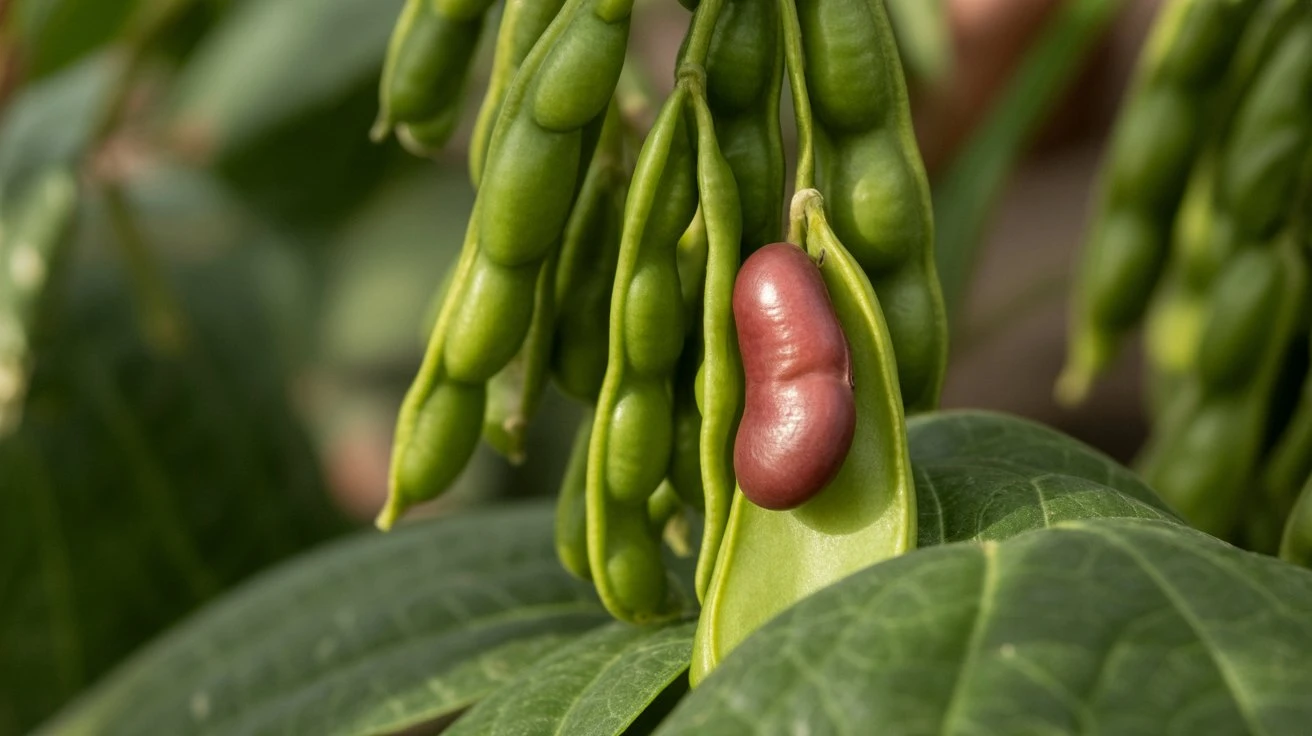
Red bean peeking out of a green pod, surrounded by other plump green bean pods and lush foliage. Beans, especially pole beans, are renowned for their symbiotic relationship with sunflowers, making them excellent companion plants.
These legumes are natural nitrogen fixers, meaning they take nitrogen from the air and convert it into a usable form in the soil. Sunflowers, being heavy feeders, greatly benefit from this added nitrogen, which promotes strong stem growth and abundant blooms.
The tall, sturdy stalks of sunflowers provide a natural trellis for climbing bean varieties, allowing the beans to grow upwards and maximize garden space. This pairing creates a mutually beneficial environment where both plants thrive, enhancing overall garden productivity and health.
5. Common Daisy
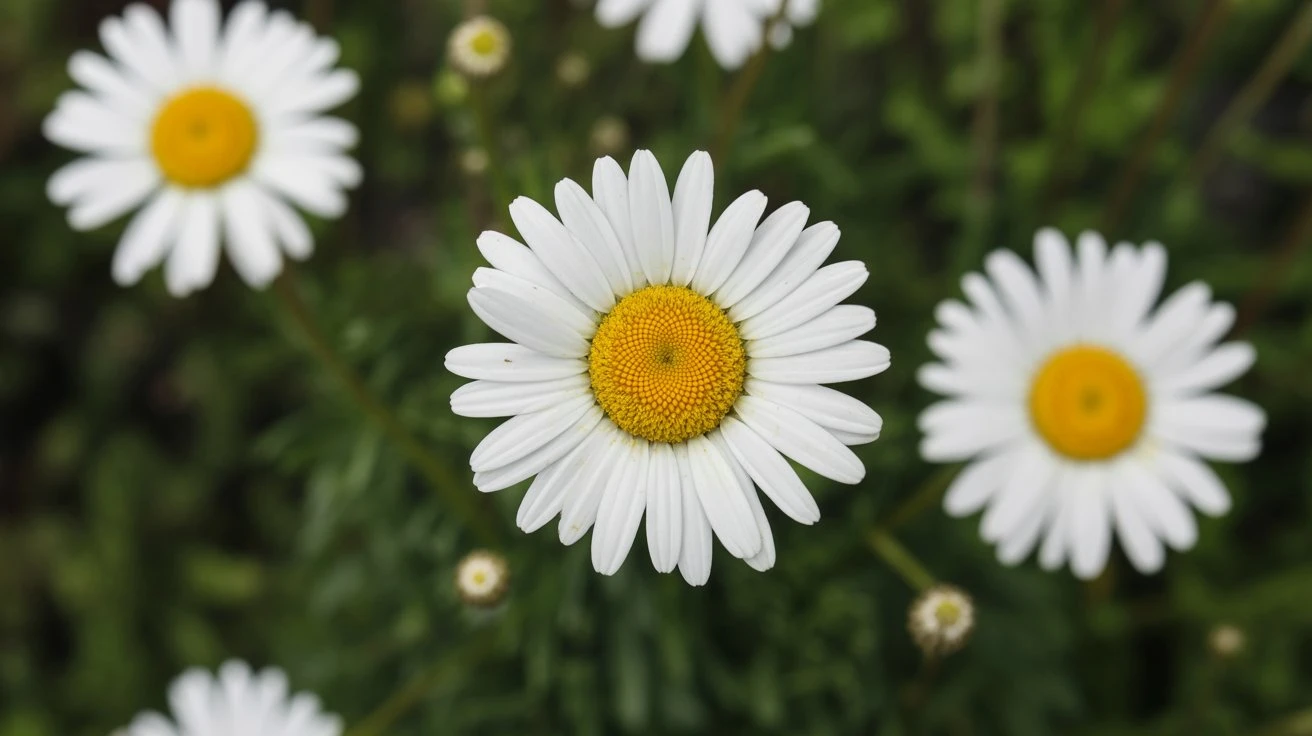
Features a charming close-up of a white daisy-like flower with a bright yellow center, likely chamomile, surrounded by other similar blooms and soft green foliage. Chamomile is a beneficial companion plant for sunflowers, known for its gentle nurturing properties.
It is often considered a “nurse plant” in the garden, believed to improve the growth and flavor of nearby plants. Chamomile’s delicate flowers attract beneficial insects such as hoverflies and parasitic wasps, which prey on common garden pests that might otherwise bother your sunflowers.
Its low-growing habit helps to suppress weeds around the base of the taller sunflowers, reducing competition for nutrients and water. Furthermore, chamomile’s pleasing aroma adds another sensory layer to your garden, creating a serene and healthy environment for all its inhabitants.
6. Nasturtiums
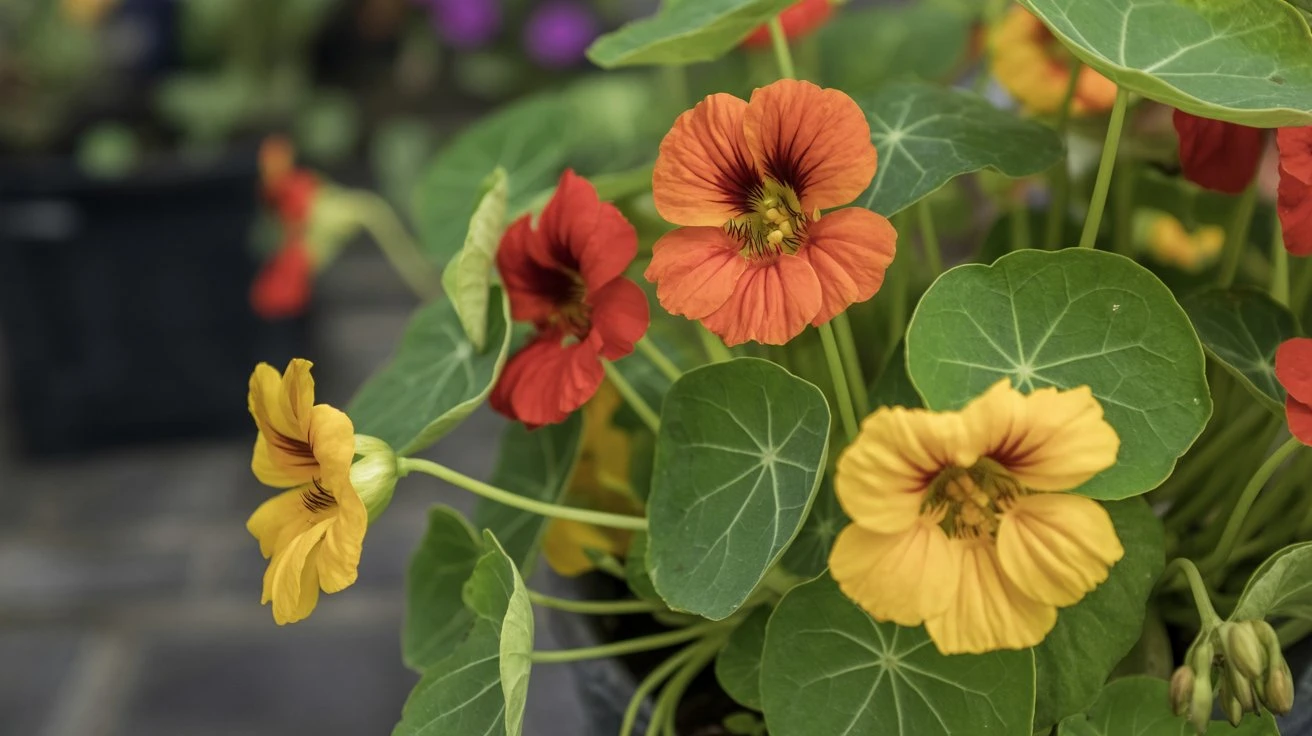
Striking beauty of nasturtiums, showcasing their velvety petals in vivid shades of orange, deep red, and bright yellow, framed by distinctive lily pad-shaped leaves. Nasturtiums are a wonderful addition to any sunflower garden, primarily because they act as effective trap crops.
Aphids and other common garden pests find nasturtiums more appealing than sunflowers, helping to draw unwanted visitors away from your main crop. Their sprawling, low-growing habit also creates a living mulch, which helps keep the soil cool and conserves moisture around the base of the tall sunflower stalks.
Beyond their practical uses, these colorful annuals offer edible flowers and leaves, adding both visual appeal and a peppery flavor to summer salads. Planting nasturtiums ensures your sunflowers have a vibrant, hard working neighbor protecting them from the ground up.
7. Crimson Clover
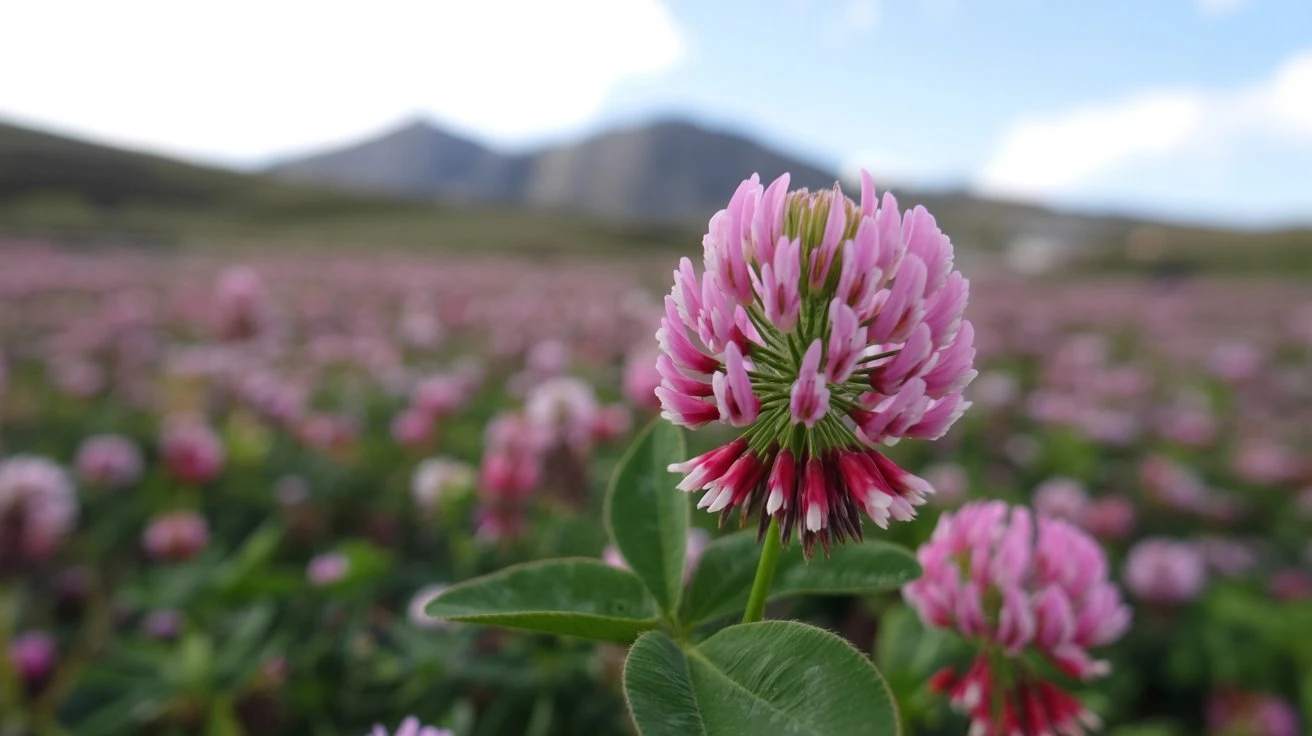
This lovely image showcases the striking pink and white bloom of Crimson Clover, set against a vast field of its kind with mountains blurring in the distance. Clover serves as an outstanding companion plant for sunflowers, offering significant benefits to the soil and surrounding environment.
Like all legumes, it acts as a nitrogen fixer, enriching the soil with essential nutrients that sunflowers, being heavy feeders, crave for their towering growth. Planting clover as a living mulch around your sunflowers suppresses weed growth, significantly reducing the competition for water and sunlight.
Furthermore, its dense, low-growing mat helps prevent soil erosion and retains valuable moisture, keeping your sunflower roots happy and hydrated. These vibrant flowers are also powerful pollinator magnets, attracting bees and other beneficial insects that assist in the pollination of both the clover and your sunflowers.
8. Russian Sage
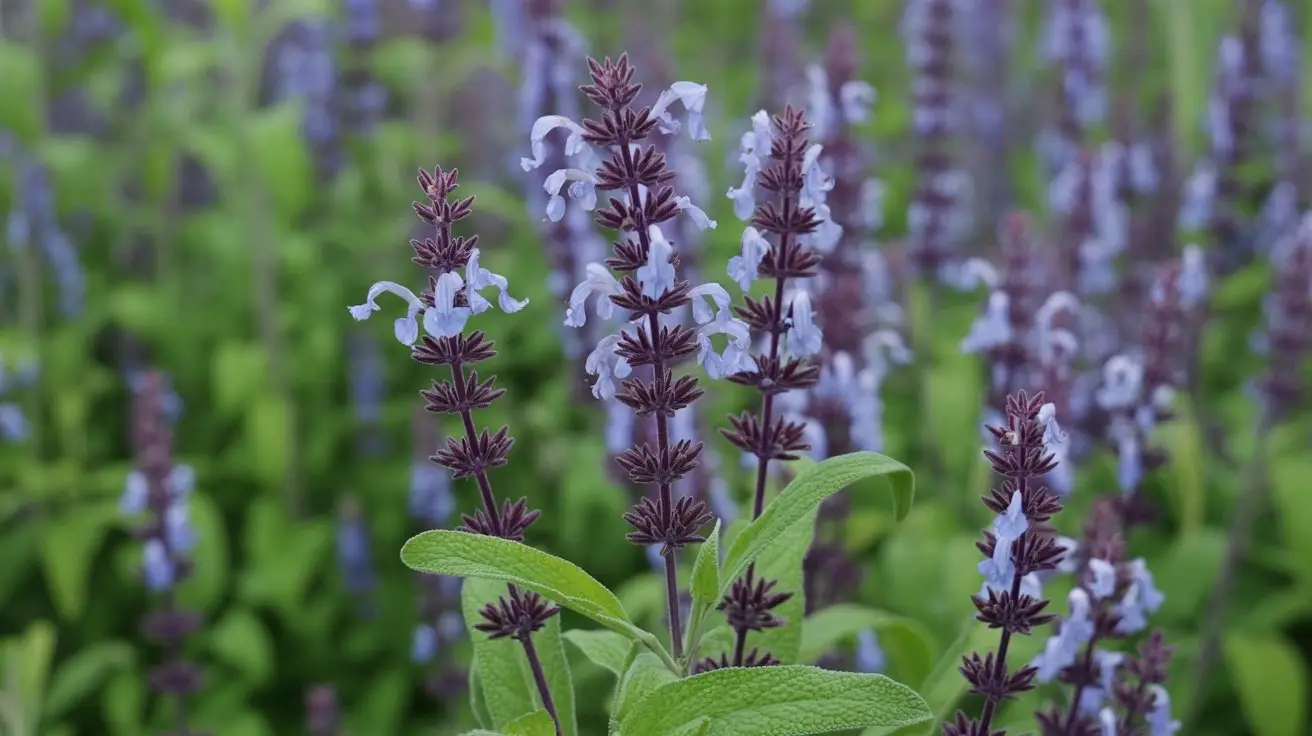
Delicate, spire like blooms of Russian Sage, with their soft lavender-blue flowers contrasting beautifully against purplish stems and fuzzy, gray-green foliage. Russian Sage is an excellent companion plant for sunflowers, offering a lovely visual contrast and practical benefits.
Its airy texture and cool color provide a striking counterpoint to the bold yellow and sturdy structure of the sunflower. The intensely aromatic leaves and flowers of Russian Sage are known to confuse and deter certain garden pests, helping to keep your sunflower crop healthier.
A bonus is that it thrives in the same sunny, hot, and dry conditions that sunflowers love, minimizing the need for different care routines. Planting this drought tolerant beauty ensures your garden remains vibrant and fragrant throughout the summer.
9. Corn
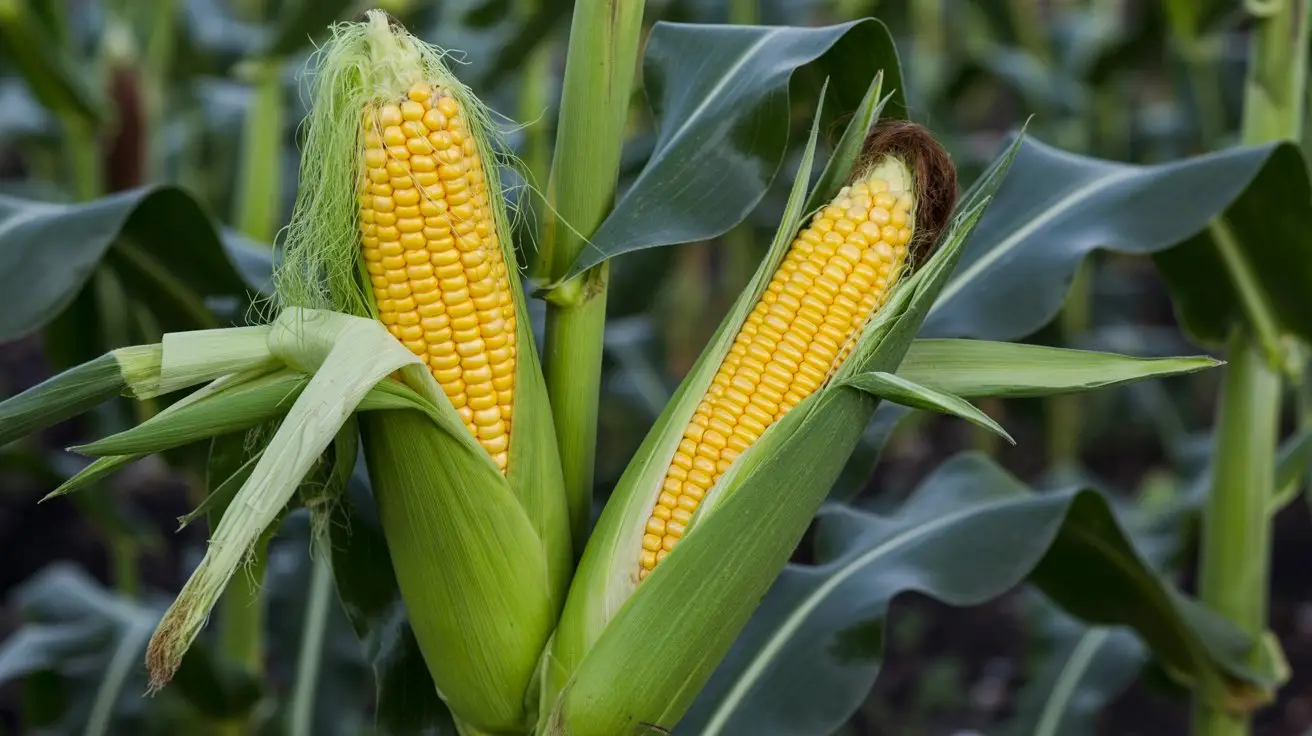
Ripe corn, their golden kernels peeking out from green husks and silken tassels, still attached to their sturdy stalks. Corn is a time-honored companion plant for sunflowers, often found in traditional “Three Sisters” planting schemes alongside beans and squash.
Like sunflowers, corn grows tall and strong, creating a dense canopy that helps suppress weeds and provides some shade for understory plants. Both corn and sunflowers are heavy feeders, so planting them together requires rich soil, yet their similar needs make them compatible.
The strong stalks of corn can offer a bit of windbreak for more delicate sunflower varieties. Planting corn with sunflowers creates a productive and visually impressive garden, a testament to ancient agricultural wisdom.