
That mountain of autumn leaves covering your lawn isn’t trash—it’s treasure you’ve been throwing away. Most homeowners spend hours raking, bagging, and hauling leaves to the curb, not realizing they’re discarding one of nature’s most versatile free resources.
Those crispy layers blanketing your yard can transform into nutrient-rich compost, natural mulch, protective winter blankets for your garden beds, and even fun craft projects for the family. Instead of viewing fall cleanup as a tedious chore that ends with overflowing trash bags, you can turn those leaves into practical solutions that save money, enrich your soil, and reduce waste.
The fifteen creative methods ahead will show you exactly how to transform your annual leaf problem into year-round benefits for your yard and garden. Stop fighting nature’s autumn gift and start putting it to work for you.
1. Create Free Mulch for Garden Beds
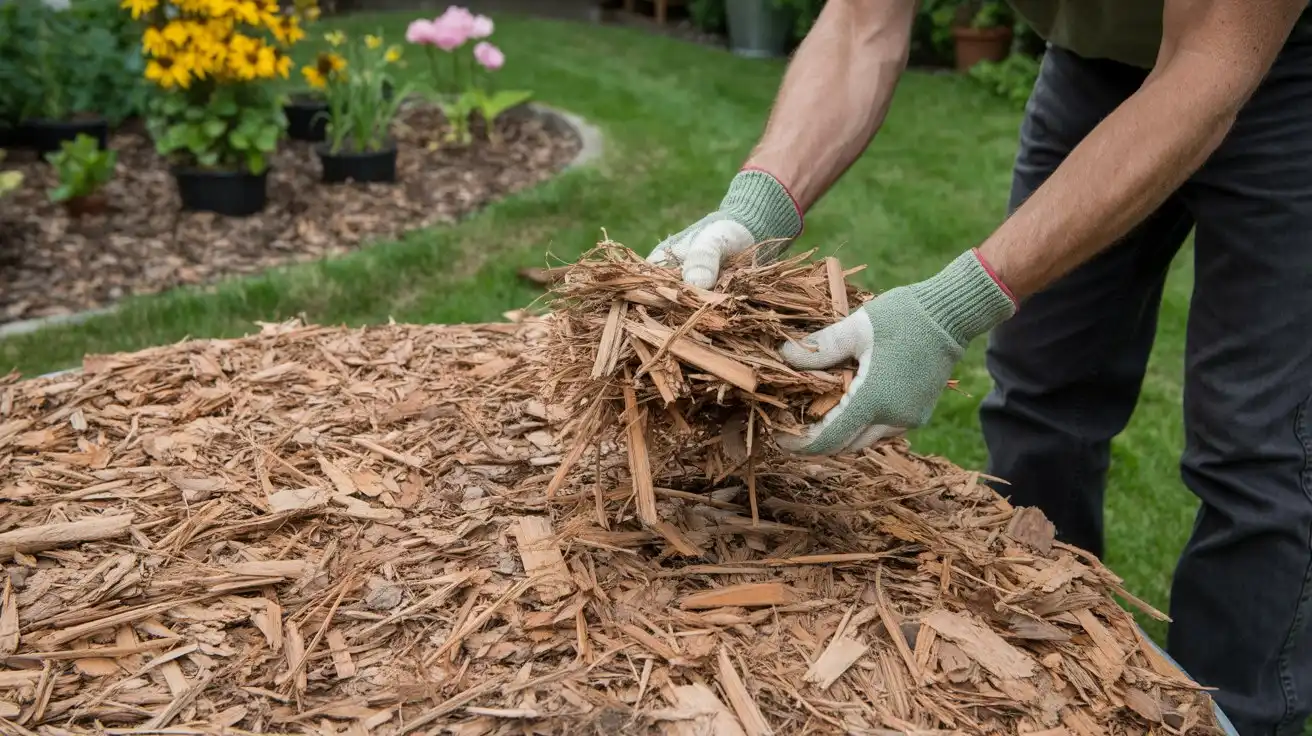
Here’s what to do: Shred your leaves with a mulching mower first. This speeds up how fast they break down. Then spread them around your garden beds in a 2-4 inch layer. Around trees and shrubs, go a bit thicker—3-4 inches works great.
The shredded leaves slowly turn into rich organic matter. Earthworms love it. They’ll move in and make your soil even better. One gardener in Pennsylvania had rocky soil that barely grew anything. After five years of using leaf mulch, she had 10-11 inches of dark, crumbly soil that felt like chocolate cake mix.
You can use leaf mulch anywhere. Flower beds love it. Vegetable gardens thrive with it. Trees get healthier with it around their base.
Just remember two things: Keep the mulch 2-3 inches away from plant stems and tree trunks. This stops rot and keeps pests out. And that’s it. You’ve got free mulch that stops weeds, holds moisture in your soil, and feeds your plants all season long.
2. Make Nutrient-Rich Compost
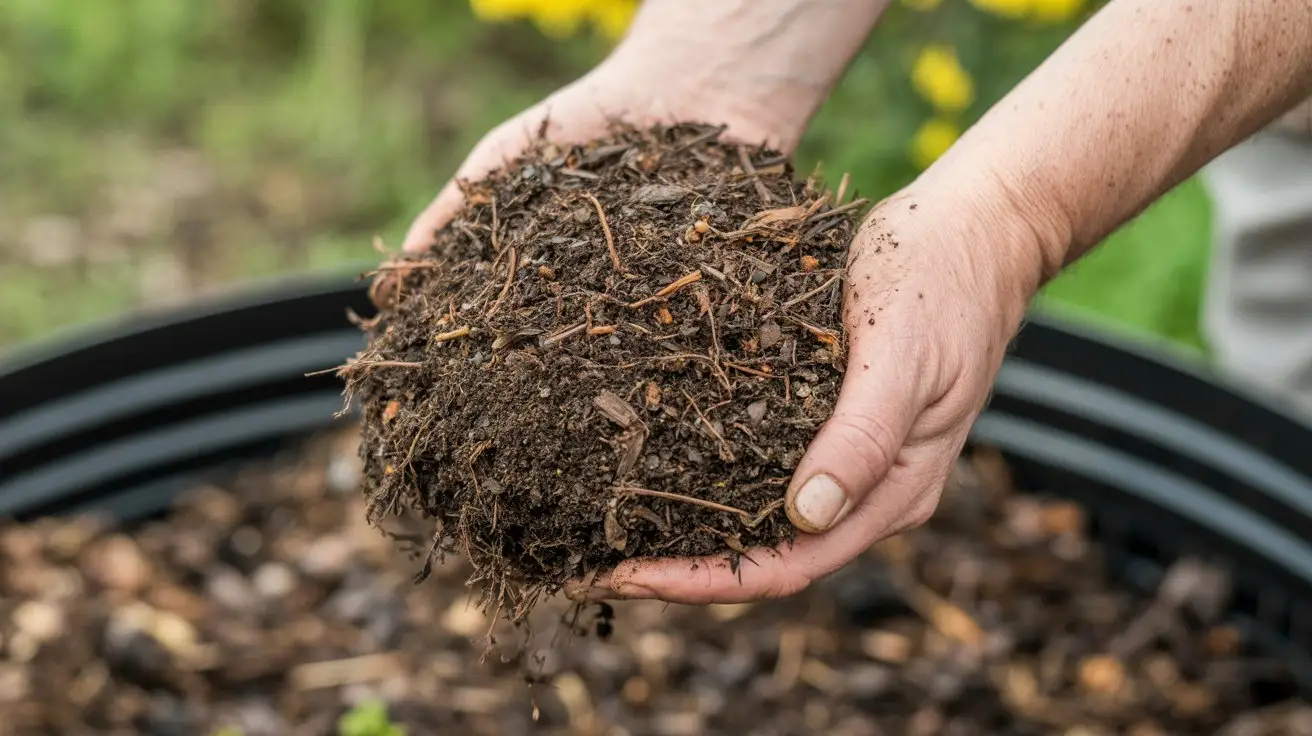
Start by shredding your leaves. Whole leaves take forever to break down. Shredded ones work much faster. The type of leaf matters too. Thin leaves from birch or dogwood trees rot over one winter. Thick oak or magnolia leaves take up to two years. Shredding helps both types decompose quicker.
Now build your pile in layers. Put down 3-4 inches of shredded leaves. Top that with 1 inch of green material like grass clippings or kitchen scraps. Keep layering like this until your pile is built.
Keep your pile moist but not soaking wet. Think of a wrung-out sponge. Turn the pile once a week in summer when it’s hot. In winter, turn it once a month. This adds air and speeds things up.
Your finished compost will be ready in 4-12 months depending on how much you turn it and how well you balance brown and green materials. You’ll know it’s done when it looks dark and crumbly and smells like forest soil.
3. Create Leaf Mold for Superior Soil Conditioning
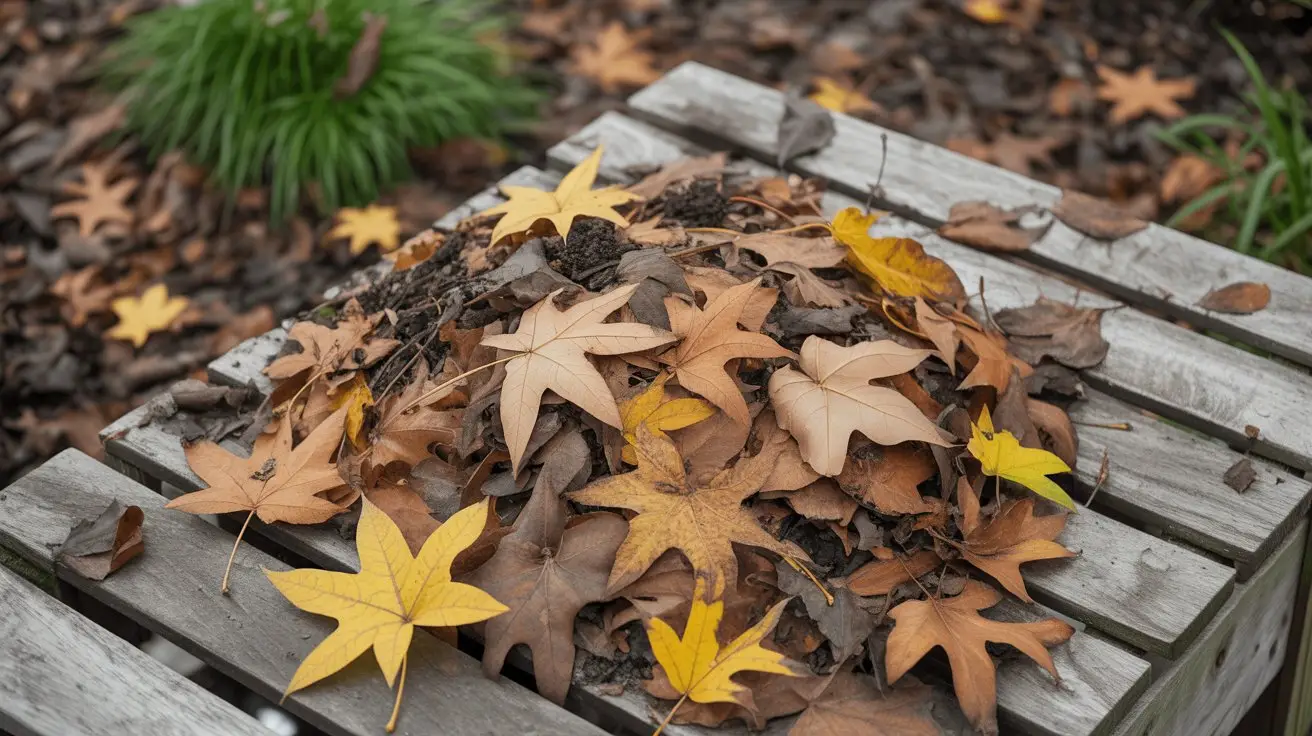
Here’s what you do: Pile your leaves somewhere out of the way. Keep them moist. Then wait. That’s it. No turning required. Just moisture and time.
Whole leaves take 1-3 years to turn into leaf mold. Shredded leaves get you there faster—as little as 6 months. What you end up with is dark, sweet-smelling soil conditioner that’s loaded with calcium and magnesium. Your plants will love it.
You can contain your leaf pile in a wire mesh cage or stuff leaves into black plastic bags with holes poked in them. Both methods work fine. The bags actually heat up faster and speed things along.
Use leaf mold in your vegetable garden to boost growth. Mix it into potting soils for containers. Spread it around perennials. It holds moisture better than almost anything else, and it makes soil soft and easy for roots to push through. This stuff is better than peat moss, and it’s completely free.
4. Mulch Your Lawn (Grasscycling with Leaves)
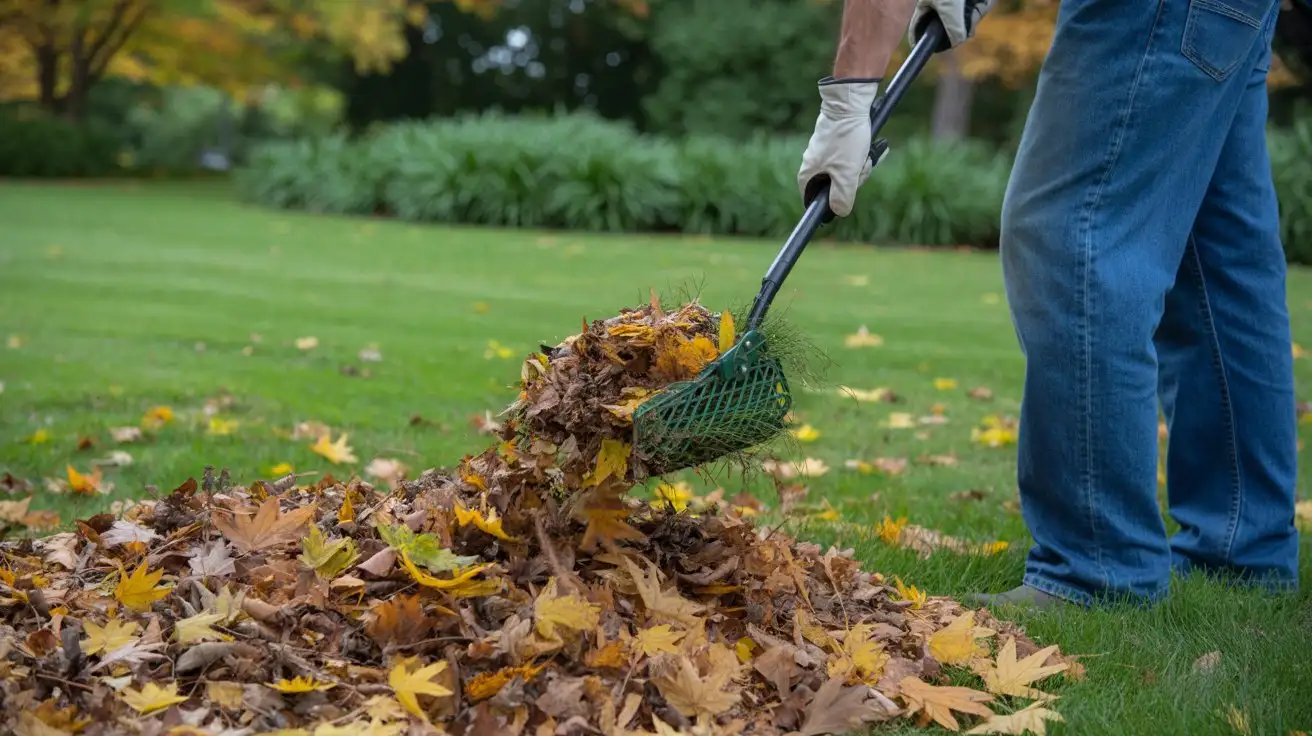
Wait for a dry day when your leaves are crispy. Set your mower to its highest setting. Then mow over the leaves several times until they’re chopped into small pieces. You want them broken down into piles no deeper than ¾ inch.
The shredded leaves fall into your grass and feed your lawn all winter. They break down fast and release nitrogen right into the soil. It’s like giving your lawn free fertilizer.
Some people use a mower with a bag attachment. This lets you collect a mix of shredded leaves and grass clippings. You can use this mixture as mulch around your garden beds or add it to your compost pile.
The key is making sure the leaf pieces are small. Big chunks smother grass. Small pieces disappear into the lawn and do their job without any problems. Your grass stays healthy, your soil gets better, and you didn’t spend a dime or throw away a single leaf.
This works on any lawn. Just mow when leaves are dry, keep pieces small, and let nature do the rest.
5. Protect Root Vegetables Through Winter
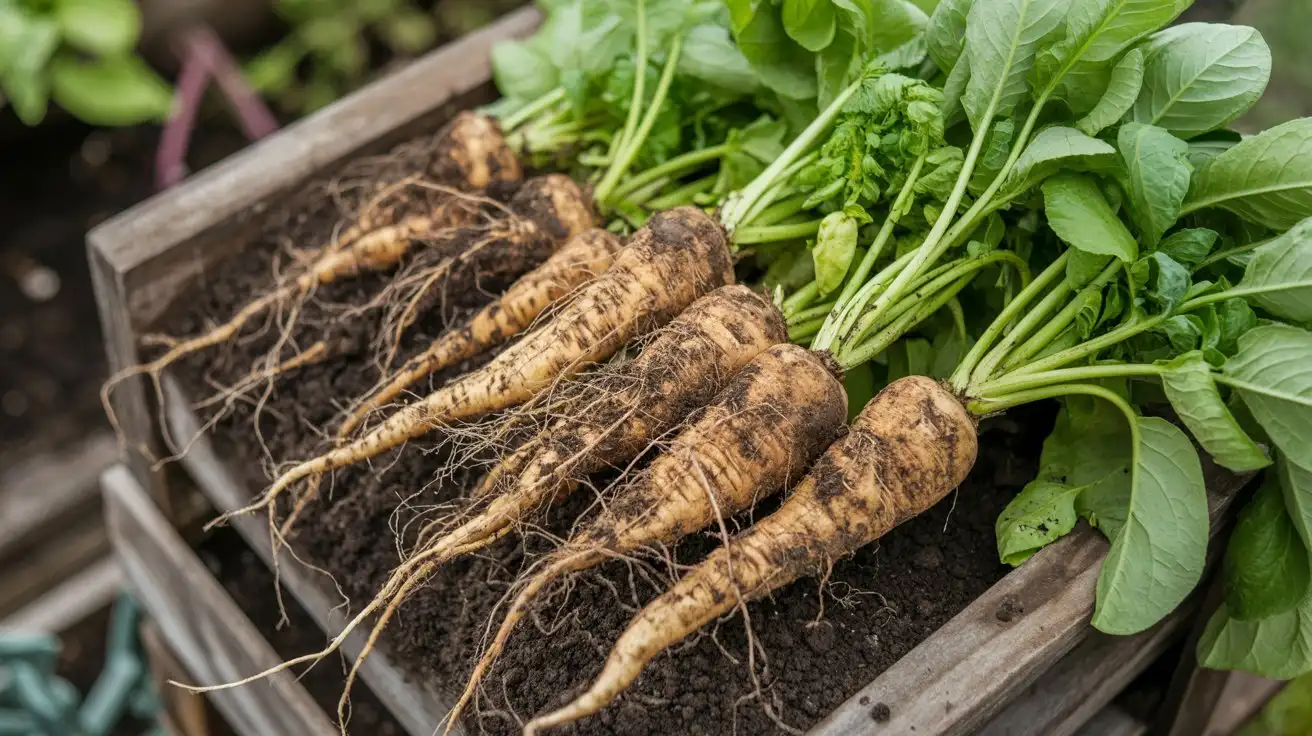
Root vegetables like carrots, kale, leeks, and beets can stay in the ground all winter. But they need protection from hard freezes. Leaves give them that protection.
Here’s the trick: Use whole leaves, not shredded ones. Pile them right over your root crops in a thick layer. The leaves work like a blanket. They insulate the vegetables from freezing temperatures and protect them from heavy snow.
This keeps your vegetables fresh and harvestable straight through autumn and into winter. You can push aside the leaves and dig up carrots whenever you want them. They’ll taste just as good as they did in October.
This method extends your harvest by months. No need to pull everything before the first frost. Just cover it up and pick vegetables as you need them.
6. Build Wildlife Habitat (Leave the Leaves)
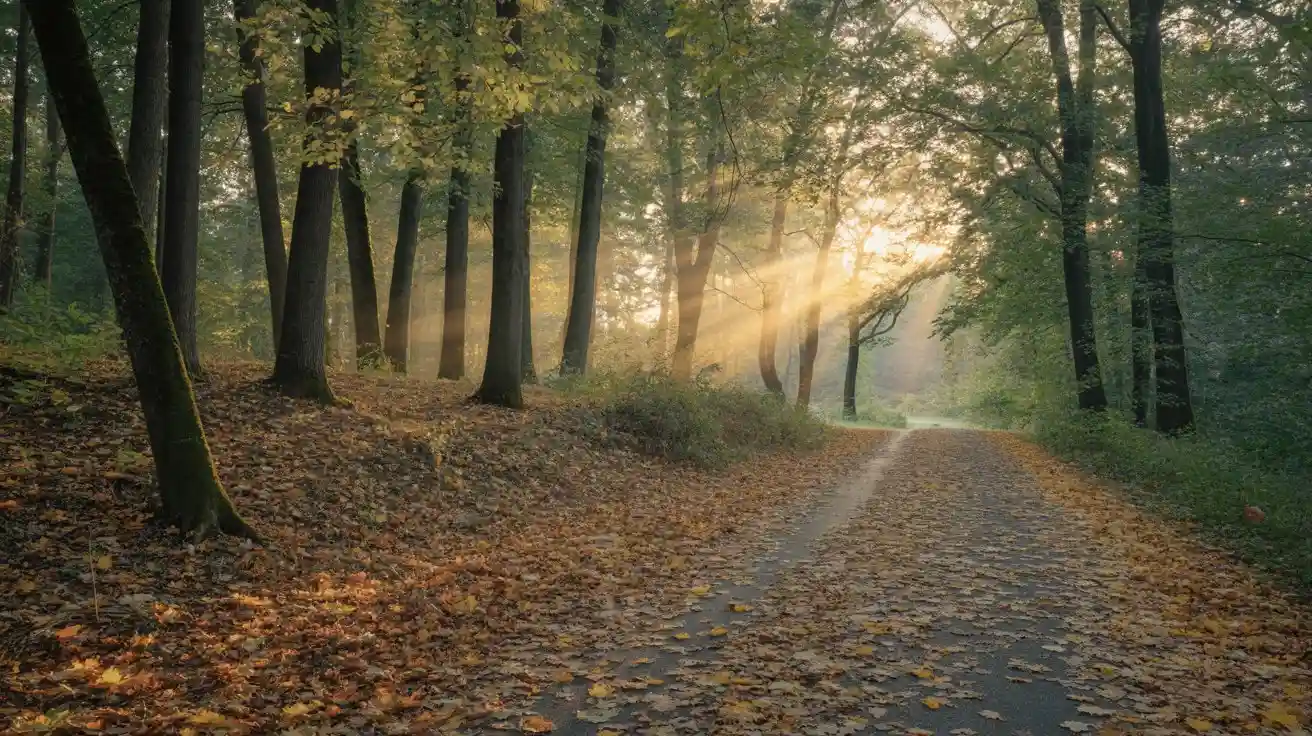
Here’s what happens when you rake everything clean. About 94% of moth species need fallen leaves to finish their life cycle. They hide in that leaf layer through winter. No leaves means no moths.
Red-banded hairstreak butterflies lay their eggs on fallen oak leaves. Overwintering bumble bee queens burrow into leaf litter to survive cold months. And bumble bees matter more than you think. They pollinate six times better than honey bees. When one queen dies, you lose an entire 300-bee colony next year.
Your backyard birds need those leaves too. Here’s why. About 96% of backyard birds feed butterfly and moth caterpillars to their babies. No caterpillars from leaves means hungry baby birds.
Fireflies spend up to two years as larvae beneath fallen leaves. Rake them away and you won’t see fireflies lighting up your summer evenings.
What to do instead? Create 3-4 inch leaf piles in quiet garden corners. Leave luna moth cocoons alone (they look just like dried leaves). Those leaf layers support salamanders, frogs, toads, and chipmunks too.
You don’t need a pristine lawn. You need a living ecosystem. Keep some leaves where they fall. Your local pollinators and beneficial insects will thank you next spring.
7. Enrich Potting Soil for Indoor Plants
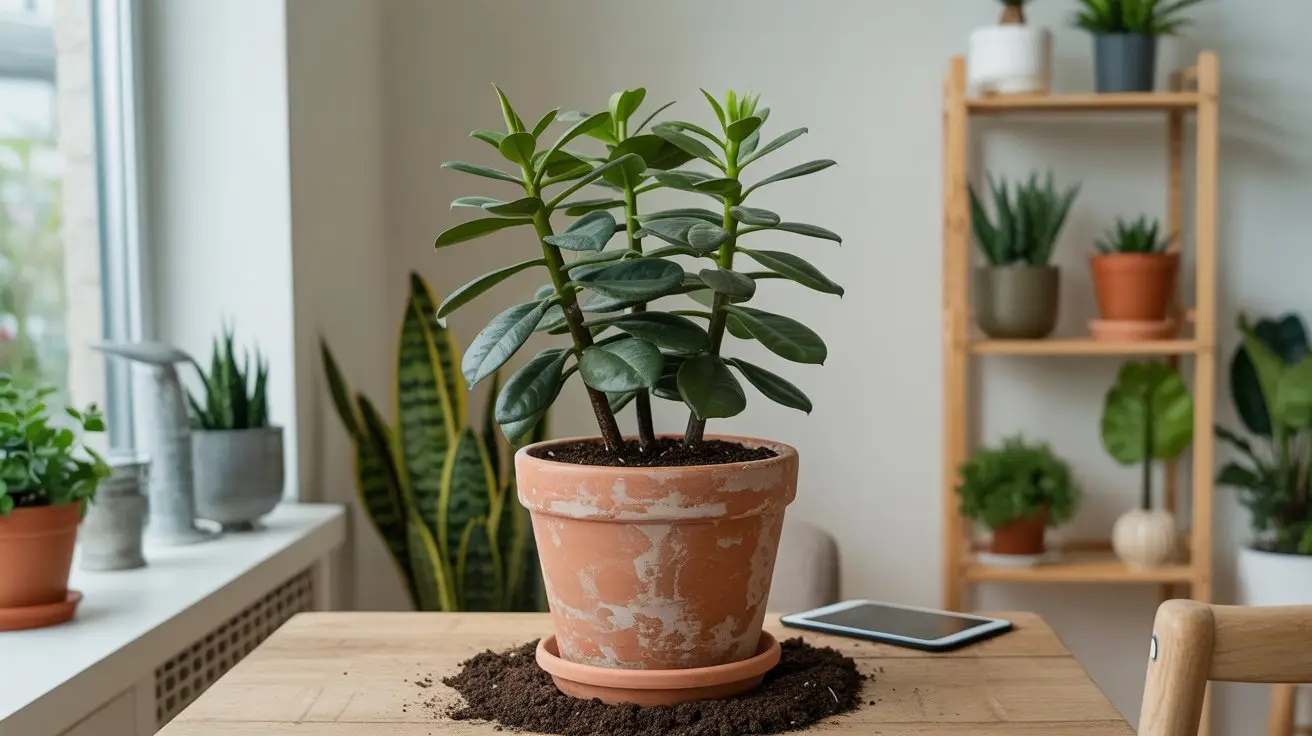
Mix crumbled dried leaves into your potting soil. They release nutrients slowly over months. Your plants get fed without you buying bottles of fertilizer.
The leaf pieces improve drainage too. Water moves through better, so roots don’t sit in soggy soil. The organic matter also helps air reach the roots.
Best part? It’s free. You’re replacing peat moss, which costs money and harms wetland environments. Dry your leaves completely first. Then crumble them into smaller pieces before mixing into indoor plant pots.
8. Fill Raised Beds (Hugelkultur Method)
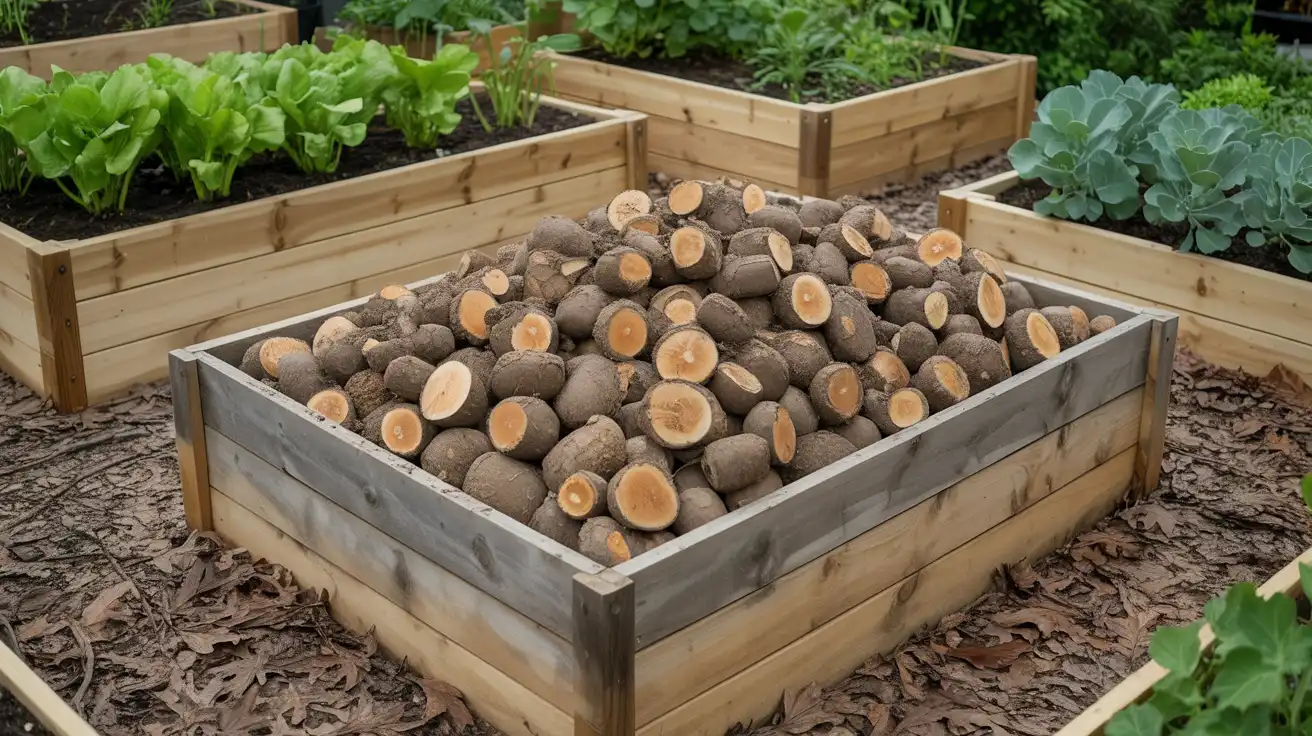
Dig or till leaves directly into your garden beds. They’ll break down and release nitrogen, potassium, and phosphorus. Earthworms show up to help too.
Got heavy clay soil? A 6-8 inch layer of tilled leaves improves aeration and drainage. Water can finally move through instead of pooling on top.
Got sandy soil? That same 6-8 inch layer does the opposite. It helps your soil hold water and nutrients instead of letting everything drain away too fast.
Try the layer method in raised beds. Put leaves at the bottom under your soil. They act as a slow-release fertilizer. As they break down over months, they feed your vegetables from below.
9. Store for Spring Garden Projects
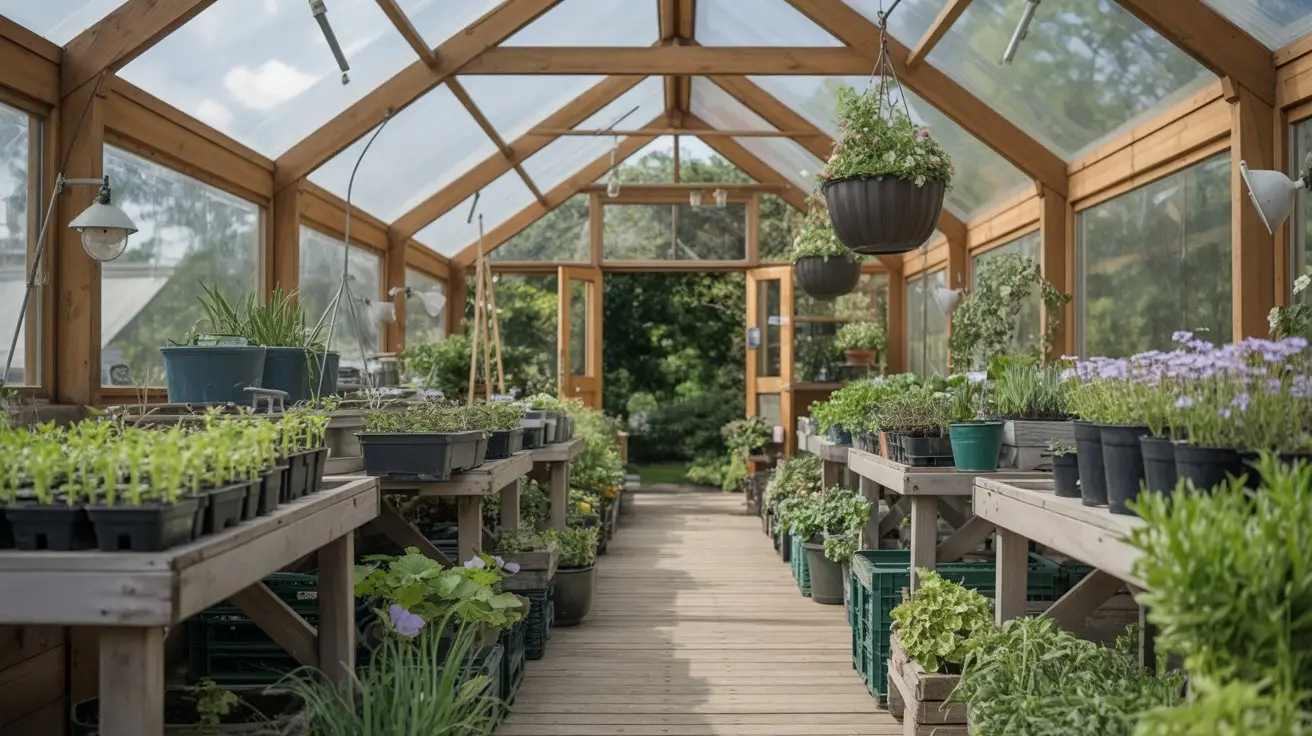
Pack dry leaves into bags or bins. Keep them somewhere dry. Add handfuls to your chicken yard through winter if you have chickens.
Spring comes and you’ll need mulch. Pull out your stored leaves instead of buying bags from the store.
Starting your compost pile in spring? Throw in those saved leaves. They’re the brown material your compost needs to work right.
Keep the bags sealed and dry. Wet leaves turn into a smelly mess. Dry leaves stay ready to use whenever you need them.
10. Make Natural Pathway Material
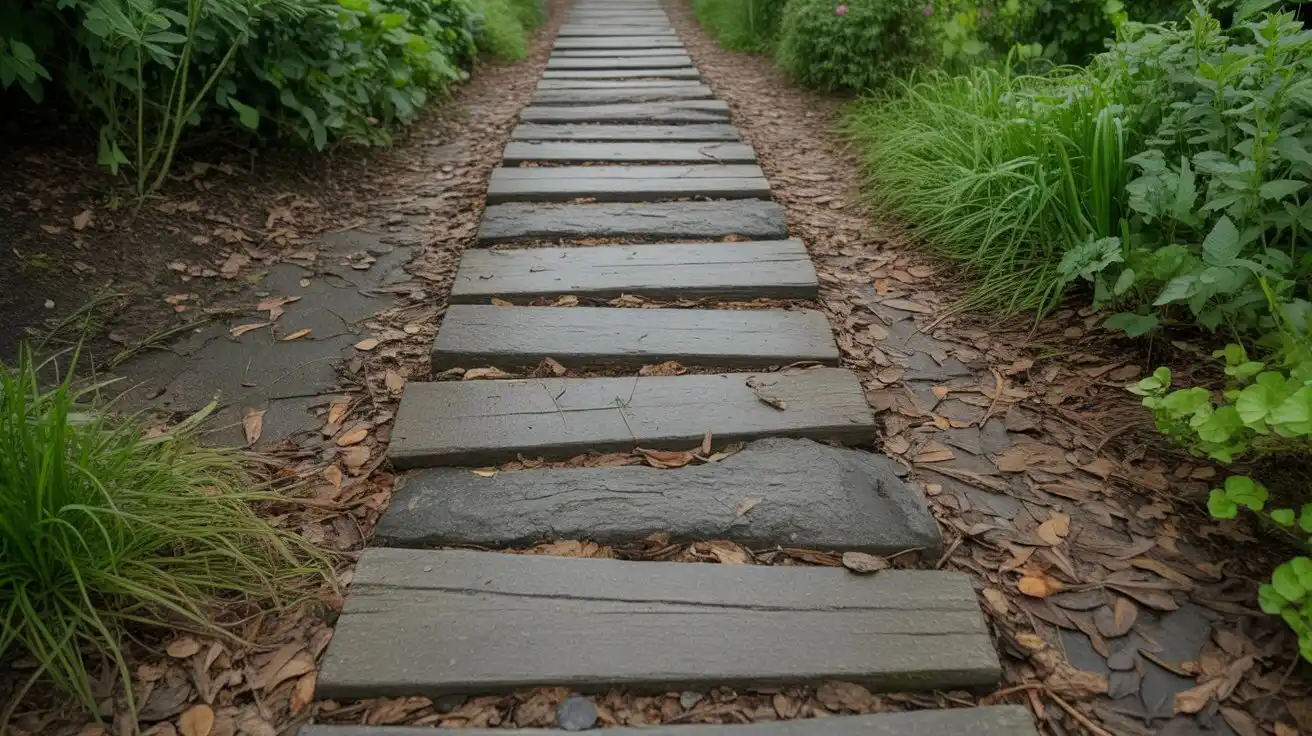
Place a thick layer of leaves between your vegetable garden rows. They work as both mulch and an all-weather walkway. You can walk through your garden even after rain without sinking into mud.
This works great between rows of crops. It also helps around fruit trees in high-traffic areas where people walk often.
The leaf layer stops soil from getting packed down. Compressed soil can’t breathe. Your plant roots suffer when soil gets too compacted.
Wet conditions turn garden areas into swamps. A good leaf layer keeps the mud under control. Your paths stay usable all season long.
11. Create Decorative Home Crafts

Start simple by pressing leaves between heavy books for a week. You’ll have perfect botanical prints for frames or autumn displays. Want something bigger? Make wreaths and garlands by hot-gluing leaves to wire frames. They look amazing over doorways and mantels.
Here’s a fun weekend project: leaf bowls. Brush Mod Podge over a balloon, press leaves on top, and pop the balloon once it dries. You now have a unique serving bowl.
Try these ideas too:
- Gold resin leaf coasters protect your tables with style
- Leaf print art using watercolors creates one-of-a-kind wall pieces
- Autumn placemats made by laminating pressed leaves
- Paper leaf garlands cut from construction paper for kid-friendly decorating
Preserve your creations by coating them with clear craft glue. This seals out moisture and keeps colors bright through the season. Your guests will think you spent a fortune at a home décor store.
12. Insulate Tender Perennials
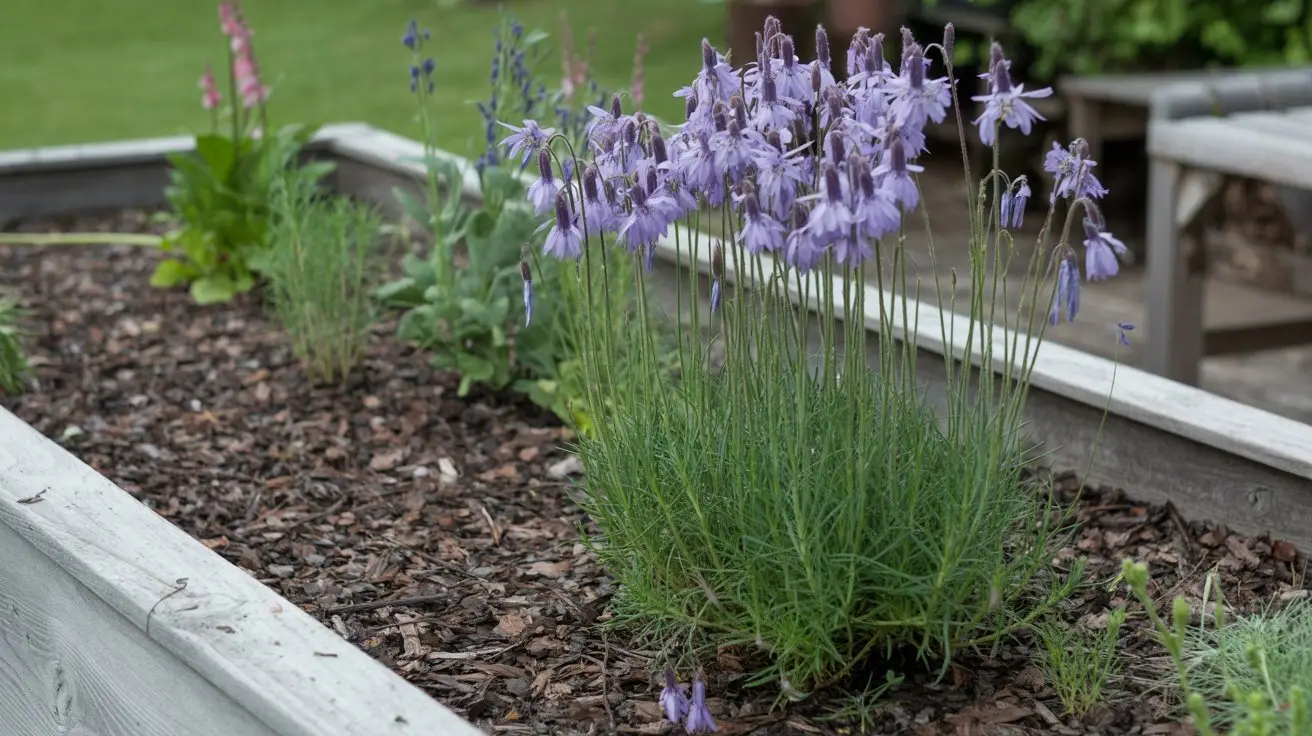
When soil freezes and thaws over and over, it pushes plant roots right out of the ground. A 3-4 inch layer of leaves stops this damage. The leaves keep soil temperature steady, so your plants stay safely dormant until spring.
Wait until the ground freezes hard before you spread leaves. If you mulch too early, mice might nest in the warm leaves and munch on your plants all winter.
This protection works great for roses, perennials, and shrubs that struggle in your zone. Come early spring, pull the leaves back when you see new growth poking through. Your plants will wake up strong and ready to grow.
13. Feed Your Chickens

Store bags of dry leaves near your chicken coop. Toss handfuls into the run every few days. Your hens will scratch through them for hours, hunting for bugs and seeds. This natural foraging keeps them busy and happy.
The scratching does more than entertain your flock. It aerates the leaves and mixes them with chicken droppings. Over time, this creates carbon-rich bedding that breaks down into compost. You’ll have amazing fertilizer for your garden by spring.
Add fresh leaves weekly throughout autumn. Your chickens stay active during the colder months, and you get less work cleaning the coop. Plus, you’re turning yard waste into eggs and garden gold.
14. Trench Composting in Garden Beds
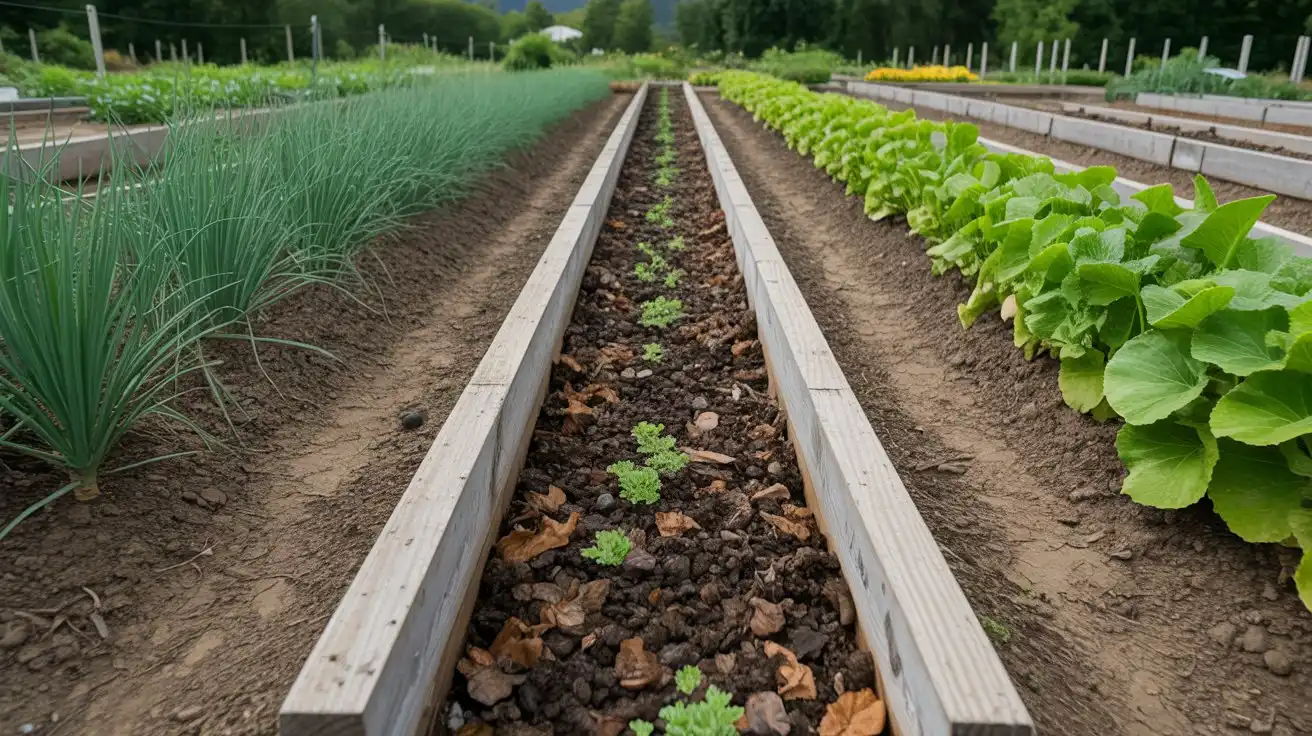
Make each trench 8-10 inches wide and at least 1 foot deep. Fill them with shredded leaves. Then add 5 shovels of manure or 1 cup of fertilizer for every 25 feet of trench. Cover everything with soil.
By spring, the leaves will have broken down into rich compost right in your planting beds. Your plants will love the slow-release nutrients all season long. You’re basically building underground fertilizer tubes.
This method works better than surface composting because everything stays in place. You don’t lose nutrients to runoff. The decomposing leaves also create slightly raised beds, which warm up faster in spring and drain better after rain.
Plant your rows right over the buried trenches next year. You’ll see the difference in plant size and harvest. Many gardeners report their best yields ever after trench composting with autumn leaves.
15. Mulch Around Newly Planted Trees and Shrubs
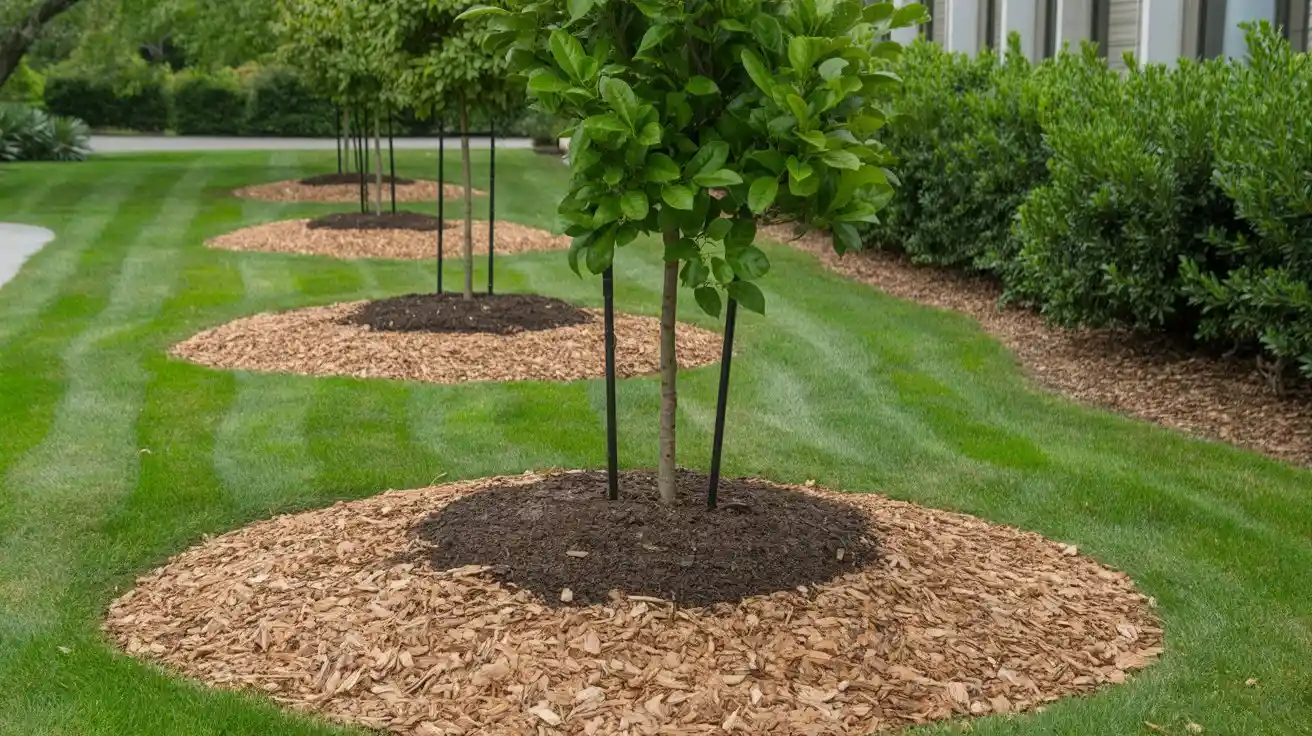
New trees and shrubs need help making it through their first winter. A thick leaf blanket can mean the difference between survival and loss.
Apply a 3-6 inch layer of leaves around the base of any plants you installed this year. This keeps soil temperature steady, which helps roots grow even during mild winter days. The mulch also protects trunks and lower branches from mower damage next spring.
Keep leaves 6 inches away from the trunk itself. Leaves piled against bark hold moisture and invite rot, insects, and mice that chew on young bark. Think of it like a donut of protection, not a volcano.
The research is clear: mulched trees and shrubs have much higher survival rates than bare-root plants. The leaves moderate temperature swings, hold in moisture, and slowly add nutrients as they break down.