
You wait weeks for the first cucumber of summer. It looks green, firm, and ready to eat.
Then you take one bite.
Instead of tasting cool and fresh, it leaves a harsh flavor in your mouth. The rest of the fruit may go straight into the compost.
It is easy to blame the seed variety. Yet the real reason cucumbers taste bitter is often stress during growth. Dry soil, sudden heat, cold nights, weak nutrition, and late harvesting can all affect the final flavor.
The good news is that one bitter cucumber does not mean the whole crop is ruined. A few simple changes can help the next fruits taste much better.
Here is what causes cucumber bitterness and what to do before the next harvest.
The Real Reason Cucumbers Taste Bitter
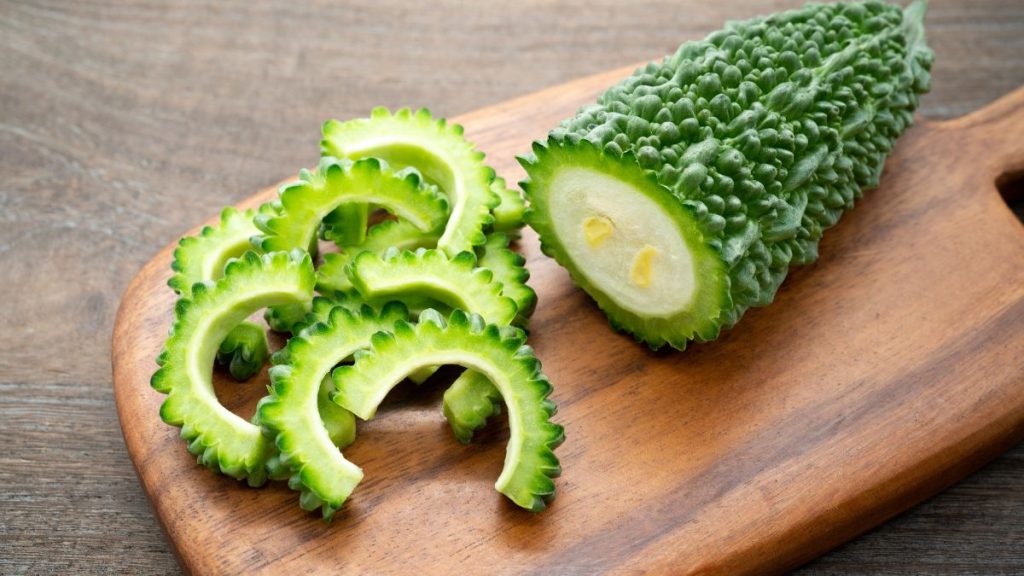
Cucumber plants naturally make compounds called cucurbitacins. These compounds create a bitter taste and help protect the plant.
Most modern garden cucumbers contain such low levels that you do not notice them. But when a plant is under stress, bitterness may become stronger or more noticeable.
University of Minnesota Extension notes that cucumber bitterness is often strongest near the skin and at the blossom end of the fruit. The blossom end is the end opposite the stem.
Variety still plays a part. Some cultivars are less likely to taste bitter than others. But the seed variety is rarely the whole story.
Oregon State University Extension explains that drought, poor nutrition, and temperatures below 60°F or above 90°F may trigger bitter fruit.
That explains why cucumbers from the same seed packet can taste different. One fruit may develop during mild weather. Another may grow while the plant is dry and overheated.
The plant’s growing conditions changed, so the flavor changed too.
Uneven Watering Is the Most Common Trigger
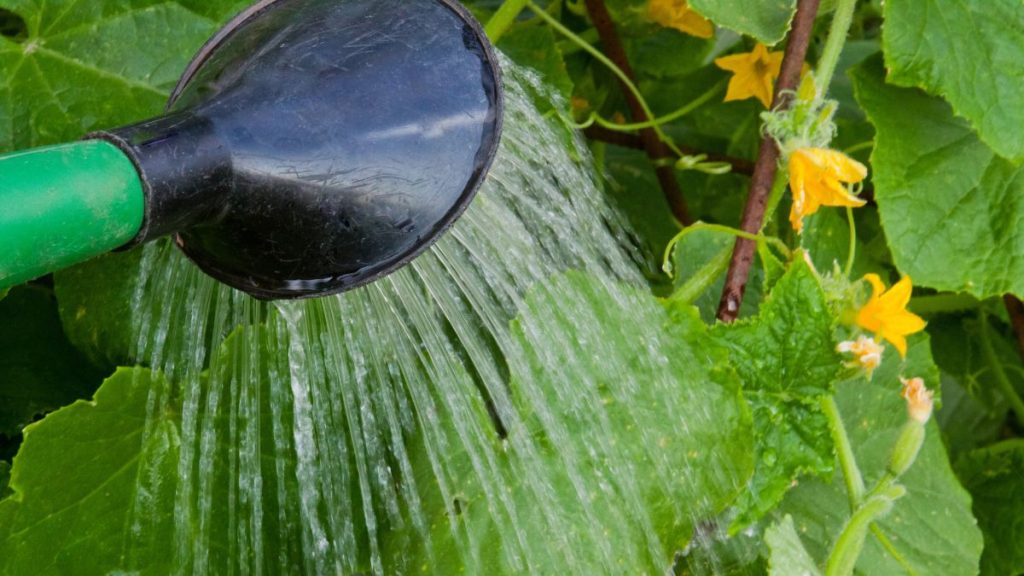
Cucumber vines need steady moisture to grow crisp fruit. They struggle when the soil moves between very dry and soaking wet.
A common pattern looks like this:
- The garden receives no water for several hot days.
- The cucumber leaves begin to droop.
- The gardener gives the plant a large amount of water.
- The soil dries out again soon after.
The plant may survive this cycle, but its fruit quality can suffer.
Utah State University Extension warns that water stress can cause cucumber fruit to become bitter, pointed, or misshapen.
University of Minnesota Extension recommends giving cucumber plants about one inch of water per week from rain or irrigation. Sandy soil may need smaller amounts more often because it drains quickly.
One inch is a starting point, not a strict rule. Plants growing in containers, raised beds, or extreme heat may need more frequent checks.
Push a finger about two inches into the soil. Water when it feels dry at that depth. The goal is soil that stays lightly moist without remaining soaked.
A soaker hose or drip line works well because it sends water slowly into the root area. It also keeps the leaves drier than an overhead sprinkler.
Deep, steady watering is better than frequent light spraying.
Hot Days and Cold Nights Can Change the Flavor
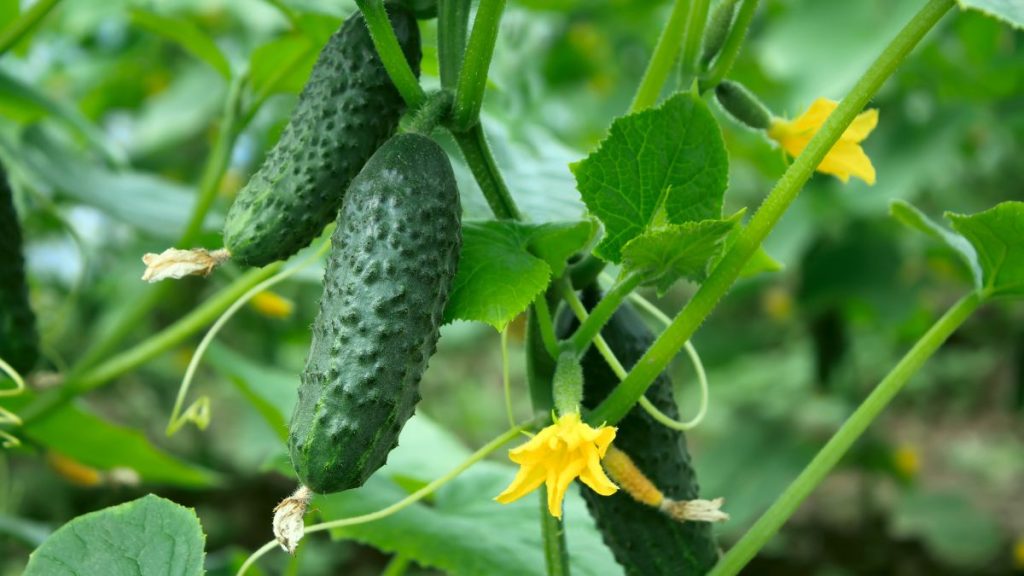
Cucumbers like warm conditions, but extreme temperatures place pressure on the plant.
Oregon State University Extension lists temperatures above 90°F and below 60°F as possible causes of cucumber bitterness.
A short hot spell may not ruin the crop. The risk rises when heat comes with dry soil, hot wind, or roots that are exposed to direct sun.
You cannot lower the outdoor temperature. But you can protect the plant from some of its effects.
Try these steps during hot weather:
- Water early in the morning.
- Check container plants each day.
- Add two or three inches of organic mulch.
- Use temporary afternoon shade during severe heat.
- Avoid heavy pruning that exposes fruit and soil.
- Pick mature cucumbers before the hottest part of the day.
Mulch slows water loss and protects the roots from fast temperature changes. Straw, dry leaves, or untreated grass clippings can work.
Keep mulch a few inches away from the base of the stem. Wet material packed against the stem may encourage rot.
Cold weather can cause stress too. Do not rush cucumber plants into chilly spring soil. Wait until the soil and nights are warm enough for steady growth.
Poor Soil and Heavy Feeding Can Both Cause Problems
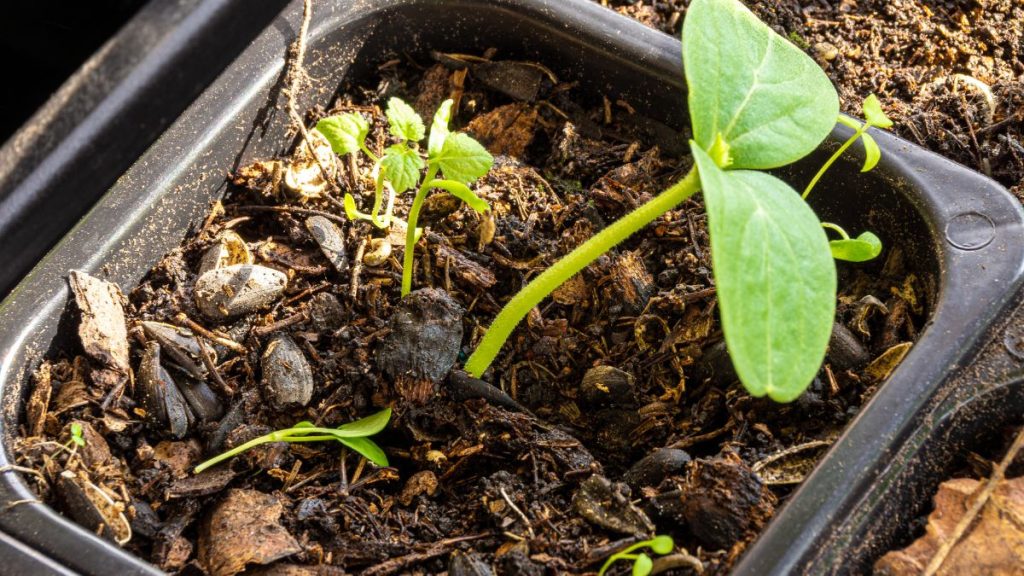
Cucumbers grow quickly and produce a lot of fruit. They need enough nutrition to support that growth.
Poor soil can slow the plant and make it less able to cope with heat or dry weather. Oregon State University Extension includes poor nutrition among the stresses linked with bitter cucumbers.
However, adding more fertilizer is not always the answer.
Too much nitrogen may produce a large mass of green leaves while fruit development remains weak. Heavy feeding can also harm roots if fertilizer is placed too close to the stem.
Start with compost worked into the soil before planting. Compost helps the ground hold moisture and supports steady root growth.
If growth appears weak, use a balanced vegetable fertilizer according to its label. Do not double the amount in hopes of getting faster results.
A soil test gives better guidance than guessing. Many local cooperative extension offices offer soil testing or explain where samples can be sent.
Remember that fertilizer cannot repair a poor watering routine. A well fed plant can still produce bitter fruit when its roots keep drying out.
Waiting Too Long to Pick Cucumbers Makes Them Worse
A small cucumber can become oversized in only a few days.
Fruit left on the vine too long may develop:
- Thick or yellow skin
- Large, hard seeds
- Soft or watery flesh
- A tougher texture
- A stronger bitter taste
Illinois Extension warns that cucumbers left on the plant too long can become tough and bitter. Mature fruit may also turn yellow.
The right harvest size depends on the cucumber type.
Pickling cucumbers are usually picked while small and firm. Slicing cucumbers can grow longer, but they should still be harvested before the skin yellows and the seeds harden.
University of Minnesota Extension advises picking salad cucumbers before they become oversized, yellowish, and full of large seeds.
Check productive vines every day or two. Look under leaves because mature fruit can hide close to the ground or behind the trellis.
Cut each cucumber with clean scissors or pruners. Pulling can tear the vine.
Remove any old yellow fruit, even if you do not plan to eat it. Leaving mature cucumbers attached can slow the production of new fruit.
How to Tell Which Stress Is Causing the Bitter Taste
One bitter cucumber does not reveal the cause by itself. Look at the soil, leaves, weather, and fruit together.
| What you notice | Likely problem | What to do |
|---|---|---|
| Dry or cracked soil | Too little water | Water deeply and add mulch |
| Soil swings from dry to soaked | Uneven watering | Use a regular watering routine |
| Bitter fruit after very hot days | Heat stress | Water early and provide afternoon shade |
| Pale leaves and weak growth | Possible nutrient problem | Test the soil and feed carefully |
| Large yellow fruit with hard seeds | Harvested too late | Pick younger fruit more often |
| Containers dry within one day | Small soil volume | Check moisture daily |
| Several misshapen fruits | Water or pollination stress | Keep moisture even and support pollinators |
Do not assume midday wilting always means the plant needs more water. Leaves may droop for a few hours during intense heat even when the soil is damp.
Check the soil first. Water only when the root area is becoming dry.
Several problems may also happen together. A plant in a small pot may face heat, dry soil, and low nutrition at the same time.
Fix the easiest issue first. In many gardens, that means improving the watering routine.
Follow This Simple Routine to Prevent Bitter Cucumbers
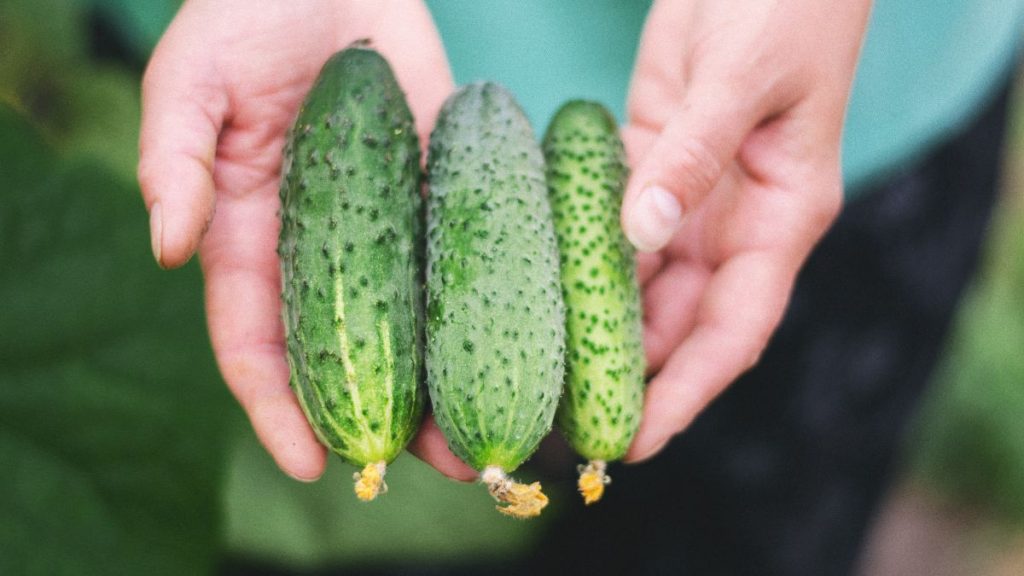
Preventing bitterness is easier than changing the taste of fruit that has already formed.
Use this routine once cucumber vines begin flowering.
1. Check the Soil Often
Push a finger into the soil near the plant.
If the top looks dry but the soil below feels moist, wait before watering. If it is dry about two inches down, water the root area.
Containers may need checks every day in hot weather.
2. Water Slowly and Deeply
Give the soil enough water to reach the deeper roots.
University of Minnesota Extension recommends soaking the soil well and using drip irrigation, a soaker hose, or careful watering at ground level.
Avoid giving the plant a tiny splash several times a day. That keeps moisture near the surface and may encourage shallow roots.
3. Add Mulch After the Soil Warms
Spread straw, shredded leaves, or another organic mulch around the plant.
Mulch reduces evaporation and helps stop the soil from moving quickly between wet and dry conditions.
Water the soil before adding mulch if the ground is already dry.
4. Reduce Stress During Extreme Heat
Place temporary shade cloth where it blocks harsh afternoon sun but still allows morning light.
Do not cover the vines with solid plastic. It can trap more heat around the plant.
Move container plants away from walls or paving that reflect strong heat.
5. Feed Only When the Plant Needs It
Start with healthy soil and compost.
Use a measured amount of vegetable fertilizer if the leaves become pale or growth slows. Follow the package directions.
Avoid feeding a heat stressed or very dry plant. Water it first and wait until it recovers.
6. Pick Cucumbers While They Are Young
Check vines every day during peak production.
Pick fruit when it reaches the normal size for its type but before the skin becomes dull or yellow.
Young fruit usually has softer seeds, thinner skin, and better texture.
7. Remove Damaged and Overripe Fruit
Cut off yellow, swollen, or badly damaged cucumbers.
This keeps the plant focused on new flowers and fruit rather than old cucumbers that are no longer useful.