
A plant looked small and harmless when you brought it home. Two years later, its roots are under the path, its shoots are inside another flower bed, and its vines are climbing a nearby tree.
That is the problem with many fast growing plants. The same traits that make them easy to grow can also make them hard to stop.
Penn State Extension notes that fast growth, toughness, low care needs, and the ability to grow in many conditions are also traits that can help a plant become invasive.
Check These 3 Warning Signs Before You Buy a Plant

A fast growing plant is not always a bad choice. You simply need to know where that growth will go.
Watch for these three warnings on plant tags and nursery descriptions.
- It spreads through rhizomes, runners, or suckers. These stems or roots can travel underground and produce new shoots several feet from the original plant.
- It self seeds freely. One plant can become dozens when flowers are allowed to produce seed.
- It forms a dense mat. Thick ground covers can crowd out smaller plants and make later removal difficult.
Penn State Extension explains that many invasive plants spread through runners or rhizomes, produce large numbers of seeds, or rely on wind, water, animals, and people to move those seeds.
Check the scientific name before buying. Different plants can share the same common name, yet behave very differently.
1. Running Bamboo Can Cross the Property Line

Running bamboo is often sold as a quick privacy screen. It grows tall, stays green in many climates, and can hide a fence within a few seasons.
The problem is below the soil.
Running types produce underground rhizomes that move beyond the original planting area. New canes may appear in lawns, flower beds, beneath fences, and on neighboring land.
Penn State Extension warns that bamboo can spread from one garden onto nearby property.
University of Maryland Extension says removal often takes less effort over time than trying to contain an established running bamboo colony.
It also warns that containers may fail as a permanent solution because rhizomes can escape through drainage holes or damage the pot.
Grow instead: Use a row of regionally native shrubs. Native viburnums, bayberry, shrub dogwoods, and other dense shrubs can create privacy without roaming underground.
Clumping bamboo is usually slower to spread, but its behavior still depends on the species and climate. Confirm the exact botanical name before planting.
2. English Ivy Can Smother the Ground and Climb Trees

English ivy seems useful in a difficult shady corner. It stays green, tolerates poor soil, and covers bare ground quickly.
That quick coverage is the problem.
English ivy spreads along the soil through runners. When it reaches a tree, fence, or wall, it begins climbing. Mature vines can flower and produce berries. Birds then carry the seeds into parks, woods, and neighboring gardens.
North Carolina Extension reports that English ivy can grow 20 to 80 feet high. In wooded areas, it can cover the ground and limit the growth of native flowers, shrubs, and tree seedlings.
Its legal status varies. Maryland now prohibits English ivy and Atlantic ivy under state invasive plant rules.
Grow instead: Try wild ginger in a shady woodland bed or use regionally native sedges. These plants provide low growth without creating heavy climbing vines.
Keep English ivy indoors if it is permitted in your area and you still want to grow it.
3. Asian Wisteria Can Crush Weak Supports

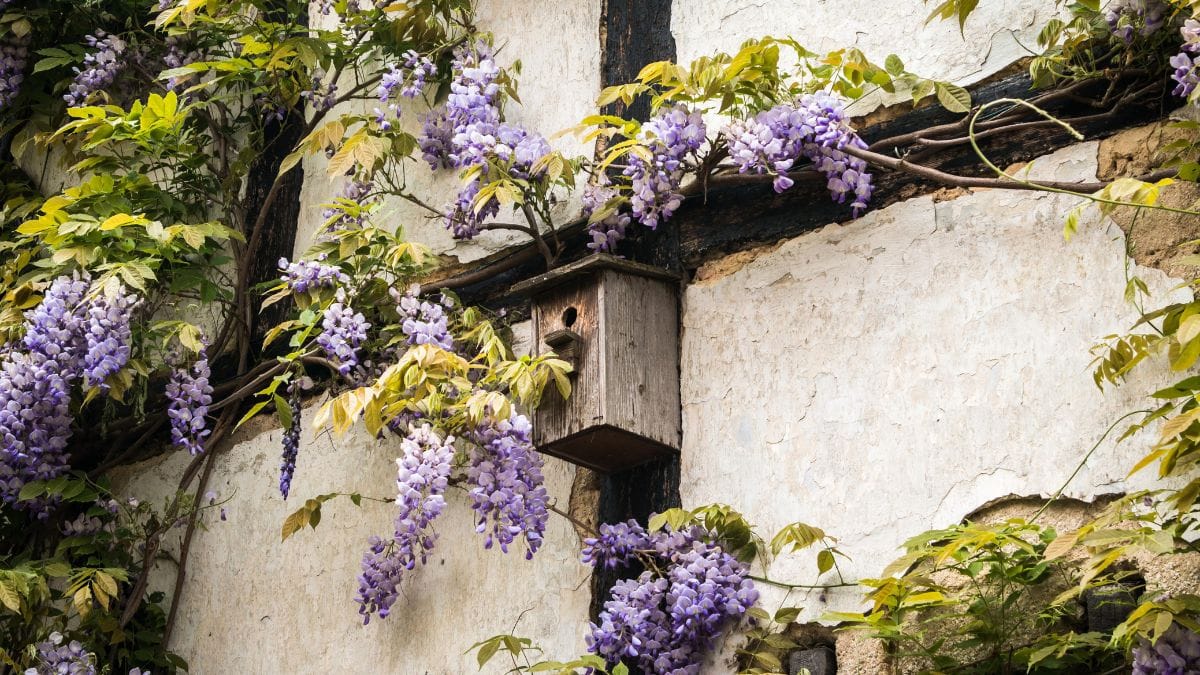
Chinese and Japanese wisteria produce long clusters of fragrant flowers. A mature vine covering a pergola can look stunning.
But Asian wisteria is a powerful woody vine.
Its stems twist around trees, rails, gutters, and support posts. As the stems thicken, they can place heavy pressure on anything beneath them. The plant also spreads through seeds and surface runners that form new roots.
North Carolina Extension describes Japanese wisteria as aggressive due to its rapid growth and rooting runners.
University of Maryland Extension reports that Chinese, Japanese, and hybrid Asian wisterias are prohibited under Maryland law. The rules in your state may differ.
Grow instead: Choose American wisteria, Wisteria frutescens, where it is native and suited to your climate. North Carolina Extension notes that it is less damaging to buildings than Chinese and Japanese species.
Check the botanical name. A nursery tag that says only “wisteria” does not give you enough information.
4. Japanese Honeysuckle Can Cover Shrubs and Young Trees
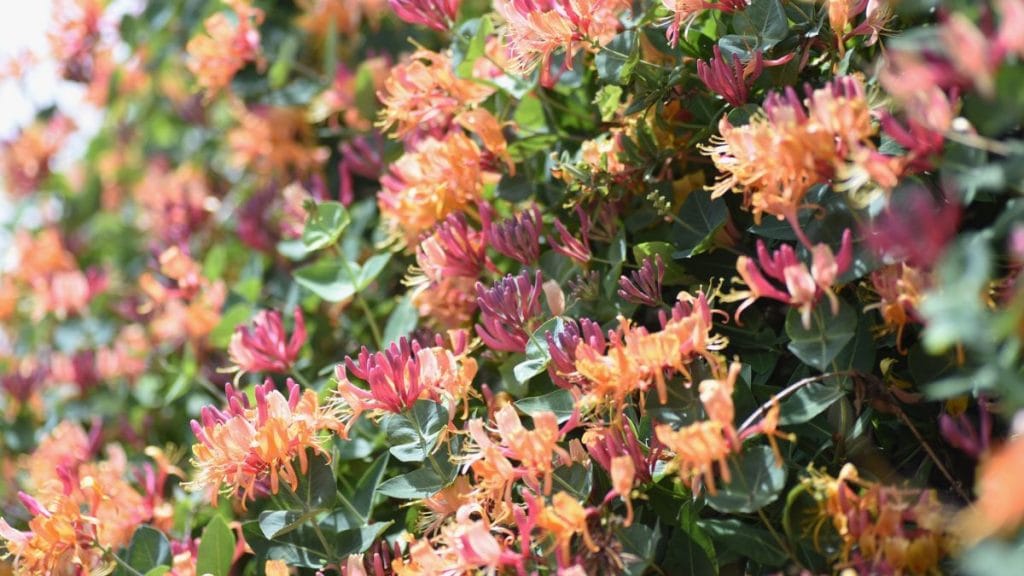
Japanese honeysuckle has sweet smelling flowers and long, flexible vines. It can cover a fence quickly and may attract hummingbirds and other visitors.
It can also escape the fence.
The vine grows across shrubs, small trees, and woodland edges. Its stems can root where they touch moist soil. Birds may also spread its berries into new areas.
North Carolina Extension considers Japanese honeysuckle highly invasive in the United States. The plant has naturalized far beyond gardens and can form thick growth over other plants.
The word “honeysuckle” covers many different plants. Some are native and useful. Others are serious invaders. Always look for the full scientific name.
Grow instead: Ask a local native plant nursery for a honeysuckle native to your region. Coral honeysuckle is one possible choice in parts of the eastern and southern United States.
Do not replace Japanese honeysuckle with another plant based on the common name alone. Confirm its range and behavior through your local Extension office.
5. Periwinkle Can Form a Thick Carpet

Periwinkle, also called vinca, is often planted beneath trees and on slopes. It handles shade and produces small purple or blue flowers.
Once established, it creates a dense web of trailing stems.
Those stems root at their joints. Small pieces left in the soil can start growing again, which makes complete removal frustrating. The plant may also move from yards into nearby natural areas.
Penn State Extension includes periwinkle among the plants gardeners should avoid and replace.
University of Maryland Extension lists both Vinca minor and Vinca major among invasive ground covers regulated in Maryland. Their status may be different where you live.
Grow instead: Use native sedges, wild ginger, foamflower, or another low growing native suited to your soil and light.
Do not assume a ground cover stays where you place it. Ask how the stems root and how much yearly edging it needs.
6. Goutweed Can Fill a Bed Through Hidden Roots
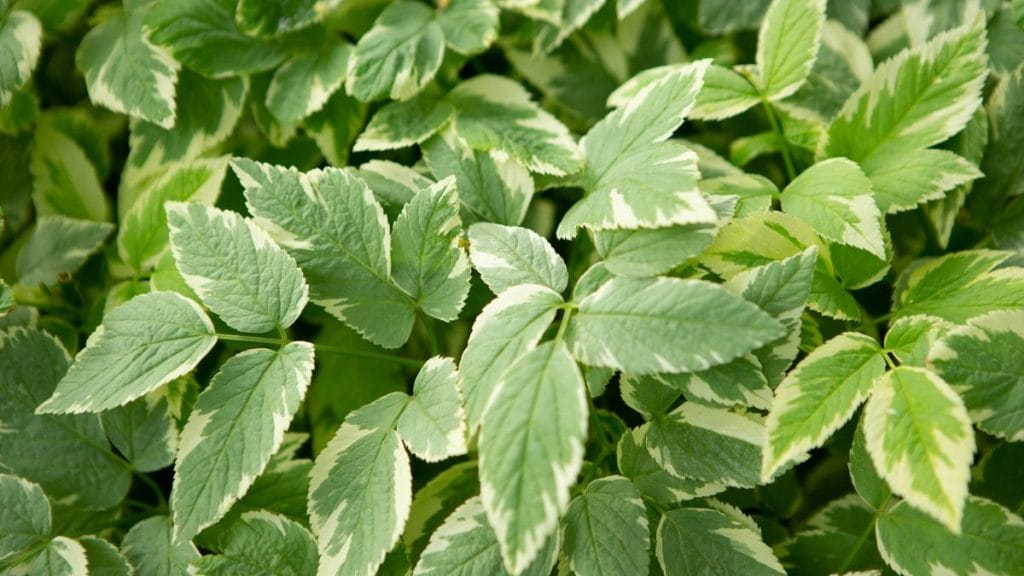
Goutweed is also sold as bishop’s weed or snow on the mountain. Its green and white leaves can brighten a dark corner.
It spreads through underground rhizomes.
Even a small root piece left behind can produce another plant. The roots weave around shrubs and perennial flowers, making it hard to remove the goutweed without disturbing everything else.
Penn State Extension names goutweed as an invasive plant to avoid.
Variegated forms may look less forceful at first. That does not mean they will remain mild. Some shoots can return to solid green and grow with greater strength.
Grow instead: Try foamflower, wild ginger, native sedges, or another shade plant recommended for your region.
When removing goutweed, work slowly. Digging too quickly can break the rhizomes into many pieces. Sift loose soil, check the area often, and remove every new shoot as soon as it appears.
7. Japanese Knotweed Can Regrow From Small Fragments
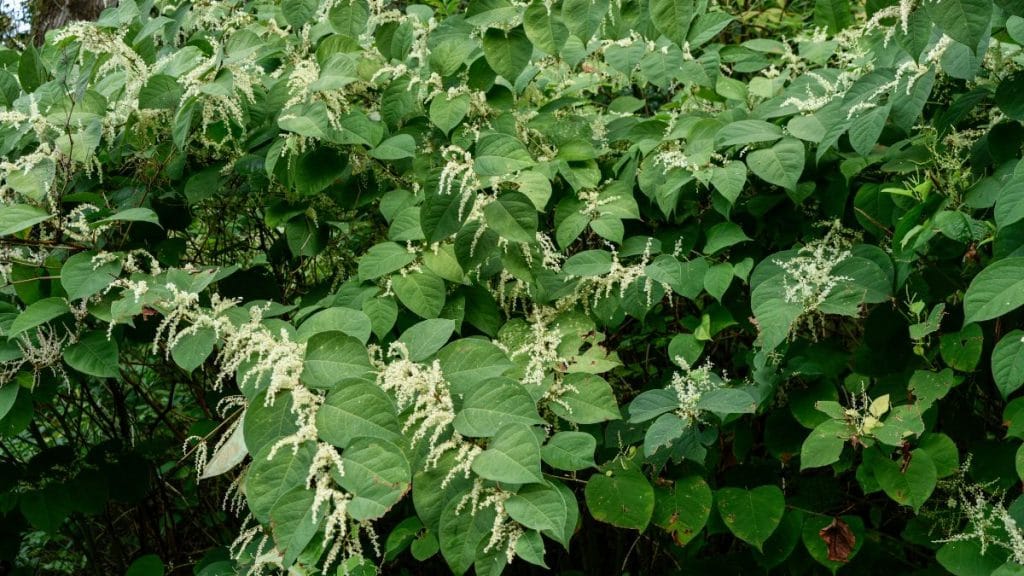
Japanese knotweed may first appear to be a tall, bamboo shaped screening plant. Its stems grow quickly and its summer flowers can attract insects.
It is one of the hardest plants on this list to remove.
The plant spreads through a large underground system. Stem and root fragments can start new growth when they are moved in soil, garden waste, or equipment.
Penn State Extension calls Japanese knotweed a tenacious invasive plant and warns that it can be confused with bamboo. Correct identification is the first step in control.
Cutting the stems once will not solve the problem. New growth often returns from the roots.
Grow instead: For height, choose native switchgrass, shrub dogwoods, inkberry, or another upright plant suited to your area.
Seek local advice before digging or moving contaminated soil. Disposal rules may apply. A local Extension office can help identify the plant and suggest a control plan for your site.
8. Mint Can Spread Far Beyond the Herb Bed
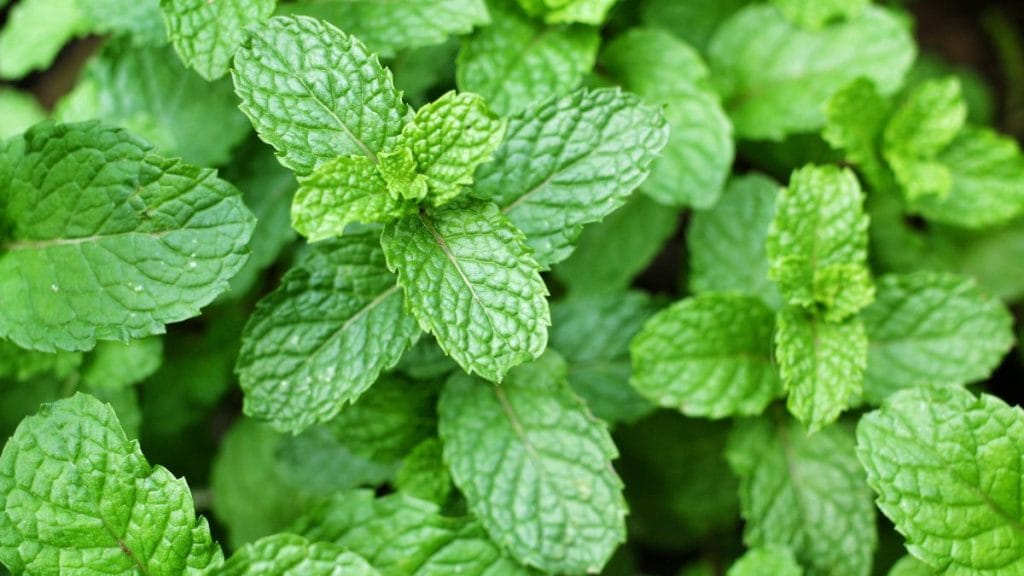
Mint is useful, fragrant, and easy to grow. Fresh leaves can be used in drinks, salads, sauces, and desserts.
In open soil, it can become a constant weeding job.
Most culinary mints spread through shallow underground stems. New shoots appear around nearby herbs and between other plants. Pulling the visible stems does little when pieces remain below the surface.
Mint is often aggressive without being classed as invasive in every region. That difference matters. An aggressive plant creates trouble inside your garden. An invasive plant escapes cultivation and causes wider harm.
Grow it safely: Place mint in a sturdy pot above a hard surface. Check the drainage holes for escaping roots. Cut flowers before they form seed.
A pot placed directly on garden soil may still allow roots to escape. Keep it on paving, a plant stand, or another surface you can inspect.
Mint earns its place in a kitchen garden, but it needs clear limits from the first day.
9. Lemon Balm Can Seed Across the Garden
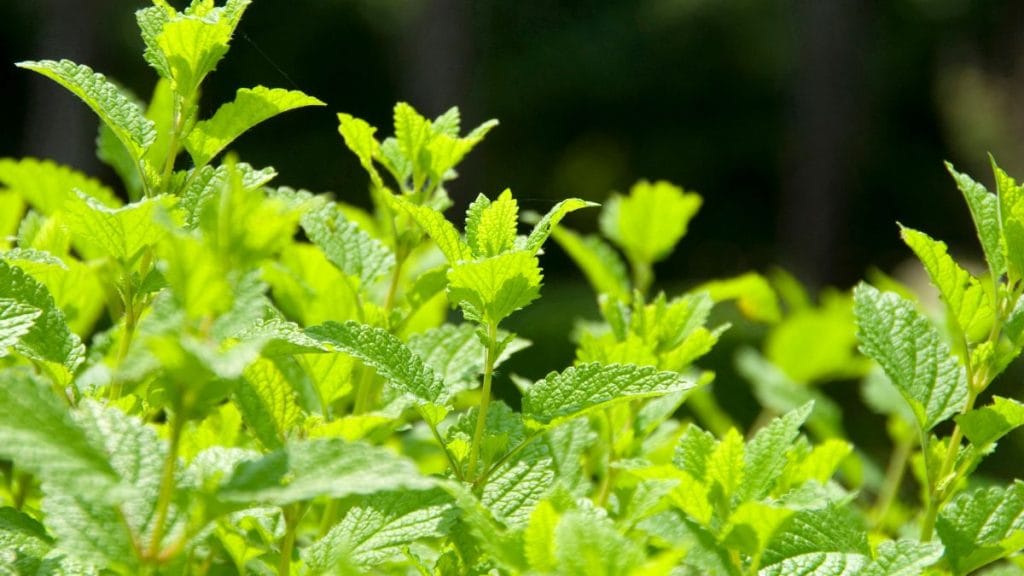
Lemon balm is a member of the mint family. Its leaves have a fresh lemon scent, and the small flowers can attract bees.
Unlike many culinary mints, lemon balm often causes its biggest problem through seed.
A single plant can produce seedlings in paths, beds, cracks, and nearby containers. The seedlings are easy to remove while young, but they become a larger task when allowed to mature.
Lemon balm is not considered invasive in every state. Still, it is an aggressive spreader in many home gardens.
Grow it safely: Keep one plant in a pot and cut it back before the flowers produce mature seed. Check the surrounding area in spring for young seedlings.
Grow instead: Lemon thyme offers a citrus scent with a lower, more controlled growth habit in many gardens. It still needs the sun and drainage suited to thyme.
Lemon balm is manageable when you prune at the right time. Skip that task for a season, and it may appear in places you never chose.
10. Lily of the Valley Can Crowd a Shady Border
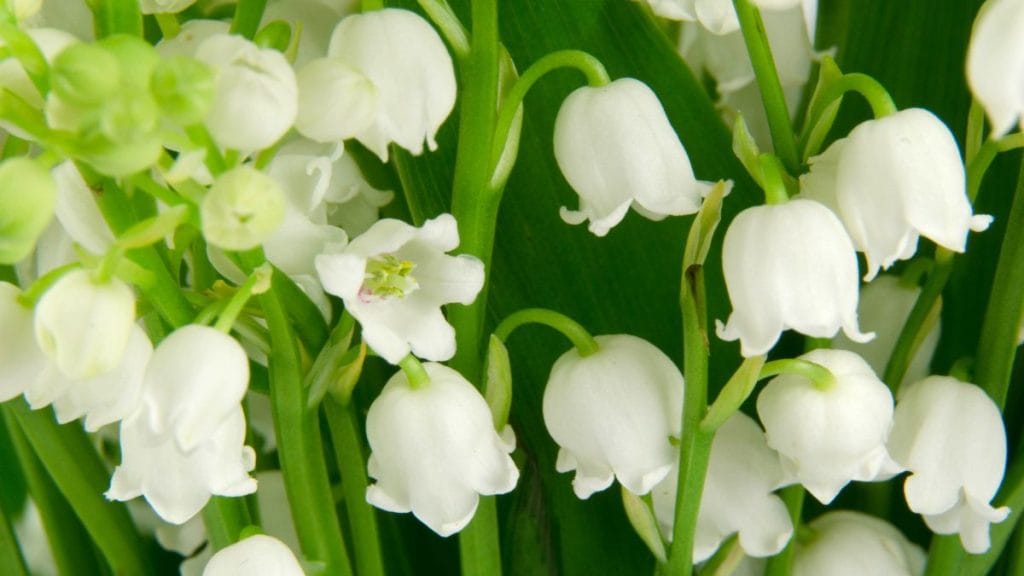
Lily of the valley produces small white bells with a strong spring scent. It thrives in shade where many flowering plants struggle.
Its underground growth can be much stronger than its delicate flowers suggest.
The plant spreads through underground stems called rhizomes. Over time, it can form a solid patch that pushes into nearby perennials. Removing it requires careful digging because small sections can remain in the soil.
Lily of the valley is an aggressive garden plant in many regions. Its official invasive status varies.
It is also toxic when eaten. This matters in gardens used by young children or pets. Do not plant it where berries or plant pieces may be handled or swallowed.
Grow instead: Consider foamflower, wild ginger, native woodland phlox, or regionally native sedges.
Use a true physical boundary if you already grow lily of the valley. Regular edging alone may not stop roots that travel below the visible surface.
11. Trumpet Vine Can Send Up Shoots Across the Yard
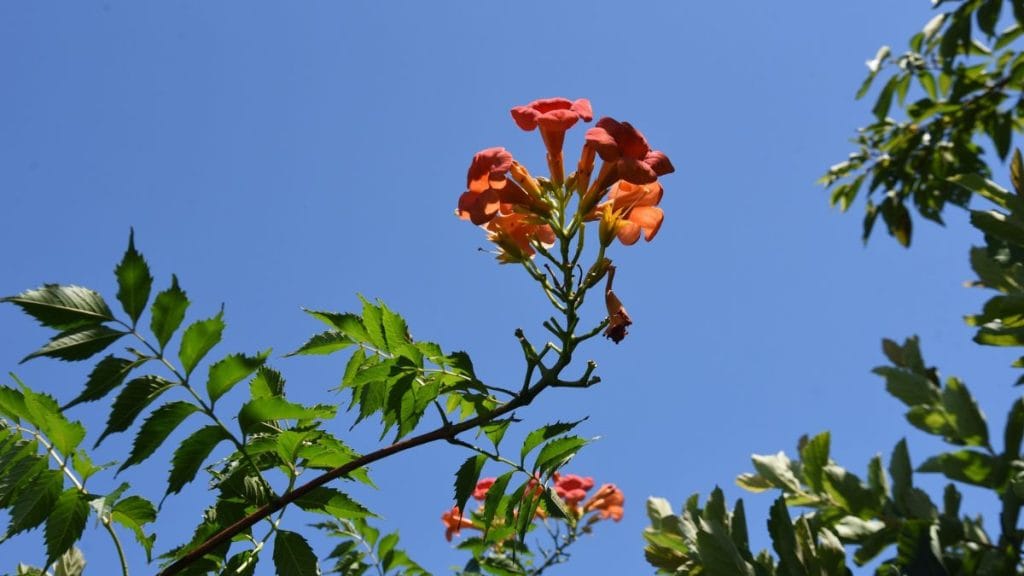
Trumpet vine offers bright orange or red flowers that hummingbirds may visit. It handles heat and can cover a large support.
It also produces a strong root system.
Shoots may appear away from the main vine, especially when roots are cut or disturbed. Seedlings can add to the problem when the long seed pods are left to mature.
Missouri Botanical Garden includes trumpet creeper among woody perennial vines that can become stubborn garden weeds. It notes that unchecked vines can overtake gardens and fence rows.
Trumpet vine is native in parts of the United States. Native status does not guarantee calm behavior in a small garden.
Grow it carefully: Give it a strong, separate structure and plenty of open space. Remove seed pods early. Mow or pull young shoots before they establish deeper roots.
For a smaller site, ask a native nursery for a flowering vine with a more restrained habit.
12. Creeping Charlie Can Spread Through Lawns and Beds
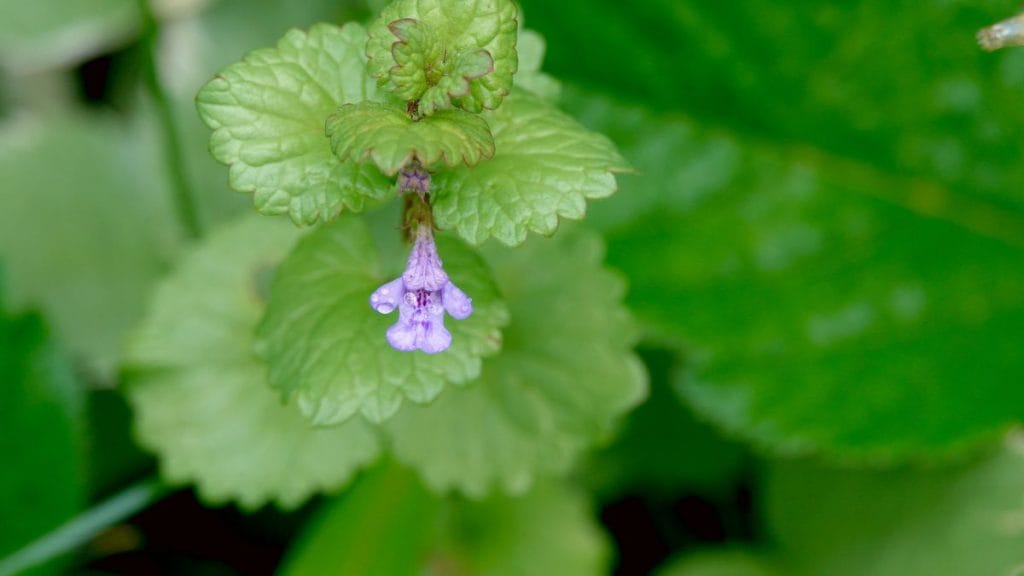
Creeping Charlie, also called ground ivy, has round leaves, purple flowers, and a minty smell when crushed.
It forms long stems that creep across the soil. Each stem can root at several points, creating a thick mat.
University of Minnesota Extension describes ground ivy as an invasive perennial that spreads mainly through stolons but can also reproduce by seed. It thrives in moist, shaded soil and can form mats from one to three feet across.
Penn State Extension notes that it is not listed as invasive in Pennsylvania, yet many turf specialists consider it one of the hardest lawn weeds to control.
This shows why local research matters. A plant can be a serious garden problem without appearing on every official invasive list.
Grow instead: Improve the site first. Thin dense shade where practical, correct drainage problems, and plant a shade tolerant ground cover that can fill the space.
What to Do When a Spreading Plant Is Already Established
Do not begin by cutting everything down. First, identify the plant and learn how it reproduces.
A plant that spreads mainly by seed needs a different plan from one that stores energy in deep roots.
Follow these steps:
- Confirm the identity. Use the scientific name whenever possible. A local Extension plant clinic can help.
- Stop new seed. Remove flowers or seed heads before they mature.
- Work from the outer edge. Remove young shoots before attacking the oldest part of the patch.
- Avoid moving root pieces. Clean tools, shoes, tarps, and machines before using them elsewhere.
- Check disposal rules. Do not place invasive roots, berries, or seeds in home compost.
- Cover bare soil quickly. Mulch and replacement plants can reduce open space where seedlings might return.
- Keep checking. Many established plants need more than one season of control.
Treatment depends on the species. University of Maryland Extension advises learning the plant’s growth pattern before selecting a removal method.
Chemical control may be useful for certain plants, but the product must be legal for the site and used exactly as the label directs. Take extra care near vegetable beds, ponds, streams, pets, and play areas.
Quick Guide to 12 Plants That Can Take Over Your Garden
| Plant | How It Spreads | Main Garden Problem | Safer Choice |
|---|---|---|---|
| Running bamboo | Underground rhizomes | Shoots appear in lawns and nearby properties | Native viburnum or shrub dogwood |
| English ivy | Runners and bird spread seeds | Covers soil, trees, walls, and shrubs | Wild ginger or native sedges |
| Asian wisteria | Seeds and rooting runners | Wraps around trees and damages weak supports | American wisteria |
| Japanese honeysuckle | Seeds and rooting stems | Smothers shrubs and young trees | Coral honeysuckle |
| Periwinkle | Trailing stems that root | Forms thick mats that crowd other plants | Foamflower or wild ginger |
| Goutweed | Underground rhizomes | Returns from small root pieces | Native sedges |
| Japanese knotweed | Roots, stems, and soil fragments | Forms dense stands and is very hard to remove | Switchgrass or shrub dogwood |
| Mint | Underground stems | Spreads through herb beds and borders | Grow mint in a raised container |
| Lemon balm | Heavy self seeding | Seedlings appear in beds, paths, and pots | Lemon thyme |
| Lily of the valley | Underground rhizomes | Crowds shade plants and spreads beyond borders | Woodland phlox or foamflower |
| Trumpet vine | Root suckers and seeds | Sends shoots across lawns and garden beds | A restrained native flowering vine |
| Creeping Charlie | Rooting surface stems and seeds | Forms dense mats in lawns and shaded beds | Shade tolerant native ground cover |
Use This Checklist Before Your Next Garden Center Visit
A few minutes of research can prevent years of pulling roots.
Before buying a fast growing plant, ask:
- What is its complete scientific name?
- Is it listed as invasive in my state?
- Does it spread through seed, roots, runners, or all three?
- How wide will one plant become in five years?
- Does it need a root barrier?
- Will it climb trees or buildings?
- Is there a local native plant with the same purpose?
- How hard is it to remove once established?
The USDA National Invasive Species Information Center provides access to federal, state, and local information about invasive species.