
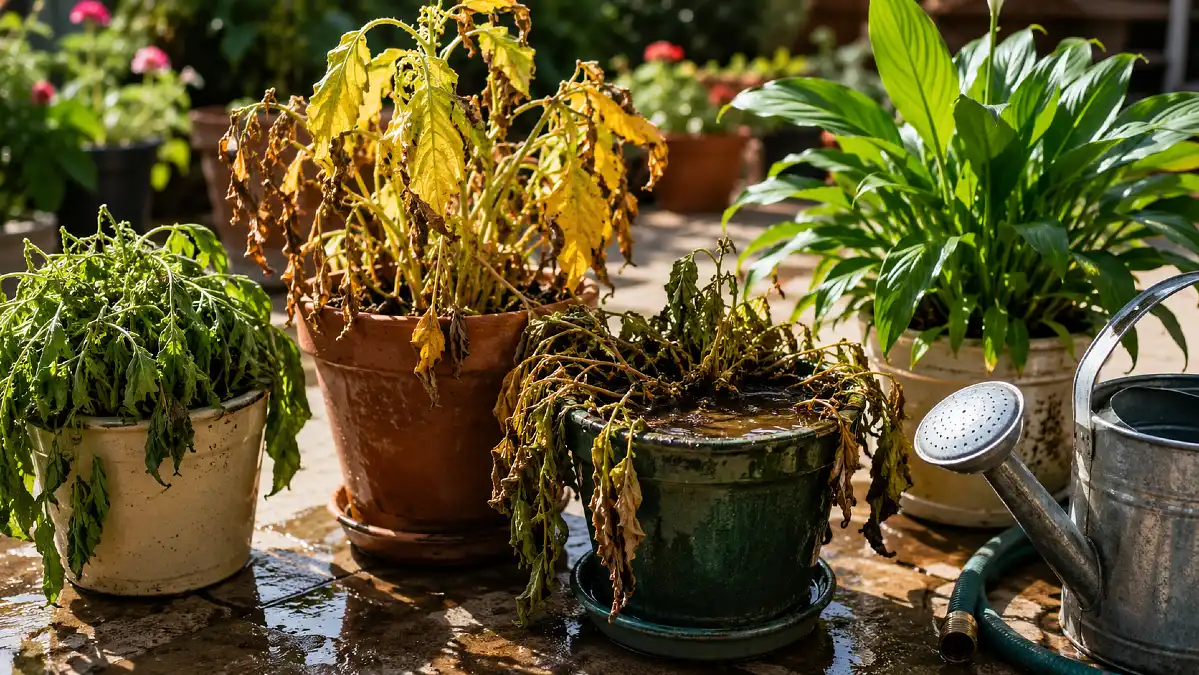
Your plants looked healthy a few weeks ago. Now the leaves are drooping, flower buds are drying up, and several pots seem tired by lunchtime.
So you add more water. Then you water again the next day.
But the plants keep getting worse.
This is what makes summer watering so confusing. A dry plant and an overwatered plant can both wilt. Yellow leaves can come from damaged roots, poor drainage, or soil that stays wet for too long.
The answer is rarely to water everything more often. You need to know what is happening below the soil.
These nine summer plant watering mistakes can affect flowers, vegetables, herbs, shrubs, hanging baskets, and patio pots. Here is how to spot each one and fix it before the damage spreads.
1. Watering on a Fixed Schedule Instead of Checking the Soil
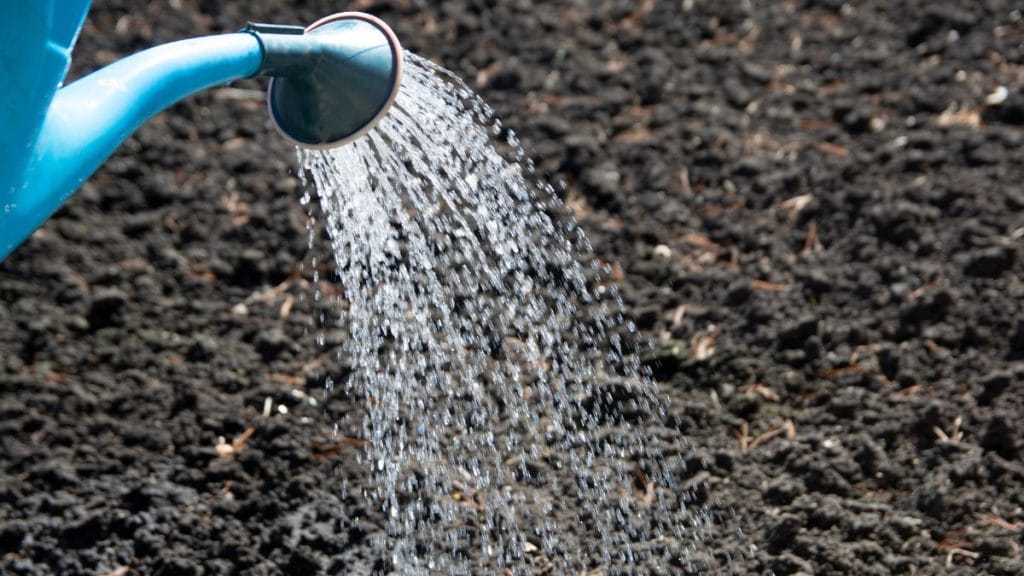
A watering schedule feels helpful because it removes the guesswork. The problem is that your plants do not use water at the same rate every day.
A large tomato plant in a sunny pot may dry quickly during a hot, windy afternoon. A shrub in clay soil may still have wet roots several days after watering.
Rain also changes the routine. So do clouds, humidity, plant size, pot material, and the amount of shade.
University of Minnesota Extension recommends checking the soil itself when deciding whether a garden needs water. It notes that sandy soil may need water more often than soil with a greater ability to hold moisture.
What to do instead
Check the root area before turning on the hose.
- Push a finger about one or two inches into a small pot.
- Insert a wooden skewer deeper into a large container.
- Use a small trowel to inspect garden soil below the dry surface.
- Lift lightweight pots and learn how they feel when wet and dry.
Do not judge the soil by its color alone. The surface can look pale and dusty while the area around the roots remains damp.
Colorado State University Extension suggests using a soil probe or small spade to inspect moisture about six to eight inches into a vegetable garden.
Your goal is not to follow the same routine forever. It is to notice when the plant actually needs water.
2. Giving Plants Small Sips That Never Reach the Roots
A quick spray can make the garden look wet without giving the roots enough water.
The top inch becomes damp. The deeper soil stays dry.
Plants may then keep more roots close to the surface, where heat and wind remove moisture quickly. The plant becomes less able to cope when you miss a watering session.
University of Minnesota Extension warns that light watering can support shallow root systems that are more open to heat and drought stress. It recommends soaking the wider root area of established trees and shrubs.
How to water deeply
Apply water slowly enough for it to enter the soil.
Pause when water starts running across the surface. Let it soak in, then return for another pass.
After watering, use a trowel to check the depth. Iowa State University Extension recommends wetting the full root zone and suggests checking whether the soil is moist about five or six inches deep.
For containers, continue until a little water drains from the bottom. Do not leave the pot standing in that water unless it is a plant that prefers very wet soil.
Very dry potting mix may pull away from the sides of a container. Water can then rush through the gaps without soaking the center.
When that happens, apply a small amount first. Wait a few minutes, then water slowly again. Small pots with severely dry soil can also be soaked in a tub until the root ball becomes evenly moist, a method included in guidance from the Royal Horticultural Society.
3. Watering Again Because the Leaves Look Wilted
Wilting does not always mean the soil is dry.
A plant can lose water through its leaves faster than the roots can replace it during extreme afternoon heat. The leaves may droop for a few hours even when the soil contains enough moisture.
University of Minnesota Extension specifically advises gardeners to check the soil rather than judging moisture by wilted leaves alone. Heat can cause wilting when water is still available around the roots.
Adding more water to already wet soil may make the problem worse.
Missouri Botanical Garden explains that roots in waterlogged soil can lose access to oxygen. Damaged roots then struggle to supply the plant with water and nutrients. This can make an overwatered plant look strangely thirsty.
Check these clues before watering
The plant may be too dry when:
- The soil feels dry several inches down.
- The container feels much lighter than usual.
- Leaves feel thin, dry, or crisp.
- The plant remains wilted after the day becomes cooler.
The plant may be too wet when:
- The soil feels cool and wet below the surface.
- Lower leaves are yellowing.
- Stems or roots feel soft.
- The pot smells sour.
- Fungus or algae keeps appearing on the soil.
When the soil is moist, give the plant shade from severe afternoon sun and check it again in the evening. Do not add water just because the leaves droop at 2 p.m.
4. Watering During the Hottest Part of the Day
Watering at noon is not always harmful. A severely dry plant should receive water when it needs it.
Still, midday is usually an inefficient time for routine watering. Hot soil, wind, and strong sun can remove part of the water before it reaches the deeper root area.
Early morning is usually the best time to water plants during summer.
University of Minnesota Extension recommends watering as early as possible because less water is lost from the soil than during the hottest part of the day. Its 2026 heat guidance identifies roughly 5 a.m. to 9 a.m. as a useful morning period.
Morning watering also gives plants moisture before the afternoon heat arrives.
What if you cannot water in the morning?
Watering in the early evening can work. Aim the water at the soil and avoid leaving the foliage wet through a cool, still night.
Do not wait until morning when a plant is severely dry, newly planted, or showing clear signs of dangerous heat stress. Water it immediately and protect it from intense sun while it recovers.
The lesson is simple. Use early morning for your normal routine, but help a dry plant whenever it truly needs help.
5. Pouring Water Over the Leaves Instead of the Soil
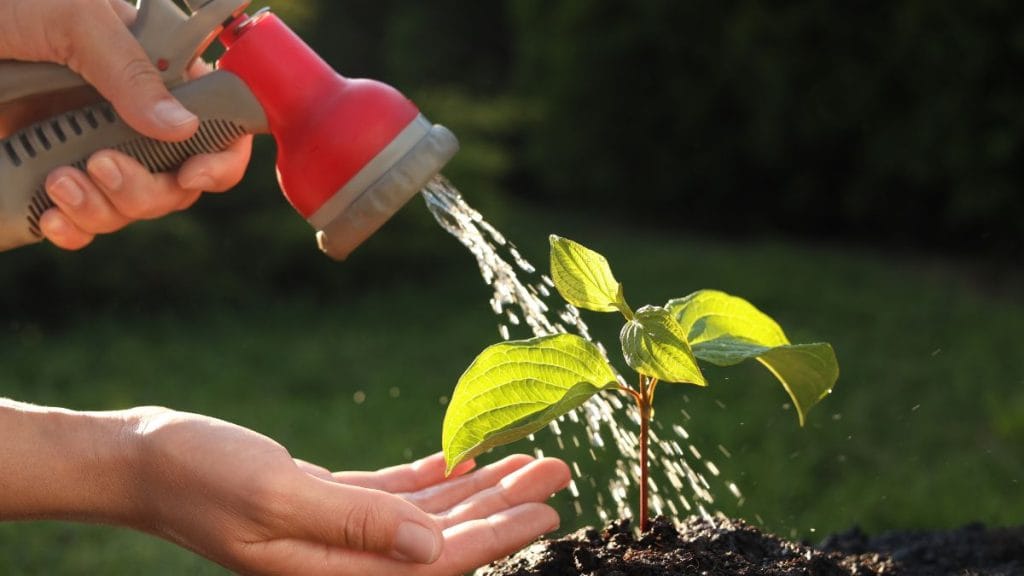
The roots need the water. Yet many gardeners spend most of their time spraying the tops of plants.
A strong spray can flatten flowers, move soil away from shallow roots, and send water outside the area where it is needed. Wind can also carry fine droplets away.
Wet leaves are not always a problem. Rain wets plants all the time. The issue is that spraying foliage can waste water while leaving the root zone too dry.
University of Minnesota Extension recommends drip irrigation because it places water at the soil surface. It also advises gardeners who water by hand to direct the flow close to the soil.
The Royal Horticultural Society gives similar advice. It teaches gardeners to water the soil at the base because roots take up most of the water used by the plant.
Better ways to reach the roots
- Use a watering wand with a gentle flow.
- Place a soaker hose beside rows of vegetables.
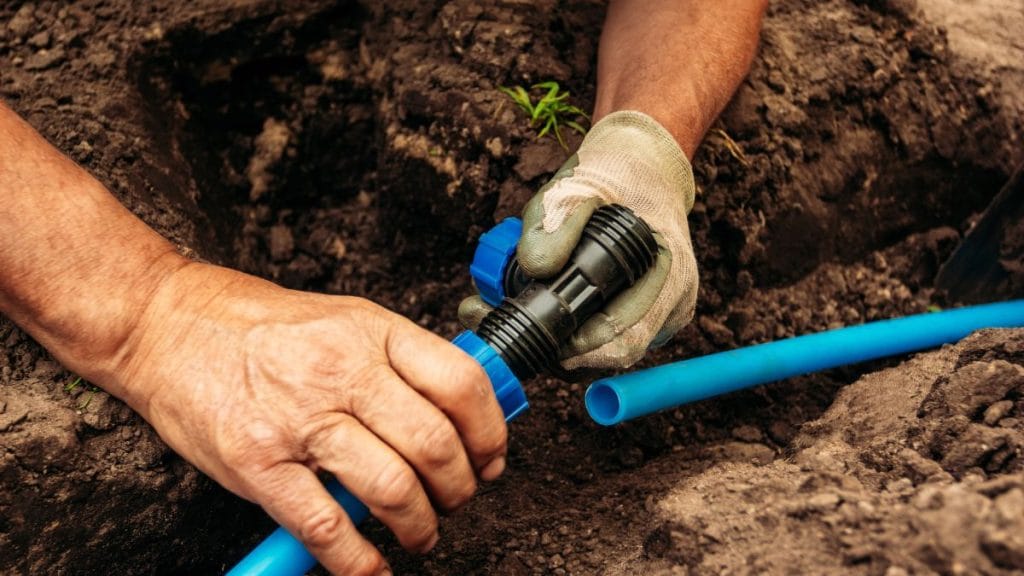
- Install drip tubing around patio containers.
- Water across the wider root area of trees and shrubs.
- Use a small spout between thick leaves.
Do not pour all the water directly against a tree trunk or plant stem. Spread it over the soil where the active roots are growing.
6. Treating Every Plant as Though It Needs the Same Amount
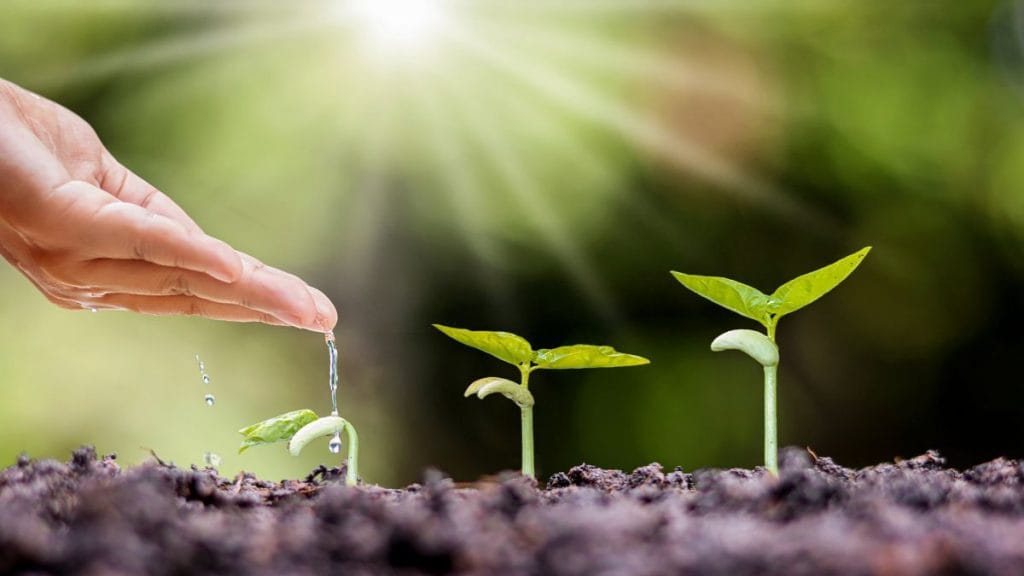
Your rosemary should not receive the same care as a thirsty hanging basket.
Plants differ in how much moisture they need. Their needs also change with age, size, growth stage, and location.
A large container filled with petunias may need frequent checks during hot weather. An established lavender plant in the ground may suffer when its soil remains wet.
Succulents, snake plants, rosemary, and many plants from dry climates need the soil to drain well. Cucumbers, tomatoes, leafy vegetables, and flowering annuals often need more regular moisture while actively growing.
Penn State Extension notes that snake plants need free draining soil and can be killed by repeated overwatering.
Group plants by water need
Place plants with similar needs near one another.
You might create separate groups for:
- Thirsty flowering baskets and vegetable pots
- Plants that prefer even moisture
- Mediterranean herbs that like drier soil
- Succulents and other plants that need long drying periods
Colorado State University Extension recommends organizing irrigation areas so that the plants in each area have similar water needs. A lawn, flower bed, tree, and vegetable patch should not receive the same treatment simply because one sprinkler reaches all of them.
New plants also need special attention. Their roots have not spread into the surrounding soil yet. Check them more often, but never assume that frequent watering means keeping the soil soaked.
Read the plant label and check guidance from a local extension service. Local advice matters because summer heat, rainfall, soil, and humidity vary by region.
7. Ignoring Drainage Holes and Waterlogged Soil
A pot without working drainage can become a bucket.
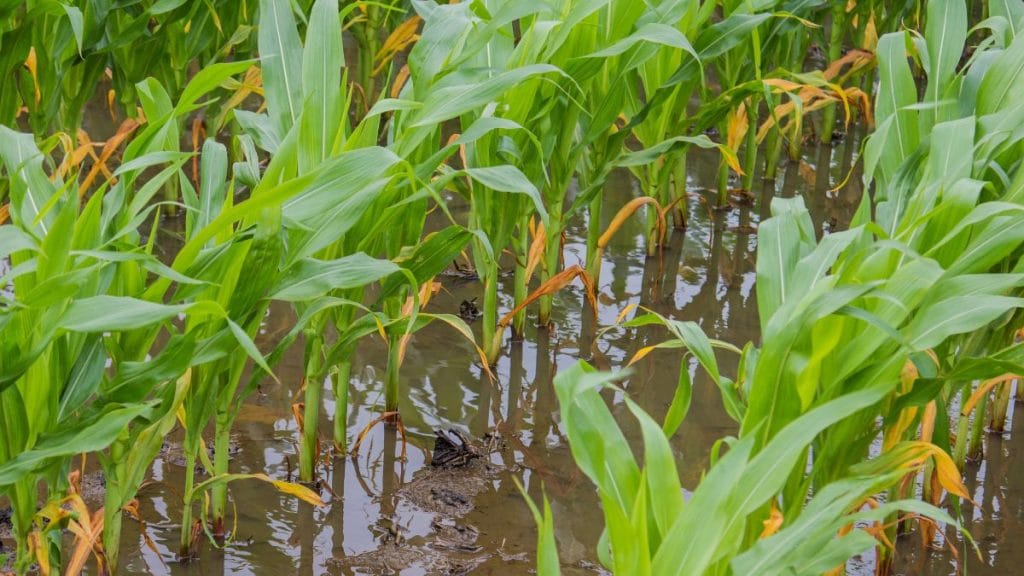
Water enters the soil but has nowhere to go. The roots sit in wet potting mix, oxygen levels fall, and root tissue begins to weaken.
The confusing part is that the leaves may still wilt.
Missouri Botanical Garden explains that waterlogged roots cannot receive the oxygen they need. As those roots decline, they become less able to supply water to the rest of the plant.
Check every container
Make sure each outdoor pot has open drainage holes.
Then look for hidden water traps:
- A nursery pot sitting inside a solid decorative pot
- A saucer that stays full after rain
- Roots blocking the holes
- Thick soil that drains very slowly
- A flat pot base pressed tightly against the patio
Raise large containers slightly with pot feet when needed. Empty saucers and decorative covers after heavy rain.
Do not improve drainage by placing a thick layer of rocks at the bottom of an ordinary pot. The better fix is a container with open holes and a suitable potting mix.
How to help a waterlogged plant
Stop watering until the soil begins to dry. Move the container out of heavy rain and harsh afternoon sun.
If the soil smells bad or the roots are soft and dark, remove the plant from the pot. Cut away badly damaged roots with a clean tool and repot it in fresh, free draining mix.
Recovery is not guaranteed when most roots have rotted. Acting early gives the plant a better chance.
8. Forgetting That Containers Dry Faster Than Garden Beds
Container plants have access to a small amount of soil. Once that soil dries, the roots cannot search farther for water.
The Royal Horticultural Society notes that container plants depend heavily on the gardener because their root area is restricted. It also warns that containers must be protected from both excessive dryness and excessive moisture.
Small pots, hanging baskets, and shallow planters can dry especially fast. Wind pulls moisture from leaves and soil. Dark containers in full sun can also become very warm.
Houseplants moved outdoors need extra care. University of Minnesota Extension warns that outdoor pots dry faster than indoor pots and recommends protecting many houseplants from harsh afternoon sun.
Make container watering easier
- Check hanging baskets at least once a day during severe heat.
- Move sensitive pots away from reflected heat near walls.
- Place small pots where they receive afternoon shade.
- Use larger containers when plants dry out within hours.
- Group pots together to reduce exposure to hot wind.
- Add drip lines or a reliable self watering system when traveling.
A larger pot usually holds moisture longer, but it can also remain wet too long when the plant is small or the mix drains poorly.
Always check before watering. Frequent checking does not mean automatic watering.
9. Leaving the Soil Bare and Letting Water Run Away
Bare soil loses moisture faster in hot weather. Its surface may also become hard, crusted, or cracked.
When you water, the flow may run downhill or spread across the surface instead of entering the root zone.
Mulch helps shade the soil and slow moisture loss. University of Minnesota Extension notes that mulched soil holds water better and may need less frequent irrigation.
Its seasonal garden guidance suggests applying roughly two to three inches of mulch to help hold moisture and keep roots cooler.
Use mulch without smothering plants
Apply organic material over the open soil, but leave a small gap around stems and trunks.
Useful choices include:
- Shredded leaves
- Fine bark
- Straw around vegetables
- Finished compost
- Untreated grass clippings applied in thin layers
More is not always better. University of Minnesota Extension warns that mulch deeper than about three inches can block water movement, reduce oxygen, and keep poorly drained soil too wet around newly planted trees and shrubs.
If water runs away from dry soil, reduce the pressure. Apply a small amount, pause, and repeat. A soaker hose or drip line can deliver water more slowly than a strong hose spray.
A Quick Test Before You Water Again
Before adding more water, spend two minutes checking the plant.
| What to check | What it may tell you |
|---|---|
| Dry soil several inches down | The plant may need water |
| Wet soil with yellow leaves | The roots may be staying too wet |
| A very light container | Much of the potting mix has dried |
| A heavy container several days later | Drainage may be poor |
| Wilting only during afternoon heat | The plant may be reacting to heat |
| Water rushing from the bottom at once | The root ball may be very dry or water may be moving around it |
| Water sitting in a saucer | The roots may remain waterlogged |
Then follow this routine:
- Check moisture below the surface.
- Look at the drainage holes and saucer.
- Consider recent rain and temperature.
- Think about the needs of that plant.
- Water slowly across the root area when the soil needs it.
- Check the soil afterward to see how deeply the water traveled.
This quick check is more useful than blindly following a daily watering schedule.