
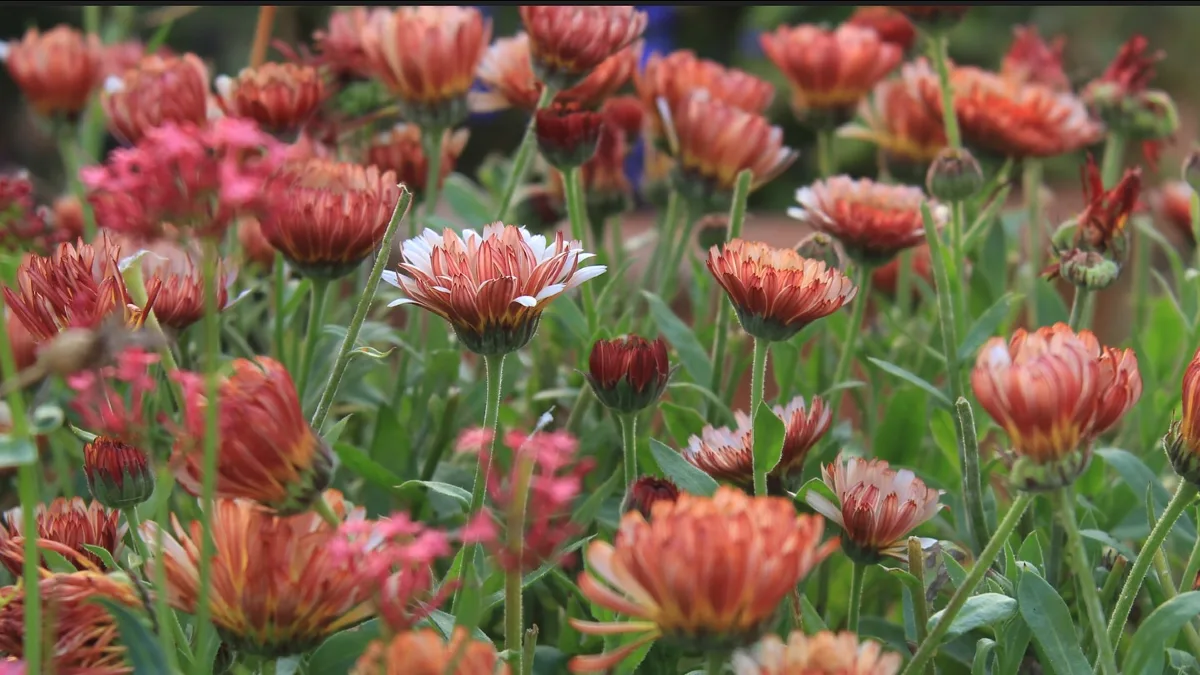
In nature tomatoes never grow alone in bare soil. Yet in most gardens we plant them in isolated rows like soldiers leaving them vulnerable to disease and pests.
This single crop method acts as a giant welcome sign for hornworms and blight to destroy your harvest. The solution is not more chemicals but biological warfare through Intercropping.
By planting specific neighbors you create a defensive team that fights pests for you. This guide covers the 13 best plants to intercrop with tomatoes to boost yields and stop pests naturally.
1. Basil
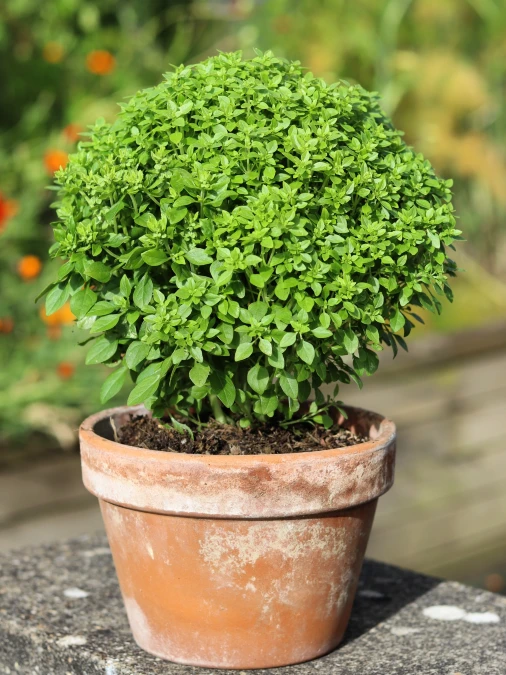
Basil acts as a powerful chemical shield for your vegetable garden. It releases strong volatile oils that mask the scent of tomatoes completely.
This confusion stops pests like hornworms from finding their target leaves. It also serves as a natural bouncer to keep mosquitoes away while you work.
- Repels hornworms and whiteflies effectively
- Improves the flavor of tomato fruit
- Increases root growth for better stability
Basil & Tomato Synergy
Pest Deterrent
Basil emits a strong aromatic scent that repels hornworms and whiteflies before they can damage your tomatoes.
Flavor Enhancer
Studies and lore suggest that growing basil nearby actually improves the sugar content and flavor of the fruit.
Structural Stability
The different root depths and structures increase root density, leading to better soil stability and water uptake.
2. French Marigolds
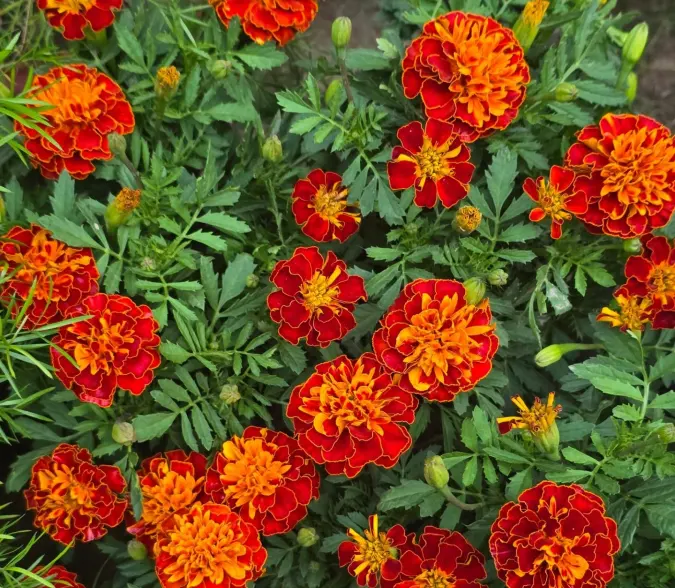
These flowers act as an underground guardian against soil pests. The roots release a specific toxin that kills harmful nematodes in the dirt.
You must plant them early to protect the tomato roots from damage. They also attract good bugs that hunt down aphids on the leaves.
- Kills root knot nematodes in the soil
- Attracts beneficial insects like hoverflies
- Must be planted before the tomatoes to work
3. Borage
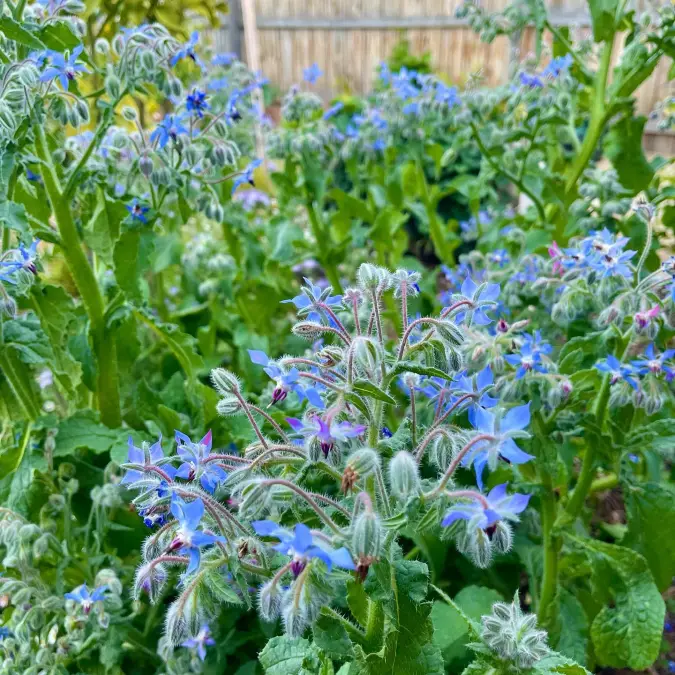
Borage is the best plant for stopping big caterpillars in the garden. It has blue flowers that attract a specific wasp called the Braconid wasp.
These wasps lay eggs on the hornworms and destroy them completely from the inside. The leaves are also full of good nutrients for compost.
- Attracts wasps that kill tomato hornworms
- Deters cabbage worms from eating leaves
- Adds calcium to the soil when composted
4. Radishes
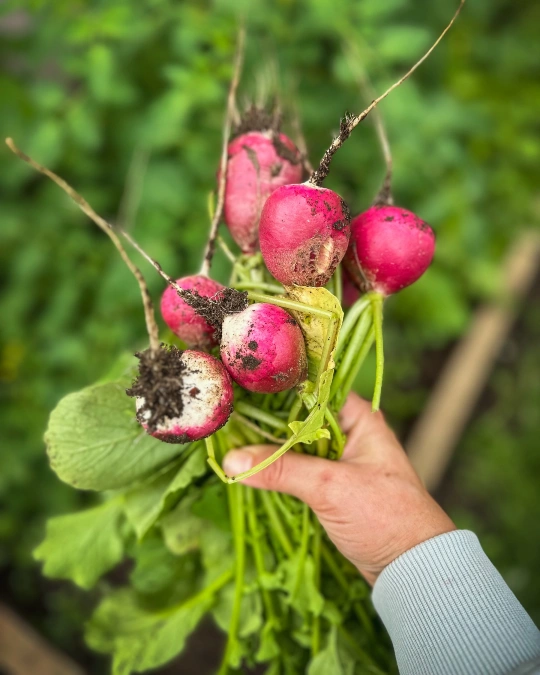
Farmers use radishes as a trap to save their main crops. Flea beetles prefer to eat radish leaves instead of tomato leaves.
The beetles swarm the radishes and leave your young tomatoes alone. You can harvest the radishes before the tomatoes get too big and shade them out.
- Acts as a distraction for flea beetles
- Breaks up hard soil for tomato roots
- Matures quickly in just twenty five days
5. Garlic
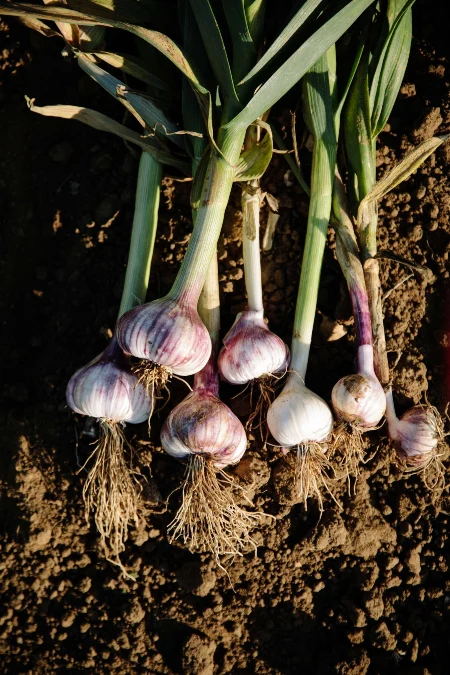
Garlic fights fungus and keeps plants healthy during wet summers. It has a strong sulfur smell that pests like red spider mites hate.
These mites often kill tomatoes in hot weather but garlic stops them. It takes up very little space in the garden bed.
- Acts as a natural fungicide against blight
- Repels spider mites during hot spells
- Fits easily between large tomato plants
6. Lettuce
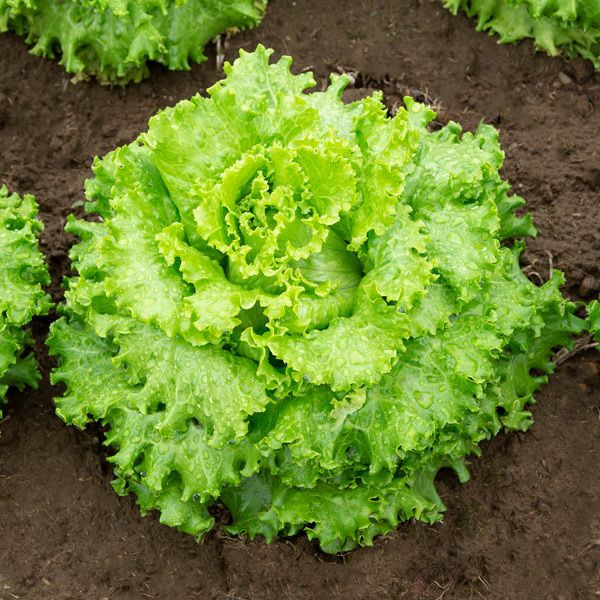
Lettuce works like a living layer of mulch on the ground. It covers the soil to keep moisture in and stop weeds from growing.
The tall tomato plants provide shade that keeps the lettuce cool. This prevents the lettuce from tasting bitter in the summer heat.
- Retains soil moisture by covering the ground
- Suppresses weeds naturally without chemicals
- Thrives in the shade of tomato leaves
The Living Mulch
Moisture Retention
Lettuce leaves act as a breathable cover, retaining soil moisture and preventing the surface from baking.
Natural Weed Suppression
The dense canopy of lettuce shades out weeds, eliminating the need for chemical or manual intervention.
Canopy Protection
While tomatoes love the sun, lettuce thrives in the partial shade provided by the tall tomato foliage.
7. Nasturtiums
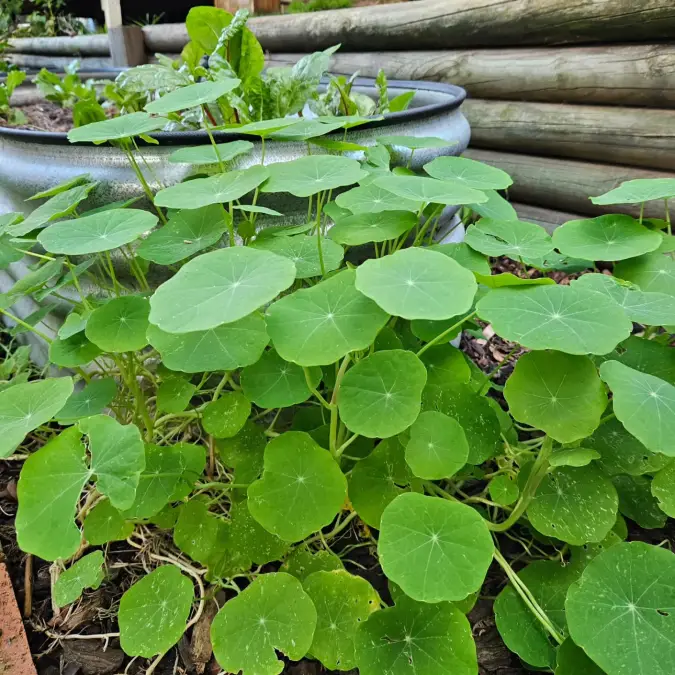
You should plant nasturtiums to catch aphids before they reach the tomatoes. They work as a trap because black aphids love these flowers more than vegetables.
You place them a few feet away to pull bugs off your crop. The trailing varieties also cover the ground to cool the soil.
- Draws aphids away from tomato vines
- Produces edible peppery flowers
- Cools the soil with dense leaves
8. Carrots
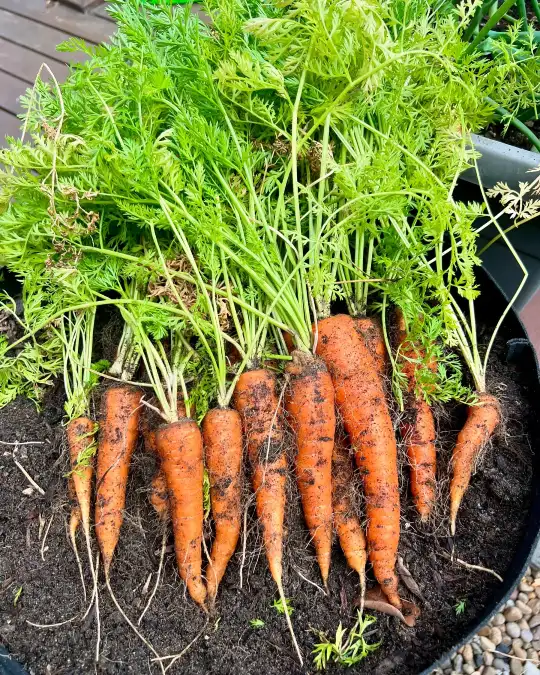
Carrots are great for using all the space in your garden bed. Tomatoes send roots deep down while carrots stay near the top.
This means they do not fight for food or water in the soil. You can plant them early and harvest them when the tomatoes get tall.
- Maximizes harvest in small spaces
- Does not compete for deep soil nutrients
- Thrives in the shade of mature tomatoes
9. Chives
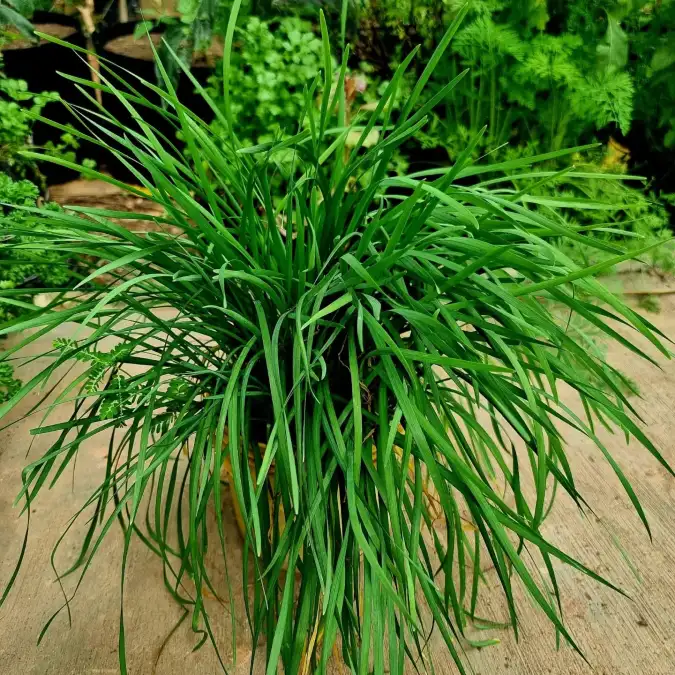
Chives help prevent scabs and fungal diseases on plant leaves. They are tough plants that come back every year without replanting.
You can make a tea from the leaves to spray on your garden. Their purple flowers bring in bees early in the spring.
- Prevents fungal issues like apple scab
- Attracts bees for better pollination
- Returns every year as a perennial plant
10. Parsley
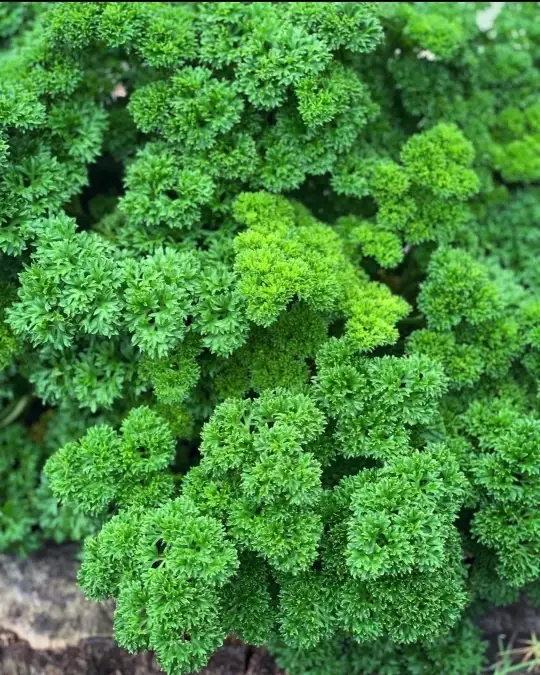
Parsley attracts insects that eat bad bugs in your garden. Hoverflies love the flowers and their babies eat many aphids every day.
This keeps the aphid population low without using sprays. The plant also stays green for a long time in the season.
- Attracts hoverflies that eat aphids
- Provides shelter for beneficial insects
- Keeps the soil cool and moist
11. Bush Beans
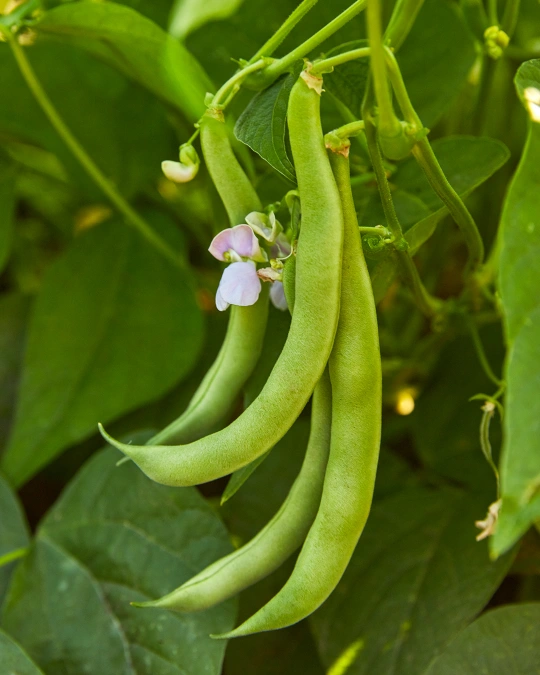
Bush beans put nitrogen back into the dirt for tomatoes to use. Tomatoes need this nitrogen to grow big green leaves and stems.
You must choose bush types so they do not climb on the tomatoes. They protect the soil and feed the plants at the same time.
- Fixes atmospheric nitrogen into the soil
- Does not tangle with tomato vines
- Increases overall soil fertility naturally
12. Sweet Alyssum
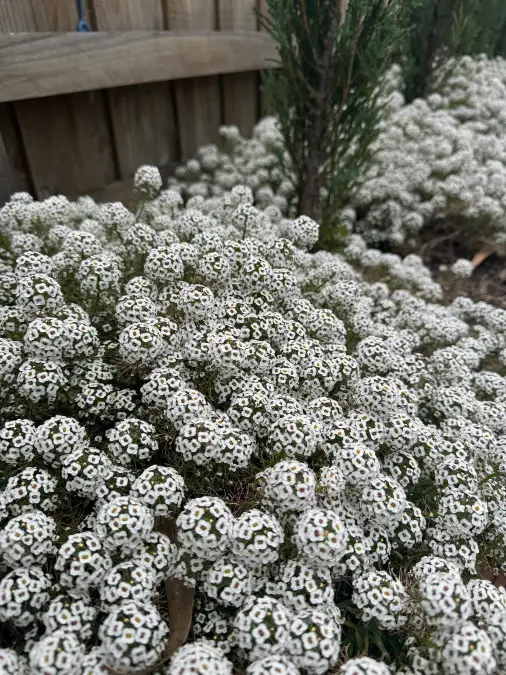
This flower creates a white carpet that stops weeds from growing. It attracts tiny wasps that are too small for other flowers.
These wasps hunt down pests that hide inside tomato blossoms. The flowers smell like honey and look beautiful in the garden.
- Forms a dense mat to suppress weeds
- Attracts tiny parasitic wasps
- Blooms consistently throughout the season
13. Cilantro
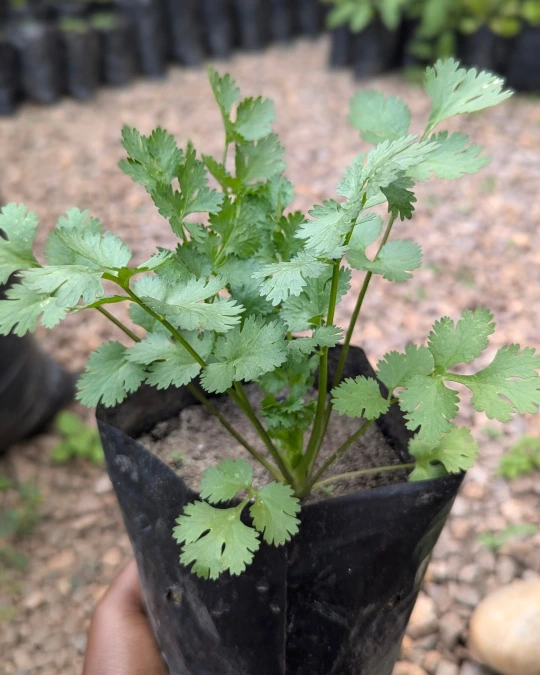
Cilantro defends your garden during the cool parts of the year. It attracts ladybugs and lacewings when it starts to flower.
You should use it early before the summer heat kills it. It is perfect for protecting young tomato seedlings in the spring.
- Attracts ladybugs and lacewings
- Protects young plants in cool weather
- Bolts to flower when pests arrive
Dill the Defender
Beneficial Insect Magnet
Dill flowers are the ultimate landing pad for ladybugs and lacewings, the natural enemies of tomato aphids.
Cool Weather Shield
Its wispy, tall growth provides a gentle windbreak that protects young seedlings during unpredictable spring weather.
Indicator Bolting
Dill often bolts to flower precisely when pest populations rise, acting as an early-warning attractant for the garden.
Conclusion
Your tomato patch should look like a jungle rather than a factory line. By adding these neighbors you stop pests and get more fruit with less work. You do not need to plant all of them to see results.
Pick just three plants from this list like the basil and marigold combination to start. Your sauce will taste better and your pesticide bottle will stay on the shelf thanks to these plants to intercrop with tomatoes.