

Every morning millions of tons of nutrient rich brown gold are thrown into the trash while our gardens starve for exactly what we are tossing out. It feels wasteful because chemical fertilizers are getting expensive and can be harsh on your soil ecology.
Many gardeners are confused about which plants actually want that boost of acidity and nitrogen versus which ones will suffer from it.
In this guide you will learn the exact list of 13 plants that genuinely benefit from coffee grounds and how to apply them safely.
1. Roses
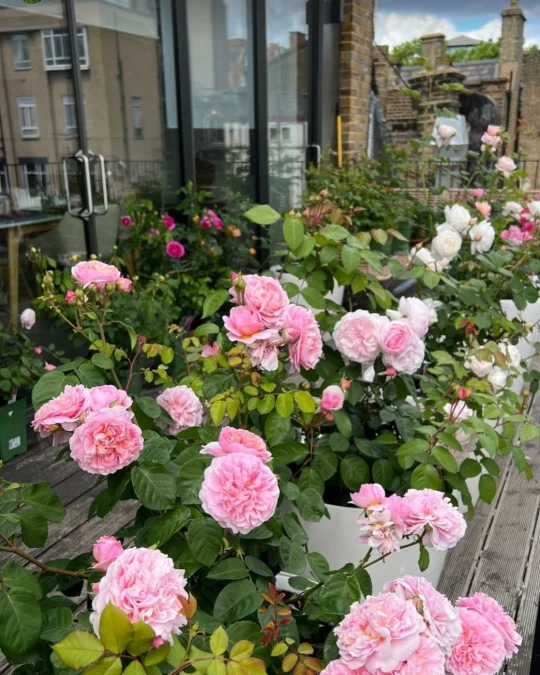
Your roses are hungry plants that pull massive amounts of nutrients from the soil to produce their thick stems and vibrant flowers.
They need a steady supply of nitrogen to maintain their health throughout the growing season. Coffee grounds act as a slow release fertilizer that keeps them fed without burning the roots.
The Coffee-Infused Rose
Foliage Nitrogen Boost
Slow-release Nitrogen boosts the growth of lush green foliage and strengthens the main canes.
Natural Soil Aeration
Earthworms are attracted to the grounds, eating them and aerating the soil around the delicate roots.
Mineral Bloom Support
Essential Magnesium and Potassium minerals support consistent and vibrant flower production.
Structure & Drainage
Adding texture improves soil drainage, which effectively prevents root rot in clay-heavy patches.
2. Blueberries

Blueberries are the poster child for acid loving plants and often struggle in alkaline soil conditions. If the soil pH is too high the bushes cannot absorb the nutrients they need to grow fruit effectively.
Coffee grounds help acidify the soil naturally to keep your berry bushes happy and productive.
- Grounds lower pH levels over time for better growth
- Helps the plant uptake iron preventing yellow leaves
- Fresh grounds provide a stronger acidic effect than used ones
- Acts as a natural mulch to retain soil moisture
3. Hydrangeas
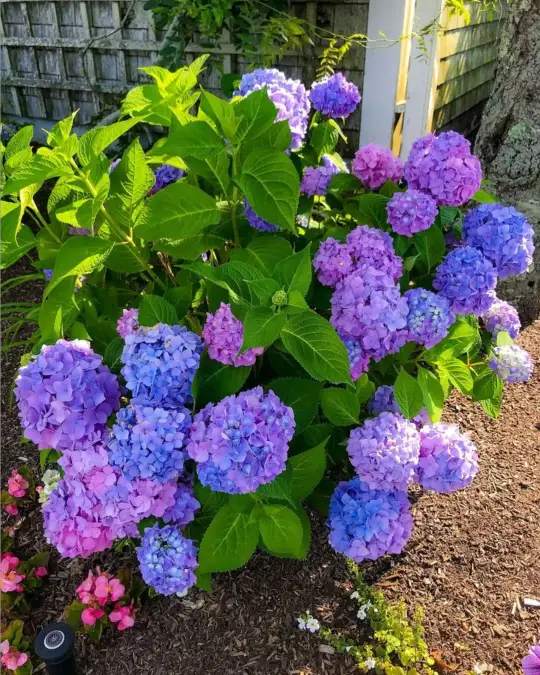
Many gardeners want those stunning blue blooms but end up with pink ones due to their local soil chemistry. The color depends entirely on how acidic your soil is during the growing season.
Adding coffee grounds increases acidity which makes aluminum available to the plant and turns flowers blue.
- Shifts flower color from pink to blue over time
- Acts as a light mulch to keep surface roots cool
- Improves soil texture for better water retention
- Adds organic matter to feed beneficial soil microbes
4. Azaleas

Azaleas are shallow rooted shrubs that hate drying out but also struggle in heavy and compacted soil. They thrive in loose and acidic environments that allow their delicate roots to breathe.
Using coffee grounds helps create the perfect soil structure while providing a gentle nutrient feed.
- Grounds act as a protective mulch for shallow roots
- Provides a steady trickle of nitrogen without burning
- Mixes well with pine needles for better aeration
- Helps maintain the acidic pH azaleas require
5. Carrots

For carrots we are not using coffee grounds for nutrition as much as for protection and soil structure.
Growing carrots can be frustrating if the seeds wash away or if pests attack the young roots. The texture of the grounds helps solve both issues for a better harvest.
- The strong smell and gritty texture deter the carrot rust fly
- Mixing with seeds adds volume for easier spacing
- Keeps the soil loose so carrots grow straight
- Adds organic matter that holds moisture for germination
6. Radishes

Radishes are fast growers but they are prone to root maggots that tunnel through the bulb and ruin the harvest.
They need loose soil to expand quickly without hitting hard clumps of dirt. Coffee grounds provide the grit and texture needed to keep the soil fluffy.
The Coffee-Powered Radish
Bulb Expansion
Keeps the soil loose and friable, allowing for better bulb expansion and perfectly round radishes.
Pest Repellent
The abrasive texture and scent effectively repels root maggots and other soil-dwelling pests.
Moisture Retention
Retains consistent moisture to prevent radishes from becoming woody or overly spicy during heat waves.
Nitrogen Support
Adds small, steady amounts of nitrogen for lush leafy top growth, essential for bulb photosynthesis.
7. Rhododendrons
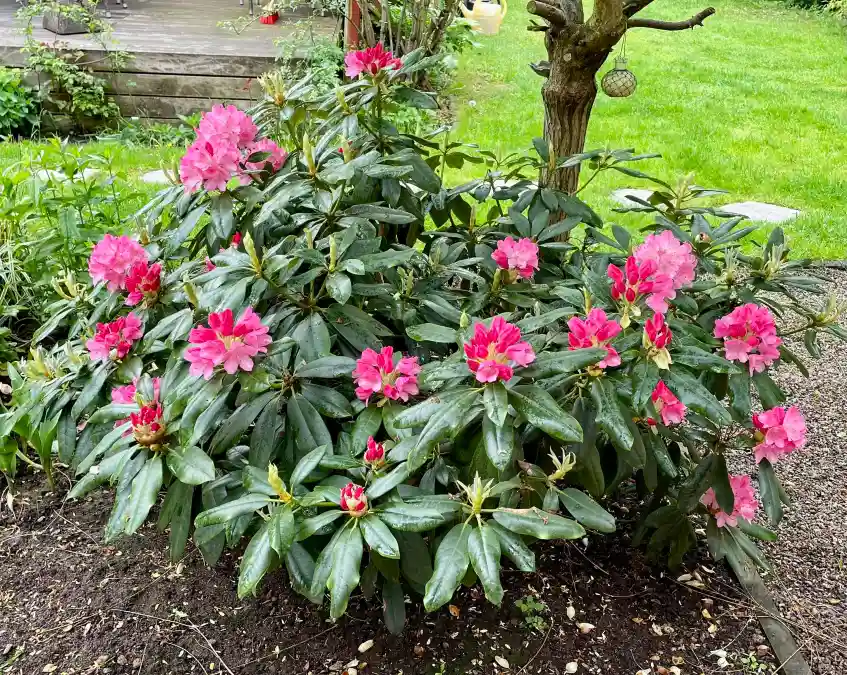
Like their cousins the Azaleas these large shrubs require constant organic matter breakdown to feed their extensive root systems.
They are heavy feeders that need a rich soil environment to support their large dark green leaves. Coffee grounds help improve the soil structure while feeding the plant.
- Nitrogen helps support large and glossy leaves
- Improves drainage in heavy clay soils
- Encourages beneficial microbes to break down mulch
- Provides a slow release food source all season
8. Camellias
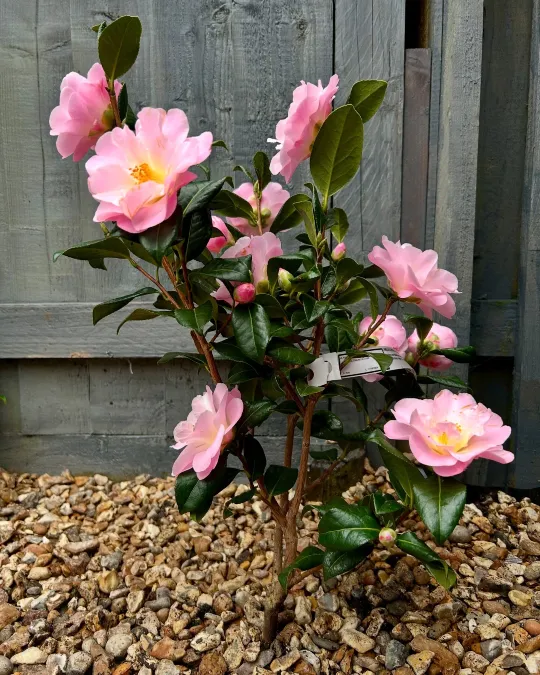
These winter bloomers are special because they need a nutrient boost right when most other plants are going dormant.
They expend a lot of energy to produce flowers during the colder months. Coffee grounds provide the energy and acidity they need during this critical time.
- Provides energy for winter and early spring blooms
- Keeps the soil in the acidic range Camellias prefer
- Adds humus to the soil for better root health
- Can be applied in late winter to fuel new growth
9. African Violets

African Violets are an indoor favorite but they are sensitive and you cannot dump wet grounds into a small pot.
They love the nutrients found in coffee but require a gentle liquid application to avoid issues. Using a liquid tea made from grounds is the safest way to feed them.
- Nitrogen boosts the growth of lush fuzzy leaves
- Liquid application prevents root burn in small pots
- Avoids the risk of mold growing on the soil surface
- Provides a gentle dose of acid for nutrient uptake
10. Peace Lilies

Peace Lilies are one of the few houseplants that tolerate and even enjoy a bit of acidity in their soil.
They often suffer from magnesium deficiency which causes their leaves to turn yellow and look sad. Coffee grounds are a great source of the minerals they are often missing.
- Enhances the production of the white spathe flowers
- Magnesium helps keep leaves a deep dark green
- Simulates the organic debris of a tropical forest floor
- Best applied as a liquid tea or very thin top layer
11. Snake Plants
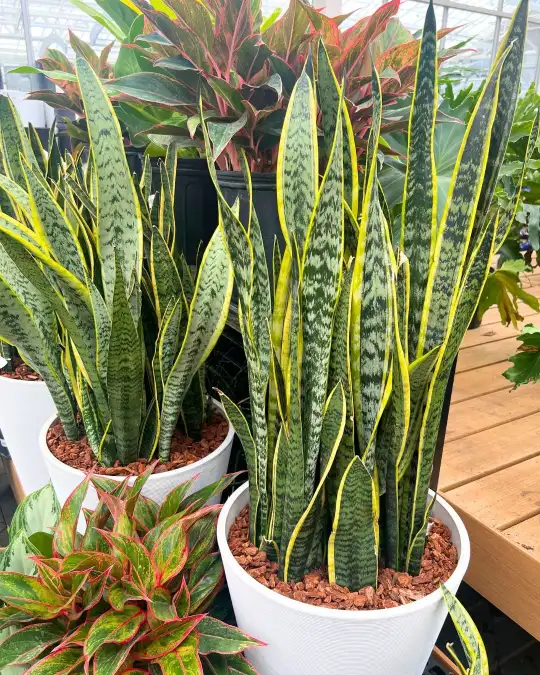
Snake plants are famously hard to kill but they still need to eat to look their best. They do not need much but an occasional nitrogen snack helps them stand tall and rigid. You must be careful not to overwater or overfeed them as they prefer dry conditions.
- Nitrogen helps the vertical leaves stay strong
- Matches the slow growth rate of the plant
- Should only be applied once every few months
- Avoids soil compaction which snake plants hate
12. Christmas Cactus

If you want your cactus to bloom in time for the holidays it needs the right nutrients in the fall.
This plant requires a specific feeding schedule to encourage it to set buds rather than just growing leaves. A little bit of coffee tea can signal the plant to start blooming.
Holiday Bloom Catalyst
Mineral Infusion
Provides critical trace minerals needed to form resilient, healthy flower buds.
Segment Vitality
Keeps the iconic segmented leaves plump and turgid, preventing shriveling during winter air.
October “Tea” Strategy
Liquid coffee tea in October helps the plant set buds early for a full December show.
Acidic Optimization
Adds a touch of beneficial acidity to the soil, mimicking the natural jungle habitat of these cacti.
13. Philodendrons

In the wild Philodendrons grow on the forest floor surrounded by rotting leaves and organic debris.
They love a soil that mimics this texture and allows their roots to grip and breathe. Coffee grounds simulate this natural environment while providing the nitrogen needed for vines.
- Nitrogen fuels the rapid growth of new vines
- Simulates the rich organic matter of a forest floor
- Improves aeration and drainage in potting mix
- Encourages larger leaf growth on trailing varieties
How to Apply Coffee Grounds Safely
The biggest mistake gardeners make is dumping a thick pile of wet grounds directly onto the soil. When coffee grounds dry out they form a hard crust that repels water and seals off your soil from rain and air.
- Direct Composting: Throw used grounds and filters into your compost bin mixed with leaves.
- Top Dressing: Sprinkle a very thin layer and scratch it into the soil to prevent crusting.
- Liquid Tea: Soak grounds in water overnight and use the liquid for houseplants.
- Fresh vs Used: Remember that used grounds are neutral while fresh grounds are acidic.
The Grounds Masterclass
Direct Composting
Throw used grounds and filters into your compost bin; mix them with carbon-rich leaves for perfect balance.
Surface Top Dressing
Sprinkle a thin layer on top and scratch it into the soil to prevent the grounds from forming a crust.
Liquid Coffee Tea
Soak grounds in water overnight and use the strained liquid for a gentle nutrient boost for houseplants.
Fresh vs. Used
Used grounds are nearly neutral in pH, while fresh (unbrewed) grounds are highly acidic.
Conclusion
Coffee grounds are a fantastic and free resource but they are not magic dust for every single plant in your garden.
If you stick to this list of 13 plants and follow the safe application rules you will see greener leaves and better blooms. Save your grounds tomorrow morning and start with your Hydrangeas.