
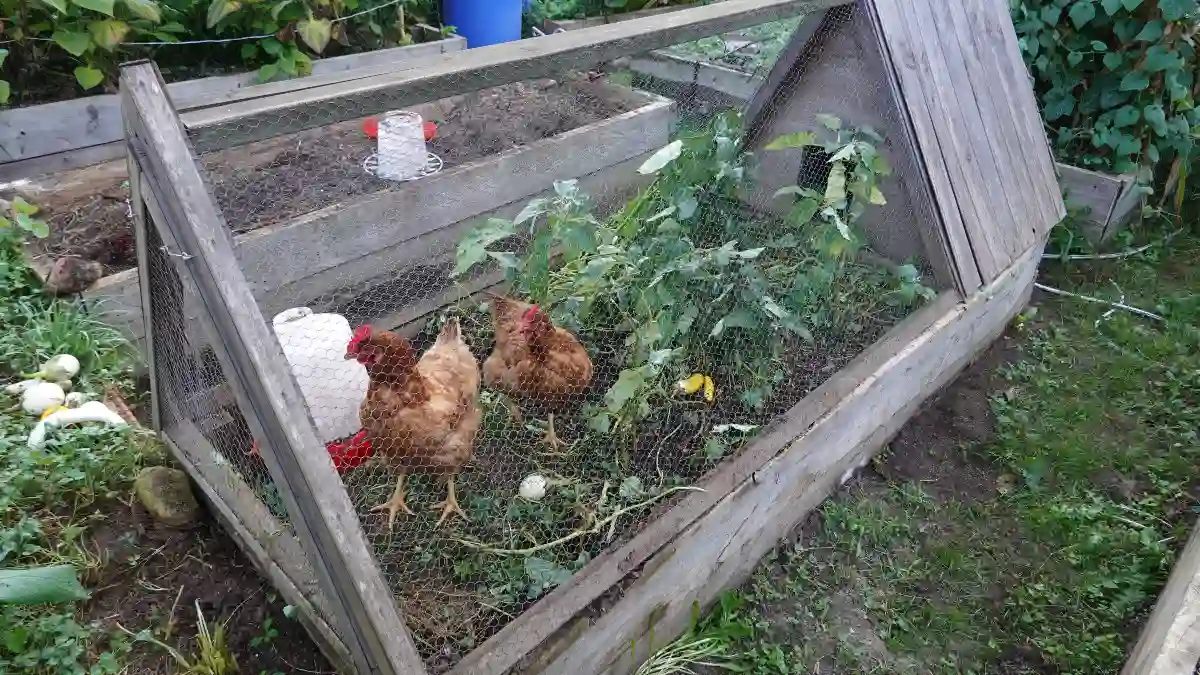
Caring for chickens gets overwhelming when the run starts looking bare, muddy, and just a bit sad. I’m not sure but most people hit that point where they want a space that feels healthier, cleaner, and easier to maintain without spending half the day fixing scraps of torn-up ground.
That’s why adding the right plants becomes such a game changer. Some varieties handle constant scratching, some offer shade, some repel pests, and some actually boost your flock’s wellbeing.
The trick is choosing plants that survive curious beaks and still make the run feel alive. So if you’ve been craving a run that looks greener and works smarter, you’re about to see how simple it gets with the right picks.
1. Mulberry
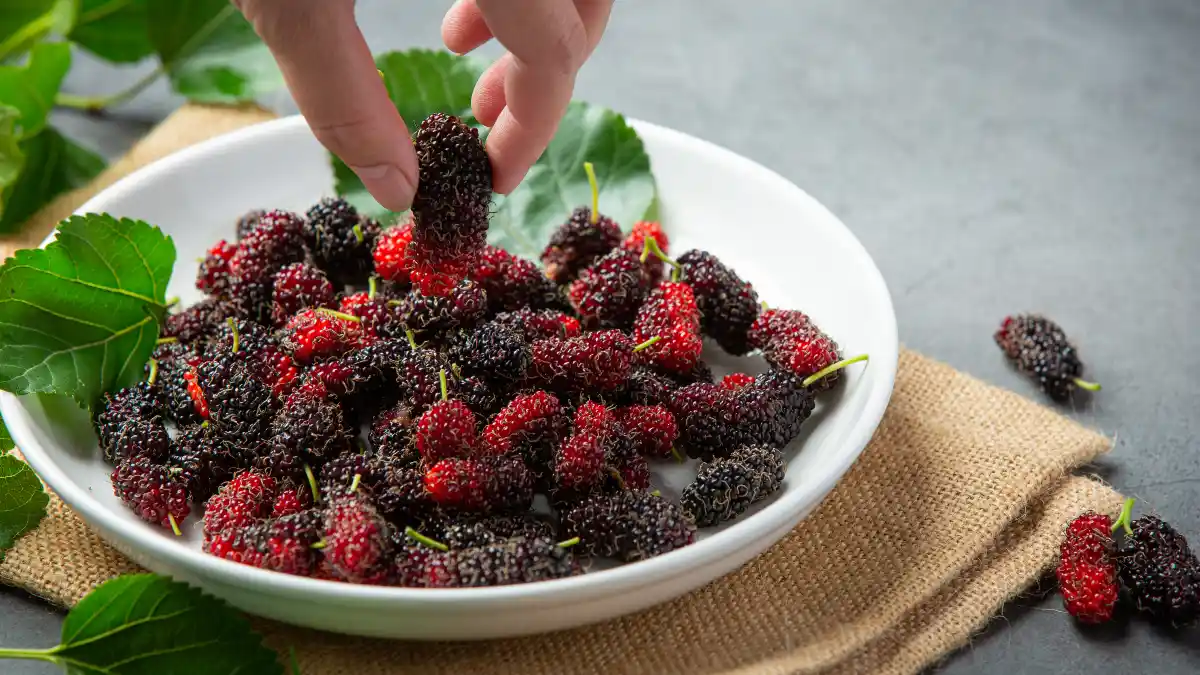
The Mulberry tree acts as the cornerstone of a permaculture poultry system. Unlike many fruit trees where only the fruit is consumed, mulberry leaves are highly palatable and protein-rich, often compared to alfalfa in nutritional value for livestock.
Nutritional Profile: The fruit is rich in anthocyanins and vitamins, which contribute to deep orange egg yolks. The leaves contain significant protein, allowing chickens to self-regulate their diet by grazing on fallen leaves or low-hanging branches.
Cultivation & Management: Mulberries are exceptionally fast-growing and resilient.
They respond well to pollarding (cutting back the main branches to the trunk), a technique that stimulates dense, leafy regrowth accessible to chickens. This “chop and drop” method provides a sustainable source of green fodder throughout the growing season.
Varieties: ‘Illinois Everbearing’ is a preferred cultivar for its long fruiting season, ensuring a steady supply of treats for the flock from early summer through autumn.
2. Siberian Pea Shrub
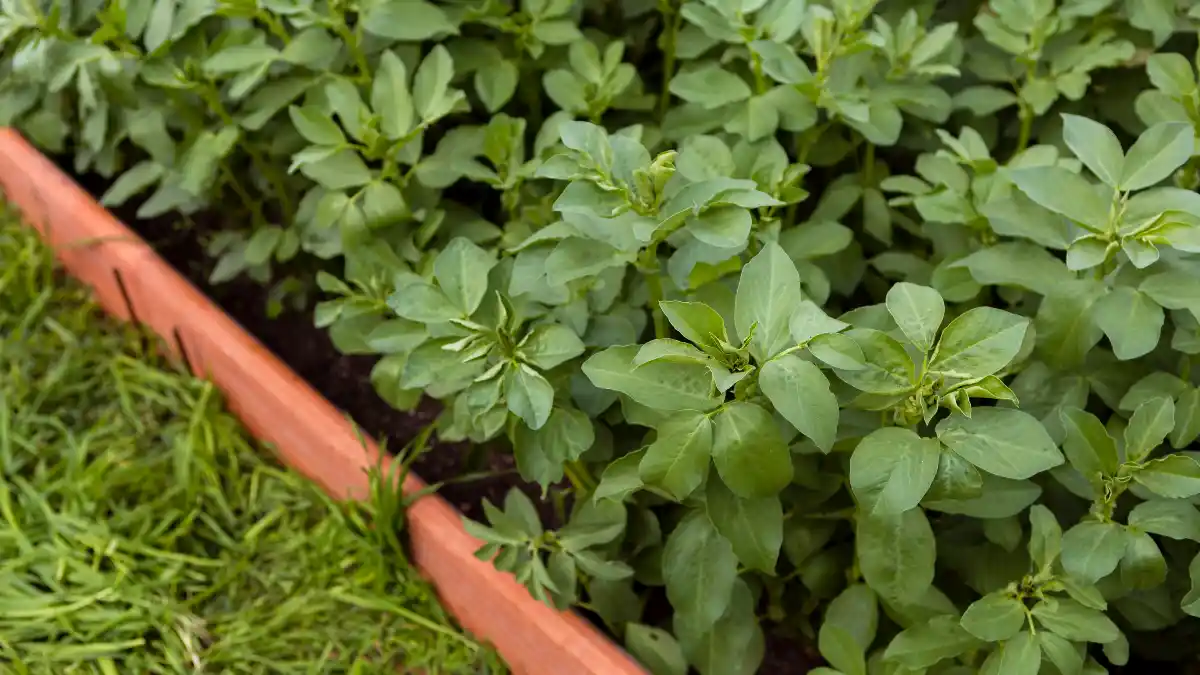
Native to the harsh climates of Siberia, this legume shrub is an invaluable asset for northern poultry keepers. Its primary value lies in its ability to fix atmospheric nitrogen, improving soil fertility for neighboring plants, and its production of protein-dense seeds.
Nutritional Mechanism: The shrub produces small pods containing peas with a protein content of approximately 30–35%, which is significantly higher than standard layer feed (typically 16%).
These seeds persist on the bush and can fall or be harvested in late summer and autumn, providing a critical protein boost during the molting season when chickens require extra energy for feather regrowth.
Durability: Caragana is drought-tolerant and thrives in poor, alkaline soils. Its thorny, dense structure makes it an excellent windbreak and a safe harbor for chickens to retreat to when threatened by predators.
Implementation: Best planted as a perimeter hedge. While the chickens can harvest fallen pods, the shrub can also be coppiced to keep it bushy and accessible.
3. Apple
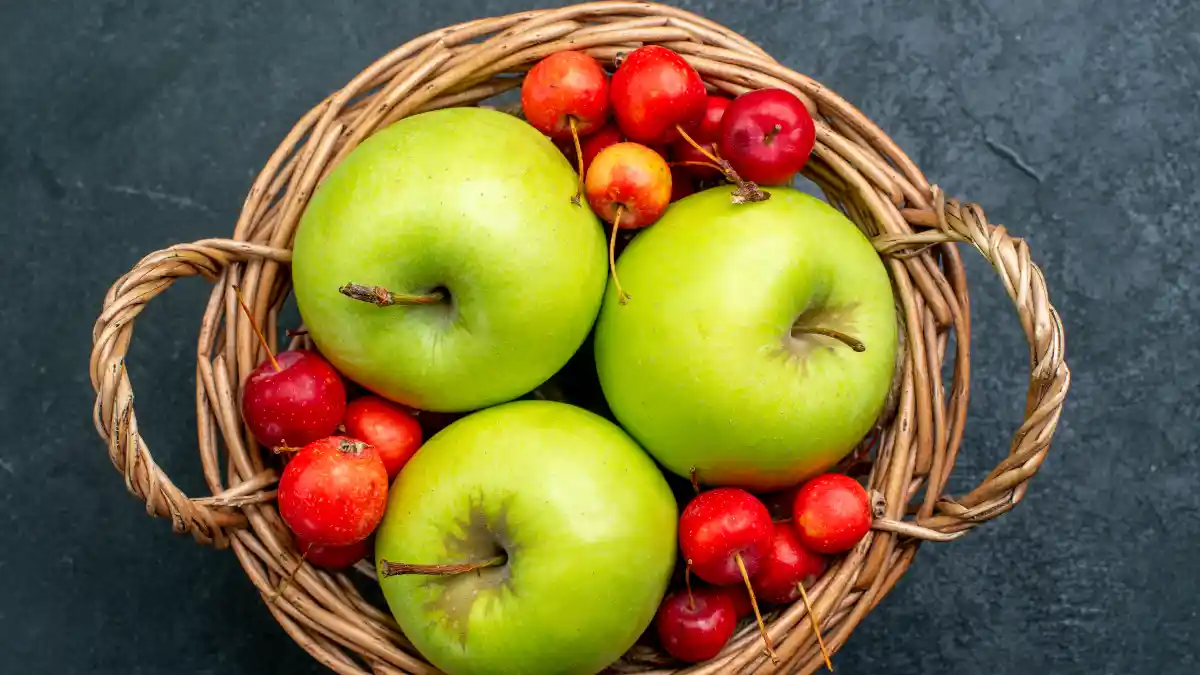
Integrating apple trees creates a “chicken orchard” symbiosis. The chickens sanitize the orchard floor by consuming fallen, rotting fruit that would otherwise attract wasps and harbor larvae of pests like the apple maggot and codling moth.
Toxicity Context: It is a common concern that apple seeds contain amygdalin, a cyanogenic glycoside.
However, the risk to poultry is minimal under free-range conditions; chickens rarely crush the seeds in sufficient quantities to reach a toxic threshold. The leaves are generally ignored in favor of more palatable forage.
Guild Planting: To protect the apple tree’s shallow feeder roots from scratching, it is essential to plant a guild around the base.
Successful understory plants include Comfrey, which mines nutrients, and Daffodils, which deter voles from gnawing on the tree roots (see Toxicity section for safe management of daffodils).
4. Elderberry
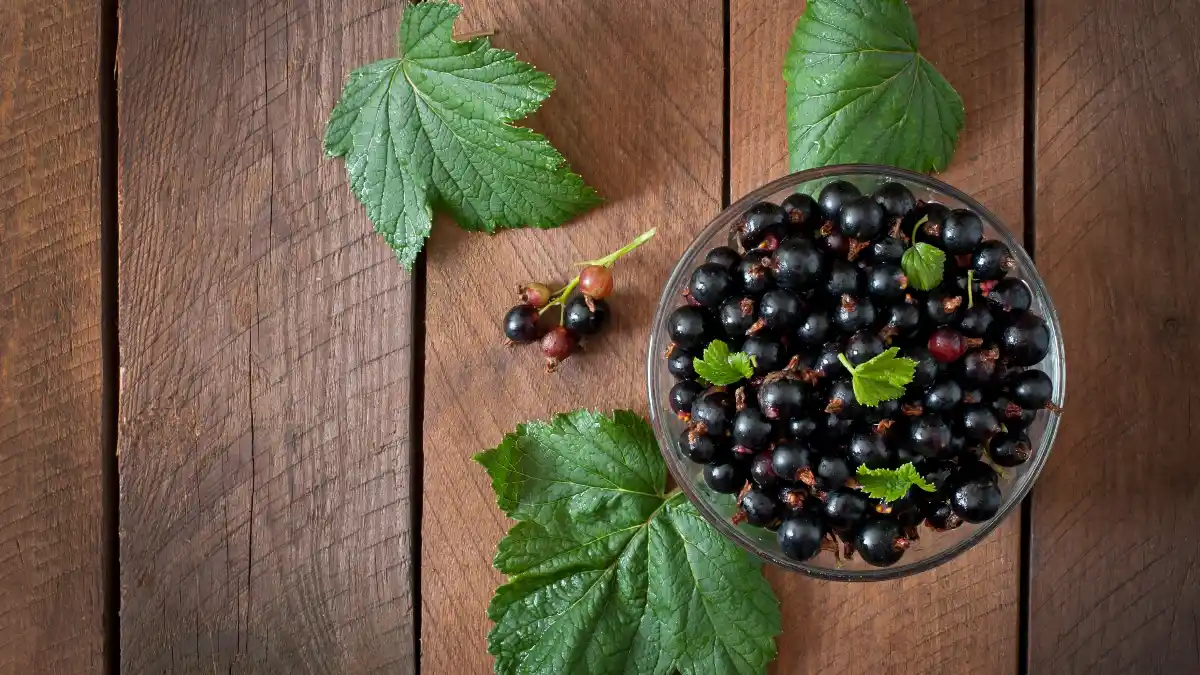
Elderberry is a contentious plant in poultry circles due to the toxicity of its leaves and unripe berries, which contain cyanogenic glycosides. However, experienced keepers and ethnoveterinary researchers recognize it as a valuable medicinal asset when managed correctly.
Medicinal Application: The ripe berries are safe and rich in antioxidants and antiviral compounds. Wild birds frequently consume them without ill effect, and chickens will eagerly eat ripe fallen berries, which boosts their immune system against viral challenges.
Behavioral Safety: Chickens typically avoid the green leaves and unripe berries due to their bitterness. This natural aversion allows the shrub to establish itself within the run without being decimated, providing shade and wind protection.
Biosecurity Note: Because elderberries attract wild birds, which can be vectors for Avian Influenza, planting them inside a covered run is safer than planting them in an open range where wild flocks may congregate.
5. Lilac
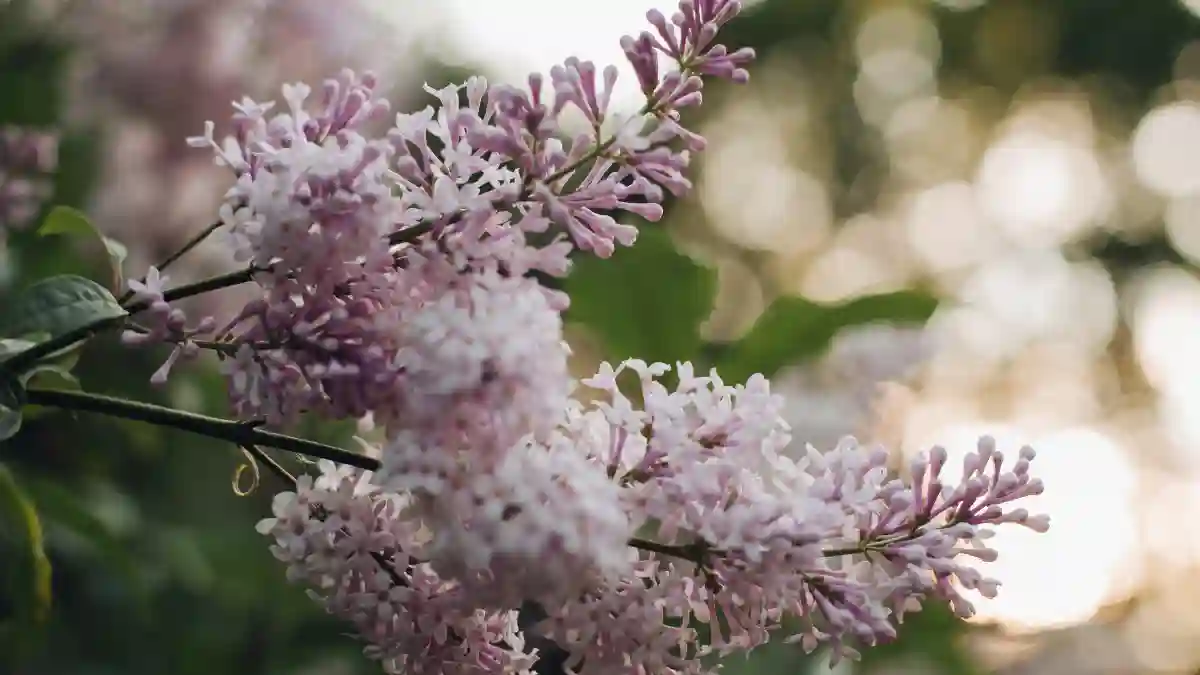
While not a food source, the Lilac is included for its structural utility. Its dense, spreading canopy creates a dry, shaded microclimate at the base, which is ideal for dust bathing—a critical hygiene behavior for removing ectoparasites like lice and mites.
Resilience: Lilacs are woody and tough. Once established, they can withstand significant abuse from roosting and scratching. Chickens may peck at the flowers, which are edible and safe, but they rarely damage the woody stems.
Aesthetics: For the suburban keeper, Lilacs offer a way to screen the coop from neighbors while providing a functional benefit to the flock.
6. Oregano
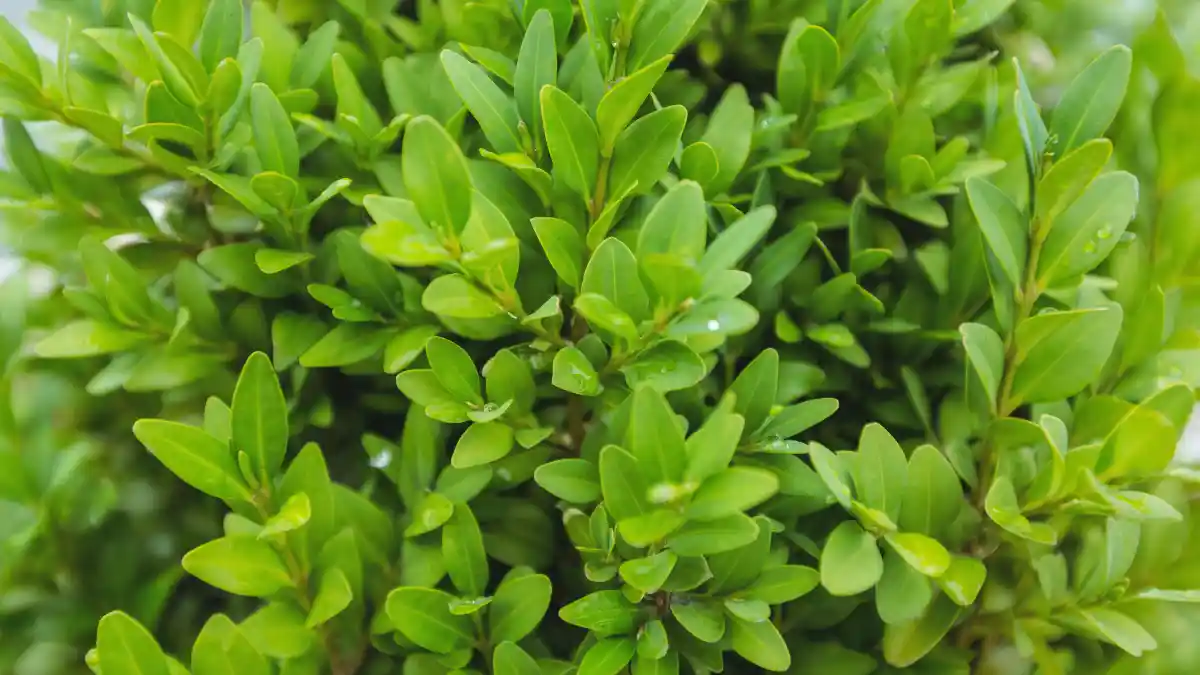
Oregano is arguably the most important medicinal plant for the modern chicken run. Extensive research has validated its efficacy as a natural antibiotic and anticoccidial agent.
Mechanism of Action: The phenolic compounds carvacrol and thymol damage the cell membranes of pathogenic bacteria such as Salmonella and E. coli. More importantly, they have been shown to inhibit Eimeria, the protozoan parasite responsible for Coccidiosis, a major killer of young chicks.
Application: Oregano can be grown along the run perimeter or in grazing frames. Feeding fresh or dried oregano boosts the immune system and improves feed conversion ratios. The plant is hardy, drought-tolerant, and spreads as a ground cover, making it a sustainable addition to the “Chunnel” system.
7. Thyme
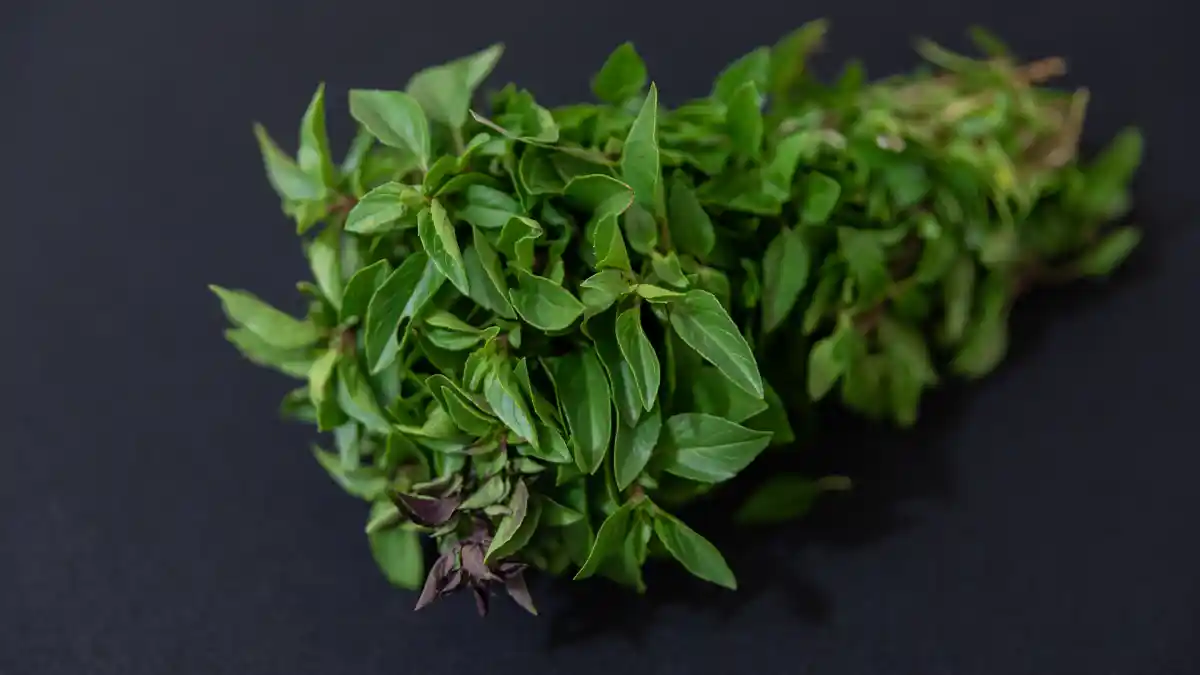
Thyme is specifically indicated for respiratory health. Respiratory infections (e.g., Mycoplasma, Infectious Bronchitis) are common in backyard flocks, particularly in damp conditions.
Therapeutic Effects: Thymol is a potent antiseptic and expectorant. When chickens forage on fresh thyme, or when it is hung in the coop, the volatile oils help clear mucus from the respiratory tract and reduce bacterial load.
Research Validation: Studies confirm that dietary thyme oil increases antibody titers against viruses like Newcastle Disease and improves overall antioxidant status in broilers.
Cultivation: Thyme requires excellent drainage. It is best planted in raised beds or rockeries within the run to prevent “wet feet” and to keep it clean for grazing.
8. Garlic
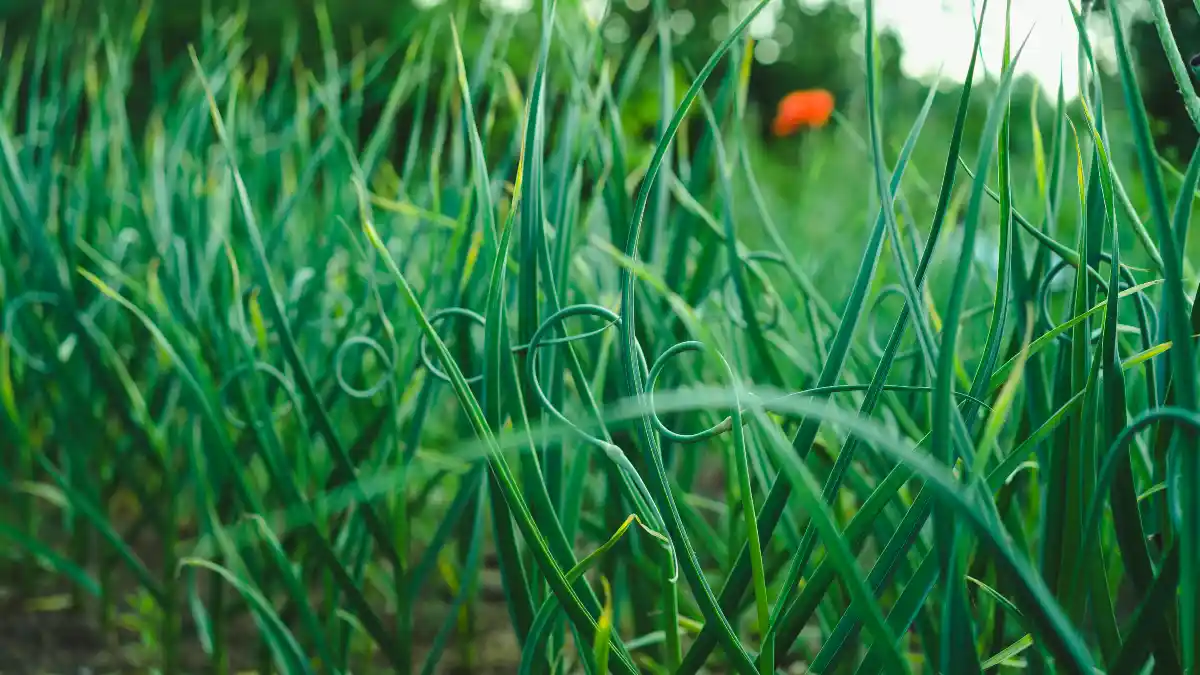
Garlic is a cornerstone of the “preventative” approach to poultry health. While not a cure for established heavy worm infestations, it creates an inhospitable environment for internal parasites.
Immunological Benefits: Allicin, the sulfur compound released when garlic is crushed, has broad-spectrum antimicrobial properties. Research indicates that garlic supplementation reduces fecal egg counts of parasites and lowers serum cholesterol in laying hens, leading to healthier eggs for human consumption.
Usage: Garlic is best planted in the fall. Chickens may scratch up the bulbs, so it should be protected with wire mesh until the shoots are established. The green shoots are edible, and the bulbs can be crushed into water or feed.
9. Lavender
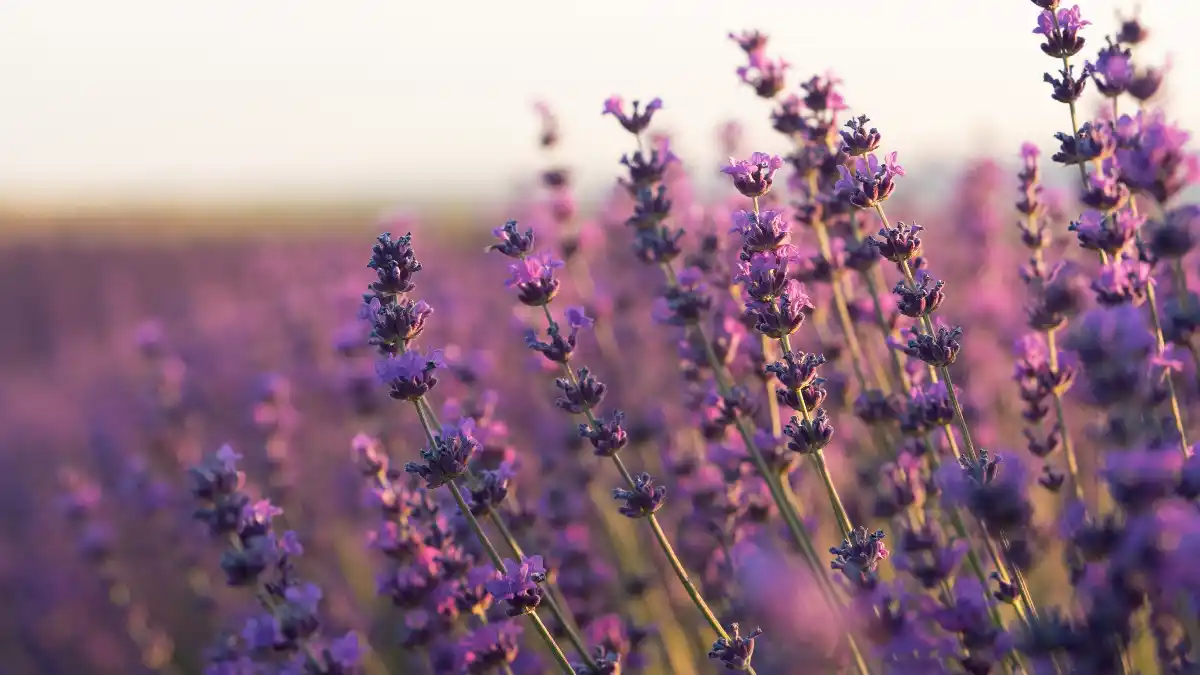
Mite Repellent: The Red Poultry Mite (Dermanyssus gallinae) is a scourge of coop management. Research demonstrates that lavender essential oils have acaricidal (mite-killing) activity. While the live plant is less potent than the distilled oil, planting it around the coop acts as a deterrent barrier.
Stress Reduction: Lavender is a known sedative. Hanging bunches of fresh lavender in nesting boxes can help calm laying hens and reduce aggression during confinement.
Durability: Because of its strong flavor, chickens generally do not eat lavender, meaning it can survive unprotected in the run where other plants would be decimated.
10. Lemon Balm
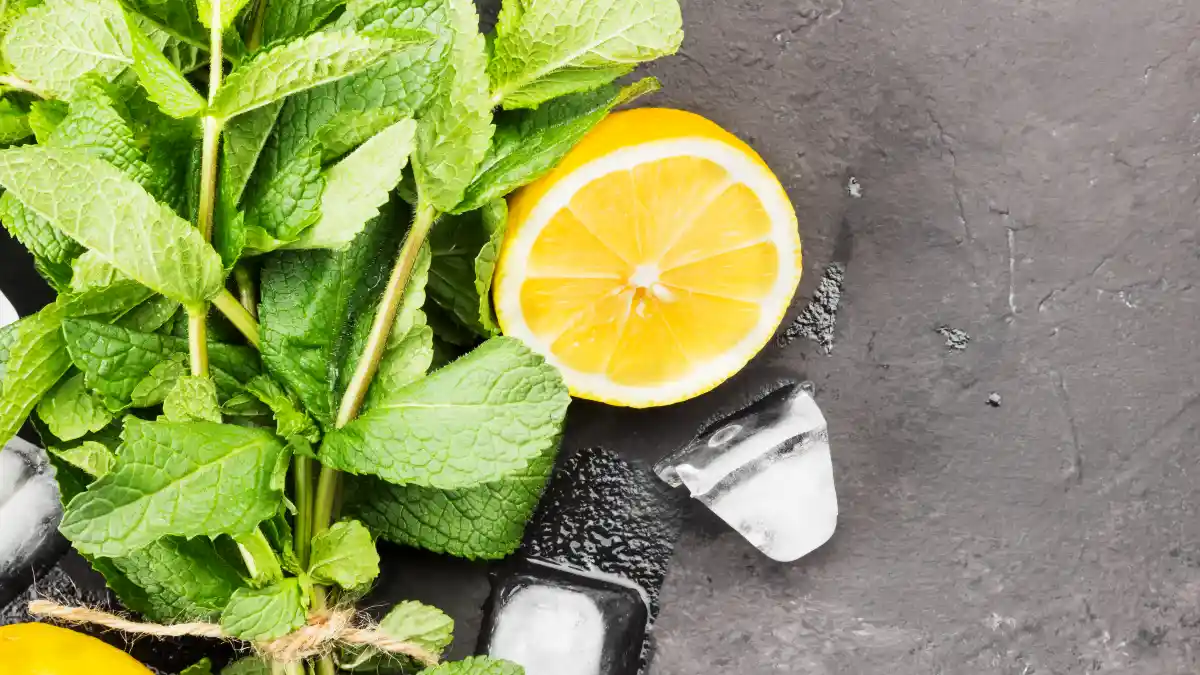
A member of the mint family, Lemon Balm is a vigorous grower known for its anti-stress and rodent-repelling properties.
Rodent Control: Rodents are attracted to chicken feed and can spread diseases like Salmonella. The strong citronella scent of lemon balm is believed to deter rats and mice from nesting near the coop.
Health: Like lavender, it is a calming herb. It also has antibacterial properties and is safe for chickens to eat in large quantities.
Management: It is highly invasive. Plant it in contained beds or pots to prevent it from taking over the entire run.
11. Bee Balm
Also known as Wild Bergamot, Bee Balm is chemically similar to Thyme and Oregano but offers the added benefit of being a premier pollinator attractor.
Respiratory Antiseptic: Ethnoveterinary use suggests it aids in respiratory health due to its thymol content. It also has broad antibacterial activity against Staphylococcus and Streptococcus strains.
Ecosystem Service: By attracting bees and other pollinators, it increases the biodiversity of the garden, which in turn supports a healthy population of insects for chickens to forage.
Aesthetics: The vibrant flowers (red, pink, purple) are edible and visually striking, making them excellent for suburban runs.
12. Yarrow
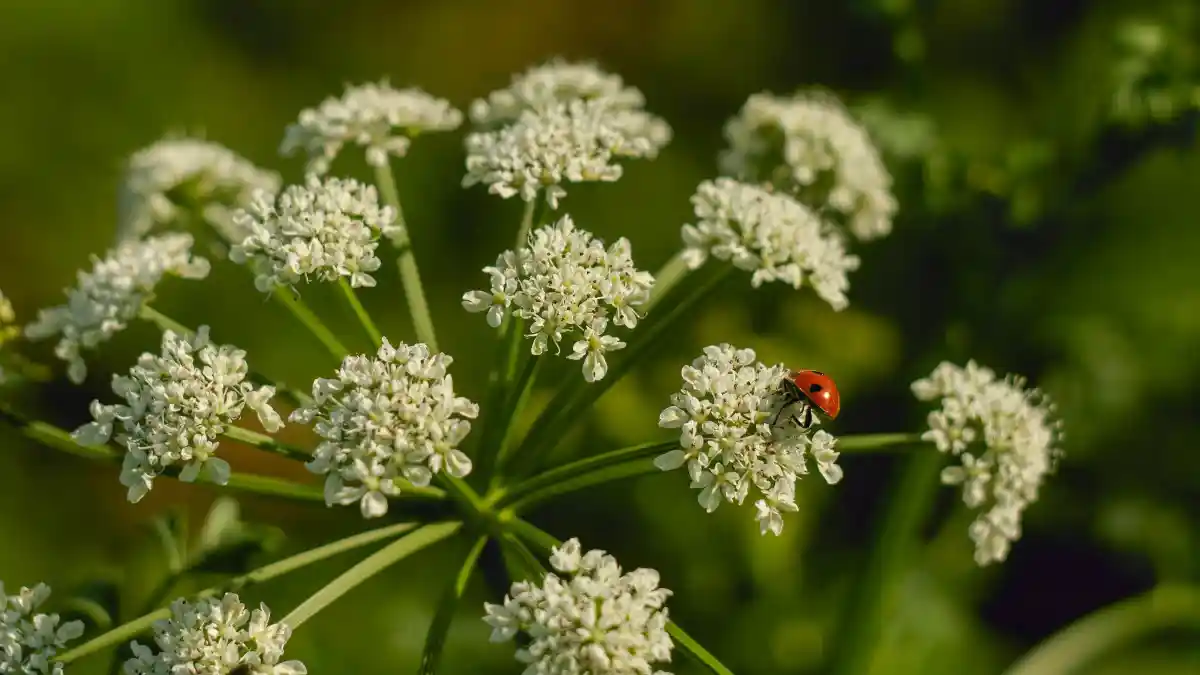
Yarrow is a resilient, drought-tolerant perennial often found in wild pastures.
Wound Care: Known historically as “soldier’s woundwort,” yarrow is a styptic (stops bleeding) and antibacterial. Keepers can use a poultice of fresh mashed leaves to treat minor pecking wounds or bumblefoot infections.
Forage: It is a dynamic accumulator of minerals. While some sources suggest it is unpalatable, many keepers report chickens eating the flowers and young leaves. It is extremely hardy and can persist in the compacted soil of a run where other herbs fail.
13. Comfrey
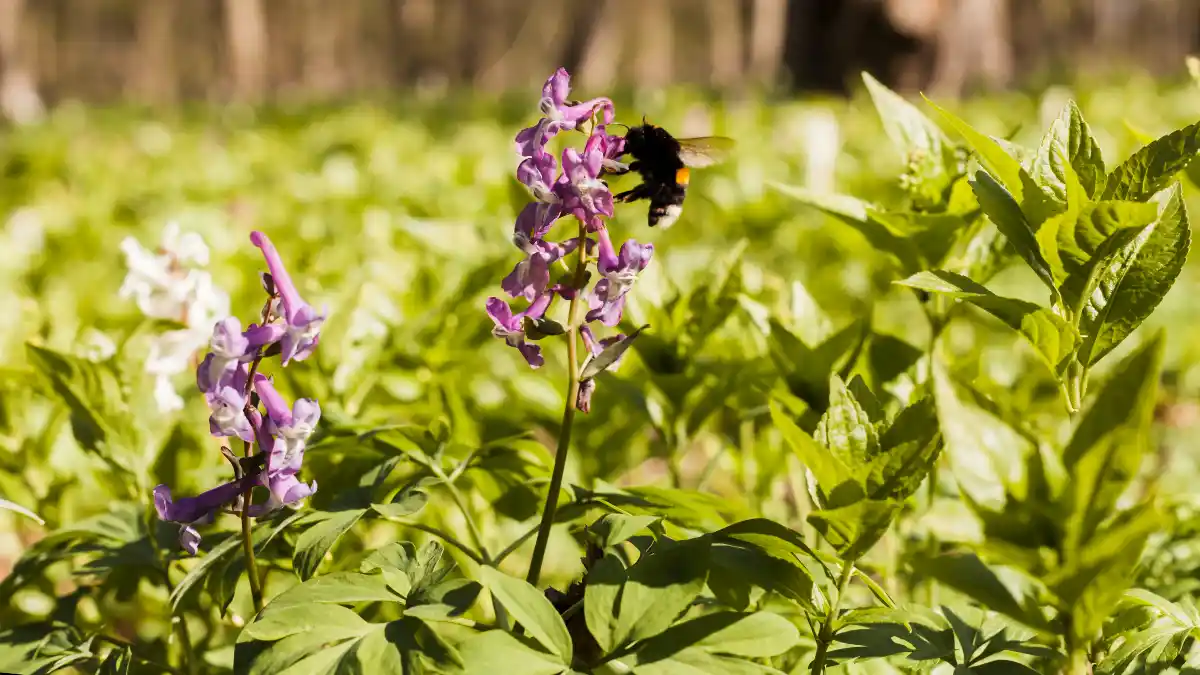
Comfrey is the gold standard for permaculture poultry systems. The ‘Bocking 14’ cultivar is sterile, preventing it from becoming a weed, and invests its energy into massive leaf production.
Nutritional Density: Comfrey leaves are low in fiber and high in protein (20–30% dry matter), making them comparable to legumes like alfalfa. They are also rich in calcium, vitamins A and B12, and allantoin, which supports cell regeneration.
Nitrogen Management: Comfrey has deep taproots that mine nutrients from the subsoil. It thrives on the high-nitrogen runoff from chicken manure, effectively recycling waste into feed.
Usage: Leaves can be harvested (“cut and carry”) every few weeks throughout the growing season. A patch of established comfrey can significantly offset feed bills. Avoid feeding roots or excessive amounts over long periods due to pyrrolizidine alkaloids, though Bocking 14 is safer than wild varieties.
14. Alfalfa
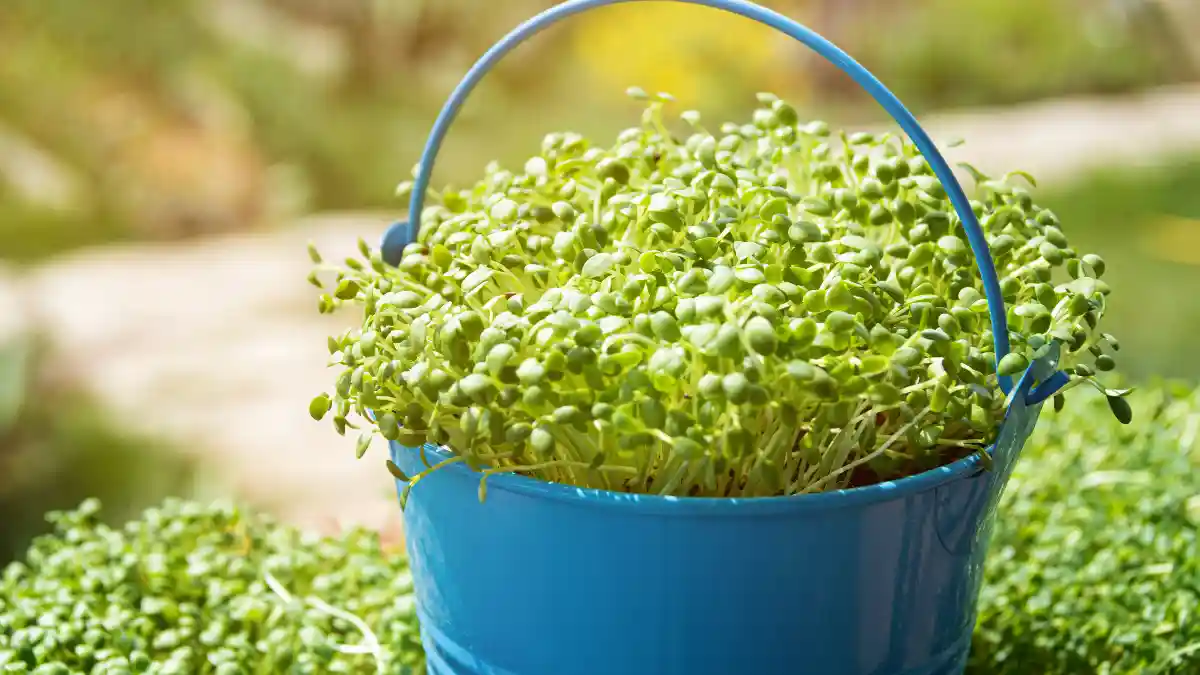
Alfalfa is often called the “queen of forages” for good reason. It is a nitrogen-fixing legume that produces nutrient-dense greens high in protein and calcium.
Nutritional Value: With protein levels between 16–20%, alfalfa is an ideal supplement for laying hens. It is also rich in xanthophylls, contributing to vibrant orange yolks.
Behavioral Impact: Providing alfalfa hay or fresh greens gives chickens a high-fiber distraction, which has been shown to reduce feather pecking and cannibalism in confined flocks.
Cultivation: Alfalfa requires neutral pH and well-drained soil. In a run, it is best grown under a “grazing frame” (see Design section) to prevent the crowns from being destroyed.
15. White Clover
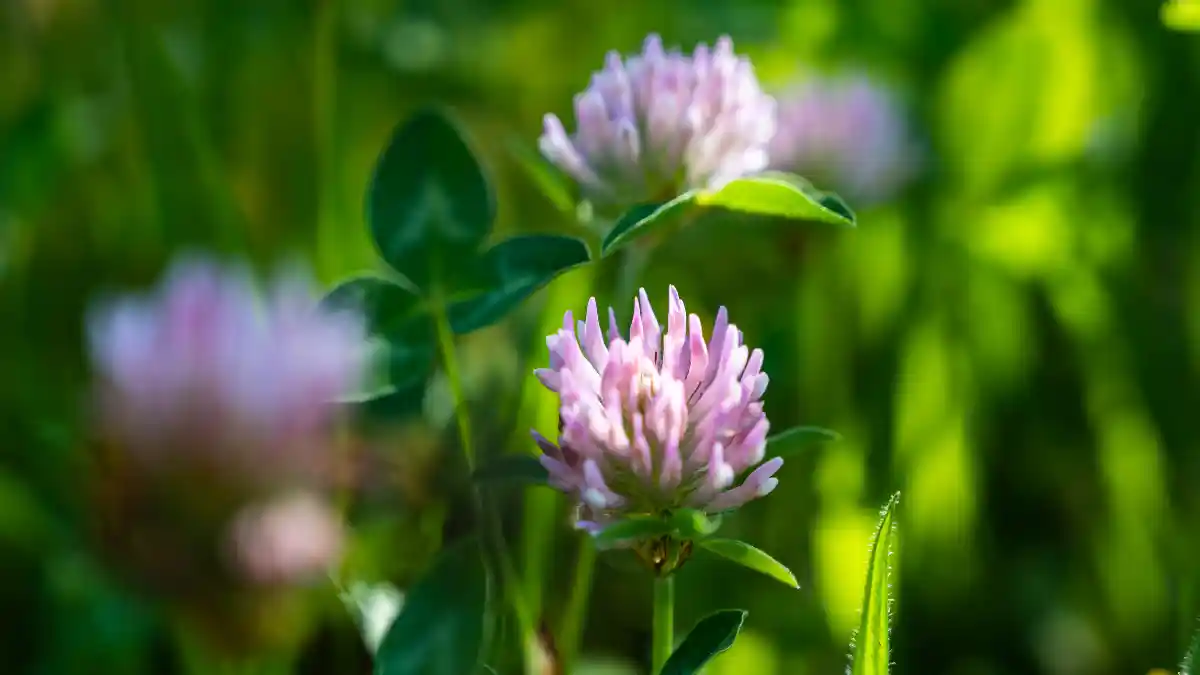
Resilience: Unlike broadleaf plants, white clover spreads via stolons (runners) that hug the ground, making it resistant to grazing pressure. It creates a dense mat that stabilizes soil and prevents the run from becoming a mud pit in winter.
Nutrition: It is highly palatable, high in protein (up to 28%), and serves as a prebiotic that supports healthy gut flora.
Implementation: Seed it heavily into the run. While chickens will eat it down, its rapid regrowth allows it to persist if managed with rotational grazing or protected zones.
16. Jerusalem Artichoke
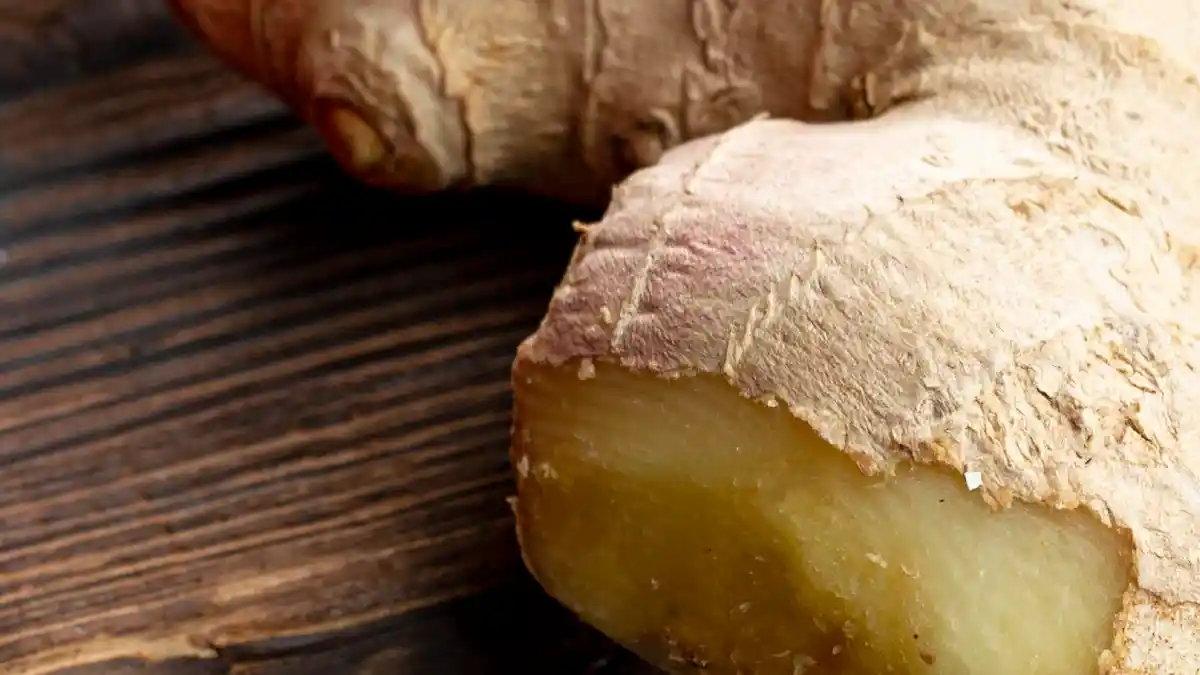
Gut Health: The tubers are rich in inulin, a prebiotic fiber. Research indicates that dietary inulin stimulates the growth of beneficial Lactobacillus and Bifidobacteria in the chicken gut, which competitively exclude pathogens like Salmonella and E. coli.
Structural Utility: The plants grow 6–10 feet tall, providing excellent summer shade and wind protection. The stalks are tough enough to resist scratching.
Harvest: Chickens can be allowed to dig for the tubers in late fall/winter, providing a valuable boredom buster and food source when other greens are scarce.
17. Sunflowers
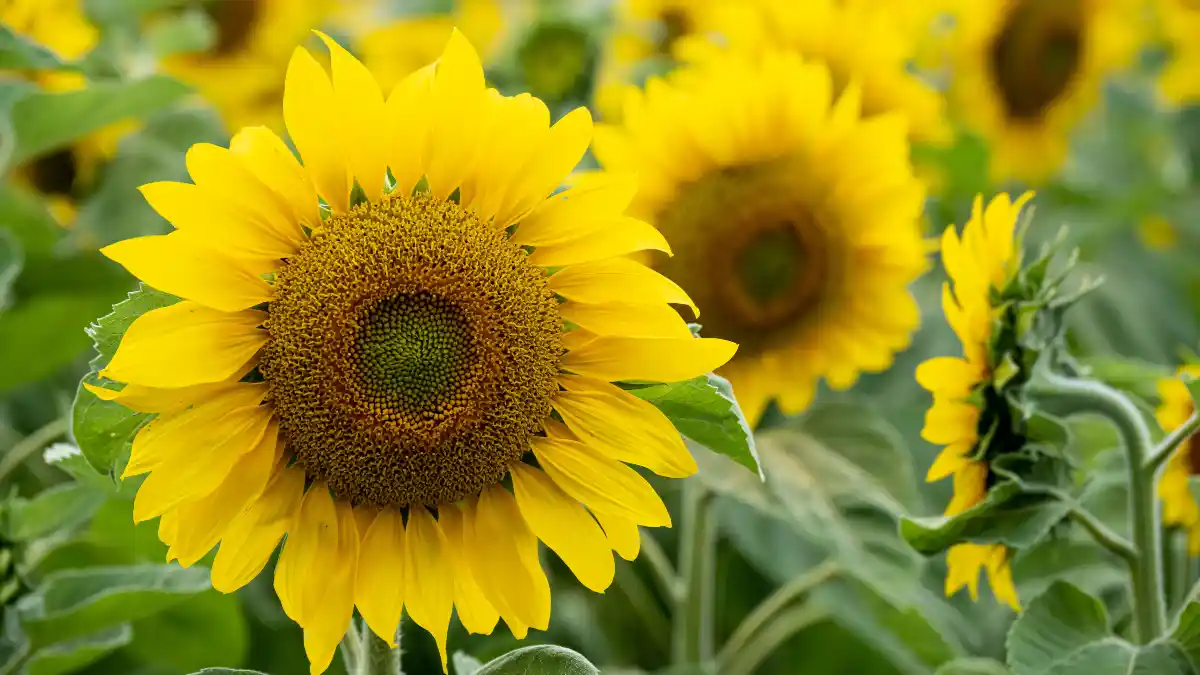
Nutrition: The seeds are high in linoleic acid (an essential fatty acid) and protein. They are particularly valuable in the autumn during the molt, when chickens require high energy and protein to regrow feathers.
Shade Structure: Fast-growing varieties like ‘Mammoth’ create a temporary canopy in the summer run.
Management: Seedlings must be protected. Once the stalk reaches 2–3 feet and hardens, it is generally safe from pecking. The seed heads can be dried and stored for winter treats.
18. Amaranth
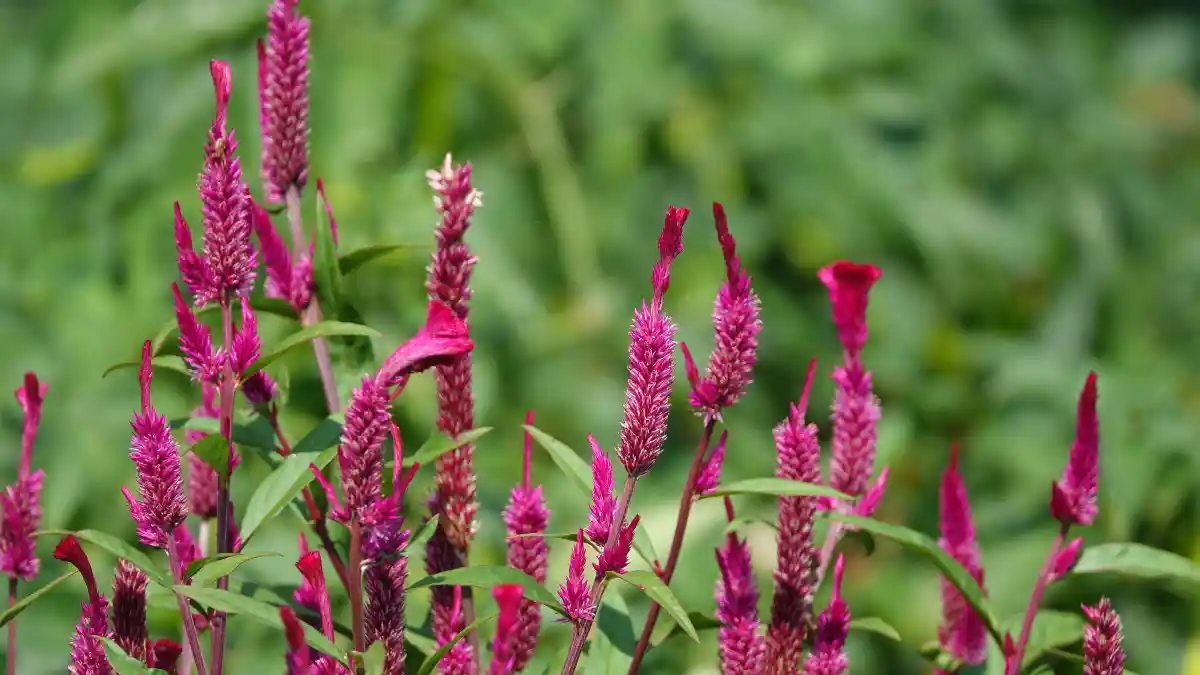
Amaranth is a pseudo-cereal that offers dual yields: leafy greens and high-protein grain.
Protein Quality: Amaranth seeds have a superior amino acid profile compared to corn or wheat, specifically in lysine, which is often the limiting amino acid in poultry diets.
Versatility: The leaves can be harvested young as “chicken spinach,” and the massive seed heads (which can contain thousands of seeds) can be hung in the coop. The plant is drought-tolerant and thrives in warm climates.
19. Marigolds
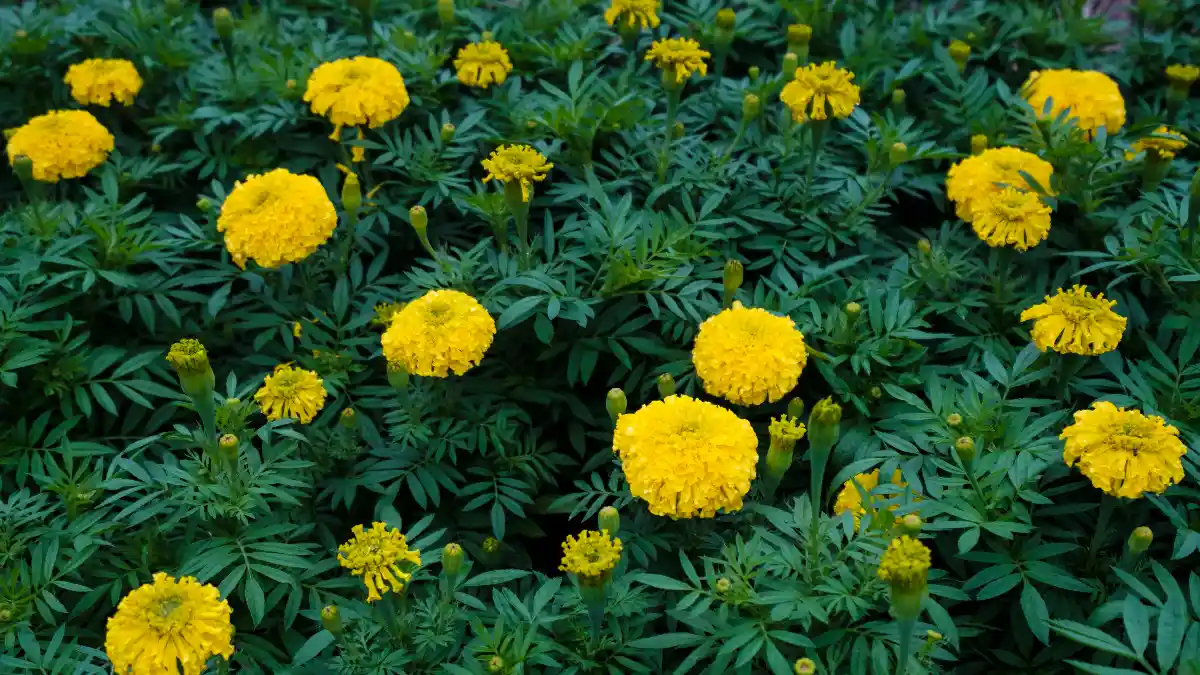
Marigolds are famous for their ability to alter egg quality.
Pigmentation: The petals are rich in xanthophylls (lutein and zeaxanthin). When consumed, these pigments are deposited in the fat of the egg yolk, turning it a deep, marketable orange.
Pest Control: While claims that marigolds repel flies are often exaggerated, their roots do secrete thiophenes which suppress soil nematodes, contributing to overall soil health.
Variety Selection: Tagetes erecta (African Marigold) typically has higher xanthophyll content than Tagetes patula (French Marigold).
20. Nasturtium
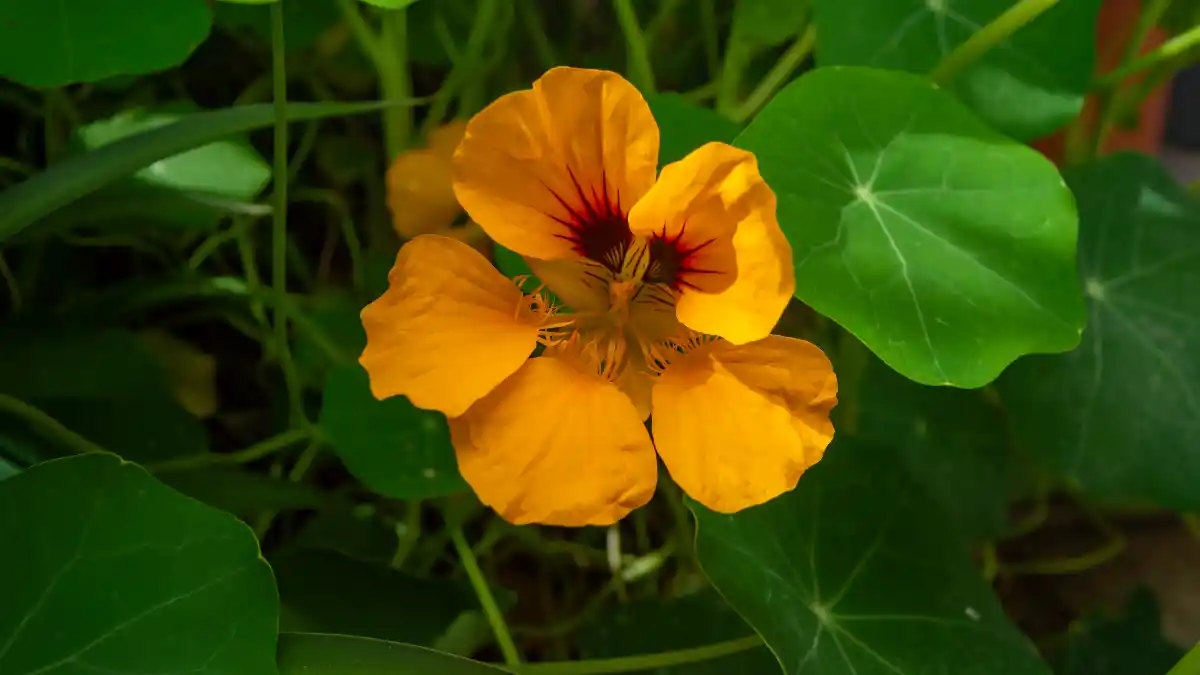
Nasturtiums are vigorous trailing plants with peppery leaves and flowers.
Medicinal: The plant contains mustard oils with natural antibiotic and antiseptic properties. It has been traditionally used as a dewormer and to treat respiratory congestion.
Trap Crop: Nasturtiums attract aphids. While this might seem counterintuitive, it keeps aphids off other plants, and chickens love to eat the aphid-covered leaves, providing a protein-rich snack.
Growth: They are excellent for planting along fences or climbing trellises in the run.
21. Calendula
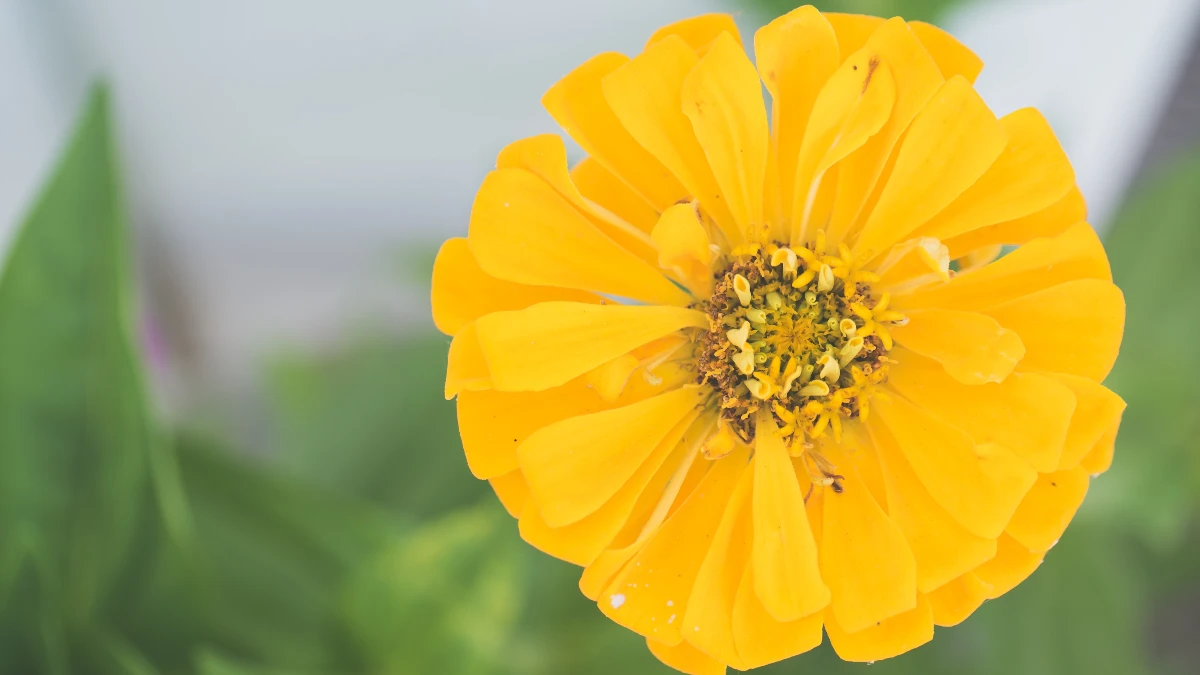
Often confused with Marigolds, Calendula (Pot Marigold) is a distinct medical herb.
Wound Healing: The petals are anti-inflammatory and antiseptic. They promote skin healing and are often used in salves for chicken combs or foot injuries.
Yolk Color: Like Tagetes, Calendula petals contain carotenoids that darken yolks.
Palatability: The entire plant is safe and palatable. It reseeds easily, making it a low-maintenance addition to the run.