
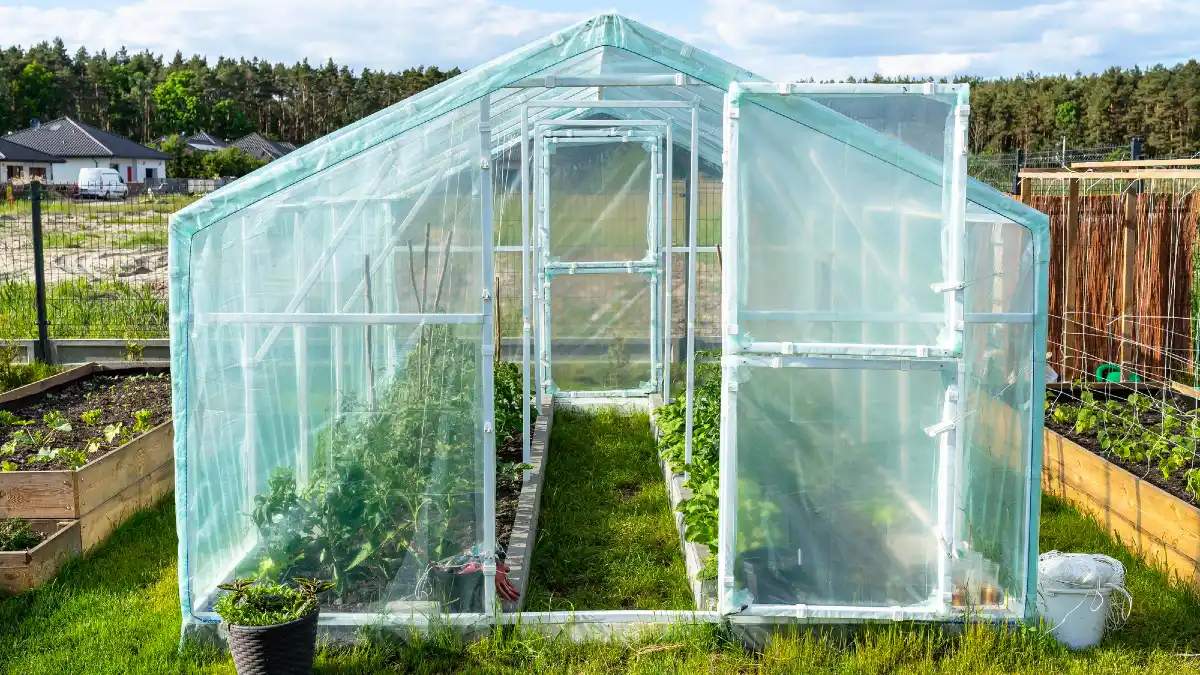
Gardening usually stops when frost arrives, but it does not have to end there. Extending your harvest season is possible with simple structures that trap heat effectively.
Many people believe greenhouses require thousands of dollars or massive backyards, yet inexpensive options exist everywhere. You can use old windows, PVC pipes, or even plastic sheeting to create a warm sanctuary for your vegetables.
This article explores seventeen clever methods to protect your crops from the cold. We focus on practical designs that anyone can build quickly. Keep your greens growing and enjoy fresh produce for months longer.
Affordable Ways to Extend Your Growing Season
Frost doesn’t have to signal the end of your gardening efforts; with simple heat-trapping structures, you can enjoy fresh produce well into the colder months.
You don’t need a massive budget or yard, as materials like old windows and PVC pipes allow you to build effective plant sanctuaries.
- Cost-Effective Materials: Utilize upcycled items like old windows, PVC pipes, and plastic sheeting to keep costs low.
- Heat Preservation: Construct barriers that effectively trap solar heat to protect sensitive plants from freezing temperatures.
- Prolonged Harvests: Continue enjoying fresh, homegrown greens for months after the traditional growing season ends.
- Simple DIY Designs: Focus on accessible building methods that require minimal construction skills or massive backyard space.
DIY Cold Frame Guide
Cost-Effective
Utilize upcycled items like old windows and PVC pipes to keep costs low.
Heat Preservation
Construct barriers to trap solar heat and protect plants from freezing.
Prolonged Harvests
Enjoy fresh greens for months after the traditional season ends.
Simple DIY
Focus on designs that require minimal construction skills.
1. The Botanical Living Room Sanctuary
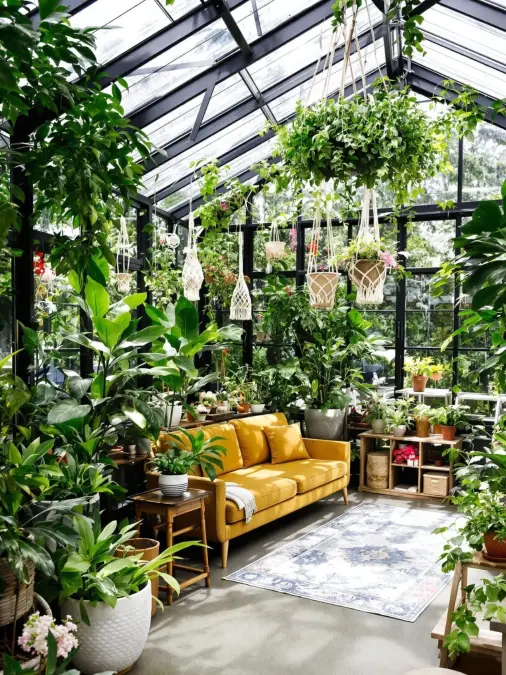
Amidst the sturdy black frames, lush green foliage surrounds a comfortable mustard yellow sofa. Transparent roof panels allow natural light to flood the space and warm the plants below. Suspended macrame pot holders dangle from the high rafters to utilize vertical growing height.
Upholstered furniture transforms a typical planting zone into a relaxing retreat for gardening enthusiasts. Woven rugs on the concrete floor add warmth while wooden shelves organize smaller pots neatly.
2. The Sun-Drenched Stone Corridor
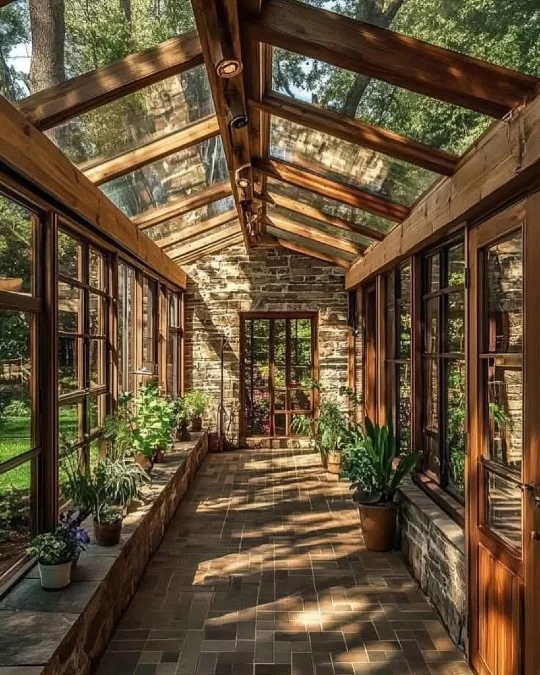
Utilizing existing exterior walls saves significantly on expensive construction materials and time. Rich wooden frames support the extensive glass panes covering both the corridor sides and ceiling.
Tiled floors and low stone walls absorb warmth during the day, slowly releasing the heat overnight. The sturdy wood structure fully protects delicate herbs and frost-tender crops from harsh winter freezes.
3. The Corrugated Panel Grow Shed
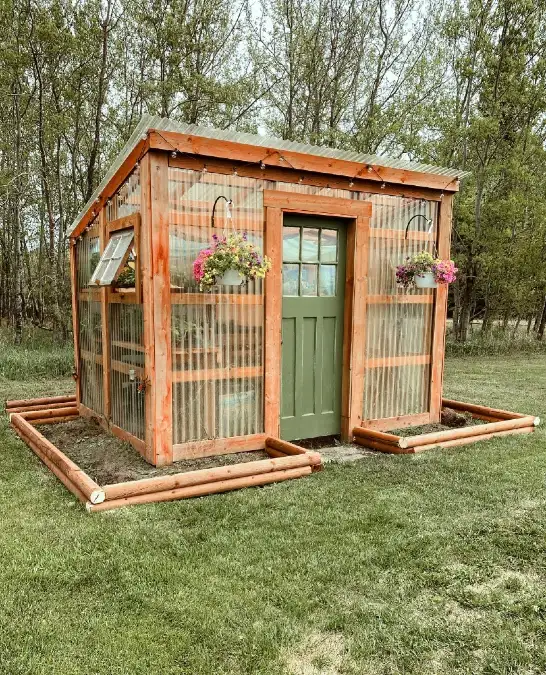
Constructing a simple shed frame using common dimensional lumber offers substantial structural integrity for years of reliable use. Translucent corrugated panels attach easily to the wooden studs, creating warm walls quickly and inexpensively.
Dedicated gardeners frequently build their own permanent greenhouses using similar resourceful designs. Adding a small hinged window provides necessary ventilation during hot afternoon hours, helping to control high humidity.
4. The Classic Lean-To Conservatory
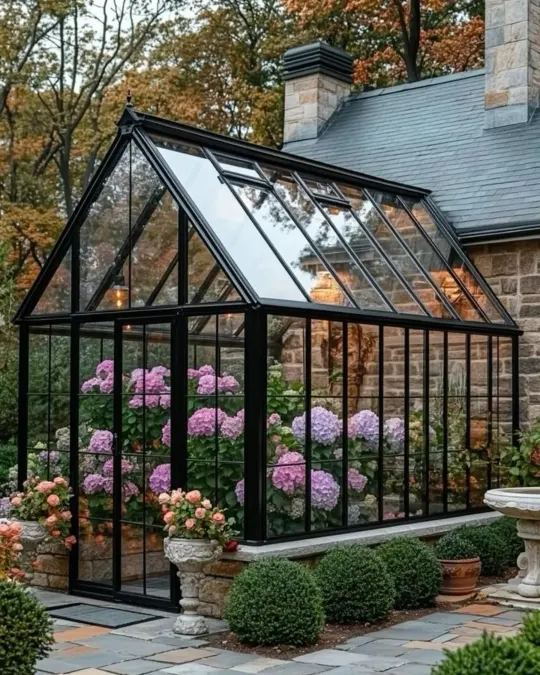
Attaching a structure to an existing building saves on expensive material costs and shares residual heat effectively during cold spells. Sleek black metal provides modern, appealing lines for the extensive glass panels and high pitched roof design.
Dedicated gardeners frequently use these structures for overwintering tender ornamental plants, such as hydrangeas. A low stone foundation wall elevates the interior planting area, keeping the soil warmer and drier than the surrounding yard.
5. The Classic Cottage Garden House
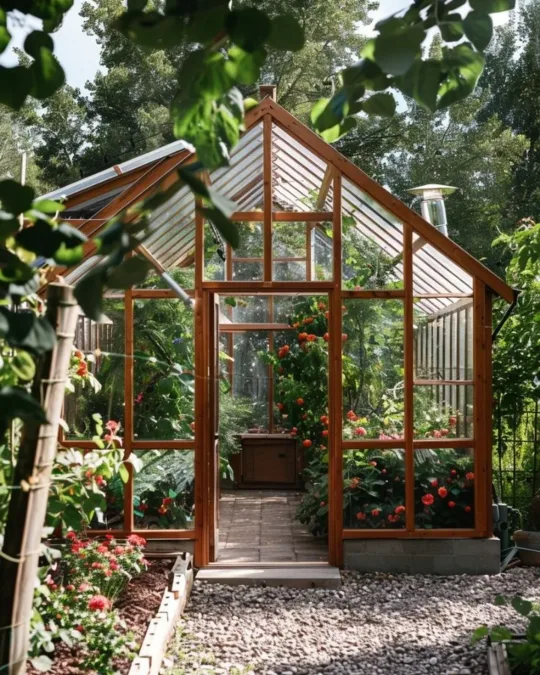
Constructing this traditional A-frame design uses readily available lumber that can be sourced easily from any local hardware store. Clear roof and wall panels maximize light exposure, ensuring high output for sun loving crops like tomatoes.
Locating the house on a simple gravel base provides excellent drainage, helping prevent root rot and moisture issues. A brick path laid down the center provides convenient access to all the surrounding planting beds and supplies.
6. The Tall Gable Roof Garden House
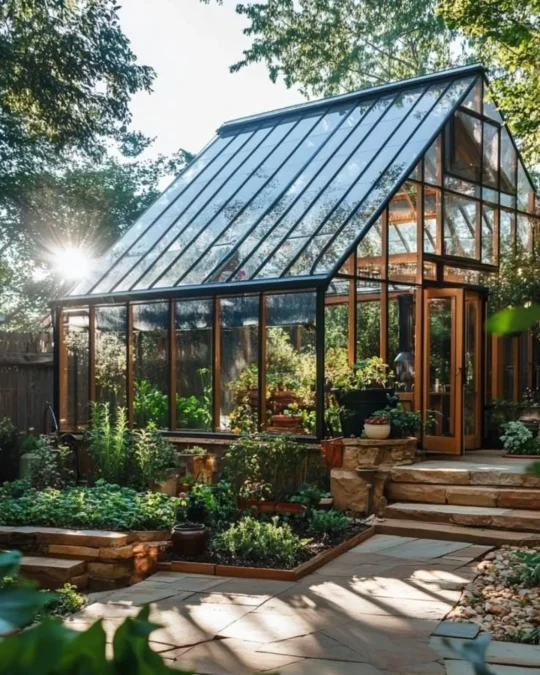
Constructing the walls with significant height offers increased air volume, which effectively stabilizes internal temperatures against rapid outdoor changes. The combination of black metal and warm natural wood framing provides both durable strength and pleasing aesthetic contrast in the garden.
Locating this substantial structure on an elevated stone foundation assists drainage and improves thermal mass for heat retention. Wide steps built from natural stone make accessing the space easy, beautifully connecting the surrounding garden and the structure.
7. The Salvaged Window Grow Shed
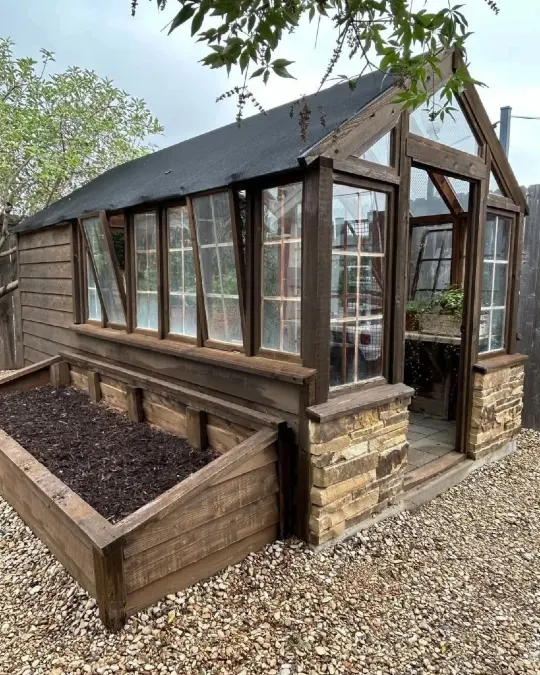
Constructing this cozy shed relies heavily on reclaiming old materials, drastically lowering the overall cost for enthusiastic builders. Salvaged wooden windows are lined up along the long side, maximizing light collection for internal growing shelves.
Tilting the reclaimed windows open provides necessary cross ventilation to prevent overheating during unexpected warm periods. An integrated raised bed sits directly against the exterior wall, offering a convenient spot for seasonal cold frame gardening.
8. The Herbaceous Gathering Room
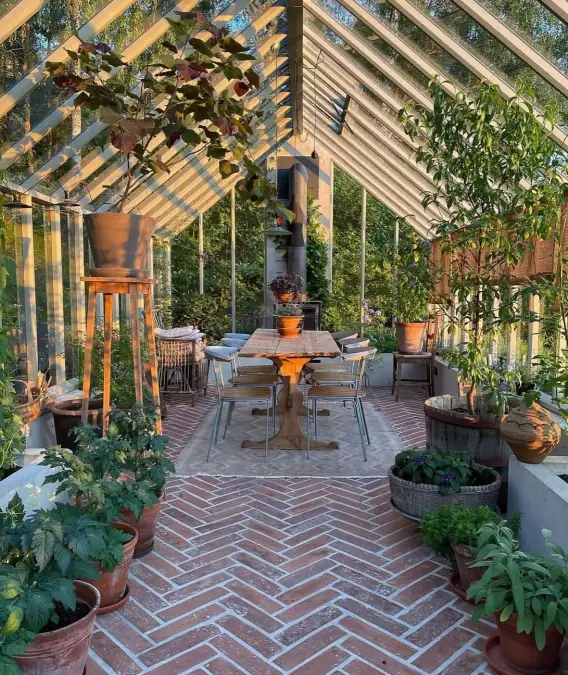
Utilizing a traditional A-frame design creates high ceilings and generous interior volume for both people and plants. Terra cotta brick laid in a herringbone pattern provides excellent thermal mass, radiating stored heat long after sunset.
Arranging a wooden table and chairs inside transforms the growing structure into an enchanting space for entertaining guests. Potted plants line the low perimeter walls and stand on elevated surfaces, keeping the floor space clear for seating arrangements.
9. The Compact Polycarbonate Starter House
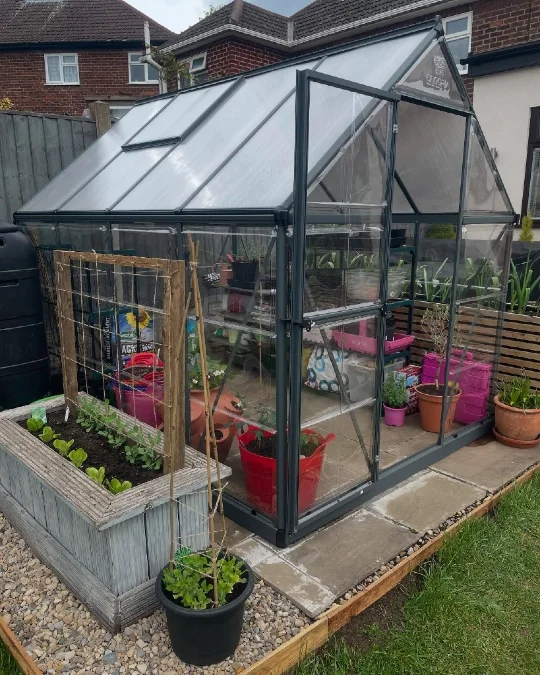
Assembling a prefabricated kit represents one of the most cost effective ways to acquire a working greenhouse quickly. Lightweight aluminum frames snap together easily, requiring minimal construction experience or specialized tools for the homeowner.
Dedicated gardeners frequently place these compact structures directly on paved or gravel bases to save money on complicated foundations. An integrated roof vent allows necessary ventilation to prevent overheating during warm spring and summer months.
10. The Functional Wooden Hobby Shed
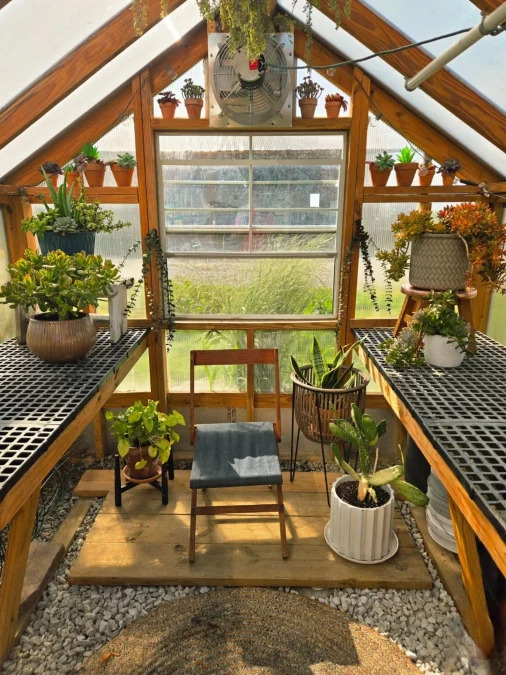
Constructing a simple wooden frame provides a strong, cost effective structure for hobby growers needing extended season protection. Two sturdy, grated workbenches line the interior walls, allowing plenty of space for potting supplies or seedling trays requiring drainage.
Covering the floor with a thick bed of drainage gravel helps wick away excess moisture, keeping the environment healthy for sensitive plants. A central wooden platform provides a dry, clean area for the gardener to sit and work comfortably inside the warm enclosure.
11. The Colorful Potting Shed Sanctuary
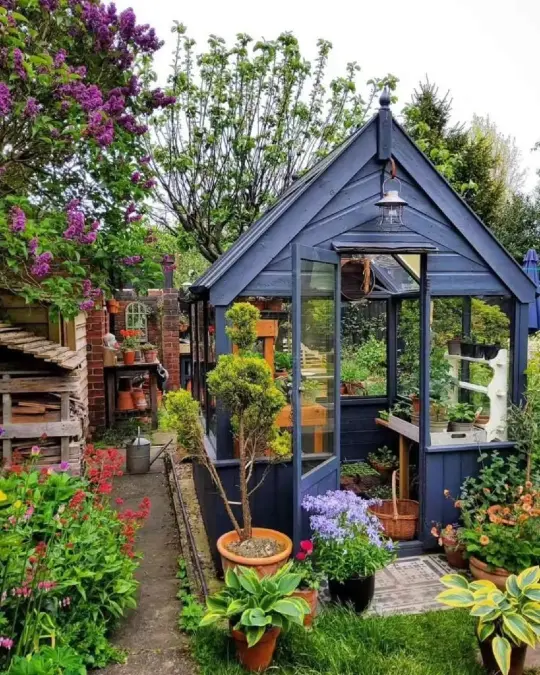
Painting the exterior wood a deep navy blue adds charming visual appeal while simultaneously helping the structure absorb essential solar heat. Large, open doors and abundant windows allow the space to blend seamlessly with the colorful surrounding cottage garden beds.
Dedicated gardeners frequently use structures like this as a hybrid zone for seed starting, potting, and equipment storage. Trapped warmth inside provides a safe haven for overwintering delicate container plants and tropical herbs.
12. The Stock Tank Raised Bed Greenhouse
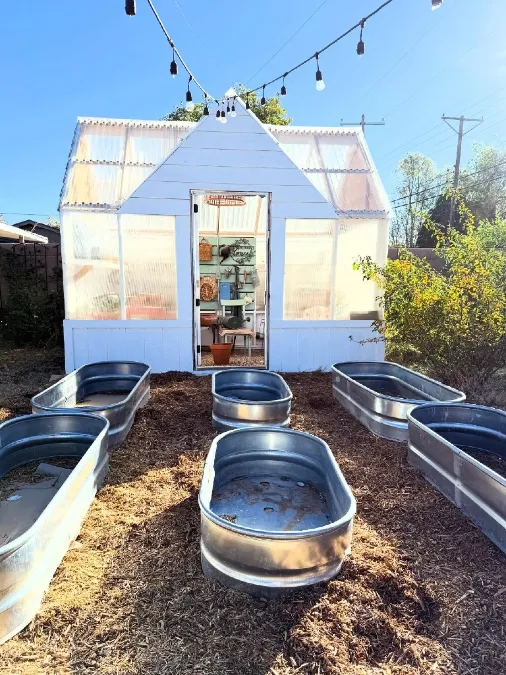
Constructing the lower half with simple white siding offers great insulation against cold ground temperatures and helps reflect light inside. Corrugated clear sheeting forms the upper walls and roof, allowing ample light to flood the functional interior space easily.
Arranging galvanized metal stock tanks around the perimeter creates durable, affordable, and deep raised beds. Galvanized metal material absorbs and transfers heat faster than wood, helping warm the surrounding soil earlier in spring.
13. The Charming Cottage Potting House
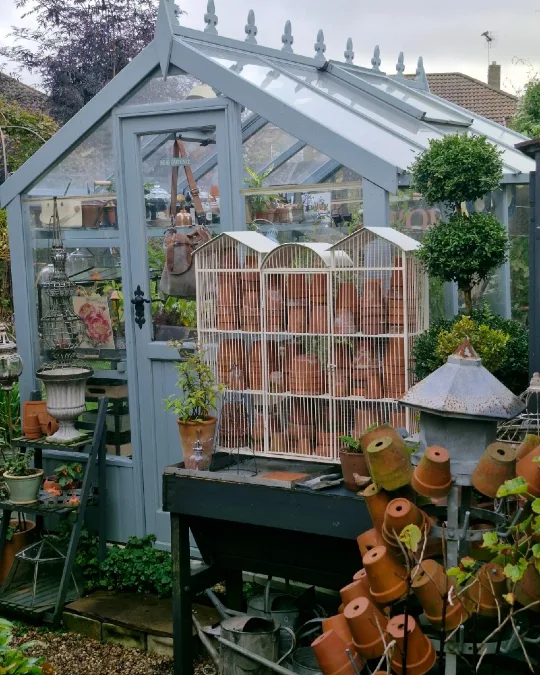
Painting a traditional wooden structure a soft pale blue creates a quaint, highly appealing focal point within the yard. Decorative wooden finials along the roofline add traditional cottage garden appeal to an otherwise simple, effective design.
Dedicated gardeners frequently use these structures for messy tasks, like mixing soil and transplanting seedlings onto sturdy benches. Arranging gardening tools and supplies artfully around the exterior creates a functional staging area that maintains an attractive view.
14. The Illuminated Floral Showcase
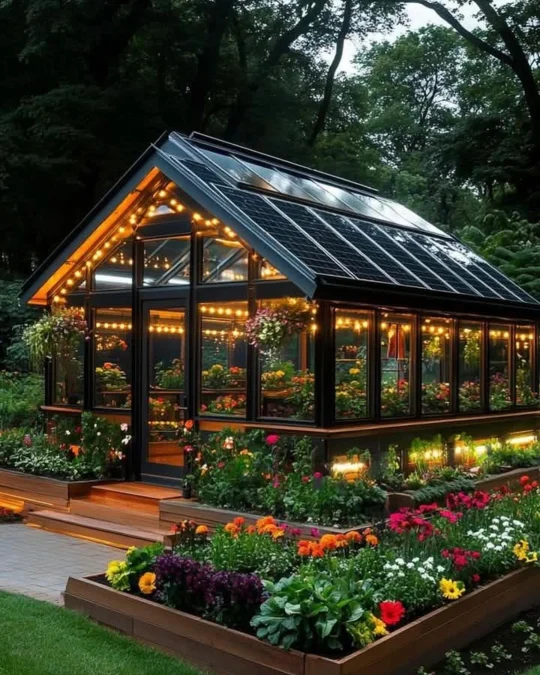
Constructing the structure on an elevated wooden deck improves drainage greatly, protecting the foundation from excess moisture damage. The dark black metal framing provides striking architectural contrast against the lush green garden surroundings.
Dedicated gardeners frequently use structures this size to overwinter decorative foliage or start delicate bedding plants early in the year. String lighting wrapped around the interior and exterior creates a beautiful nighttime glow, transforming the house into a dramatic garden feature after dark.
15. The High Thermal Mass Stone Base House
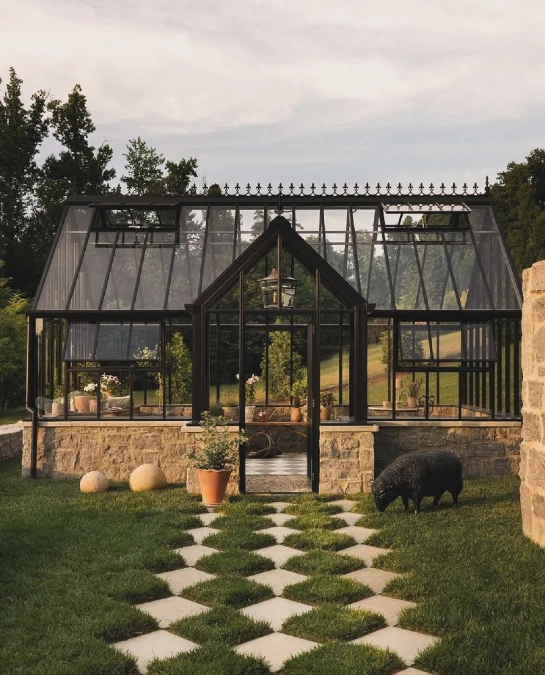
Constructing a greenhouse on a substantial stone foundation significantly increases the structure’s overall thermal mass capacity. The heavy stone material absorbs warmth during sunny daylight hours and releases that stored heat back into the interior at night.
the high masonry walls for overwintering sensitive tropical plants. Access is granted by a charming checkerboard pathway laid into the grass, establishing a formal, appealing approach to the entrance.
16. The Tiered Garden Accent House
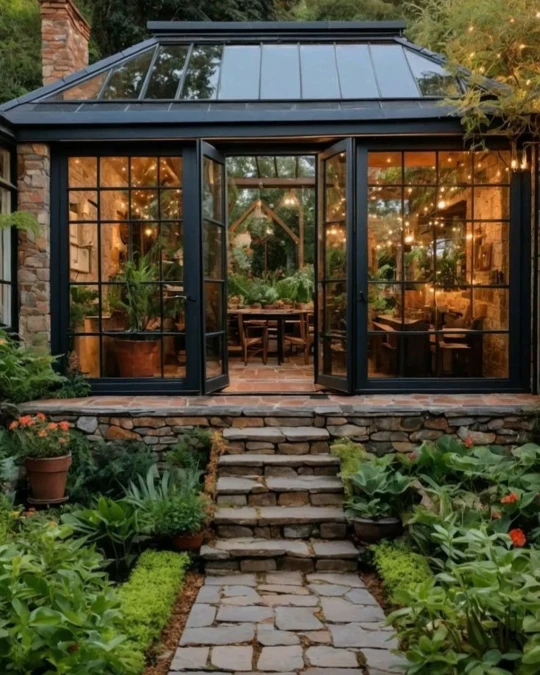
Constructing the structure using contrasting dark metal and warm wooden framing creates strong visual interest within the garden landscape. The high pitched roof angle maximizes the exposure of the large glass panels to sunlight, generating substantial heat gain efficiently.
Dedicated gardeners frequently use tiered stone walls to create custom raised beds surrounding the warm enclosure, maximizing planting space. The stone material absorbs heat radiating from the glass walls, warming the exterior soil and protecting the roots of outdoor crops.
17. The Classic Kit with Integrated Raised Beds
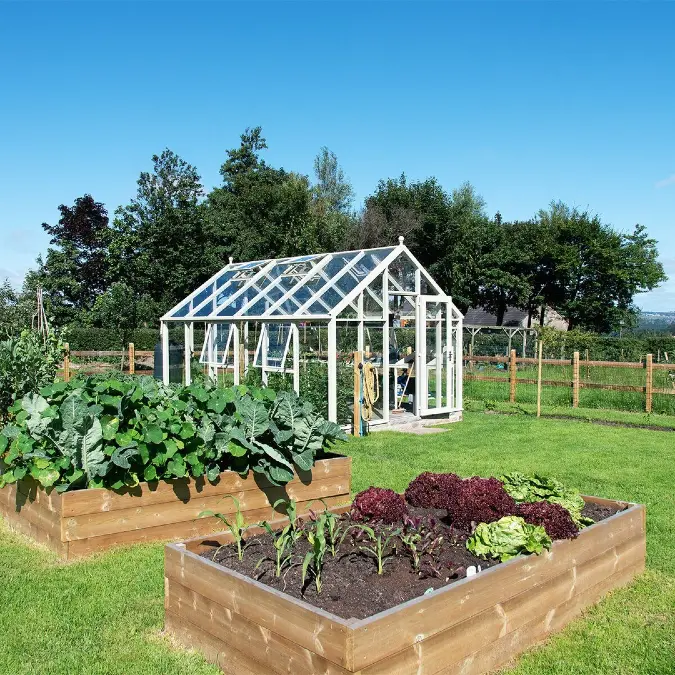
Assembling a white framed kit provides a crisp, traditional structure that fits aesthetically into nearly any garden setting. The light color reflects strong summer sunlight, keeping the internal temperatures slightly lower than dark framed structures.
Placing the house near large wooden raised beds maximizes the efficiency of the available space for crop rotation. The deep beds provide warm, well draining soil for heavy feeding crops like corn and cabbage outside the sheltered environment.