
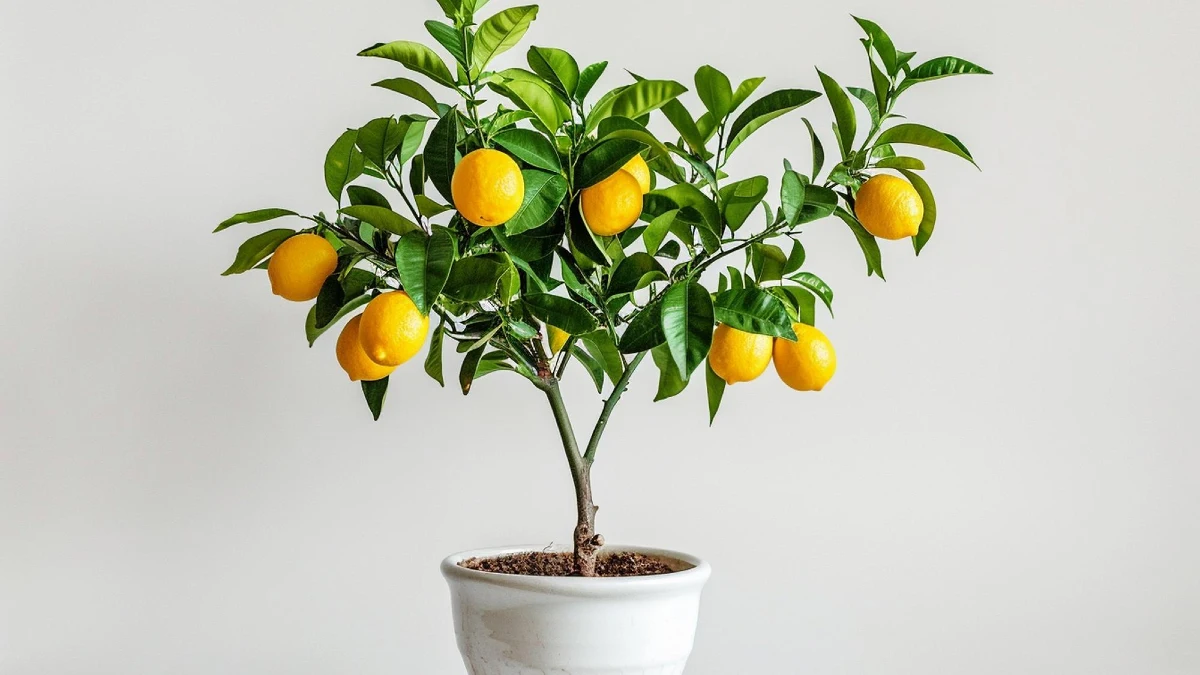
Imagine plucking a fresh organic lemon from your living room or balcony for your morning tea or evening cocktail. It smells like jasmine and tastes better than anything from the store.
But for many indoor gardeners this dream turns into a stick with yellow leaves and no fruit. Many people treat a potted lemon tree like a houseplant but growing citrus in containers requires a specific recipe different from ground planting.
This guide covers the 2025 standards for soil mixing and the manual pollination hack that guarantees fruit.
1. Choose the Right Variety Don’t Skip This
Standard lemon trees naturally want to grow twenty feet tall so if you put one in a container its roots will eventually suffocate. This leads to a stressed tree that produces leaves but refuses to grow actual fruit for you.
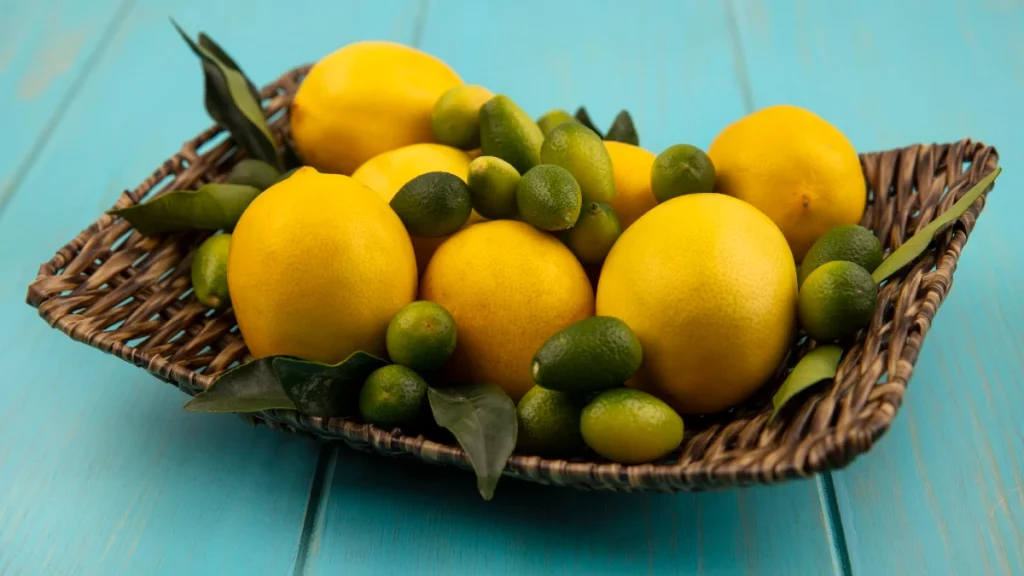
The solution is buying a specific dwarf or semi dwarf variety that is grafted onto special roots. These trees stay small enough for your living room but still grow normal sized lemons.
- The Meyer Lemon is the best choice for pots because it is sweeter and fruits heavily
- The Ponderosa produces giant grapefruit sized lemons that are great for novelty
- The Variegated Pink Lemon offers beautiful green and white striped leaves plus fruit
- Always buy a grafted tree from a nursery instead of planting seeds from a grocery store lemon
Patio Lemon Guide
Meyer Lemon
The best choice for pots. It is sweeter and fruits heavily.
The Ponderosa
Produces giant grapefruit-sized lemons that are great for novelty.
Variegated Pink
Offers beautiful green and white striped leaves plus unique fruit.
Buy Grafted
Always buy a grafted tree from a nursery, not seeds from a grocery store.
2. The Perfect Pot and Soil Setup
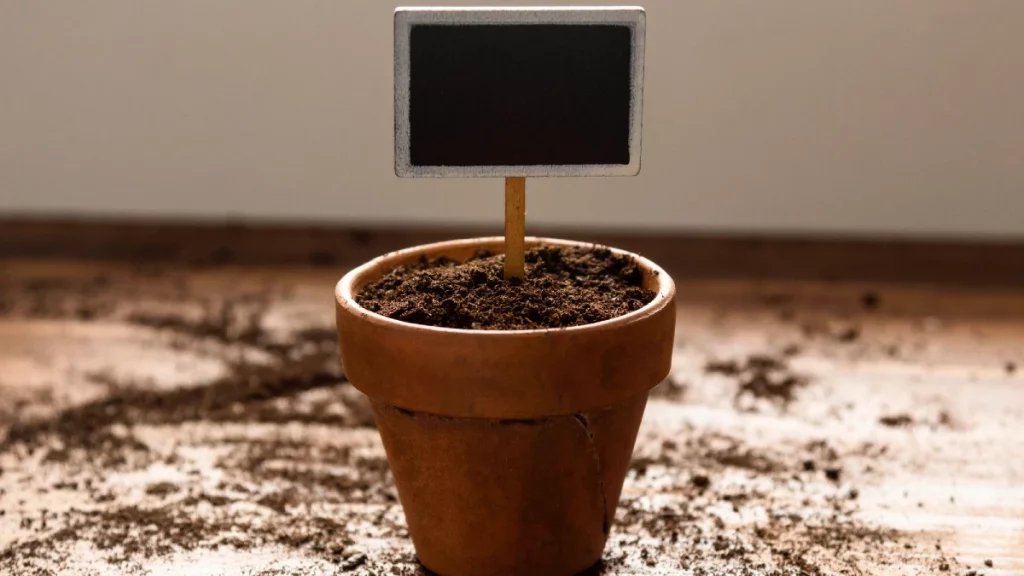
You must create a soil environment that allows the roots to breathe because garden soil turns into concrete inside a pot. The number one mistake beginners make is using heavy dirt that holds too much water and rots the delicate root system.
A proper container setup requires a mix that drains water almost instantly while keeping the roots slightly moist. This balance is the only way to keep your tree alive for years.
- Start with a 5 to 7 gallon pot to avoid overwhelming the roots with too much soil
- Terracotta pots are excellent because the clay breathes and prevents waterlogging
- Use a soil mix of one part peat moss one part perlite and one part pine bark
- Consider using fabric pots to naturally prune the roots with air for better growth
3. Sun and Location The Energy Source
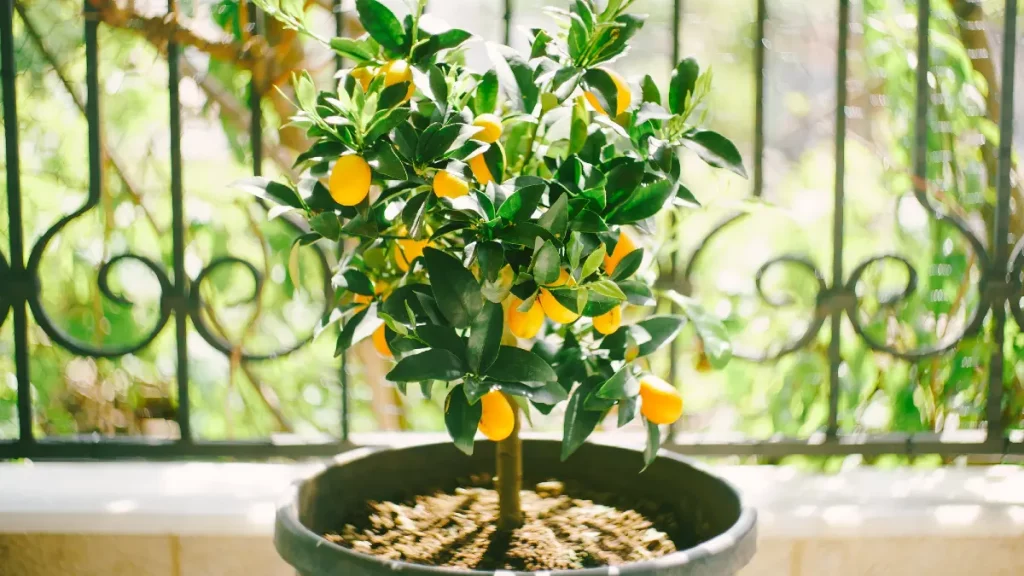
Citrus trees function like solar panels and require massive amounts of energy to convert sunlight into sugar for sweet fruit. Most universities recommend at least eight to ten hours of direct sunlight every single day for fruit production.
Since modern windows often block UV rays you might need to help your tree with extra light sources. If the tree does not get enough light it will survive but it will never give you a harvest.
- Place your tree directly in front of a South facing window for maximum light
- Use a full spectrum LED grow light if you cannot provide natural sun
- Keep the tree away from cold drafts near doors or hot air from heater vents
- Maintain a steady temperature between 65 and 85 degrees Fahrenheit
Citrus Care Basics
South Facing
Place your tree directly in front of a South facing window for maximum light.
LED Grow Light
Use a full spectrum LED grow light if you cannot provide natural sun.
Avoid Drafts
Keep away from cold drafts near doors or hot air from vents.
Steady Temp
Maintain a steady temperature between 65°F and 85°F.
4. Watering The Moist but Not Soggy Rule
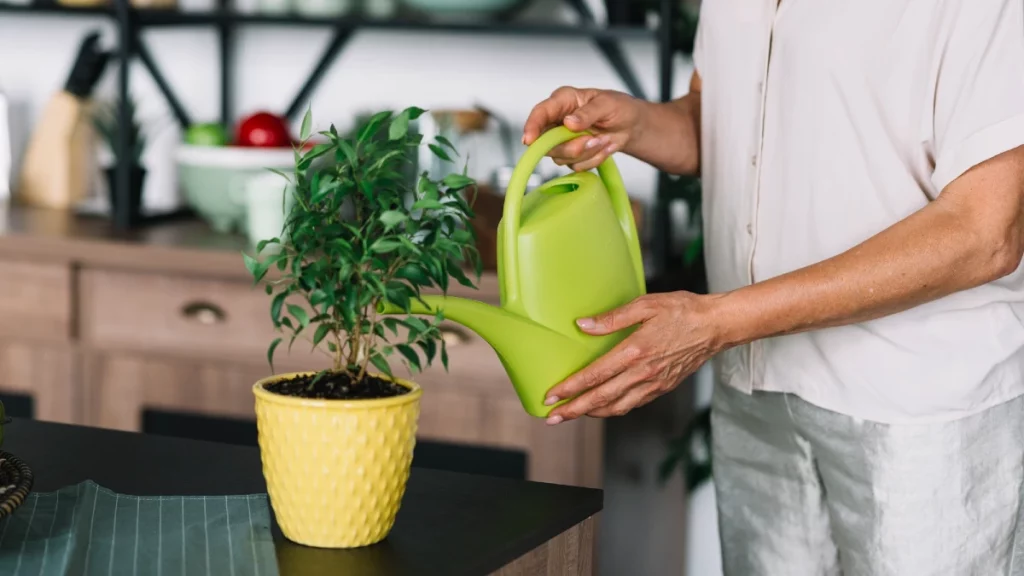
Watering is the hardest part of citrus care because the roots hate being wet but also panic if they get completely dry. You should never water on a strict calendar schedule since the weather changes how much the tree drinks each week.
The goal is to keep the soil like a wrung out sponge that is damp to the touch but never dripping wet. Overwatering removes oxygen from the soil and kills trees faster than anything else.
- Check the soil moisture by sticking your finger two inches deep into the pot
- Only water the tree when the soil feels dry at that two inch depth
- Ensure your pot has large drainage holes so excess water can escape immediately
- Increase humidity around the tree with a pebble tray to prevent leaf drop
5. Fertilizing The Fuel for Fruit
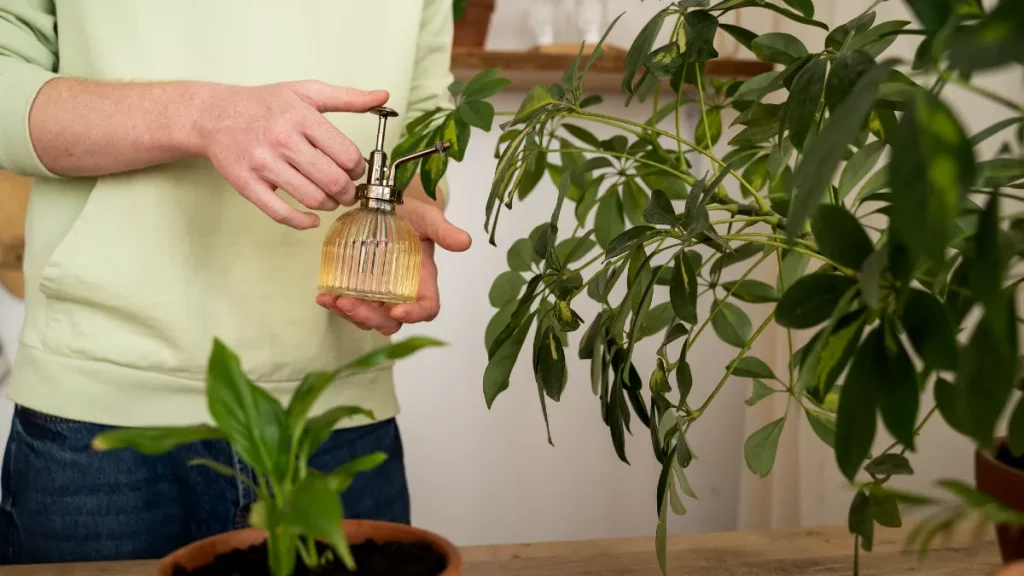
Lemon trees are hungry plants that pull massive amounts of nutrients from the soil to build their juicy fruit. Typical houseplant food is not strong enough because citrus needs a specific balance of nitrogen and potassium to support flowering.
You also need to ensure the fertilizer includes heavy metals like iron and zinc to prevent the leaves from turning yellow. Without a steady diet of heavy nutrients your tree will simply stop growing.
- Look for a citrus specific fertilizer with a 2-1-1 or 3-1-1 NPK ratio
- Ensure the product contains micronutrients specifically Iron Zinc and Manganese
- Feed the tree every four to six weeks during the active Spring and Summer seasons
- Reduce or stop feeding during the Winter when the tree is dormant
6. The Secret Step Hand Pollination
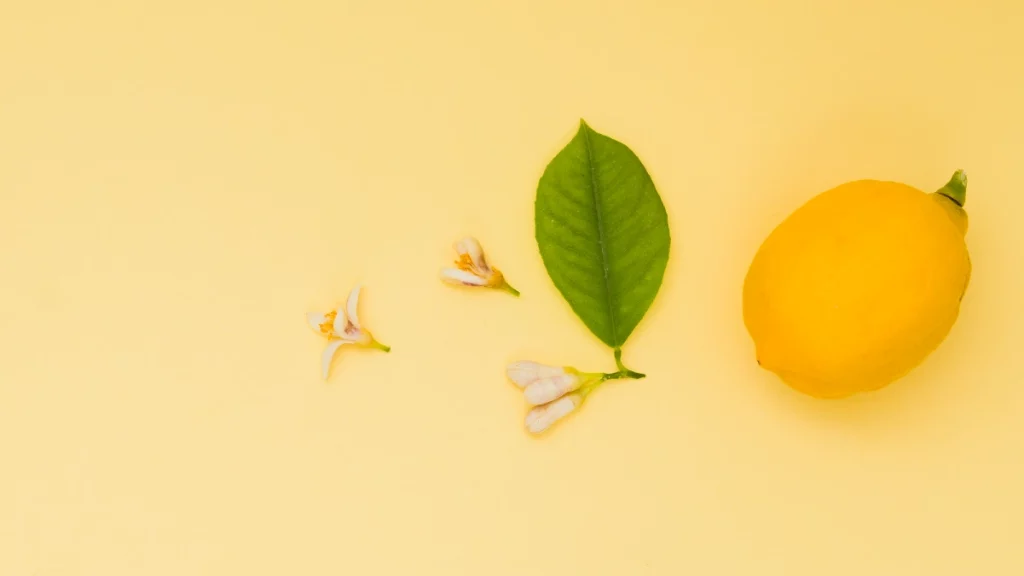
The main reason indoor growers fail to get fruit is that there are no bees inside your home to move pollen around. A lemon tree in a sealed room cannot pollinate itself efficiently so the flowers will just shrivel and fall off.
You must act as the pollinator by physically moving pollen from one flower to another to trigger fruit growth. This simple manual process is the secret step that guarantees your lemons will actually start to grow.
- Use a small soft paintbrush or cotton swab as your pollinating tool
- Gently swirl the brush inside a fully open flower to pick up yellow pollen
- Transfer that pollen by brushing the inside of the next flower on the branch
- Repeat this process daily while the tree is blooming for the best results
7. Troubleshooting Common Issues
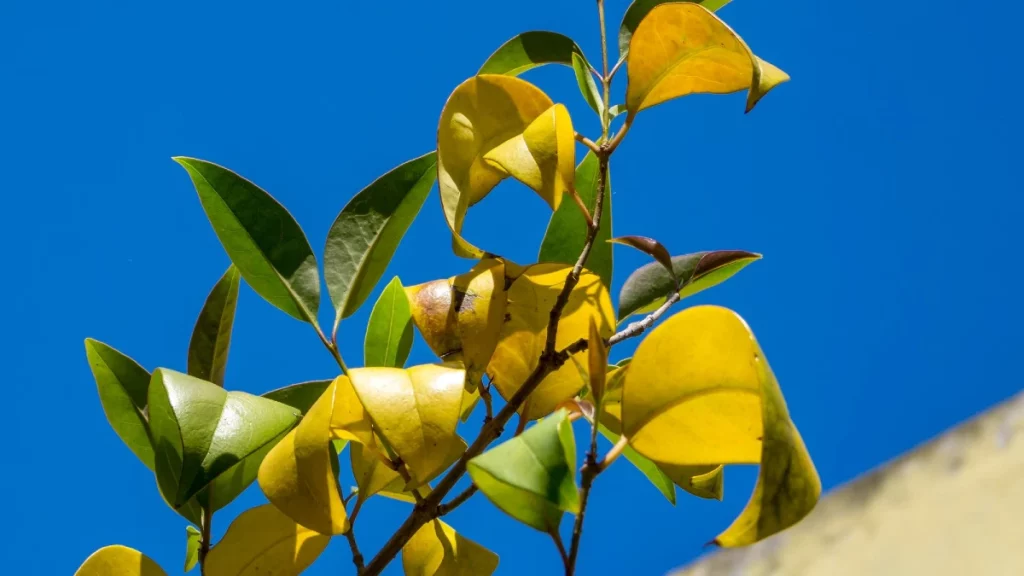
Even with the best care you might see leaves turning yellow or small pests attacking the fresh growth. The most common pests are spider mites which look like tiny moving dots and leave small webs on the branches.
Yellow leaves usually mean the tree is either drowning in water or starving for specific nutrients like iron. Identifying these problems early is key to saving your harvest before the tree drops its fruit.
- Treat spider mites and scale insects immediately with organic Neem oil
- Add an iron supplement if leaves turn yellow but the veins remain green
- Adjust your watering habits if the leaves turn completely yellow and fall off
- Keep temperatures stable to prevent the tree from dropping small baby lemons
Citrus E.R.
Bugs? Spray Now!
Treat spider mites and scale insects immediately with organic Neem oil.
Yellow Leaf, Green Vein?
This is iron deficiency. Add an iron supplement to fix it.
Yellow & Dropping?
Adjust your watering habits if leaves turn completely yellow and fall off.
Baby Drop?
Keep temperatures stable to prevent the tree from dropping small baby lemons.