
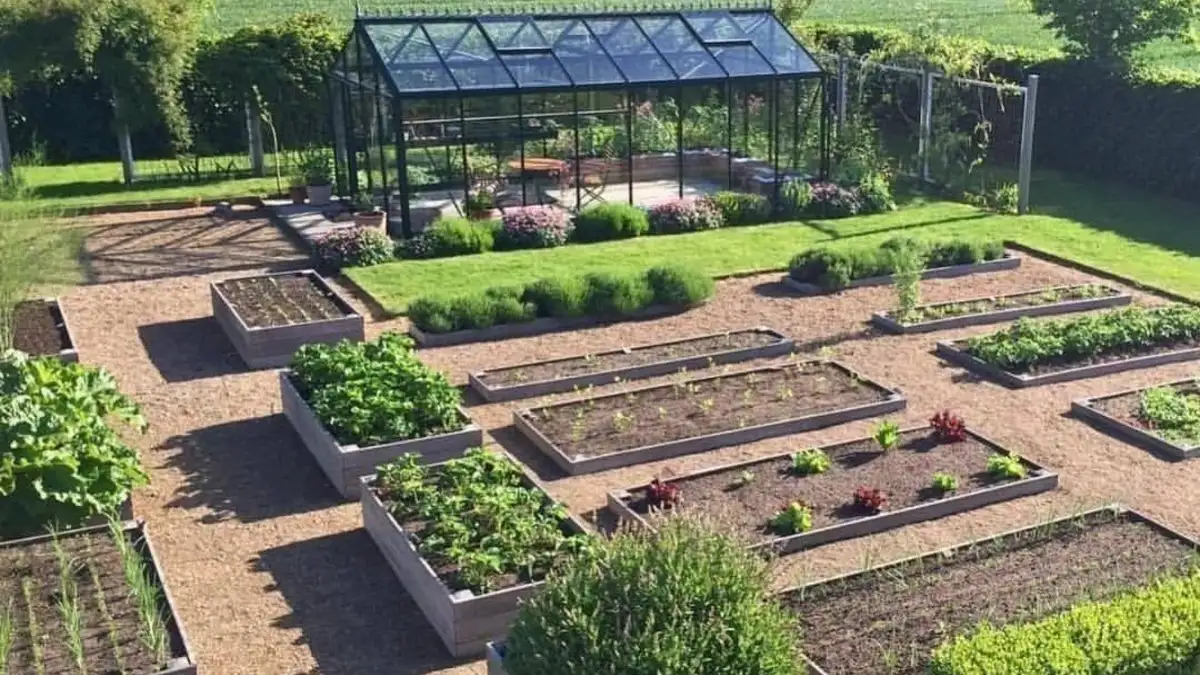
We have all seen those “perfect” gardens on social media. You know the ones. They feature cedar raised beds that cost $300 each and custom soil blends delivered by a truck. It makes gardening look like a luxury hobby.
But that is not reality. In fact, it is the opposite of how our grandparents grew food. You do not need money to grow a tomato. You need creativity.
You can start a productive garden using trash, kitchen scraps, and resources your community is trying to throw away. This guide will show you how to master gardening when you are broke.
We will skip the fluff and focus on building a budget vegetable garden that actually puts inflation-proof food on your table in 2025.
1. Regrow Kitchen Scraps
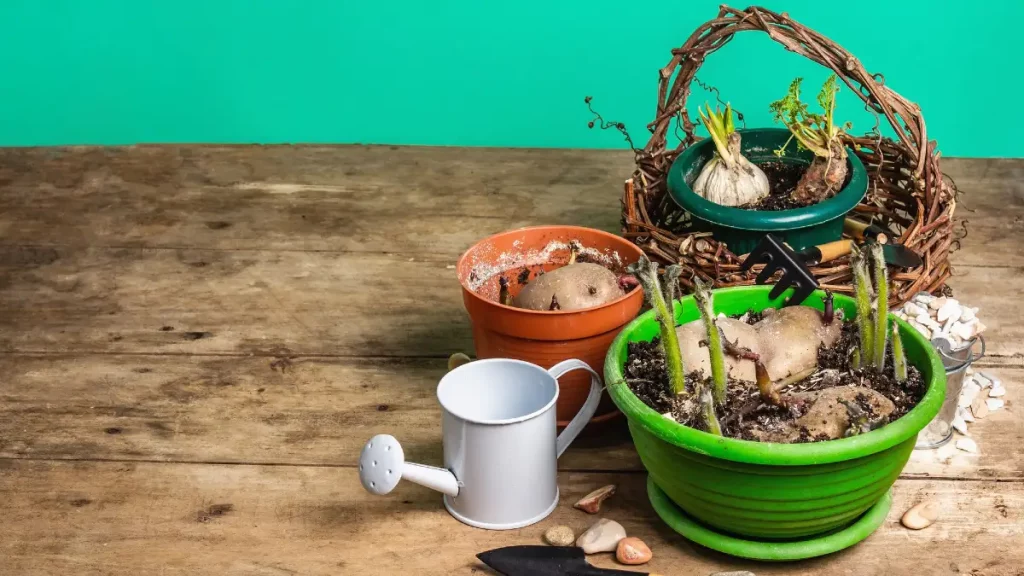
You can start gardening right now with the food scraps you usually throw away in the trash bin. Many vegetables like green onions and celery will grow new roots if you place them in water.
It is a simple process that requires zero money and very little effort to see results. You simply cut the bottom off the vegetable and put it in a small jar of water on a windowsill.
This method works incredibly well for romaine lettuce hearts and bok choy too. You will see fresh green growth appear in just a few days.
Kitchen Scrap Garden
- ✕
Don’t Trash It!
You can start gardening right now with food scraps you usually throw away.
Just Add Water
Cut the bottom off and put it in a small jar of water on a sunny windowsill.
What Grows?
Works for green onions, celery, romaine lettuce, and bok choy.
Fast Results
You will see fresh green growth appear in just a few days.
2. The Library Hack
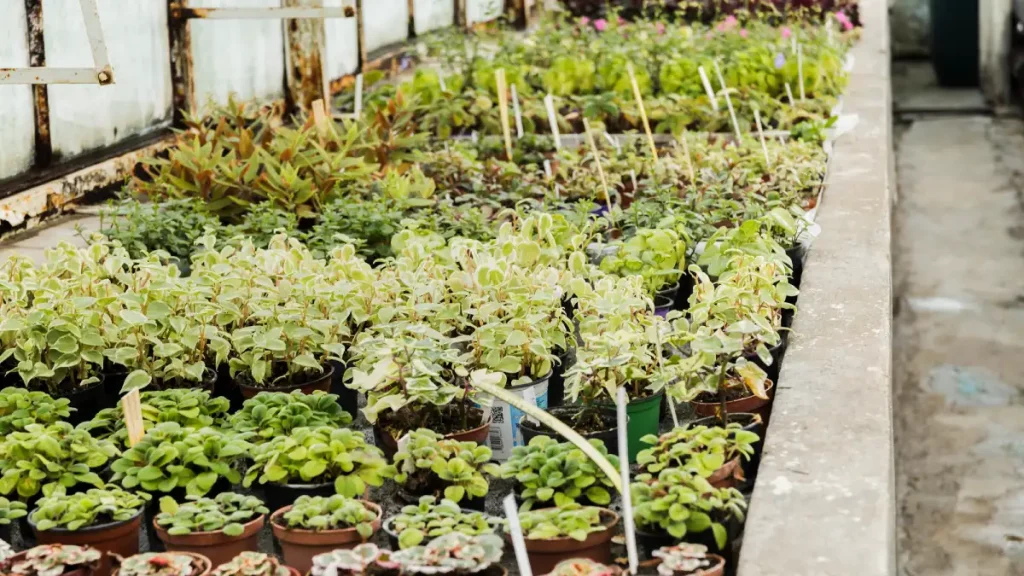
Local public libraries are becoming a massive resource for gardeners who need free seeds for their plots. You should check if your library has a seed program where you can borrow packets for the season.
They typically ask you to save seeds from your harvest to return them later so the cycle continues.
This community system helps you save money that you would otherwise spend at a garden center. It is a smart way to get high quality seeds without opening your wallet.
3. Propagation Power
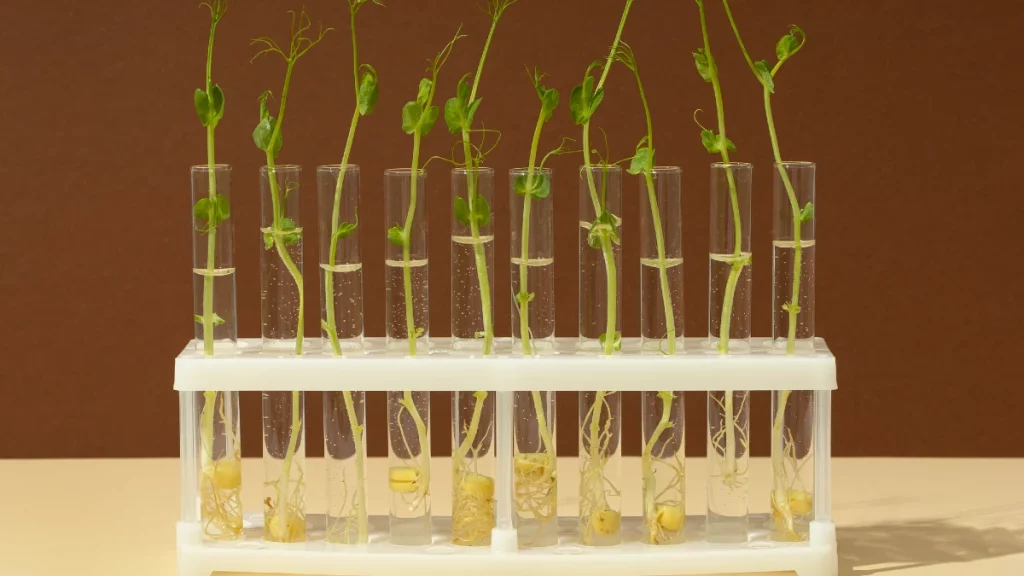
Cloning plants is a great skill that allows you to multiply your garden for free without buying starts. You can ask a friend or neighbor for a small cutting of their tomato or basil plant instead of buying one.
You simply snip a small branch and place it in water until white roots appear on the stem. Once the roots are about an inch long you can plant them directly into the dirt. This works perfectly for many herbs and soft stem vegetables.
The Plant Cloning Kit
Multiply for Free
Clone plants to multiply your garden without spending money. Ask a friend for a cutting!
Simple Snip
Simply snip a small branch from a tomato or basil plant.
Water Rooting
Place it in water until white roots appear on the stem.
Plant It
Once roots are an inch long, plant directly into the dirt.
4. Save Seeds from Grocery Produce
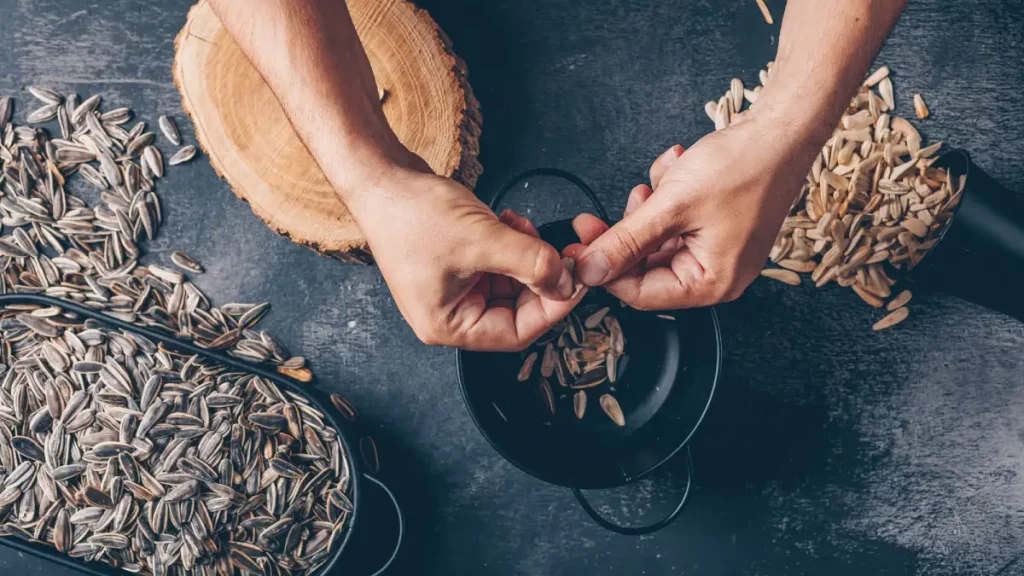
You can harvest viable seeds from the organic produce you buy at the grocery store to eat. Vegetables like bell peppers and melons are full of seeds that you can clean and dry for planting.
You just need to scrape the seeds out and let them dry on a paper towel for about a week. It is best to use organic or heirloom produce because they grow true to the parent plant. This simple habit turns your grocery bill into a garden investment.
5. Perennial Dividends
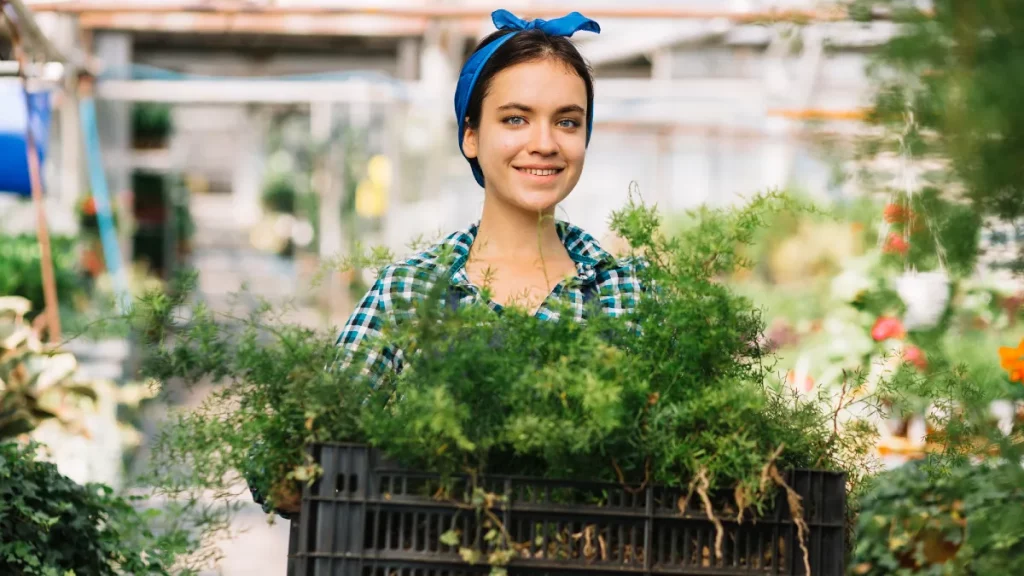
Perennial plants come back every year and often grow too large for their original space in the garden. Gardeners frequently have to dig up plants like rhubarb and hostas to split them in half to keep them healthy.
You should ask your neighbors if they are planning to divide any plants during the spring or fall season. Most gardeners hate throwing away healthy plants and will happily give you a large root chunk for free. It helps them clear space while giving you a free plant.
6. The Lasagna Method
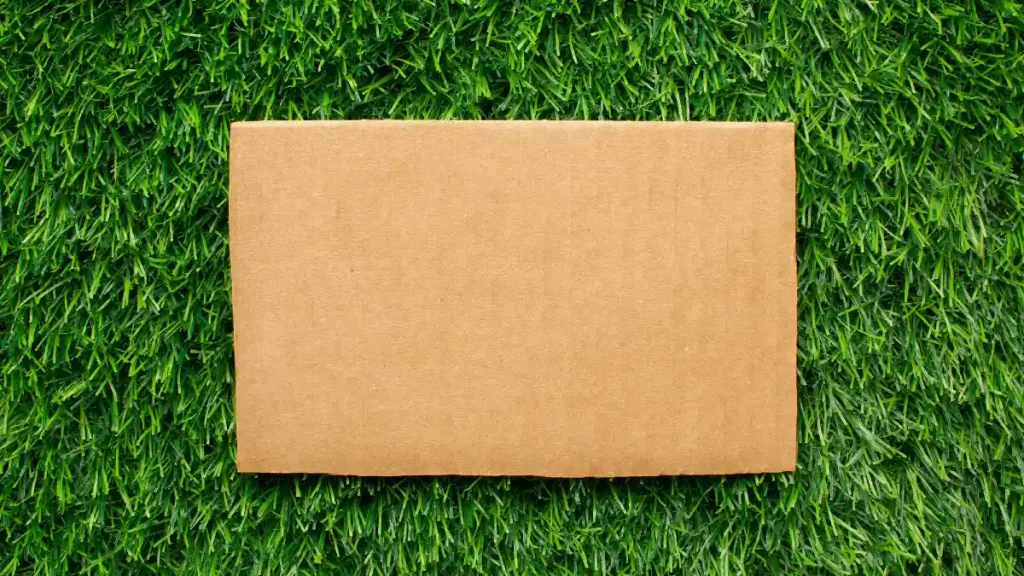
You do not need to dig up your grass or buy expensive topsoil to start a new garden bed. You can build rich soil right on top of your lawn using a method called sheet mulching.
You start by laying down cardboard directly on the grass to kill it and attract helpful earthworms. Then you layer green waste like vegetable scraps and brown waste like dried leaves on top of the cardboard.
Over time these layers break down into nutrient dense soil that costs you nothing.
7. ChipDrop and Arborists
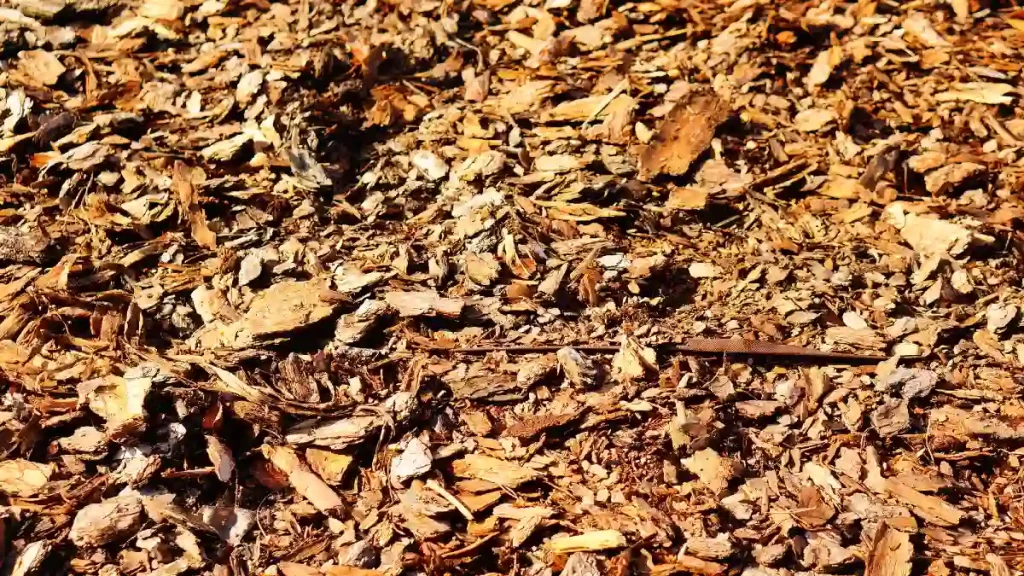
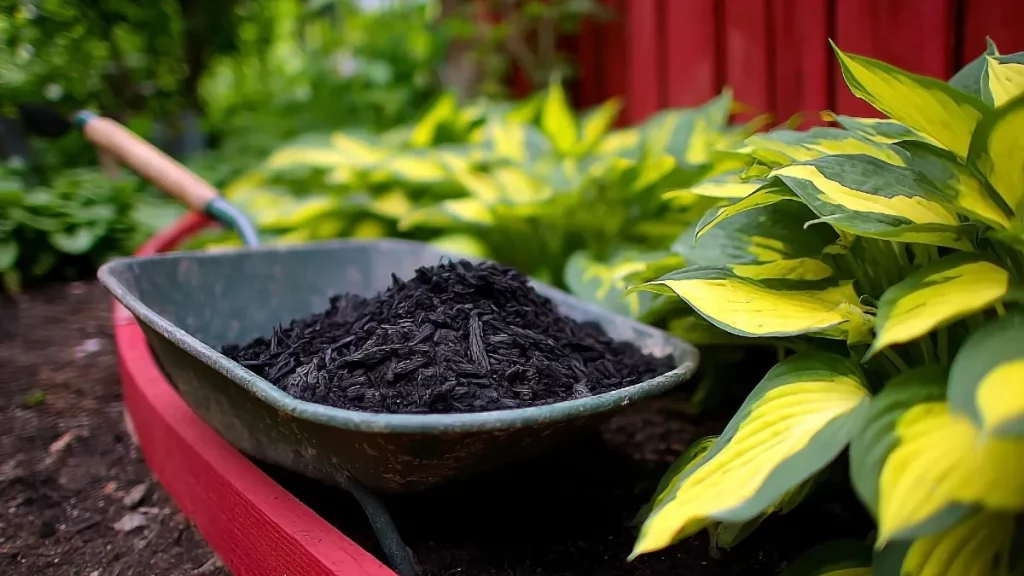
Wood chips are excellent for covering your garden pathways and holding essential moisture in your soil layers. You can use a service like ChipDrop to connect with local arborists who need a place to dump wood chips.
These companies will often deliver a massive pile of chips to your driveway for free to save themselves a dump fee.
It is a win for everyone since you get free mulch and they save money on disposal. Make sure you have enough space for a full truckload before you request a drop.
8. Black Gold Vermicomposting
You can make your own high quality fertilizer indoors using just a plastic bin and some red wiggler worms. This process turns your daily kitchen trash like banana peels and coffee grounds into nutrient rich castings.
You just need to drill some air holes in a storage tote and add shredded newspaper for bedding. The worms will eat your garbage and produce one of the best fertilizers on earth for free. It is a silent and odorless way to boost your garden health.
9. Coffee Shop Waste
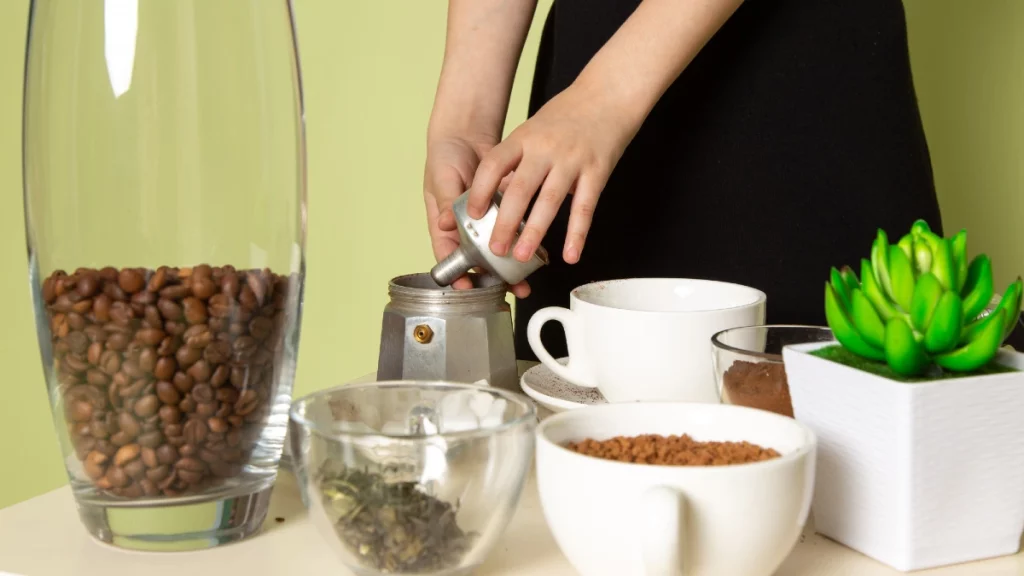
Nitrogen is the fuel that makes plants grow big green leaves and coffee grounds are packed with it. You do not need to use your own expensive coffee beans to get this benefit for your soil.
You can go to a local coffee shop and ask if they have used grounds available for gardeners. Many cafes bag them up specifically to give away because they produce so much waste every day.
You can sprinkle these grounds directly around your plants or mix them into your compost.
The Coffee Ground Hack
- ⚡
Nitrogen Fuel
Grounds are packed with nitrogen, making plants grow big green leaves.
Ask Local Cafes
Don’t use expensive beans. Ask a local coffee shop for their used grounds.
Free Resource
Many cafes bag them up to give away because they produce so much waste.
Sprinkle or Mix
Sprinkle directly around plants or mix them into your compost.
10. The Liquid Gold Trick

This might sound strange but human urine is a scientifically backed fertilizer that is used by frugal gardeners. It is sterile when it leaves the body and contains nitrogen and phosphorus which plants love.
You must dilute it with water at a one to ten ratio so it is not too strong for the roots. This creates a powerful liquid feed that costs absolutely nothing and works fast. It is an ancient method that helps you close the nutrient loop on your property.
11. The Milk Jug Greenhouse
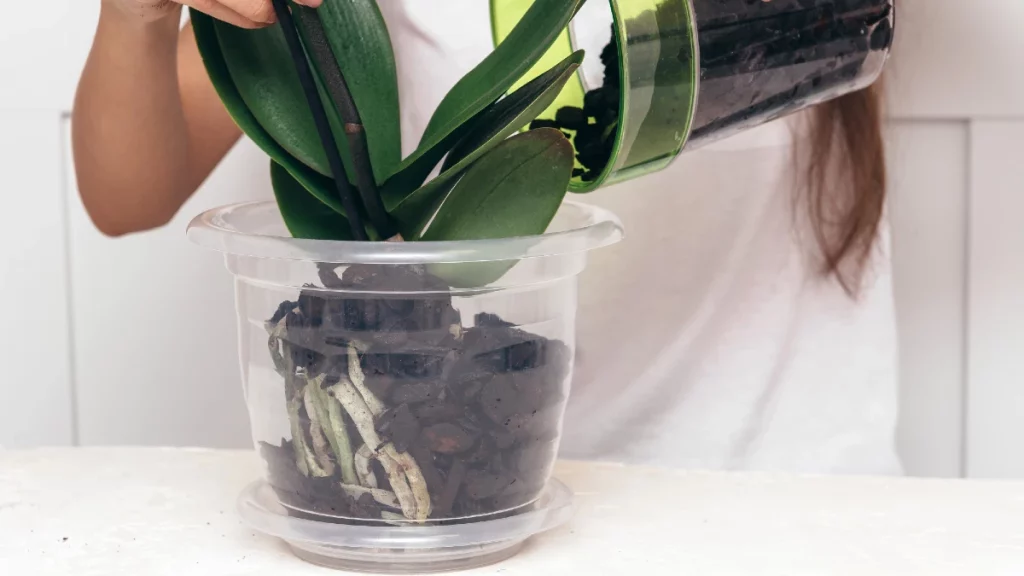
You can start seeds outdoors in the winter without buying expensive grow lights or heating mats for your home. This technique uses clear plastic milk jugs or soda bottles to act like miniature greenhouses in the cold.
You cut the bottle in half and add soil and seeds before taping it back shut. The jug protects the seeds from freezing temperatures while trapping heat from the sun. The seeds will sprout exactly when the weather is right for them to survive.
12. Tire Planters
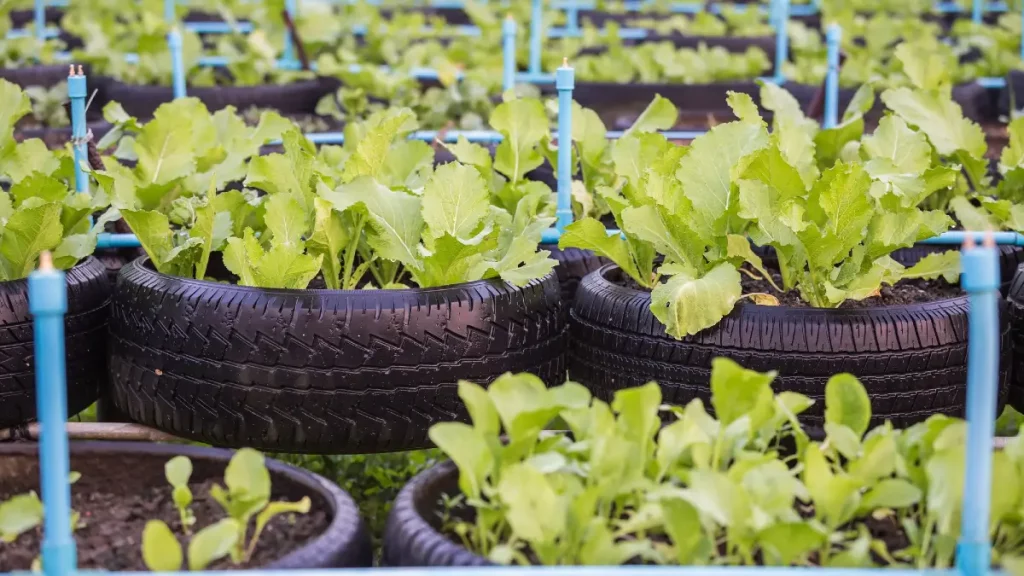
Old tires are a headache for mechanics to dispose of and they will often give them away for free. You can take a few tires and scrub them well with soap and water to use as planters.
They are great for growing potatoes because you can stack them up as the plant grows taller. The black rubber heats up quickly in the sun which helps heat loving plants like peppers grow faster. It is a smart way to keep tires out of landfills while growing food.
13. Pallet Gardening
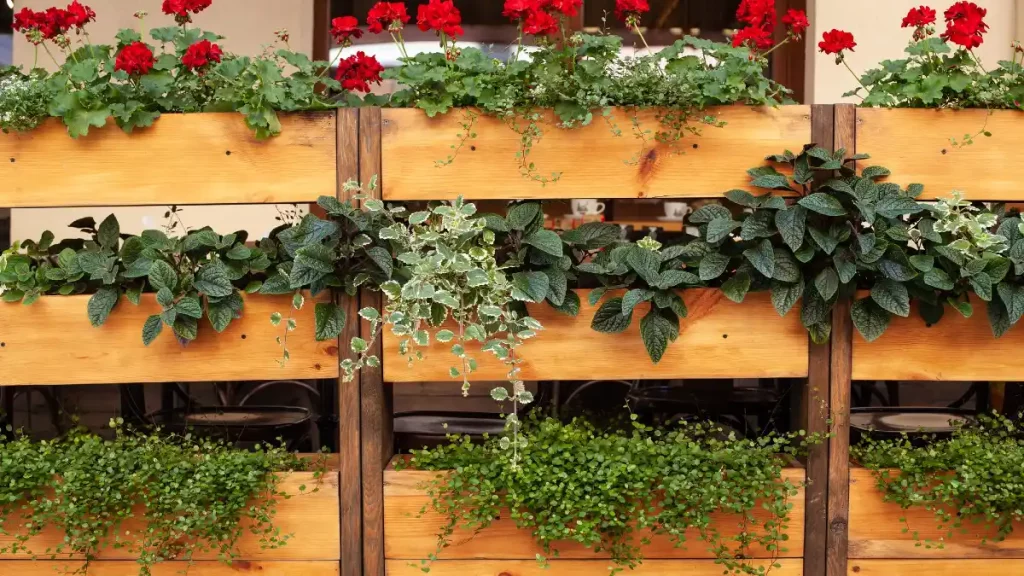
Wooden shipping pallets are often available for free behind hardware stores and warehouses if you ask the manager. You can stand them up to make vertical planters or take them apart to build raised beds.
It is important to look for a stamp on the wood that says HT which stands for Heat Treated. This ensures the wood was not treated with toxic chemicals that could leach into your food. This wood is a sturdy building material that costs zero dollars.
14. Natures Trellis
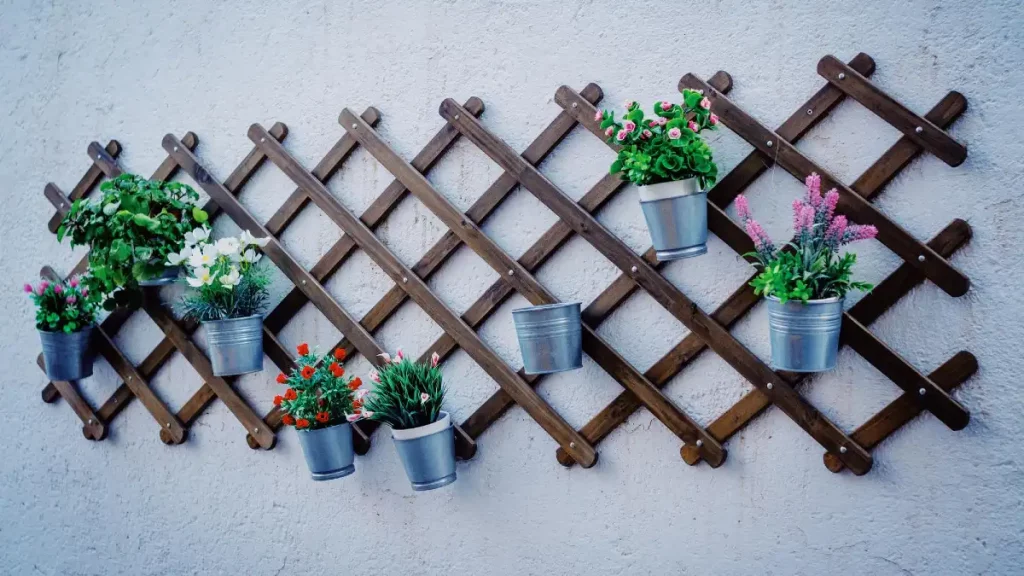
Beans and peas need something to climb on but metal cages at the garden center are very expensive. You can find free trellis materials by going for a walk in a nearby woods or park.
You simply need to gather fallen branches and sticks to stick into the ground near your plants. You can arrange them in a teepee shape or weave them together to make a rustic fence. It looks natural in the garden and works just as well as store bought metal.
15. Container Scavenging
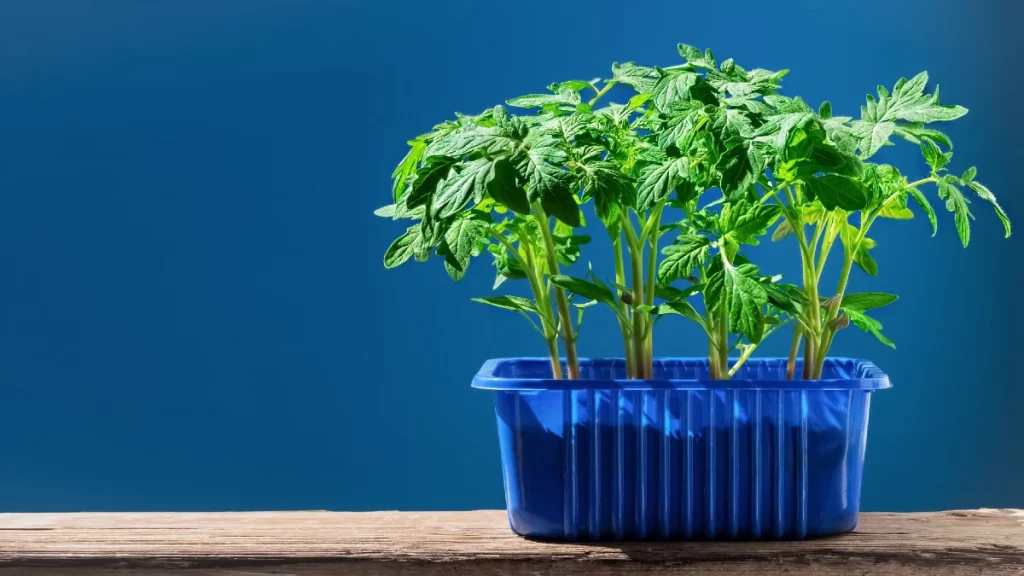
Bakeries and delis receive their ingredients in large food grade plastic buckets that they usually throw away. You can go into these local businesses and ask if they have any empty five gallon buckets available.
These containers are perfect for growing large plants like tomatoes or peppers on a patio or balcony. You just need to drill a few holes in the bottom to let excess water drain out. It is a great way to get sturdy pots without paying retail prices.
16. DIY Rain Barrel
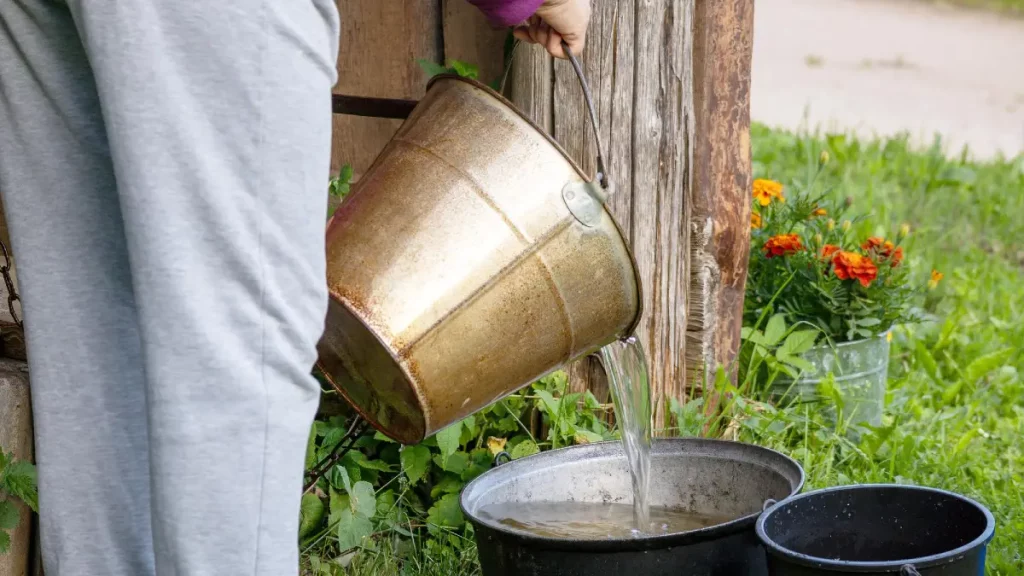
Water bills can get high in the summer so catching free rainwater is a huge budget saver. You do not need to buy a fancy rain barrel system to start harvesting water from your roof.
A clean heavy duty trash can placed under a gutter downspout works very well to catch runoff. You can use a watering can to scoop the water out whenever your garden looks thirsty. This simple setup saves gallons of tap water every single week during the growing season.
17. Mulch Heavily
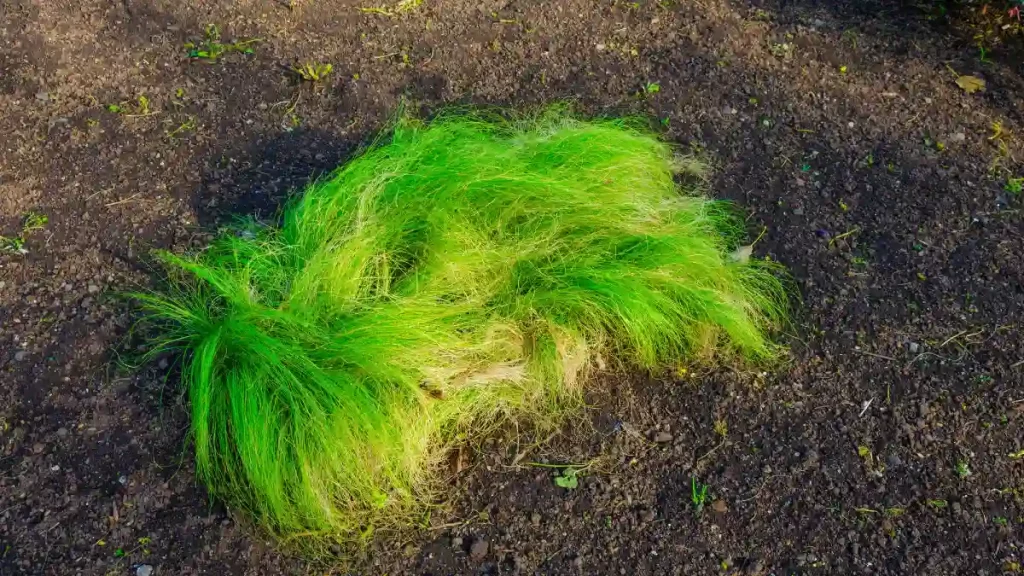
Mulch acts like a lid on your soil that stops the sun from evaporating the water in the ground. You do not need to buy bagged mulch when you have free grass clippings from mowing your lawn.
You should spread a thick layer of clippings around your plants to keep the soil cool and moist. This organic layer breaks down over time to feed the soil while blocking weeds. It significantly reduces how often you need to water your vegetable garden.
18. Grow High ROI Crops
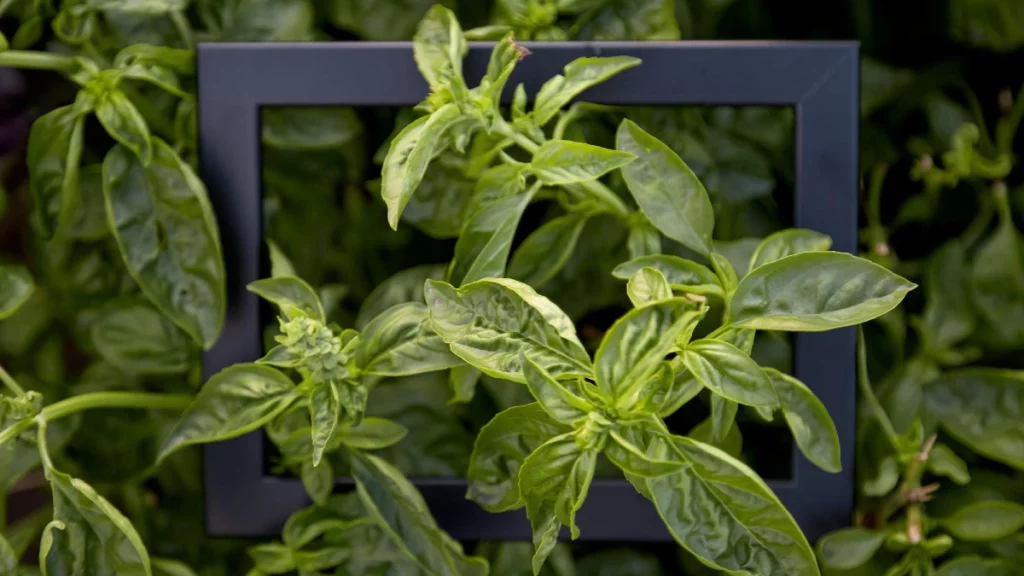
If you are gardening on a budget you should focus on growing crops that are expensive to buy. Fresh herbs and salad greens cost a lot at the store but cost pennies to grow at home. A single basil plant can produce enough leaves to replace ten plastic clamshell packs from the supermarket.
You should skip cheap crops like onions and potatoes unless you have a lot of extra space. Focusing on high value plants gives you the best return on your time and effort.
19. Community Tool Swaps
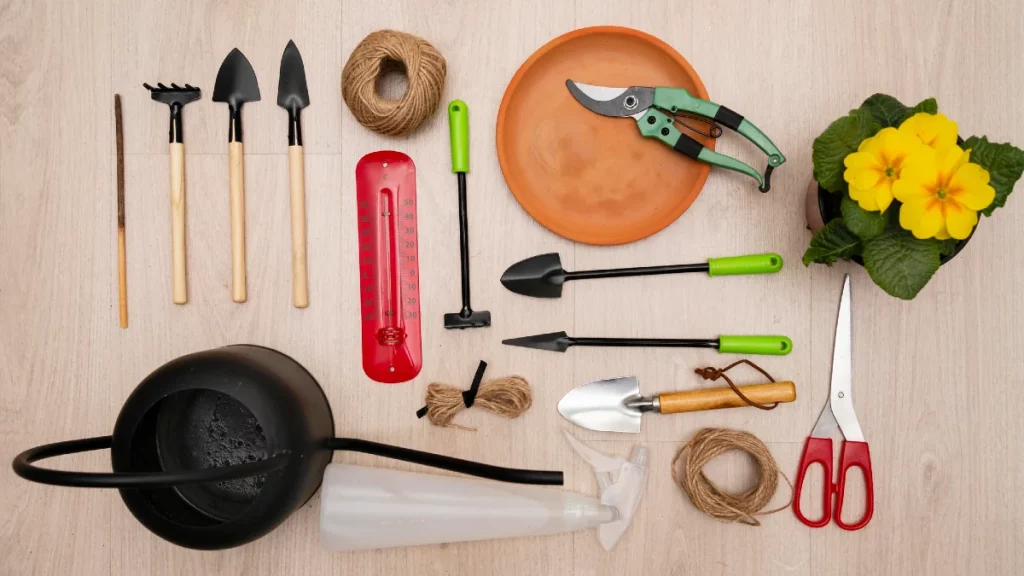
Garden equipment like tillers and broadforks are very expensive and you only use them once or twice a year. You should avoid buying these big ticket items and instead look for a community tool swap.
You can join a local neighborhood group online and ask if anyone has a tool you can borrow. Most gardeners are happy to share their equipment to help a neighbor get their garden started. This sharing economy helps everyone save money and build better community connections.
The Garden Tool Swap
- $
Big Ticket Items
Tillers and broadforks are expensive and you only use them once a year.
- ✕
Don’t Buy!
Avoid buying these items. Look for a community tool swap instead.
Join & Ask
Join a local neighborhood group online and ask if anyone has a tool to borrow.
- ⇄
Sharing Economy
Gardeners are happy to share. It helps everyone save money and build community.