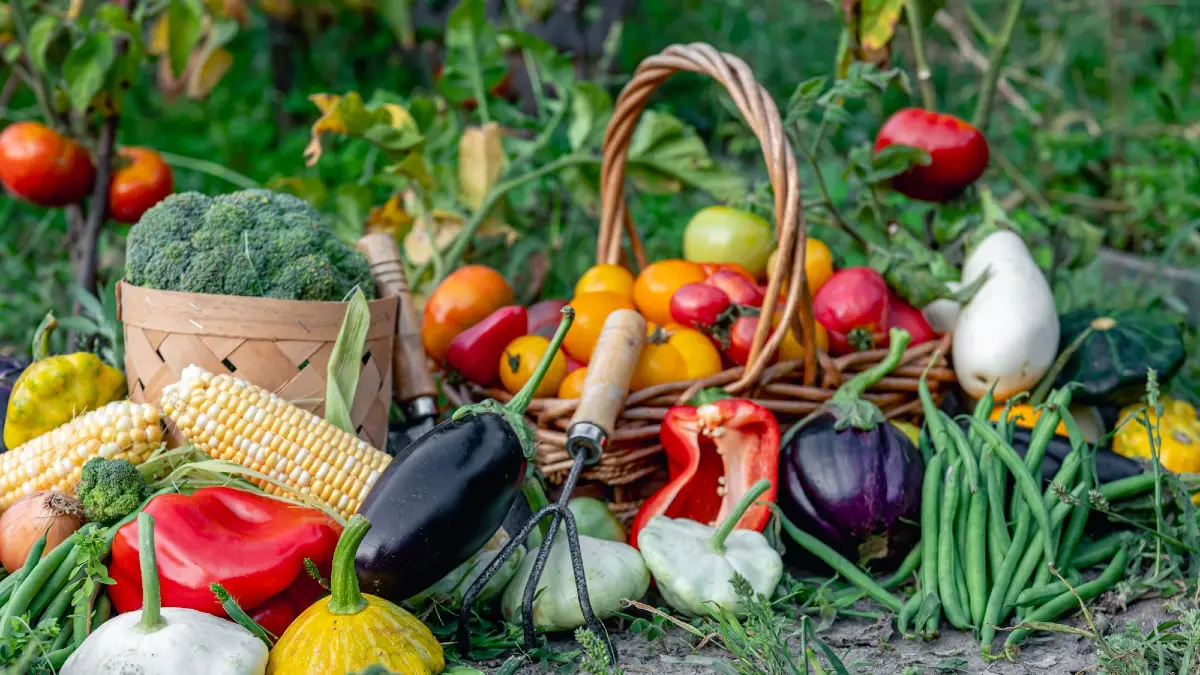
Imagine stepping onto your balcony to harvest fresh basil and sun-warmed tomatoes for dinner even in the middle of the city.
Most people believe they need a sprawling backyard to grow food and see gardening as a luxury for people with land. That is not true anymore because new container technology and dwarf plant breeding make micro-farming easier than ever.
You will learn how to set up a high-yield garden in under 20 square feet using modern methods. This guide covers the right pots and the specific plants that thrive in tight spaces so you can create a small patio veggie garden.
1. Assess Your Space Sun and Microclimates
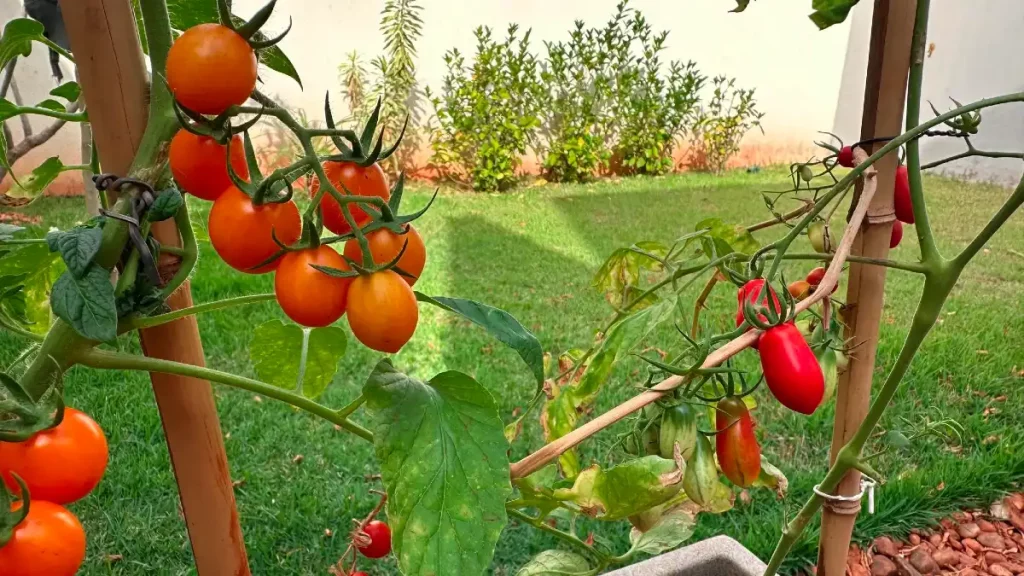
Go outside right now to check your environment before buying any supplies or plants. Sun is energy and plants convert that energy into food so you must track it carefully.
If you have less sun you will have less energy which means smaller fruit and weaker plants. You need to match your plants to your specific environment to avoid failure and wasted money.
- Leafy greens like spinach require 4 to 6 hours of direct sunlight
- Fruiting crops like tomatoes need 8 or more hours of sun
- High balconies can feel like a wind tunnel that dries out leaves
- Wet soil is heavy so check your balcony weight limits first
Balcony Garden Guide
Leafy Greens
Spinach and greens require 4 to 6 hours of direct sunlight.
Fruiting Crops
Tomatoes and peppers need 8 or more hours of sun.
Watch the Wind
High balconies act like wind tunnels that dry out leaves quickly.
Check Weight
Wet soil is very heavy. Check your balcony weight limits first.
2. Choosing the Right Containers 2025 Trends
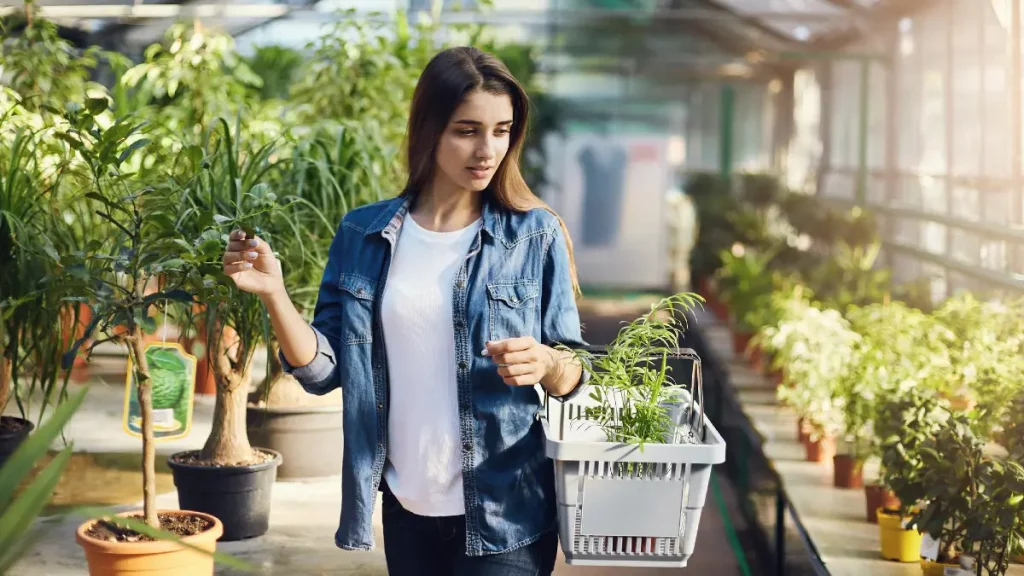
Forget the myth that you need expensive ceramic pots because they are heavy and break easily. The gardening industry has adapted to urban needs with better options that save your roots and your back.
You should select pots that save work and improve drainage rather than just looking good on a shelf.
- Fabric grow bags allow air to reach the roots and prevent circling
- Vertical systems like stackable planters can triple your yield
- Self-watering containers help busy people by holding extra moisture
- Bigger pots are always better because small ones dry out too fast
3. The Perfect Soil Mix Do Not Use Dirt
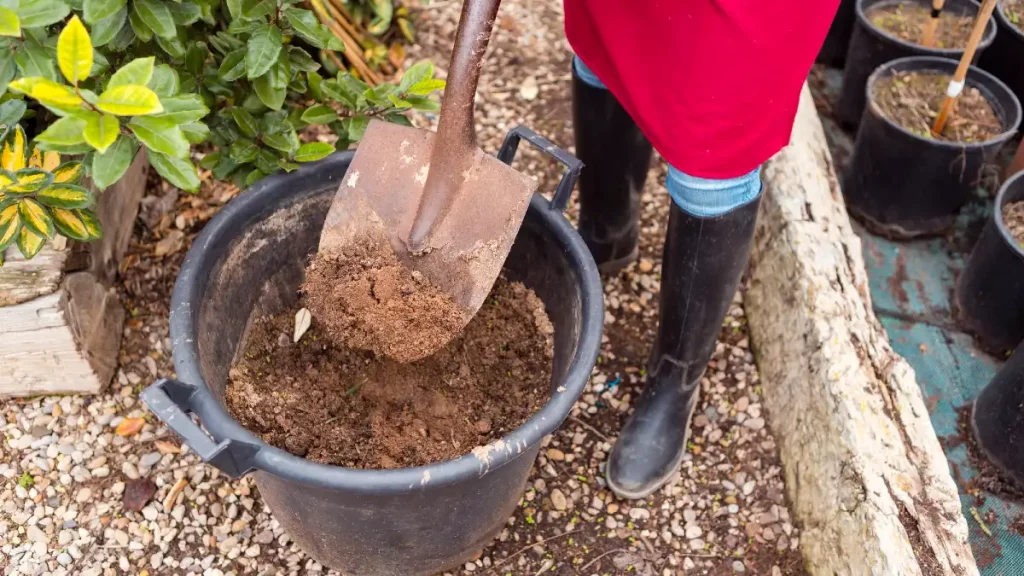
You must never dig up dirt from the ground for your containers because it turns into a hard brick. Your small patio veggie garden needs a mix that is light and fluffy to let water flow through easily.
This is called porosity and it ensures your roots get enough air to breathe without drowning in the pot.
- Mix one third compost to provide nutrients for the plants
- Add vermiculite to hold moisture in the soil for longer periods
- Use peat moss or coco coir to keep the texture loose and airy
- Avoid cheap top soil bags that will suffocate your plants
The Perfect Soil Recipe
1/3 Compost
Provides essential nutrients for your plants to thrive.
Add Vermiculite
Holds moisture in the soil for longer periods.
Peat or Coco Coir
Keeps the texture loose and airy for root growth.
Avoid Cheap Topsoil
Cheap bags are too heavy and will suffocate your plants.
4. Best Vegetables for Small Patios Compact Varieties
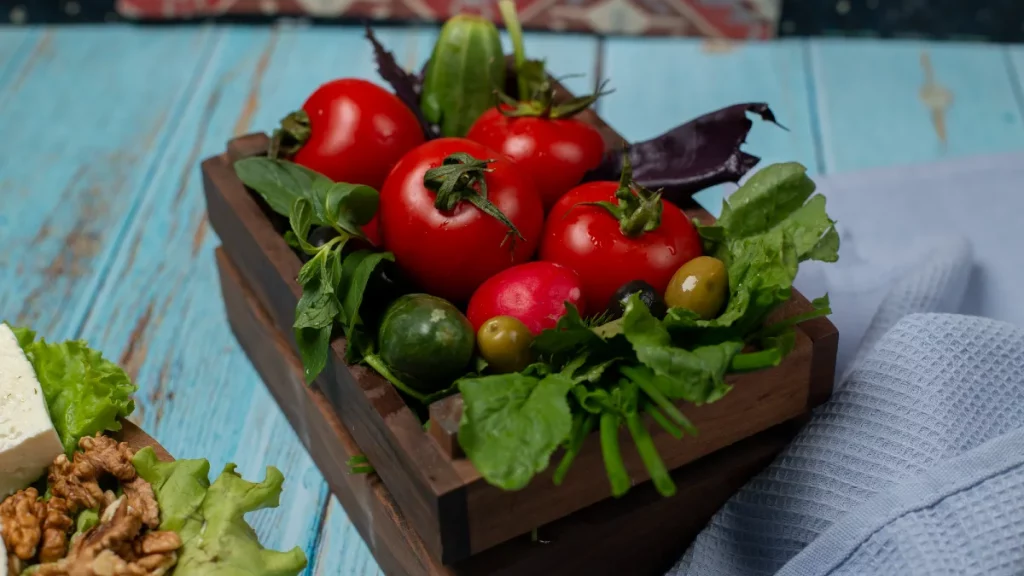
Do not grow potatoes if you can buy them cheap at the store because space is limited. You should focus on high yield crops that taste better fresh like herbs and cherry tomatoes.
Modern breeding has created dwarf varieties that stay small but still produce a lot of food for your table.
- BushSteak tomatoes grow big fruit on a small bush
- Patio Snacker cucumbers have compact vines that need less support
- Lunchbox peppers are perfect for sweet snacking directly from the plant
- Lettuce varieties like Little Gem are ideal for small pots
| Vegetable Type | Minimum Soil Depth | Container Size | Sun Needed |
| Lettuce / Herbs | 6 inches | 1 to 2 Gallons | 4 to 6 Hours |
| Peppers / Beans | 12 inches | 3 to 5 Gallons | 6 to 8 Hours |
| Tomatoes / Zucchini | 18 inches | 5 to 10 Gallons | 8+ Hours |
5. Watering and Maintenance Routine
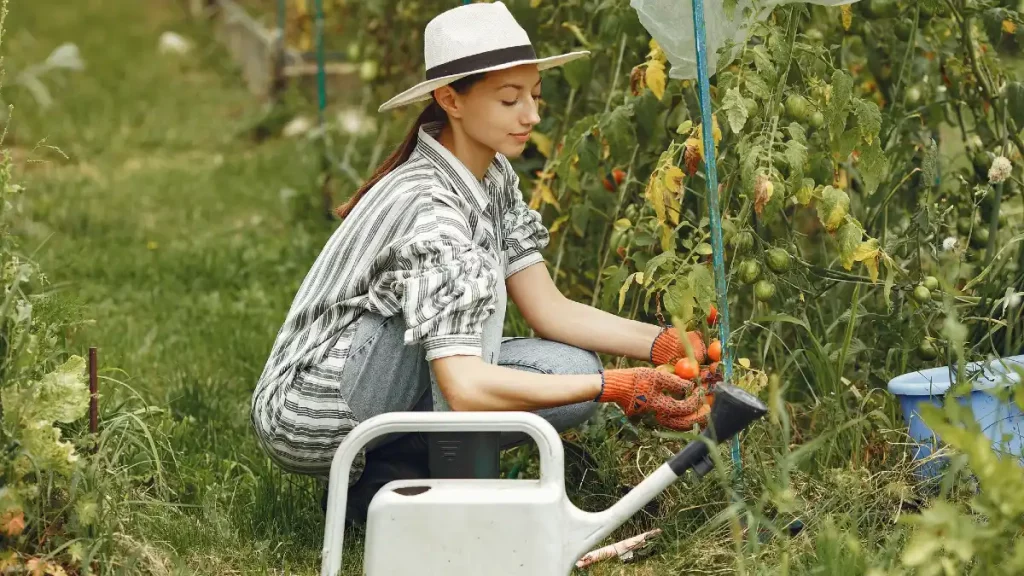
The main reason container gardens die is watering issues because pots dry out much faster than the ground. You cannot rely on a schedule and must check the soil moisture daily to keep plants alive.
Consistent care is the secret to a healthy harvest throughout the season and prevents plants from wilting.
- Stick your finger an inch into the soil to check for moisture
- Water in the morning to hydrate the plant before the hot sun hits
- Add liquid fertilizer every two weeks to replace lost nutrients
- Rotate your pots periodically so every side gets equal sunlight
Potted Plant Care
The Finger Test
Stick your finger an inch into the soil to check for moisture.
Morning Water
Hydrate the plant in the morning before the hot sun hits.
Liquid Food
Add liquid fertilizer every two weeks to replace lost nutrients.
Rotate Often
Rotate your pots periodically so every side gets equal sunlight.
6. Managing Pests Without Chemicals
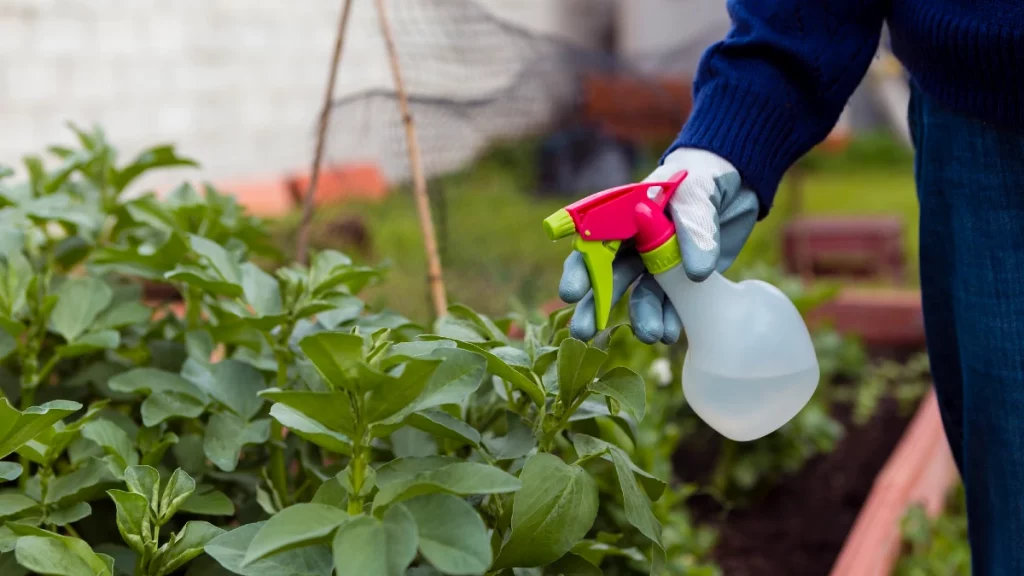
Pests are a natural part of gardening even on a high balcony because wind can carry insects up to your plants. You should not reach for strong chemicals since you are growing food right next to your living space.
The best defense is walking out every morning to check under the leaves for any small eggs or chewing marks. If you catch problems early you can fix them easily without using toxic sprays that harm the environment.
- Spray Neem oil as a natural organic treatment for aphids
- Plant marigolds in pots nearby to repel bad insects
- Pick off larger bugs like caterpillars by hand immediately
- Wash dusty leaves with water to keep pests away
7. Harvesting and Replanting Strategy
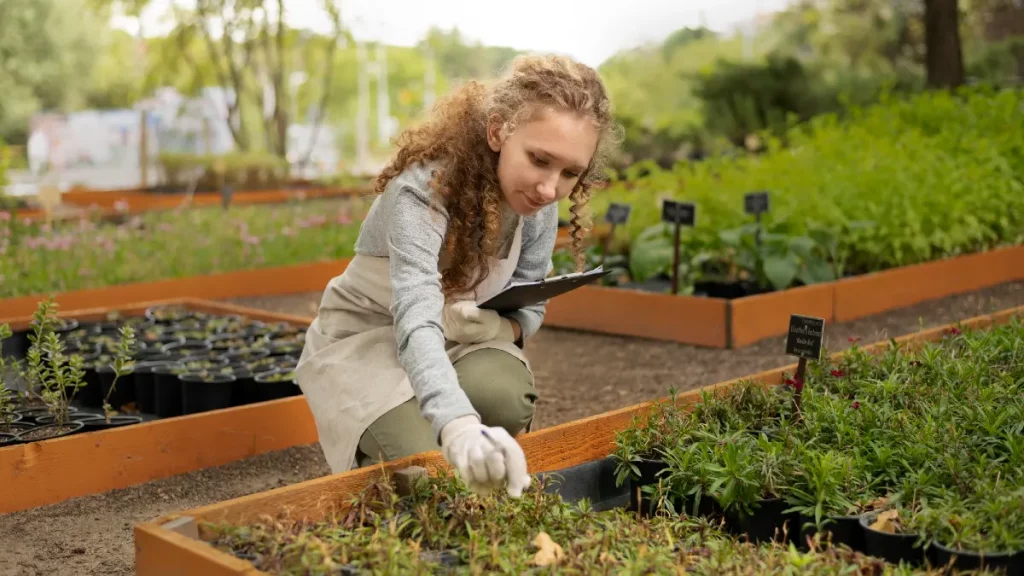
You should not wait until the end of the season to pick your vegetables because harvesting stimulates more growth. Many plants like beans and peppers will stop producing if you leave the fruit on the branch for too long.
The goal of a small space garden is to keep the soil working constantly by pulling out finished plants and putting in new seeds immediately.
This technique is called succession planting and it ensures you have fresh food from spring until the first frost of winter.
- Pick herbs and leafy greens from the top to encourage bushier growth
- Harvest beans and cucumbers daily to force the plant to make more flowers
- Remove old plants immediately after they stop bearing fruit
- Plant fast growing crops like radishes in the empty spaces
Harvest & Regrow
Pinch the Top
Pick herbs and greens from the top to encourage bushier growth.
Harvest Daily
Harvest beans and cucumbers daily to force the plant to make more.
Clear Old Plants
Remove plants immediately after they stop bearing fruit.
Fill Empty Space
Plant fast-growing crops like radishes in the empty spaces.
Conclusion
You have the space and the pots and the seeds to start growing. Reports show the average home garden yields valuable produce with a very small setup cost.
Beyond the money it feels good to connect with nature right outside your door. Start small with just 3 pots to avoid overwhelm and get comfortable with the routine.