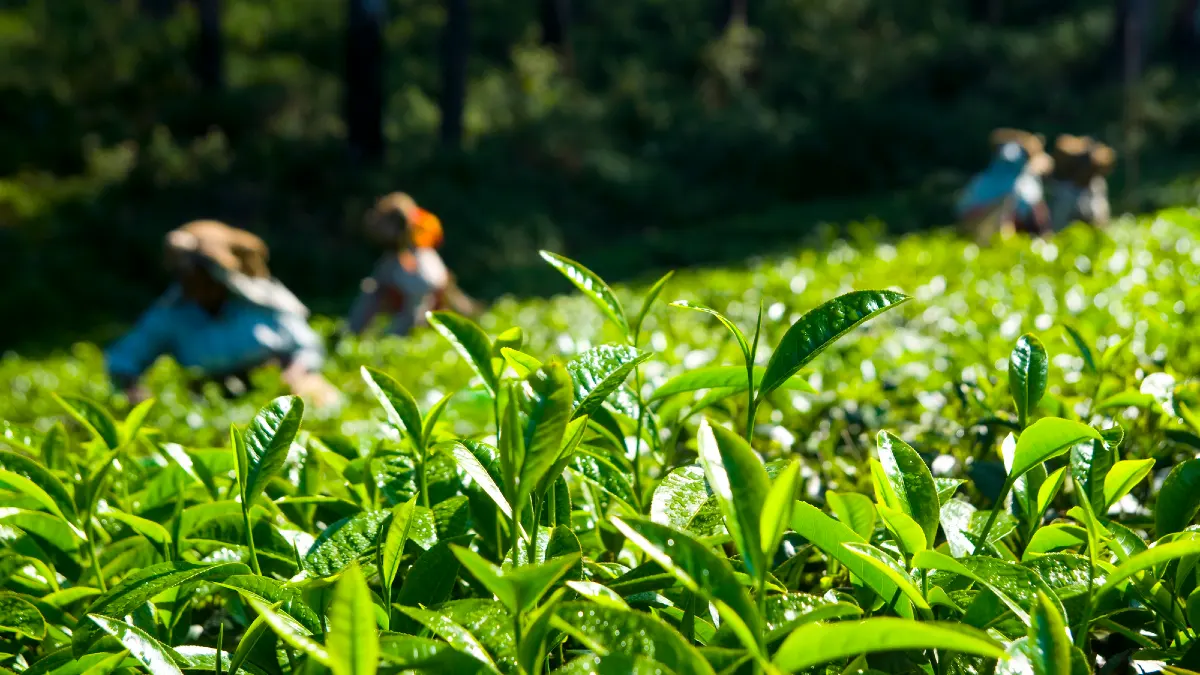
Imagine stepping into your backyard and plucking fresh leaves for your morning brew. You can make a cup of tea that traveled zero miles to reach your mug. Most tea you buy at the store is old and sits in warehouses for months.
Many tea bags even contain microplastics that harm your health. In 2025 we want better transparency and sustainable living choices.
This guide shows you exactly how to build a homegrown tea oasis. You will learn the latest organic gardening methods to grow chemical free tea at home.
1. Understanding the Tea Plant Camellia sinensis
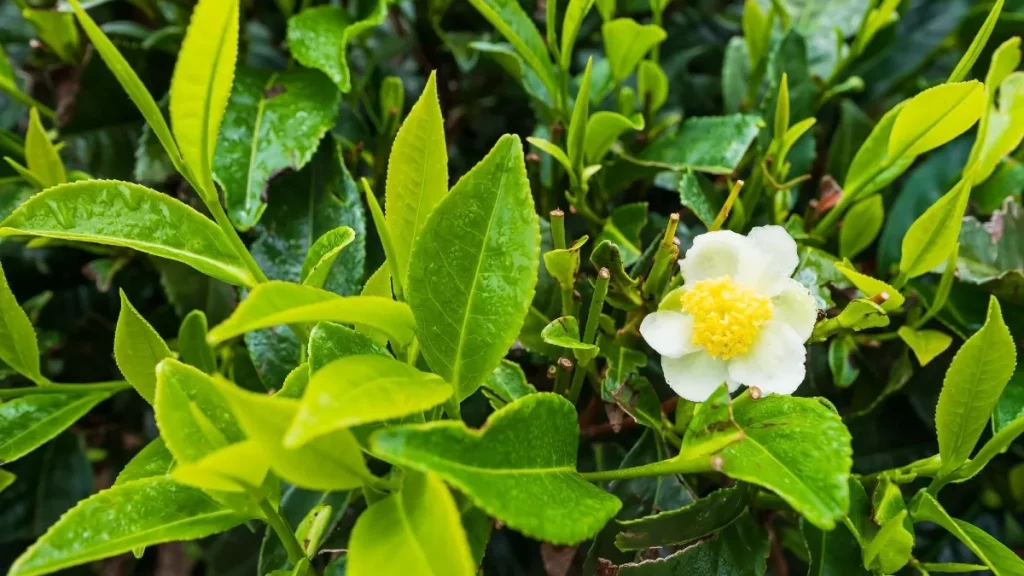
Before you dig you must meet the star of the show called Camellia sinensis. Many people think any plant steeped in hot water is tea but that is not quite right.
Real tea comes from the Camellia sinensis shrub while everything else is technically a herbal tisane. Research from Bristol University in 2025 highlights new climate resilient tea cultivars that handle heat better.
Choosing the right plant for your specific weather is the most important step you will take. Once you know your zone you can pick your variety to find it a home.
- Sinensis has small leaves and is tough against cold weather which is great for green tea
- Assamica has big leaves and loves tropical heat which makes it perfect for black tea
- Growing Camellia sinensis at home works best in Zones 7 to 9 but pots work elsewhere
- New drought tolerant varieties help you save water while gardening
Tea Gardener’s Guide
Sinensis (Green Tea)
Has small leaves and is tough against cold weather.
Assamica (Black Tea)
Has big leaves and loves tropical heat.
Grow at Home
Best in Zones 7-9, but pots work anywhere!
Save Water
New drought tolerant varieties help you garden sustainably.
2. Planning Your Tea Garden Layout
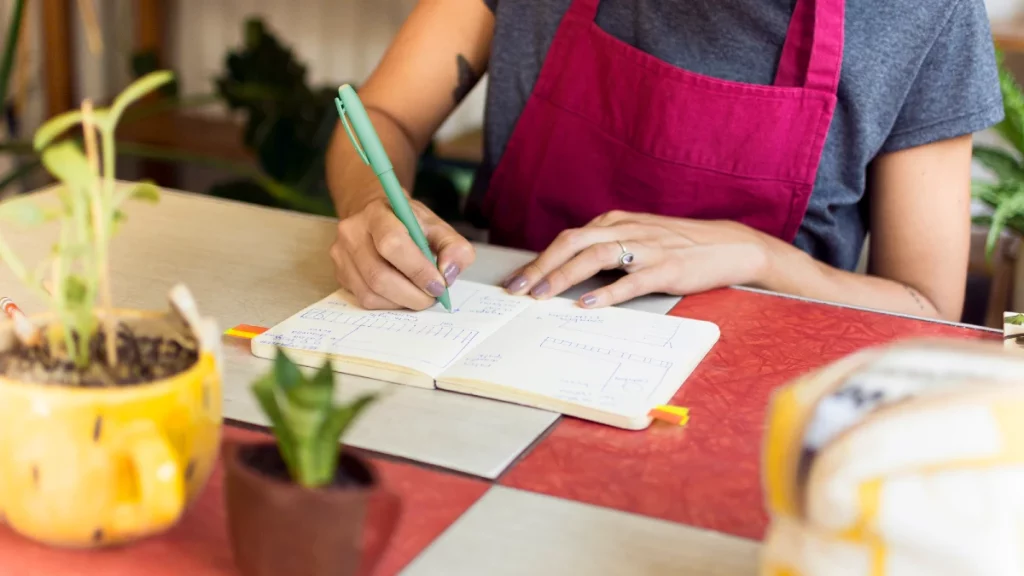
A successful tea garden starts with a map rather than a shovel. The big 2025 trend is Edible Landscapes which means mixing your tea bushes into flower beds.
Tea plants are very picky about their dirt and need acidic soil with a pH of 4.5 to 5.5. If your soil is too alkaline your plant will not be able to absorb nutrients.
Expert guides from the Royal Horticultural Society emphasize that this specific pH range is non negotiable. You must test your dirt before you put any plants in the ground.
- Use a digital soil pH tester to check your ground before you plant anything
- Plant Marigolds nearby to keep bad bugs away without using harsh chemicals
- Ensure the spot gets enough sun but has some protection from harsh afternoon heat
- Design your tea garden layout to be beautiful and functional at the same time
3. Top Herbal Tea Plants to Grow in 2025
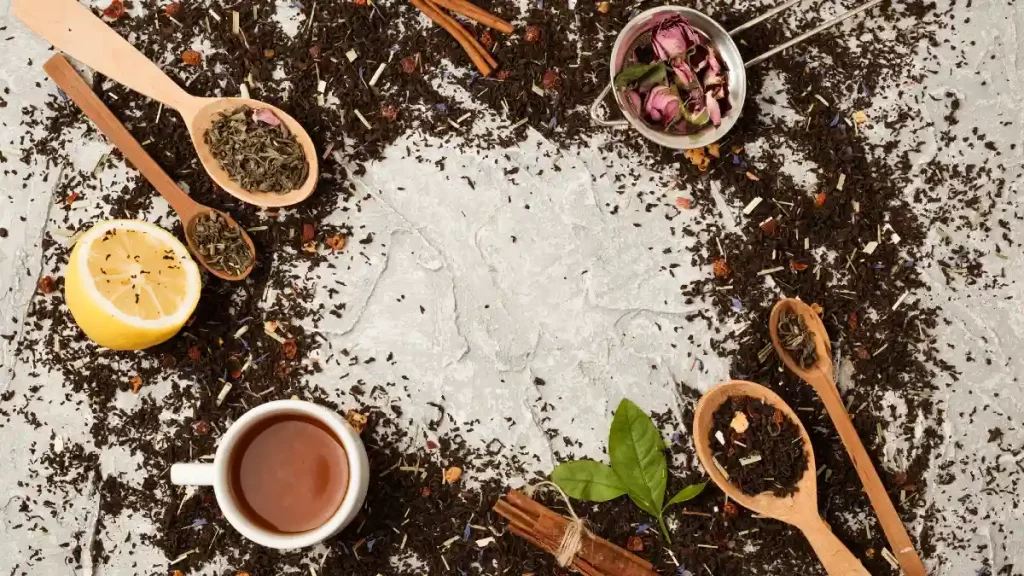
You might not be ready for a full tea bush so start with these forgiving herbs. The global demand for herbal tea grew by over 9 percent this year as people want wellness in a cup.
These plants are generally easier to grow than true tea and offer quick rewards. You can plant them in pots or directly in the ground depending on your space.
They provide fresh flavors for your mug and look great in the garden. These herbs are hardy but they still need the right care to thrive.
- Peppermint offers powerful flavor but should go in a pot so it does not take over
- German Chamomile produces many blooms that help calm you down after a long day
- Lemon Balm smells like citrus candy and works wonders for natural stress relief
- Hibiscus is a top trend for 2025 because it adds deep red color and tart flavor
Herbal Garden Guide
Peppermint Power
Offers powerful flavor but must go in a pot so it doesn’t take over.
Calming Chamomile
Produces many blooms that help calm you down after a long day.
Lemon Balm
Smells like citrus candy and works wonders for natural stress relief.
Hibiscus 2025
A top trend because it adds deep red color and tart flavor.
4. Planting and Care The Smart Way
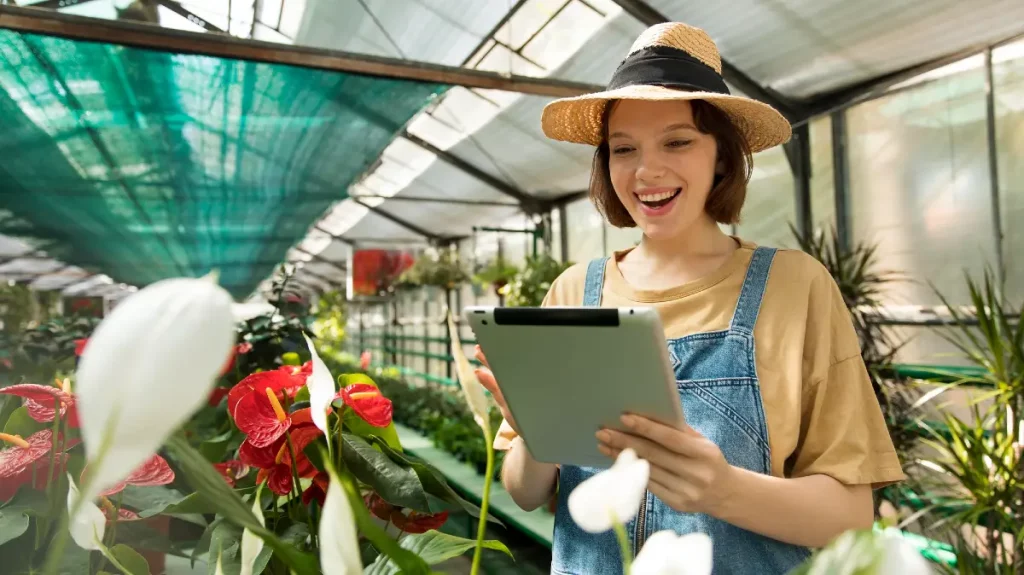
The difference between a dead stick and a lush bush is often just water and soil pH. You should follow the Goldilocks rule where the soil stays moist but not soaking wet.
Since water conservation is vital you do not want to waste a drop while caring for your plants. Using smart gardening tools like the Seed to Spoon app helps you track planting dates.
This app is top rated in 2025 for helping new gardeners succeed. Avoid chemical sprays and focus on organic methods to keep your garden safe.
- Use the Seed to Spoon app to track exactly when to water your plants
- Feed your plants with vermicompost or worm castings instead of chemical sprays
- The Sneeboer Garden Scoop is a great sustainable tool for moving potting soil
- Check moisture levels daily because pots dry out faster than the ground
5. Harvesting and Processing Your Tea
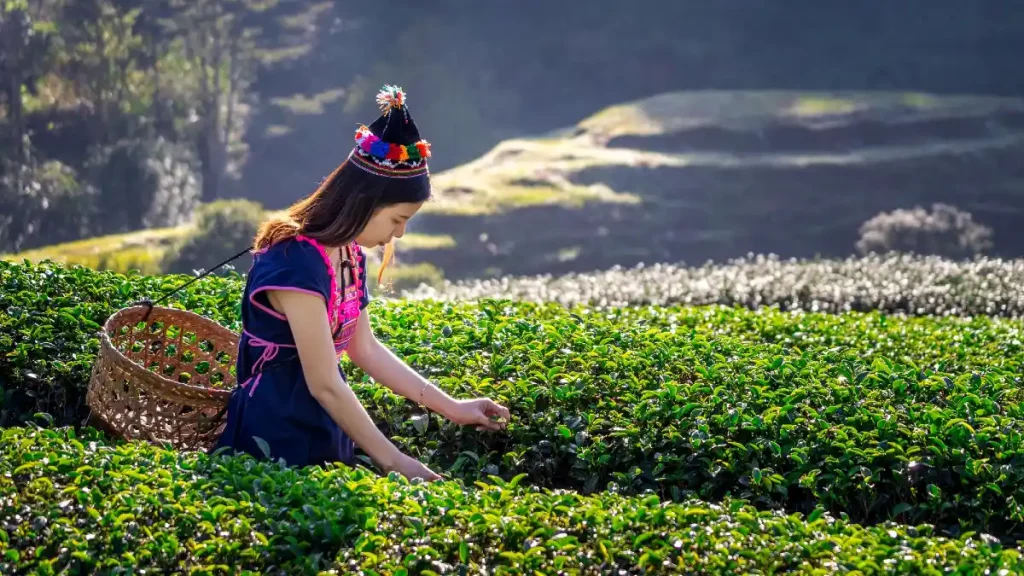
You do not pick the whole branch when it is time to harvest your crop. For Camellia sinensis you only want the top two leaves and a bud where the flavor lives.
The way you process these leaves determines if you get green or black tea. You can make a simple drying rack by stretching a clean window screen over a wooden frame.
Store your finished tea in air tight glass jars away from sunlight to keep it fresh. Now that your plants are growing the best part is enjoying the harvest.
- Steam fresh leaves for a minute then roll and dry them to make green tea
- Roll leaves to bruise them and let them turn brown to create black tea
- Dry herbal leaves or flowers until they crackle for simple herbal teas
- Keep your harvest in a cool dark place to preserve the delicate flavors
Tea Processing 101
Green Tea
Steam fresh leaves for a minute, then roll and dry them.
Black Tea
Roll leaves to bruise them and let them turn brown (oxidize).
Herbal Tea
Dry herbal leaves or flowers until they crackle.
Storage Rule
Keep your harvest in a cool, dark place to preserve flavors.
| Tea Type | Harvest Part | Process Method | Flavor Profile |
| Green Tea | Bud plus two leaves | Steam then Roll then Dry | Grassy and Fresh |
| Black Tea | Bud plus two leaves | Roll then Oxidize then Dry | Strong and Malty |
| Herbal Tea | Flowers or Leaves | Wash then Air Dry | Floral or Minty |
Conclusion
You now have the roadmap to grow and harvest and brew your own tea. You do not need a farm because you just need a pot and some good soil.
Pick one plant from this list and buy seeds today. Your first cup of homegrown peace is just a season away. Start your sustainable tea garden now.