
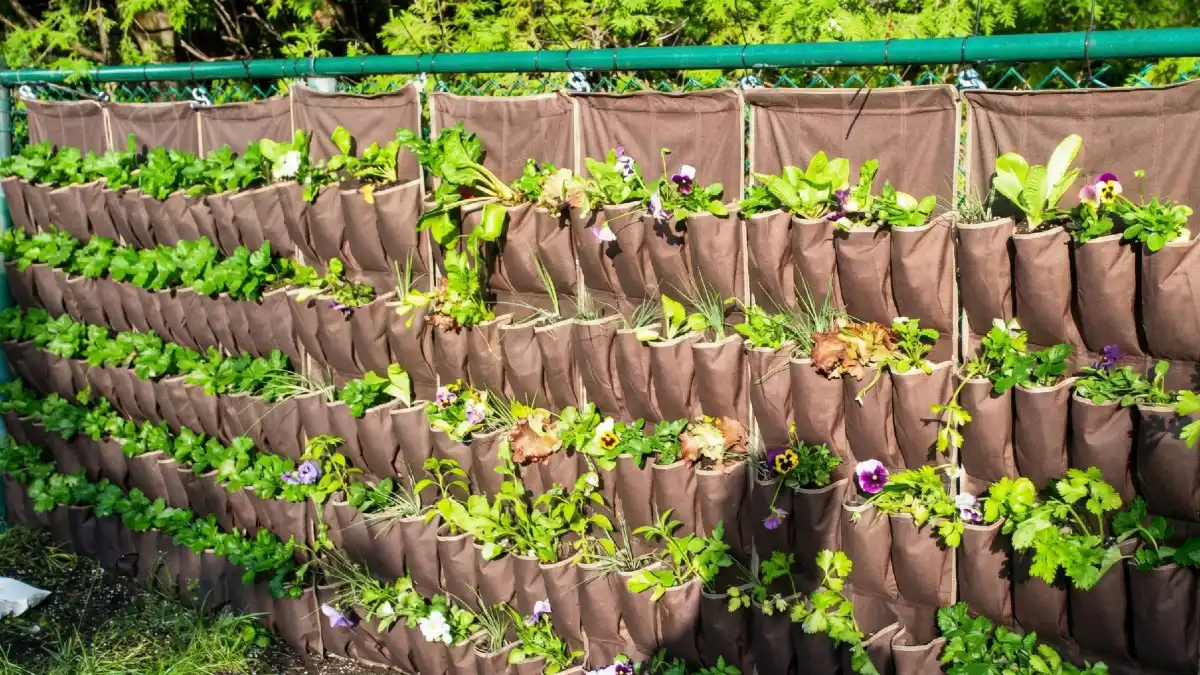
Standard fences divide property lines coldly. Turn your boundary into a living grocery store instead. Edible landscaping creates privacy while producing fresh food.
You save space by combining a garden with a wall. Tall bushes and climbing vines block prying eyes effectively. This method improves curb appeal significantly.
Homeowners love picking berries or herbs right from the edge of the yard. Growing food vertically maximizes small areas. It invites pollinators to your home as well.
Functional Living Boundaries: The Edible Fence
Transforming sterile property lines into productive green spaces offers a strategic dual advantage for modern homeowners.
Utilizing vertical growth allows you to secure the perimeter while simultaneously cultivating fresh produce directly onsite.
The Edible Hedge
-
Dual-Purpose Functionality
Acts as an effective visual screen while providing seasonal harvests of fruits or herbs.
-
Space Optimization
Capitalizes on vertical areas to increase planting capacity in restricted or smaller yards.
-
Ecological Enhancement
Attracts essential pollinators and contributes to local biodiversity and soil health.
-
Aesthetic Appeal
Replaces rigid structures with dynamic foliage that drastically improves your curb appeal.
1. Espalier Apple Tree
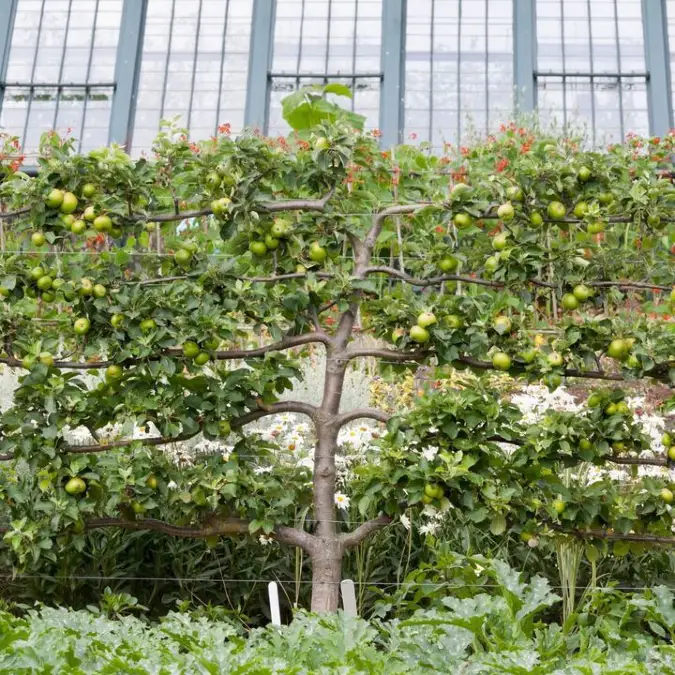
This image shows an apple tree trained to grow flat against supports. Horizontal wires guide the sturdy branches outward from the central trunk. Heavy clusters of green apples hang ready for harvest.
The method forms a dense living barrier. It saves garden space by growing vertically instead of spreading out. This structure stands prominently in front of a large glass greenhouse.
2. Bamboo Trellis with Vines
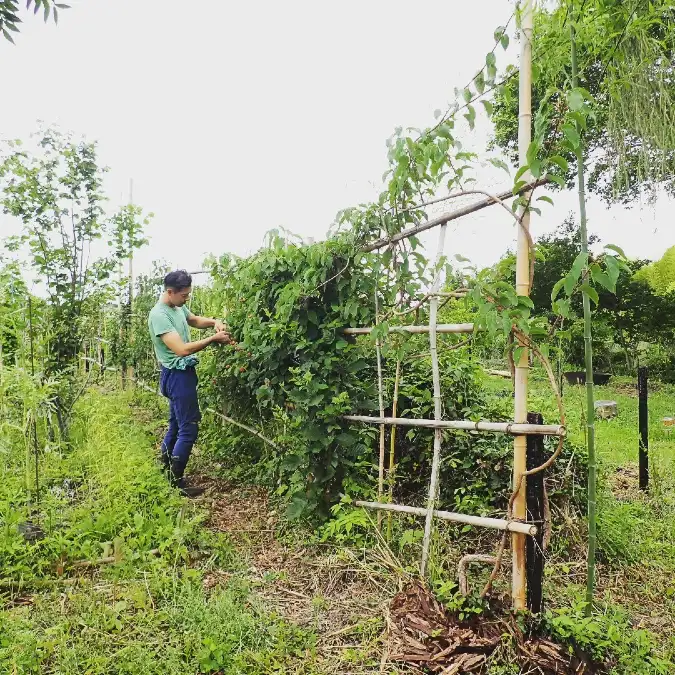
A gardener harvests fruit from vines climbing a rustic bamboo frame. Vertical and horizontal poles create a sturdy grid for the plants. The thick greenery fills the middle section effectively.
The structure separates the garden area without blocking light completely. Tall bamboo posts anchor the fence into the grassy ground. It provides support for climbing crops like beans or berries.
3. Grapevine Trellis Fence
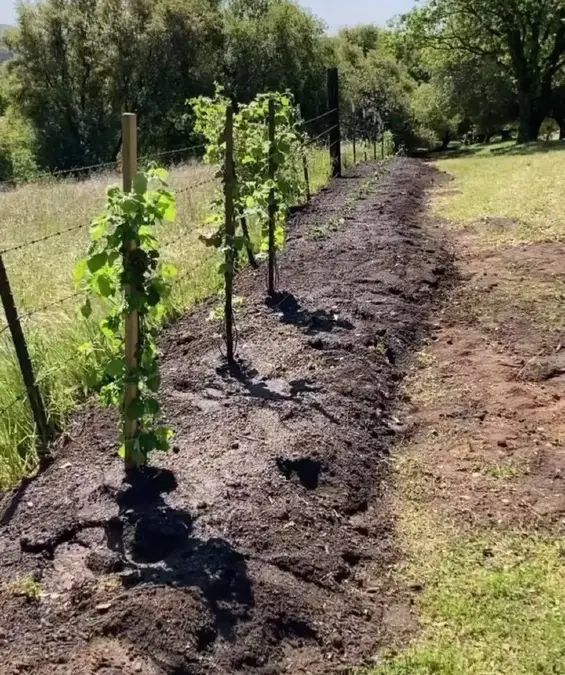
Young grapevines climb sturdy wooden posts along a wire boundary. These plants grow quickly to create a dense screen of green leaves.
Fresh fruit hangs within easy reach once the vines mature. This structure provides a functional barrier for large open fields.
4. Post and Wire Berry Trellis
Young berry canes stand tall next to wooden support stakes. A wire fence runs behind the plants to mark the boundary. Dark compost mounds provide nutrients for the growing roots.
Green leaves sprout from the young vines in the bright sun. The open layout ensures good air circulation for healthy fruit production. You can maintain the row easily from the adjacent lawn.
5. Vertical Fence Planters
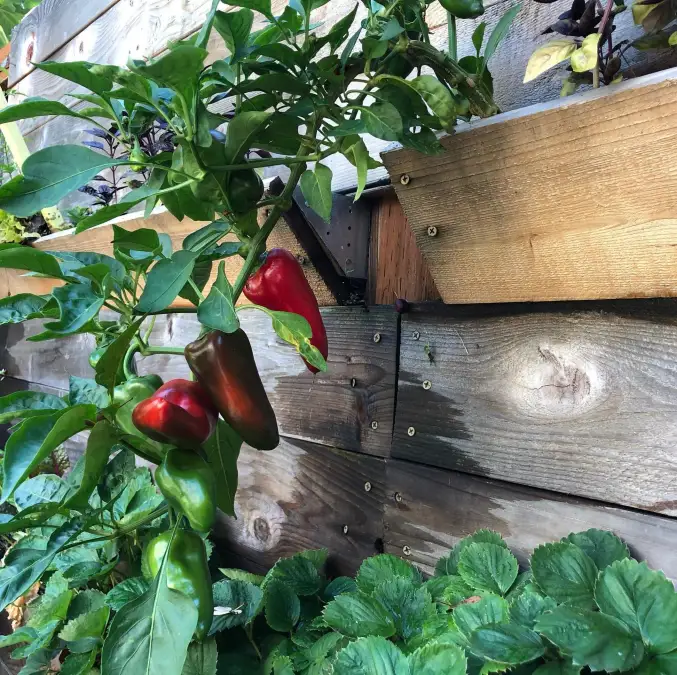
Deep wooden boxes hang directly on a sturdy timber wall. This method lifts the growing area to save space in small gardens.
Red and brown peppers ripen on the vines while basking in the sunlight. Strawberry plants fill the bottom section to create a lush green layer.
6. Citrus Hedges
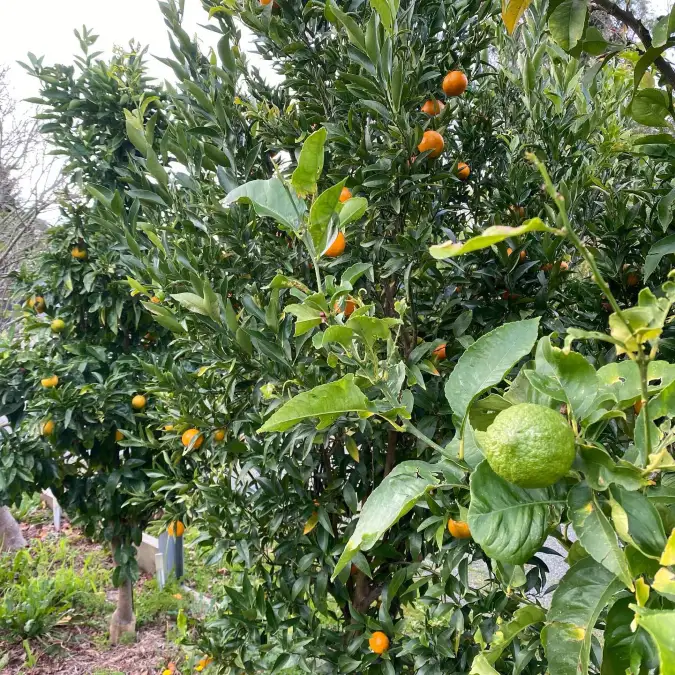
Plant citrus trees closely in a row to create a dense living wall. The image shows lush green foliage forming a solid barrier along the garden edge.
Bright orange fruits hang among the leaves waiting for harvest. A large green citrus fruit is also visible in the foreground branches.
7. Tomato Trellis Fence
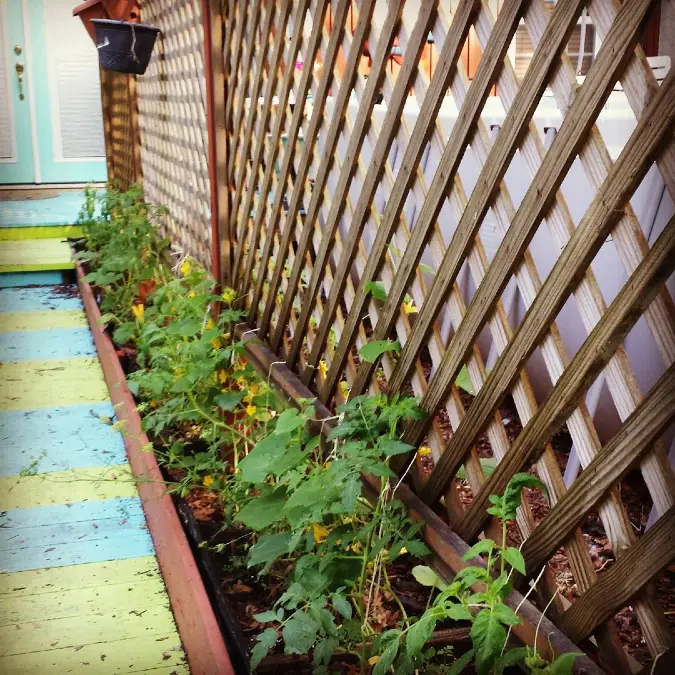
Tomato plants thrive when they grow upward against a wooden lattice. This vertical setup keeps the fruit off the ground and prevents rot.
Small yellow blossoms indicate a coming harvest of fresh vegetables. Using a sturdy screen provides the support needed for heavy vines to climb.
8. Wattle Herb Fence
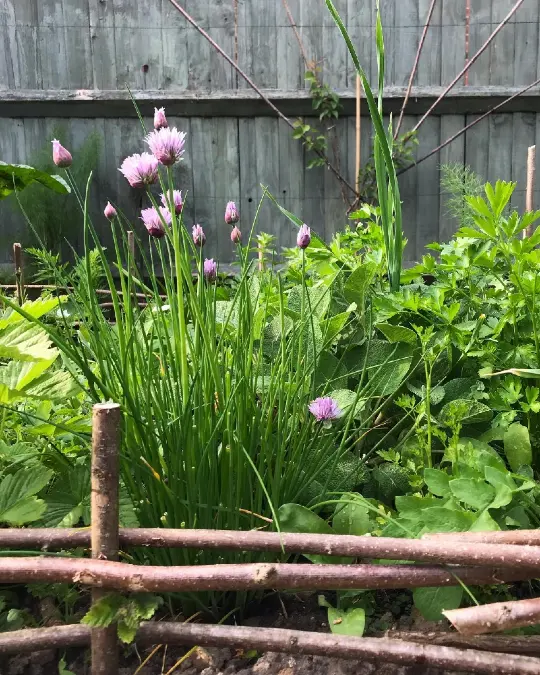
Slender wooden branches create a rustic wattle border for this herb garden. Purple chive blossoms rise above the low structure to add soft color.
Green leaves of sage and parsley fill the space behind the natural wood. This low barrier keeps different edible varieties organized and easy to reach.
9. Wire Trellis Bean Fence
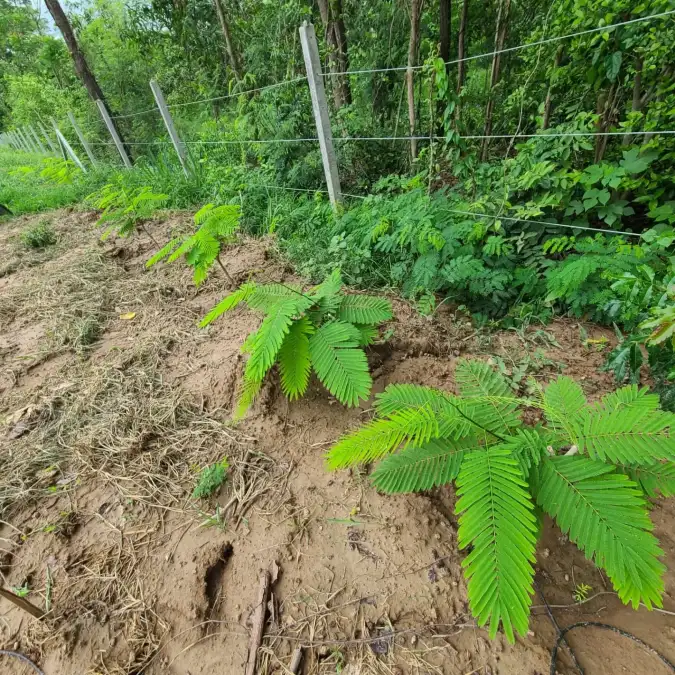
Thin metal wires stretch between concrete posts to create a minimalist support system. Young green plants with feathery leaves grow in a neat line along this boundary.
Dense foliage will eventually cover the horizontal lines as the vines climb higher. This simple design allows plenty of sunlight and air to reach the developing crop.
10. Banana Leaf Privacy Screen
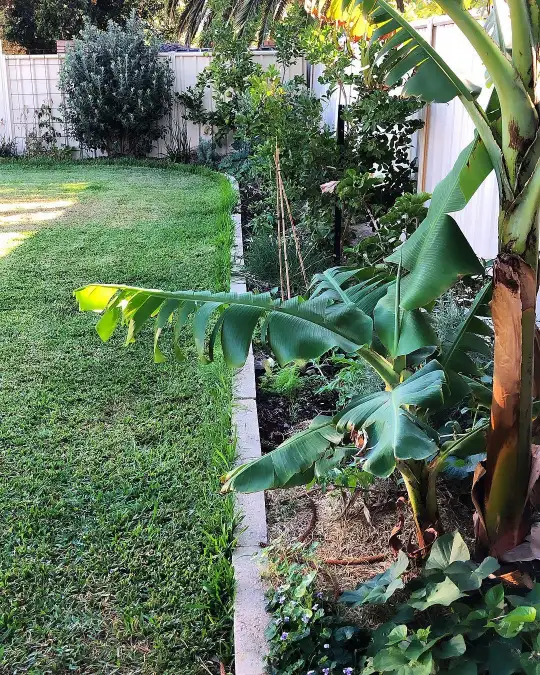
Large tropical leaves reach out from a thick trunk to create a natural wall. These broad green fans provide dense coverage against a white perimeter fence.
Smaller fruit trees and herbs grow in the narrow bed below the tall palms. This layered planting style turns a simple boundary into a lush food forest.
11. Citrus Tree Privacy Hedge
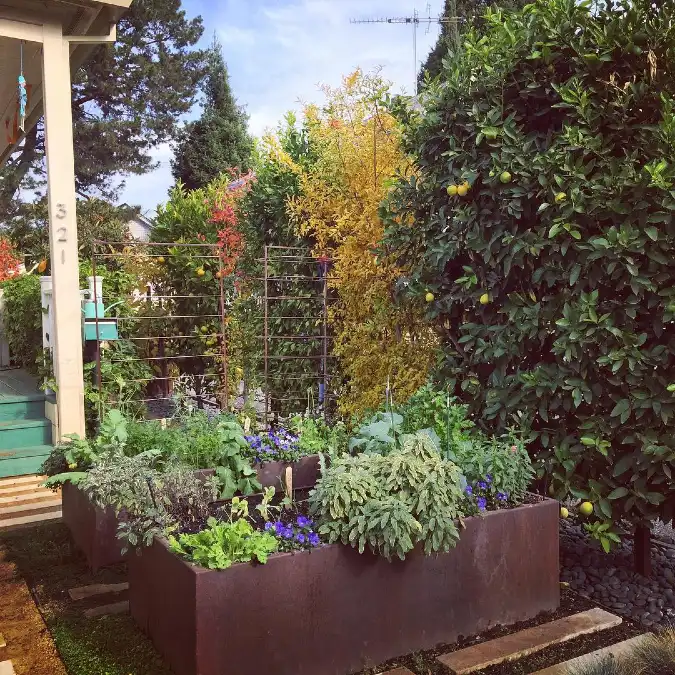
Tall lemon trees grow close together to form a thick green screen. Bright yellow fruit hangs among the dense leaves to offer a constant supply of Vitamin C.
Metal trellises stand in front of the trees to support climbing vines. This layered design provides deep privacy while maximizing food production in a small side yard.
12. Mixed Berry Hedgerow
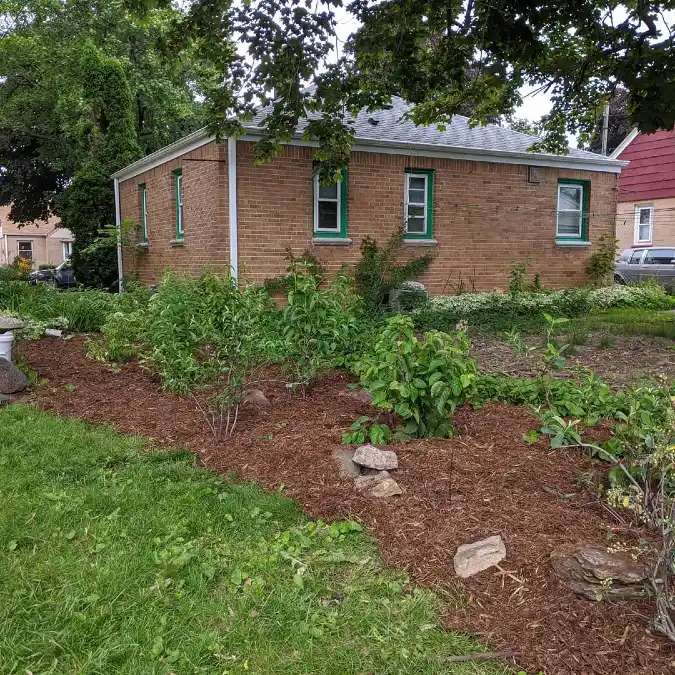
Young bushes grow in a wide mulch bed to form a soft property boundary. These woody plants will produce sweet berries for snacking right off the branch.
Small rocks sit among the wood chips to add a natural look to the landscape. This organic border separates the lawn from the house while providing a tasty summer harvest.
13. Rebar Trellis Salad Wall
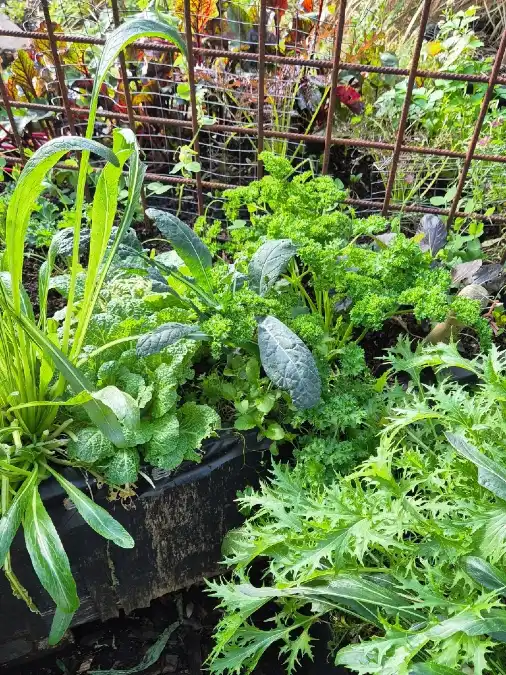
Rusted metal rebar forms a grid pattern to support a variety of leafy greens. This industrial style frame allows light to reach every layer of the densely packed garden bed.
Bright green parsley and textured kale leaves grow thick against the sturdy wire mesh. Placing the trellis directly behind the planters creates a vertical buffet of fresh salad ingredients.
14. Espresso Wire Trellis
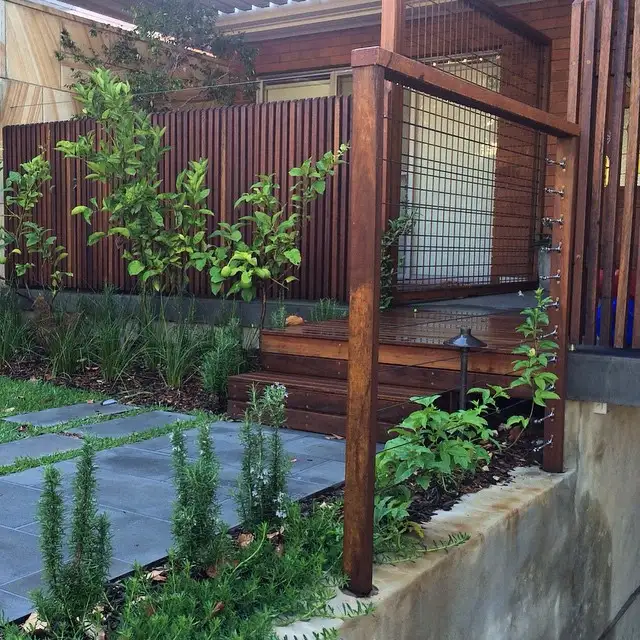
Horizontal tension wires run between dark wooden posts to create a sleek garden rail. This modern structure supports climbing fruit vines that grow along the poolside deck.
Rosemary and other fragrant herbs fill the concrete planters at the base. Small green citrus fruits ripen on trees behind the slatted privacy wall.
15. Colorful Pollinator Border
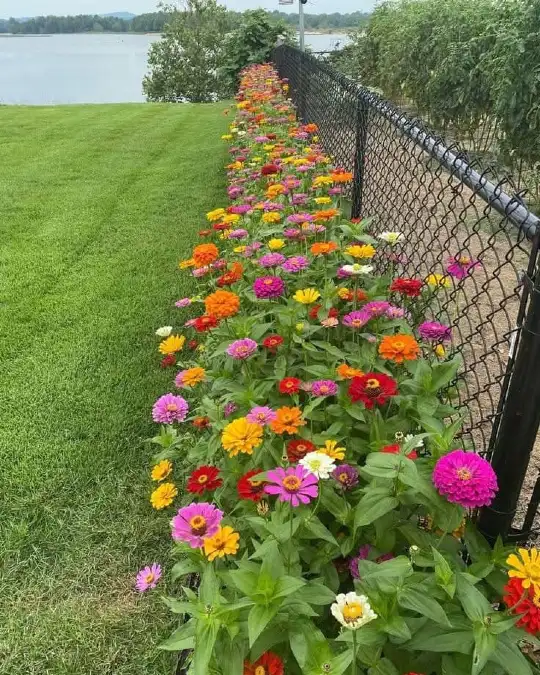
Bright zinnias in shades of pink, orange, and yellow line this black chain link fence. These vibrant flowers attract beneficial insects that help pollinate nearby vegetable crops.
Lush tomato vines grow tall on the opposite side of the wire mesh. This combination of beauty and function creates a productive edge along the water.
16. Prickly Pear Cactus Wall
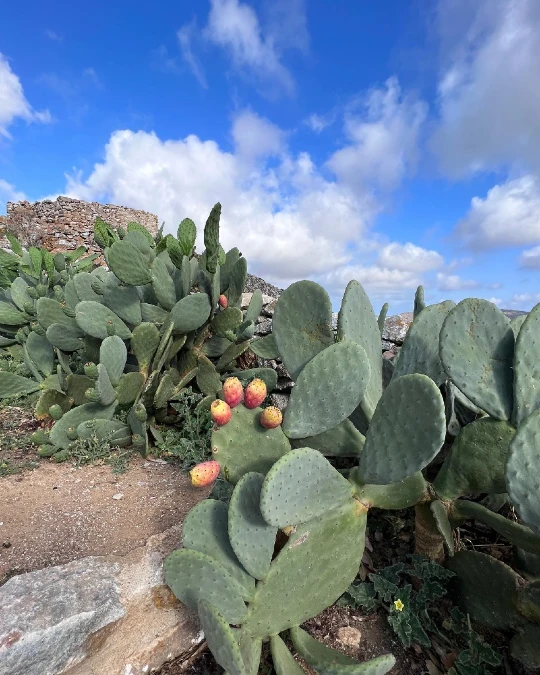
Thick cactus pads grow close together to create a formidable natural barrier. Vibrant pink and yellow fruits emerge from the edges of these sturdy desert plants.
This living wall thrives in dry conditions while protecting the property line. Stone ruins in the background suggest a durable and ancient way to mark land.