It feels great when your plants look healthy and full of life. But many gardeners face a common problem. Your plants might look tired or stop producing fruit mid-season.
Even with plenty of water and sun, they just sit there and refuse to grow. This often happens because the soil lacks specific minerals. You can fix this problem easily without spending much money.
You will learn about 12 plants that thrive with Epsom salt. This simple household item is actually magnesium sulfate. It acts as a secret weapon for your garden health.
1. Tomatoes
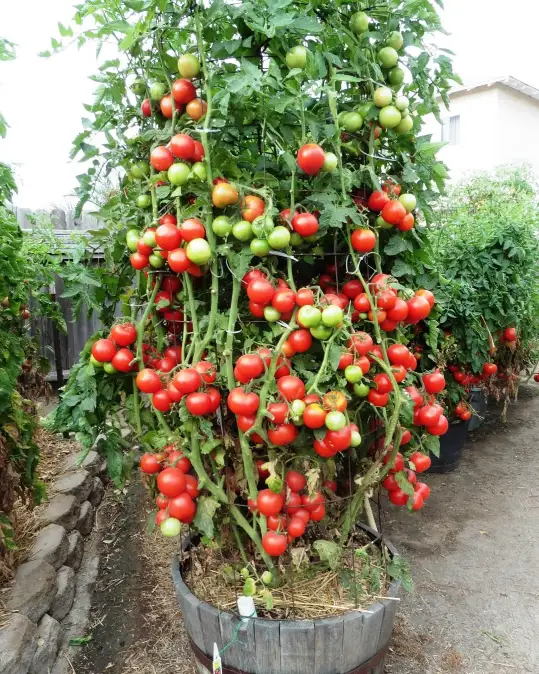
If your tomatoes look pale or the leaves are curling, they might be hungry for magnesium. Tomatoes are heavy feeders that need a lot of energy to grow big, juicy fruit.
Epsom salt provides magnesium, which is the central part of the chlorophyll molecule. This helps the plant take in other nutrients like phosphorus and nitrogen more easily.
- Mix 1 tablespoon of Epsom salt per foot of plant height into a gallon of water.
- Spray the leaves once every two weeks for a direct nutrient boost.
- Add a spoonful of the salt to the hole when you first transplant your seedlings.
- It stops the yellow “V-shape” from forming on older leaves as the plant grows.
Tomato Vitality Secret
-
The Master Mix
Dissolve 1 tablespoon of Epsom salt per foot of plant height into a gallon of water for root feeding.
-
Bi-Weekly Foliar Spray
Spray the leaves once every two weeks for a direct magnesium boost that bypasses root uptake delays.
-
Seedling Kickstart
Add a spoonful of salt crystals to the hole when you first transplant your seedlings into the garden.
-
Deficiency Shield
It stops the yellow “V-shape” from forming on older leaves, ensuring maximum photosynthesis as the plant grows.
2. Peppers
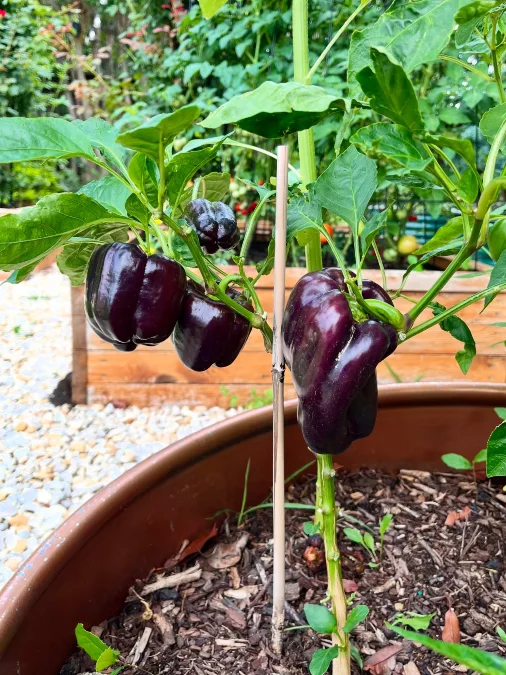
Peppers need magnesium just as much as tomatoes do to stay healthy. If your pepper plants are dropping their flowers before they turn into fruit, they are likely stressed.
Epsom salt helps the plant keep its blossoms attached to the stem. This leads to a much bigger harvest of crunchy peppers later in the season. It also makes the leaves a darker, healthier green.
- Apply a leaf spray of 1 tablespoon per gallon of water during the blooming stage.
- Use this mixture once a month to prevent stunted growth in your pepper patch.
- It helps the plant handle heat stress during the hottest summer days.
- Mix it into the soil at the base of the plant to strengthen the main stem.
3. Roses
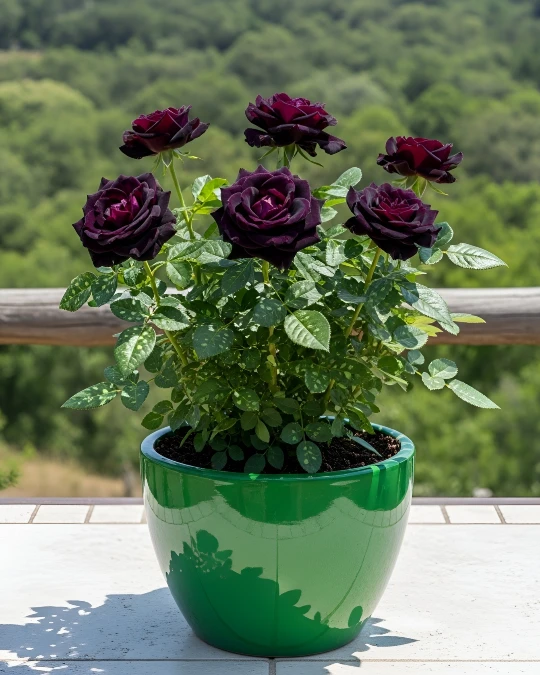
Every rose lover wants more blooms and dark green foliage on their bushes. Epsom salt encourages what gardeners call “basal breaks.” These are new stems that grow from the very base of the rose bush.
This makes the plant thicker, stronger, and much more full of life. The magnesium also helps the rose produce more chlorophyll for its leaves. This results in the deep green foliage that makes the bright flower colors really pop.
- Soak the roots with half a cup of Epsom salt dissolved in water each spring.
- Sprinkle a little salt around the base when you see new growth starting to appear.
- Use a leaf spray to give the foliage an instant shine and deep green color.
- It helps the rose bush resist common garden pests by making the plant tissue tougher.
4. Citrus Trees
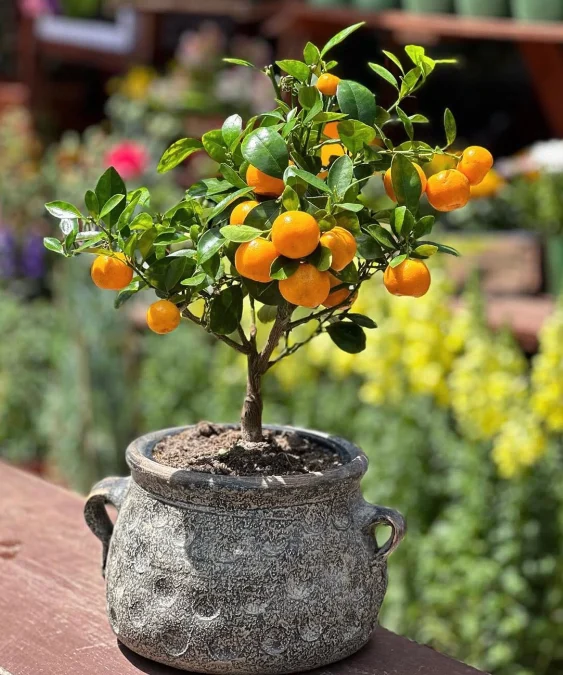
Citrus trees often show a lack of magnesium through a specific leaf pattern. You might see a green “V” shape at the base of the leaf while the rest turns yellow. This is a clear sign the tree is struggling to make food.
Using Epsom salt can stop this yellowing and help the tree produce sweeter fruit. It is a simple fix for a very common citrus problem. Healthy trees also hold onto their fruit longer instead of dropping it early.
- Apply 2 tablespoons per gallon of water around the drip line of the tree.
- Repeat this treatment three times a year during the active growing season.
- It helps lemon and lime trees produce more juice inside their fruit.
- This prevents the leaves from falling off early when the weather turns cold.
5. Hydrangeas
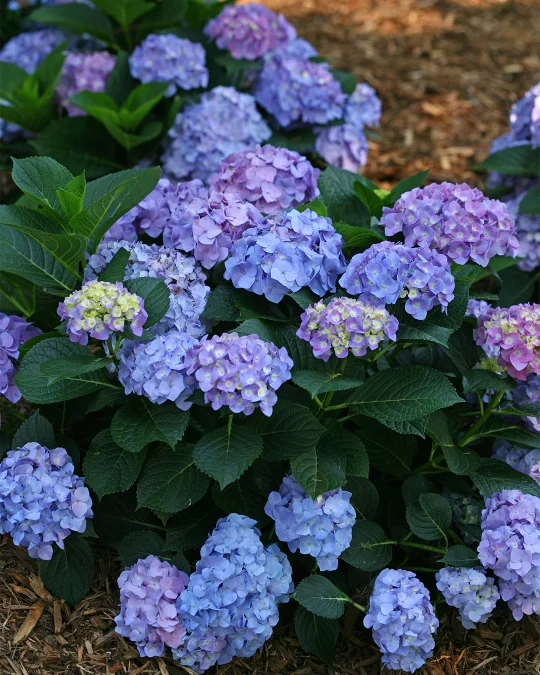
Hydrangeas are famous for their giant, colorful flower heads that fill the garden. If you want vibrant colors and strong stems to hold them up, try Epsom salt. The sulfur in the salt helps maintain the soil acidity.
This is important because soil pH determines if your flowers turn out blue or pink. It also keeps the leaves looking lush and healthy all through the summer months.
- Dissolve 1 tablespoon in a gallon of water and drench the soil once a month.
- It helps the plant recover from the stress of a big blooming cycle.
- This strengthens the cells in the stems so the heavy flowers don’t flop over.
- It ensures the plant can absorb iron from the soil more effectively.
6. Lawns
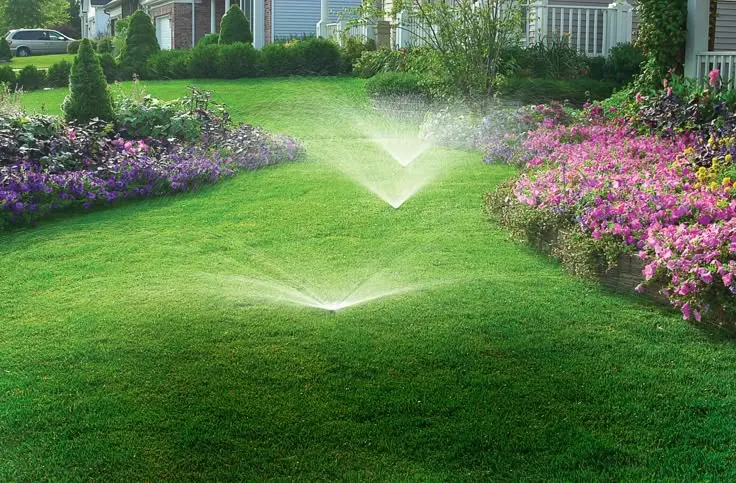
You can get a “golf course” look for your lawn without using expensive chemicals. Epsom salt helps grass produce more chlorophyll very quickly. This leads to a rapid green-up that makes your yard look amazing compared to the neighbors.
The best part is that it does not cause the grass to grow too fast. You get a greener lawn without having to mow it every single day. This is a great trick for early spring or right before a backyard party.
- Use a spreader to apply 3 pounds per 1,250 square feet of grass.
- Water the lawn immediately after spreading the salt to help it soak into the roots.
- Apply it in the spring and fall for the best results throughout the year.
- It helps the grass roots grow deeper to survive dry spells and summer heat.
The Resilient Lawn
-
Precision Application
Use a spreader to apply 3 pounds per 1,250 square feet for even coverage across the lawn.
-
Immediate Hydration
Water the lawn immediately after spreading the salt to help nutrients dissolve and soak into the roots.
-
Seasonal Routine
Apply in the spring and fall to prepare your turf for extreme summer heat and winter dormancy.
-
Drought Resilience
Epsom salt helps grass roots grow deeper and stronger to survive dry spells and summer stress.
7. Petunias
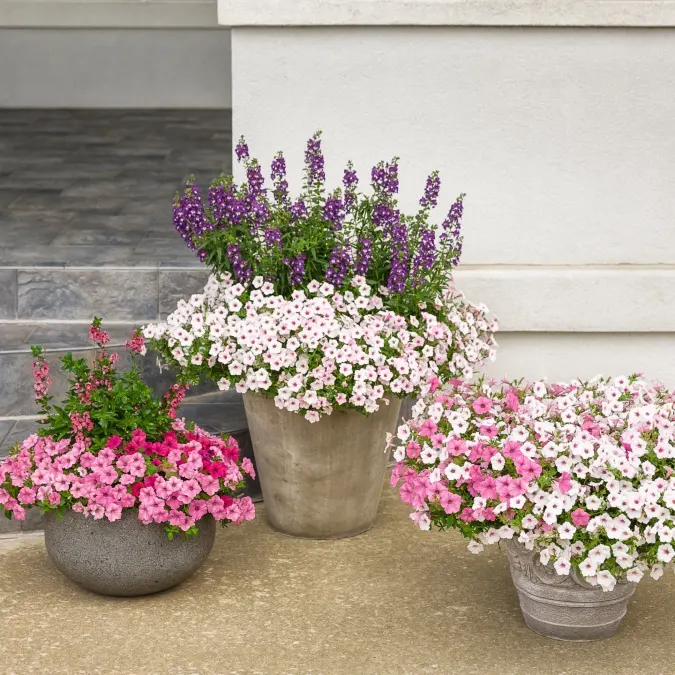
Petunias often get “leggy” and thin by the end of a long summer. They might stop flowering and start looking tired or yellow. Epsom salt helps these flowers stay bushy and full of bright blooms.
It provides the extra magnesium they need to keep growing new flower buds. Your hanging baskets will look fresh much longer into the autumn season. It is a simple way to get more value out of your annual flowers.
- Add 1 tablespoon to your watering can once every two weeks.
- It helps the plant produce more seeds if you like to save them for next year.
- This keeps the stems from becoming brittle and breaking in the summer wind.
- You will notice the green color of the leaves darkens within just a few days.
8. Cucumbers
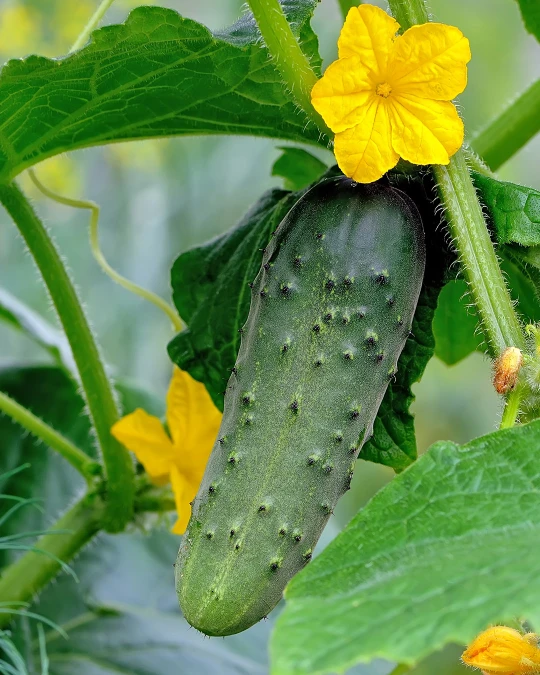
Bitter cucumbers are a huge disappointment after waiting all season for a harvest. This bitterness usually comes from stress caused by high heat or a lack of nutrients.
Epsom salt improves the plant’s ability to handle heat and drought. It also helps prevent vine wilt, which can sometimes kill a healthy plant overnight. You will get more cucumbers that taste crisp, cool, and sweet.
- Sprinkle 1 tablespoon around the base of each plant every few weeks.
- Use a liquid spray on the leaves if they start to turn yellow between the veins.
- It helps the plant move sugars into the fruit for much better flavor.
- This strengthens the vines so they can climb fences and trellises without breaking.
9. Hibiscus
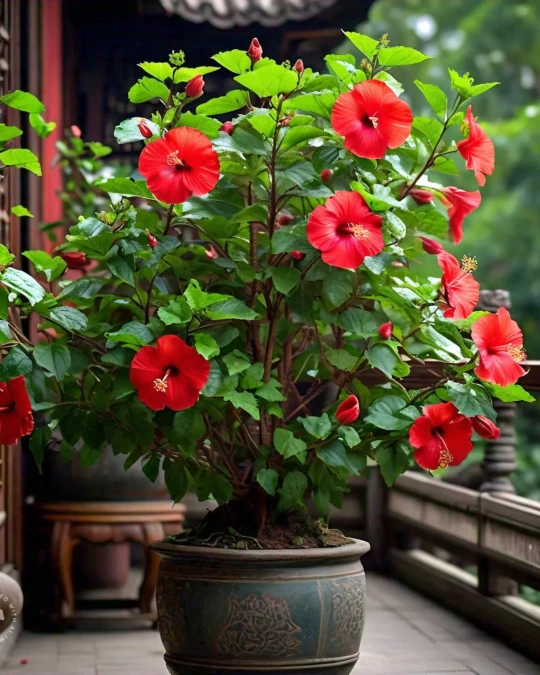
Tropical plants like the hibiscus have a very high demand for magnesium. They need it to maintain those thick, waxy green leaves that look so beautiful. Without enough magnesium, the leaves turn pale and the flowers become much smaller.
Epsom salt helps the plant produce the large, showy blooms that people love. It keeps the plant looking like it belongs in a tropical paradise. This works for both potted hibiscus and those planted in the ground.
- Mix 1 tablespoon into a gallon of water and use it as a soil drench.
- Apply this mixture once a month during the peak blooming months of summer.
- It helps the plant survive the stress of being moved to a new spot.
- This prevents common leaf spots that are caused by nutrient stress.
10. Palms
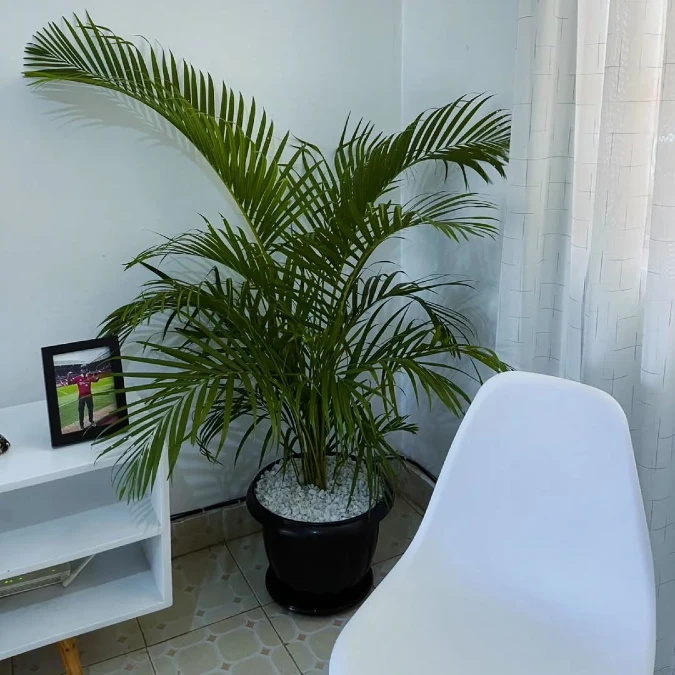
Palms are very “hungry” for magnesium, especially if they grow in sandy soil. Sandy soil does not hold onto nutrients well, so palms often suffer. You might see “frizzle top” where the new fronds look small, yellow, and dead.
Epsom salt is a life-saver for these large trees. It fixes the yellowing fronds and helps the tree grow strong and tall. It is a very effective way to keep your landscape looking healthy.
- Spread 1 to 2 pounds of salt under the canopy of a large palm tree.
- Water the area well so the roots can reach the magnesium deep in the soil.
- Apply this twice a year to keep the fronds a deep, healthy green color.
- It is much cheaper than buying specialized palm fertilizers from a store.
11. Geraniums
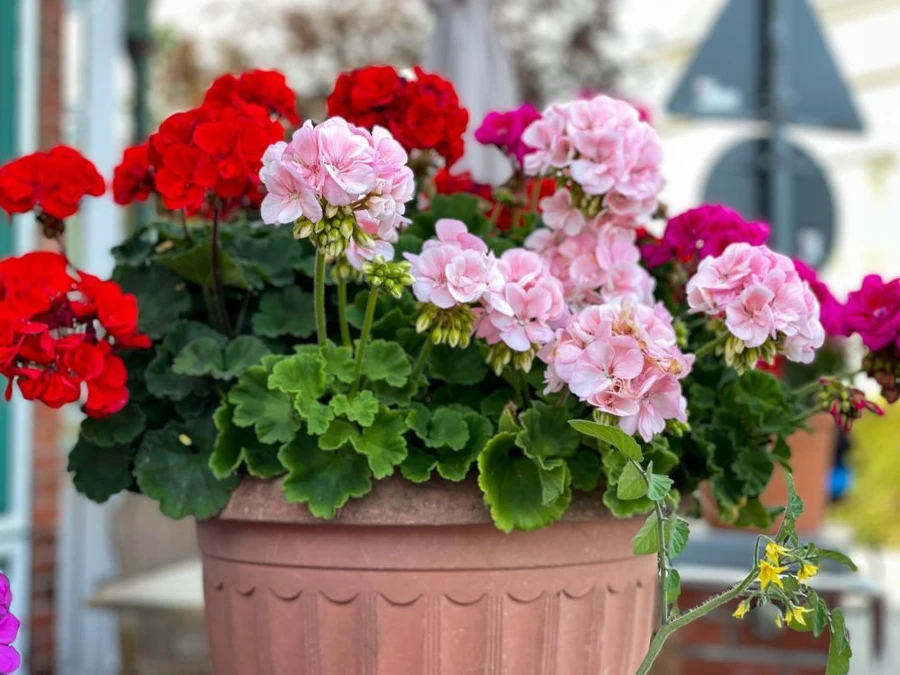
Geraniums are classic garden favorites that need a little extra help to stay strong. They need thick stalks to support their heavy clusters of flowers. Using Epsom salt during the peak blooming window makes a huge difference in their appearance.
It gives the plant the extra energy it needs to keep producing flowers all summer long. You will notice the stalks feel thicker and are less likely to snap in the rain.
- Use 1 teaspoon per gallon of water every time you water your plants.
- It encourages the plant to branch out and become much more compact and full.
- This helps the plant recover quickly after you remove old, faded flowers.
- It prevents the leaves from turning red, which is often a sign of plant stress.
12. Lavender
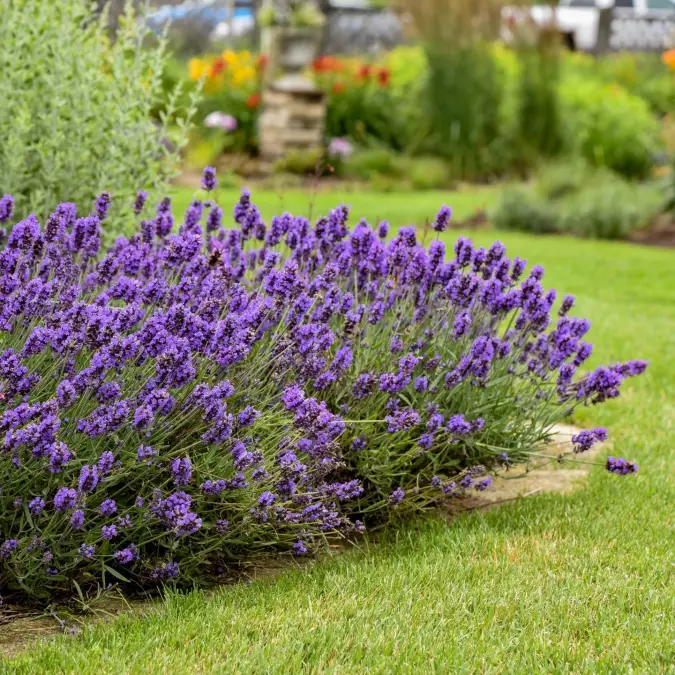
Lavender is grown mostly for its amazing fragrance and beautiful purple spikes. The sulfur in Epsom salt is a key part of how the plant makes its essential oils.
By adding a little bit of salt, you can enhance the smell of your lavender patch. It also helps the plant stay healthy in soil that might not be perfect for it. Your garden will smell better than ever before.
- Sprinkle 1 tablespoon around the base of the plant in early spring.
- It helps the plant handle cold winters by strengthening the root system.
- Do not overdo it, as lavender likes soil that is not too rich in nutrients.
- This treatment improves the deep color of the purple flower spikes.
Lavender Longevity
-
Spring Measured Dose
Sprinkle 1 tablespoon around the base of the plant in early spring to kickstart growth.
-
❄
Cold Climate Hardiness
Strengthens the root system, helping the plant withstand freezing temperatures and cold winters.
-
Maintain Lean Soil
Do not overdo it; lavender thrives in poor soil and prefers a lower nutrient profile.
-
Color Intensification
This treatment significantly improves the deep purple hue of the iconic flower spikes.